Emulsifiers on Ingredient Lists Explained: Lecithin to Polysorbate 80
What emulsifiers and stabilisers do, which names to look for on a label, and what the first human trial of five emulsifiers actually found about gut health.
Emulsifiers are food additives that bind oil and water, prevent separation, and stabilize packaged textures. While regulatory agencies classify common emulsifiers as safe, clinical trials show differences between natural options like lecithin and synthetic thickeners like carboxymethylcellulose. Knowing how to spot them on labels helps consumers navigate ingredient processing levels effectively.
Key takeaways:
Emulsifiers like lecithin, mono- and diglycerides, and polysorbate 80 bind fat and water, stabilize air bubbles, and typically sit in the "2 percent or less" section of ingredient lists.
Both the US FDA and EFSA maintain approvals for standard food emulsifiers, though the EU restricts carrageenan in infant formula.
Controlled human trials show synthetic stabilizers such as carboxymethylcellulose (CMC) and carrageenan may alter gut microbiota or intestinal permeability, whereas soy lecithin shows minimal disruption.
Large cohort studies associate high emulsifier intake with cardiovascular and metabolic risks, but these observational studies cannot prove direct cause and effect.
Checking packaged foods for simpler emulsion systems like egg yolk or sunflower lecithin offers a practical way to minimize synthetic additive blends.
What Are Emulsifiers and What Do They Do in Food?
An emulsifier is a molecule designed to hold together ingredients that naturally separate, primarily oil and water. One end of an emulsifier molecule is hydrophilic (water-loving), while the opposite end is lipophilic (fat-loving). By positioning itself between water droplets and oil droplets, the emulsifier lowers surface tension and creates a uniform, shelf-stable suspension known as an emulsion. Comprehensive evaluations in Nutrition Reviews outline how these chemical interfaces alter both food matrices and physical stability.
In packaged grocery items, emulsifiers perform distinct physical tasks across different categories:
Holding salad dressings and mayonnaise together so oil does not float to the top.
Trapping air cells and fat globules in ice cream to ensure a smooth, scoopable texture that resists melting.
Keeping cocoa particles suspended in chocolate milk rather than sinking to the bottom of the bottle.
Softening commercial bread crumb structures and retarding staling by interacting with wheat starches.
Preventing oil separation in natural-style peanut butter and processed nut spreads.
Without these ingredients, commercial food distribution would face rapid separation, grit, and short shelf stability. Learning how to read food packaging allows consumers to see which mechanism a manufacturer chose to stabilize their product. For a deeper breakdown of how ingredients are presented on packaging, see How to Read a Food Label: The Ingredient List, Line by Line.
Scan preview
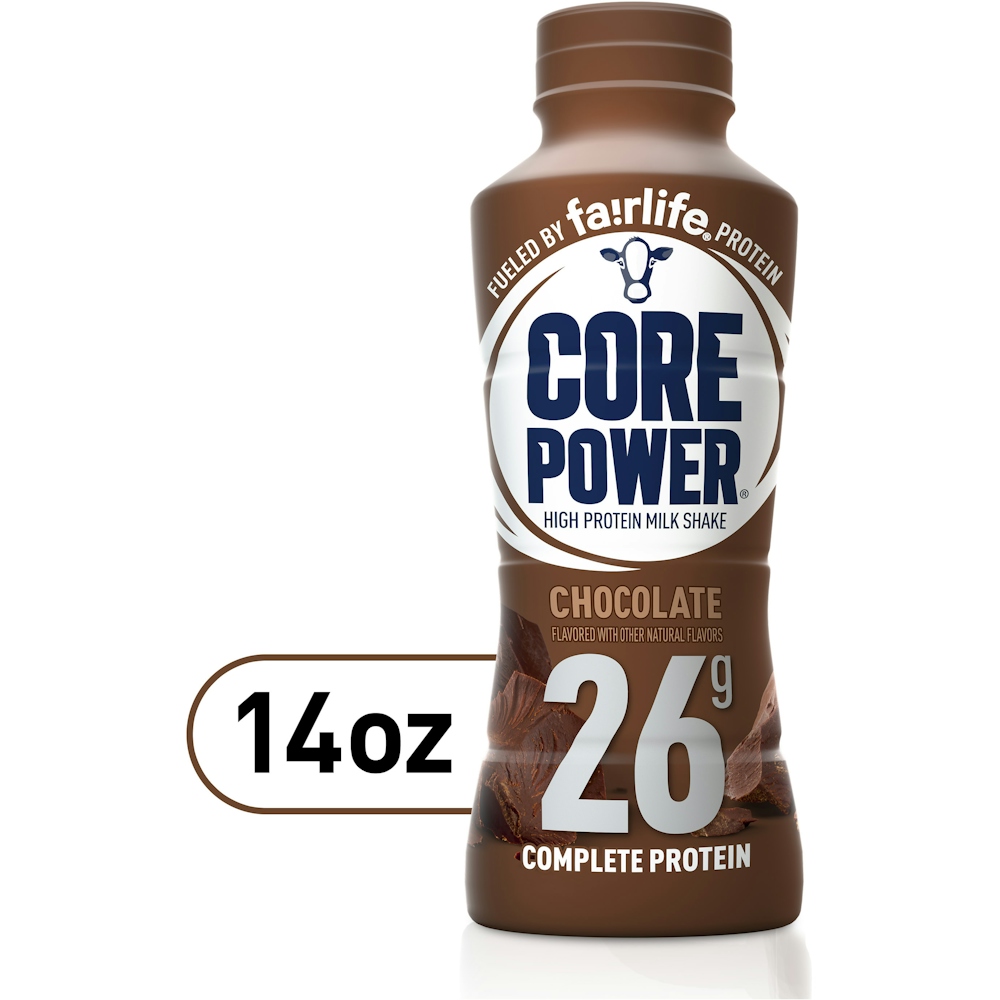
Core Power
Core Power Chocolate High Protein Milk Shake 14 Fl Oz
Analysis by Aurascan. The app shows the full breakdown and its sources.
Which Emulsifiers and Stabilizers Appear on Grocery Labels?
Food processors draw from a wide spectrum of emulsifiers, dough conditioners, and hydrocolloid gums. These range from naturally derived plant fractions to highly refined synthetic compounds.
Lecithin (Soy, Sunflower, and Canola)
Lecithin is a naturally occurring mixture of phospholipids and glycolipids extracted primarily from soybeans, sunflower seeds, or egg yolks. According to the PubChem database entry, commercial lecithin primarily consists of phosphatidylcholine alongside related phosphatides. As one of the oldest and gentlest commercial emulsifiers, lecithin blends chocolate, keeps baked goods tender, and assists instant drink powders in dissolving. Sunflower lecithin is frequently used when brands want to avoid common soy allergens. For an in-depth breakdown of this ingredient, read our guide on soy lecithin.
Mono- and Diglycerides of Fatty Acids
Mono- and diglycerides are derived from plant or animal fats through transesterification. Because they do not consist of complete triglycerides, US labeling rules classify them separately from standard dietary fats on the Nutrition Facts panel. They are ubiquitous in packaged sandwich bread, frozen desserts, shortening, and peanut butter to maintain softness and halt oil separation.
Polysorbate 80 and Polysorbate 60
Polysorbates are synthetic non-ionic surfactants produced by reacting sorbitol with ethylene oxide and fatty acids. Under federal standards codified in 21 CFR § 172.840, polysorbate 80 has specific maximum use limits, such as an allowance not to exceed 0.1% in frozen custard and ice cream. Polysorbate 80 (polyoxyethylene-20-sorbitan monooleate) is an effective solubilizer often used in ice cream to keep dairy proteins from coating fat droplets completely, creating a creamy mouthfeel. Polysorbate 60 performs similar stabilization in cake batters, icings, and artificial creamers. You can examine this synthetic surfactant further in our review of polysorbate 80.
DATEM and Sodium Stearoyl Lactylate
Diacetyl tartaric acid esters of mono- and diglycerides (DATEM) and sodium stearoyl lactylate (SSL) are specialized dough conditioners. They strengthen gluten networks in commercial bakery manufacturing, allowing bread dough to withstand high-speed automated mixers and achieve higher loaf volume with a uniform crumb.
Carboxymethylcellulose (Cellulose Gum) and Cellulose Gel
Carboxymethylcellulose (CMC), often listed as cellulose gum, is a chemically modified wood pulp or cotton derivative. It binds large amounts of water to add viscosity, simulate richness in low-fat dairy items, and prevent ice crystals in frozen novelties. Cellulose gel (microcrystalline cellulose) is insoluble and provides physical body and opacity to sauces and dressings. Explore the full clinical safety research in our review on carboxymethylcellulose.
Carrageenan
Carrageenan is a family of sulfated polysaccharides extracted from red seaweeds. It interacts strongly with milk proteins (casein), making it standard in dairy and plant-based milks, cottage cheese, and deli meats to prevent phase separation and provide a gel-like mouthfeel. For research on gastrointestinal permeability and regulatory updates, see our review on carrageenan.
Stabilizing Gums: Thickeners That Assist Emulsions
While technically thickeners and hydrocolloids rather than true surfactant emulsifiers, several plant and microbial gums perform identical functional stabilization by dramatically increasing the viscosity of the water phase:
Xanthan gum: Produced via fermentation by Xanthomonas campestris, it stabilizes suspensions in salad dressings and gluten-free baking. Read more in our focused review on xanthan gum.
Guar gum: Milled from guar beans, widely used in sauces and cold preparations.
Locust bean gum (carob gum): Extracted from carob seeds, requires heat to hydrate, excels in cream cheese and ice cream.
Tara gum: Sourced from the tara tree, offering properties intermediate between guar and locust bean gum.
Gellan gum: A bacterial exopolysaccharide that creates delicate fluid gels in fortified non-dairy plant milks.
Gum acacia (gum arabic): Harvested from acacia tree sap, historically valued for stabilizing flavor oils in carbonated beverages.
Where Do Emulsifiers Hide on US Ingredient Labels?
Under US Food and Drug Administration (FDA) regulations, ingredients must be listed in descending order of predominance by weight. Because emulsifiers and hydrocolloids are functional at low concentrations, they typically appear near the bottom of the deck, frequently nestled inside a "Contains 2 percent or less of." declaration.
When scanning an ingredient deck, look for distinct structural positions:
Direct emulsifier tail: Placed at the end of dairy or beverage formulations (e.g., "dipotassium phosphate, gellan gum, sunflower lecithin").
Component listings: Tucked inside parentheses of compound ingredients, such as a chocolate coating ("chocolate [sugar, chocolate liquor, cocoa butter, soy lecithin, vanilla]").
Dough conditioner blocks: Listed inside standard white or wheat bread ingredient panels (e.g., "contains 2% or less of: monoglycerides, DATEM, calcium propionate"). To understand how these pair with shelf-life extenders, review our guide on Preservatives on Ingredient Lists Explained: Benzoate to BHA.
If you inspect imported items or shop international grocers, you will see alphanumeric codes instead of full common names. Familiarizing yourself with E Numbers Explained: The EU Code for US Additives helps translate codes like E322 (lecithins) or E433 (polysorbate 80).
Quiz
Is Tillamook Chocolate Chip Cookie Dough clean?
Guess before you scroll.
Reveal Aurascan's verdict
Aurascan says: Flagged
The main flag is CREAM.
What Does Clinical and Cohort Research Show About Gut Health?
Over the past decade, academic researchers have evaluated how synthetic and industrial emulsifiers interact with the intestinal mucus barrier, gut microbiota, and inflammatory signaling pathways.
Animal Models and Mucus Degradation
Beginning with landmark research led by Dr. Benoit Chassaing in 2015, rodent models demonstrated that high dietary exposure to synthetic surfactants, specifically carboxymethylcellulose (CMC) and polysorbate 80, reduced the thickness of the protective inner colonic mucus layer. Later work showed the additives can also alter bacterial gene expression toward pro-inflammatory flagellin production; a 2019 review introducing the UK FADiets study summarises this animal evidence and why human trials were needed. This physical thinning allowed commensal bacteria to encroach closer to the epithelial cells lining the gut wall, triggering low-grade chronic intestinal inflammation and metabolic alterations in genetically susceptible mice.
The 2022 Controlled Human Trial on CMC
In 2022, Chassaing and colleagues published a controlled-feeding study in Gastroenterology examining 16 healthy adults housed in an inpatient clinical research unit. Participants consumed an identical diet with or without 15 grams per day of carboxymethylcellulose. The CMC group experienced subtle microbiota perturbations, notable reductions in beneficial short-chain fatty acids (SCFAs), and specific microbiome encroachment into the mucus layer in a subset of subjects, establishing preliminary human biological plausibility.
The KU Leuven Five-Emulsifier Trial
A clinical trial conducted at KU Leuven, published in Clinical Gastroenterology and Hepatology (online August 2025, print volume 24 issue 4, 2026), evaluated 60 healthy adults across a broader panel of additives. Participants underwent a two-week emulsifier-free run-in period followed by four weeks consuming brownies containing carboxymethylcellulose, polysorbate 80, carrageenan, soy lecithin, native rice starch, or an additive-free placebo.
The findings provided nuanced, measured results:
Systemic inflammation remained unchanged: There were no significant alterations in fecal calprotectin, C-reactive protein (CRP), lipopolysaccharide-binding protein (LBP), or metabolic markers across cohorts.
Microbiome diversity remained broadly stable across alpha-diversity indices.
Short-chain fatty acid concentrations declined significantly during CMC consumption, a downward trend mirrored non-significantly by the other synthetic emulsifiers.
Transcellular intestinal permeability increased from baseline specifically in the carrageenan group (P = .04).
Serum cholesterol concentrations dropped noticeably across all participants during the two-week emulsifier-free run-in phase.
The study authors concluded that these outcomes highlight potential intestinal benefits of limiting certain dietary emulsifiers, while explicitly emphasizing the need for larger, long-term human trials before issuing sweeping dietary prohibitions.
Observational Cohort Findings
Beyond controlled feeding trials, large epidemiological studies from the French NutriNet-Santé cohort have reported statistical associations between higher intakes of food additives and elevated long-term risks of cardiovascular disease, type 2 diabetes, and specific cancers. While these cohorts track tens of thousands of participants over multiple years, observational analyses carry inherent limitations: they rely on self-reported dietary recalls and cannot separate emulsifier exposure from overall ultra-processed food intake, meaning current evidence cannot establish direct cause and effect between normal emulsifier consumption and human disease.
How Do Global Regulators View Food Emulsifier Safety?
As of September 2026, no material regulatory changes, bans, or formal restrictions have been enacted for common food emulsifiers ranging from lecithin to polysorbate 80, with both the U.S. Food and Drug Administration (FDA) and the European Food Safety Authority (EFSA) maintaining their existing approvals and safety determinations.
In the United States, ingredients like lecithin, mono- and diglycerides, and standard hydrocolloid gums are classified as Generally Recognized as Safe (GRAS) under specific conditions of intended use, while polysorbate 80 is authorized as an approved direct food additive governed by Title 21 of the Code of Federal Regulations (21 CFR § 172.840).
In the European Union, the European Food Safety Authority regularly re-evaluates authorized food additives (assigning E numbers such as E322 for lecithin, E407 for carrageenan, E433 for polysorbate 80, E466 for sodium carboxymethylcellulose, and E471 for mono- and diglycerides). While EFSA re-evaluations have upheld market safety approvals, EU rules prohibit carrageenan (E407) in infant formula and follow-on formulas due to precautionary concerns regarding gastrointestinal permeability in developing infants.
What Are Practical Label Swaps for Clean Formulations?
Navigating food labels does not require eliminating packaged foods entirely. Rather, consumers can prioritize products stabilized with culinary ingredients or single, gently processed plant extracts.
Extra virgin olive oil, vinegar, mustard seed, egg yolk, sea salt
In the packaged beverage aisle, products frequently combine synthetic thickeners to keep milk proteins and cocoa in solution. To see how a mainstream ready-to-drink milk beverage formulates its stabilizer profile, examine our Core Power spotlight.
In frozen desserts, commercial formulations often use mono- and diglycerides and polysorbate 80 to prevent crystal growth during thawing and refreezing. Conversely, traditional ice creams rely on classic egg-yolk emulsion to deliver a creamy texture without synthetic surfactants, as seen in our Häagen-Dazs Chocolate spotlight.
Sodium benzoate, potassium sorbate, sulfites, nitrite, BHA, BHT, TBHQ, EDTA and the antioxidants: what each does, how US rules treat it, and how to spot it on a label.
E330 in Britain is citric acid in America. What the E ranges mean, why the US uses common names instead, and a translation table for the additives you actually meet.
Descending weight order, the 2 percent rule, the nine major allergens, natural flavors, certified vs exempt colours and the 5/20 rule on the Nutrition Facts panel.
Per half pizza, Milton's Margherita Four Cheese has 870 mg sodium and 20 g protein; Caulipower Margherita has 590 mg and 13 g. Both crusts use rice flour.
Once Upon a Farm's apple-sweet potato-blueberry pouch: 7 g sugar per 91 g. Little Spoon's sweet potato-blueberry-apple blend: 9 g per 113 g. Both 0 g added sugar.
Gorton's crunchy sticks list Alaskan pollock fillets, 430 mg sodium per 4 sticks; Van de Kamp's list minced pollock, 440 mg per 6 sticks. Labels compared.
Both unflavored powders are 5 g creatine monohydrate, nothing else listed. Thorne is NSF Certified for Sport; Optimum Nutrition says banned substance tested.
Yuka weighs nutrition 60%, additives 30%, organic 10%. Bobby Approved checks over 100 flagged ingredients. Here's how each app grades food, and how Aurascan differs.
Per 1 tsp, Frank's RedHot Original lists 190 mg sodium (8% DV) and Tabasco Original Red lists 35 mg. Ingredients, heat and what the %DV means, compared.
Most Eggland's Best eggs make feed and nutrient claims; only its Pasture Raised line is Certified Humane pasture-raised like Vital Farms. USDA rules and per-egg numbers.
Bush's Original lists brown sugar and cured bacon; B&M Original uses sugar, molasses and pork fat. Both 11g added sugar per 1/2 cup; sodium 570mg vs 390mg.
Both list 1.5 g saturated fat per tablespoon. Primal Kitchen has 100 calories per 14 g; Hellmann's has 90 per 13 g. The labels differ on oil, sugar and EDTA.
No. ICBINB Original and Country Crock Original are vegetable-oil spreads with 6g fat per tbsp, below the 80% fat set for butter and margarine. Labels compared.
Neither Silk Unsweet nor Almond Breeze Unsweetened Original lists carrageenan; both use gellan gum. Silk adds sunflower oil; sodium is 140 mg vs 170 mg.
FDA now lets 139 standardized foods, like cheddar, bread and ketchup, swap salt for substitutes such as potassium chloride. The rule takes effect December 14, 2026.
Sprite lists no salt but two sodium compounds. How MSG, baking soda, sodium citrate and sodium benzoate show up on 6 scanned labels, and what FDA says.
Both start with milk. Fage lists 2 ingredients, Core Power lists 13. We compare cultures vs lactase, four sweeteners, gums and what the US yogurt rule says.
Juice, concentrate, pulp, fig paste and monk fruit: how Dole, Fresca, Friendly's, Nature's Bakery and Core Power use fruit, and what FDA rules require.
In 6,531 US adults followed ~17 years, waist-to-height ratio and IL-6 statistically explained about 47% of the ultra-processed food and heart disease link.
Sprite, Fresca, Monster, Stacy's, Tillamook and Nature's Bakery add words like (to protect taste) or (for color). What FDA requires and what it leaves open.
Both list dried potatoes first. We compare oils, sugars, emulsifiers and the plant-derived colors (annatto vs paprika) in Baked Lay's and Pringles Hot Honey.
SkinnyPop lists three ingredients; Stacy's Parmesan pita chips list far more. We compare oils, 'and/or' wording, enriched flour and the two antioxidants.
A 14-country study found the updated Nutri-Score grades foods consistently across Europe, with gaps for pasta and rice. What it means for label readers.
AB 2244, signed Sept. 28, sets up a voluntary state seal for foods that pass California's ultra-processed test. Who certifies, what's excluded, and when it starts.
An FDA letter posted Sept. 29 says 'Anti-Cancer' goji berries and blood-pressure claims on cacao turn foods into unapproved drugs. How to spot claims that cross the line.
Guar, carob bean, tara, xanthan, acacia, cellulose gum, carrageenan: which gums 6 scanned ice creams and drinks use, and what EFSA concluded about each.
Whey shows up in chips, ice cream bars and protein powders. What the FDA says it is, why it signals milk and lactose, and which scanned labels list it.
Those chemical-sounding names on energy drinks, juice and chips are mostly vitamins. What each one is, why it's added, and when 'fortified' needs a second look.
Which oils the term covers, what the "vegetable oil (one or more of)" hedge hides, what the evidence actually supports, and where FDA rules and the 2026 guidelines stand.