
Guides · October 1, 2026 · 8 min read
Food Gums on 6 Scanned Labels: From Five Thickeners to Zero
Guar, carob bean, tara, xanthan, acacia, cellulose gum, carrageenan: which gums 6 scanned ice creams and drinks use, and what EFSA concluded about each.
By Chris Carrillo · Reviewed by Armin Rad, Co-Founder & CTO, Aurascan · October 1, 2026
Every article is checked against primary sources before publication. How we review
Food gums are thickeners and stabilizers that keep foods creamy and stop them from separating. In the US, guar, locust (carob) bean, acacia and cellulose gum are GRAS substances, xanthan and carrageenan are approved food additives, and EFSA has re-evaluated all seven gums covered here. Across six scanned labels, the count runs from five gums and thickeners down to zero. Individual tolerance varies, because these fibers are fermented by gut bacteria rather than digested.
Key takeaways:
- Food gums come from seeds (guar, locust/carob bean, tara), fermentation (xanthan), tree sap (acacia), seaweed (carrageenan) and plant cellulose (cellulose gum).
- Many labels stack several gums; brands do not disclose how much of each they use or why.
- EFSA saw no need for a numerical ADI for guar, locust bean, tara, xanthan, acacia or the celluloses, but called carrageenan's 75 mg/kg ADI temporary. In the US, carrageenan is a food additive under 21 CFR 172.620 rather than GRAS.
- Non-digestible fibers can trigger mild digestive discomfort during bacterial fermentation in sensitive guts.
- One of the six labels, Häagen-Dazs Vanilla Bean, lists no gums at all.
Selection criteria for this roundup: We picked six products from different aisles (ice cream bars, pints, a protein powder, a protein shake and a soda) and ordered them from the most gums and thickeners to none. Ingredient lists come from Open Food Facts; current retail labels may differ, so check the package.
Gums are plant, microbial or seaweed extracts used to adjust texture, bind water and keep ingredients from separating. They usually sit near the end of an ingredient list, often several in a row. For how they show up across frozen desserts, see Ice Cream Labels Scanned.
1. Friendly's Orange Cream Ice Cream Bars: 5 Gums and Thickeners
What it is: Friendly's Orange Cream bars list five distinct thickeners and gelling agents: guar gum, carob bean gum, cellulose gum, carrageenan, and pectin, alongside mono and diglycerides.
Why it made the list: It lists the most gums and thickeners of the six; Friendly's does not say why it uses each one. Under U.S. regulations, guar gum 21 CFR 184.1339 is Generally Recognized as Safe (GRAS) and derived from the seed of the guar plant (Cyamopsis tetragonoloba). EFSA's guar gum re-evaluation found it is practically undigested but fermented by gut bacteria, and raised no safety concern for the general population. For a deeper look at this botanical fiber, see our guide on Guar Gum: The Seed Fiber Thickening Your Food. Locust bean gum, also codified as carob bean gum under 21 CFR 184.1343, is obtained mainly from the seed endosperm of the carob tree (Ceratonia siliqua). Under 21 CFR 172.620, carrageenan is regulated as a direct food additive, not GRAS, functioning as an approved emulsifier, stabilizer, and thickener extracted from red seaweed.
What to look for on the label: Check the stabilizer blend toward the tail end of the ingredients text. Here, four gums plus pectin sit at the tail of the list, alongside mono and diglycerides.
Roundup
6 scanned labels, ranked by gum count
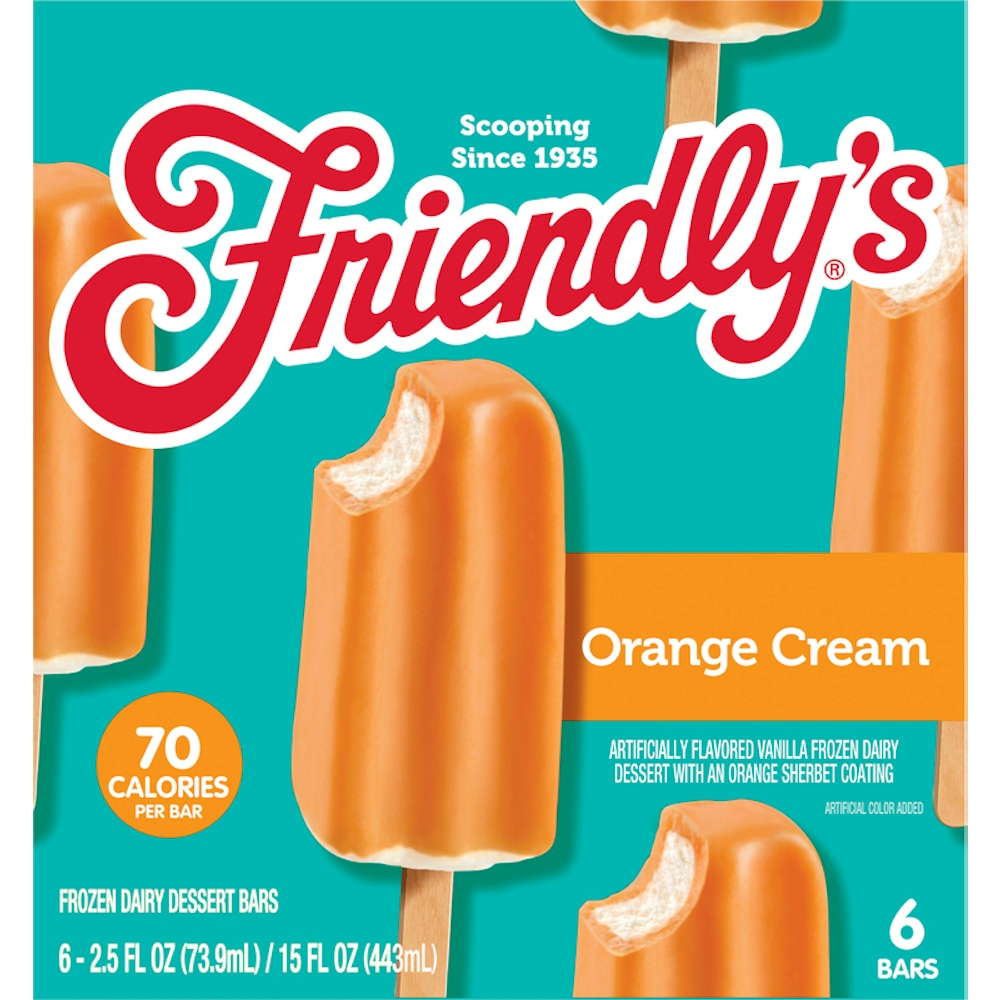
Friendly's
Friendly's Ice Cream Bars, Orange Creme
Analysis by Aurascan. The app shows the full breakdown and its sources.
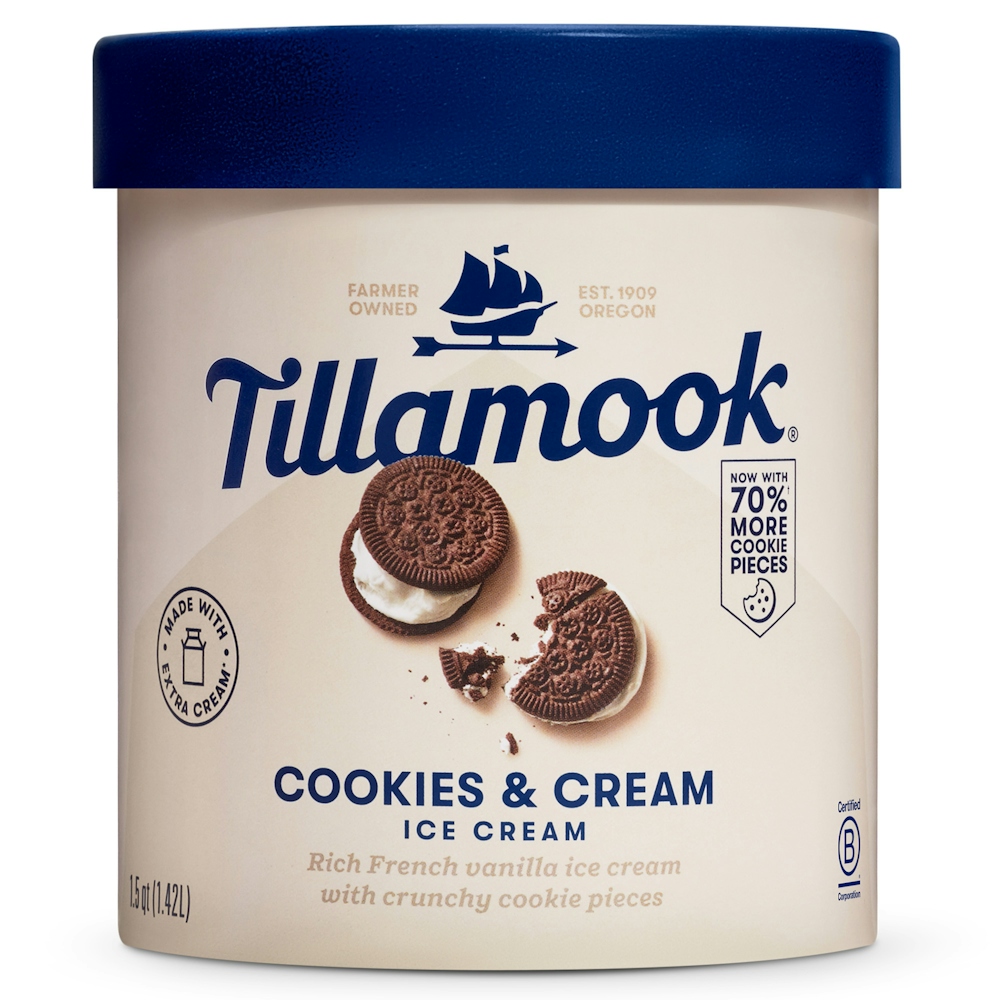
Tillamook
Tillamook Cookies And Cream Ice Cream, 48fl-oz
Analysis by Aurascan. The app shows the full breakdown and its sources.
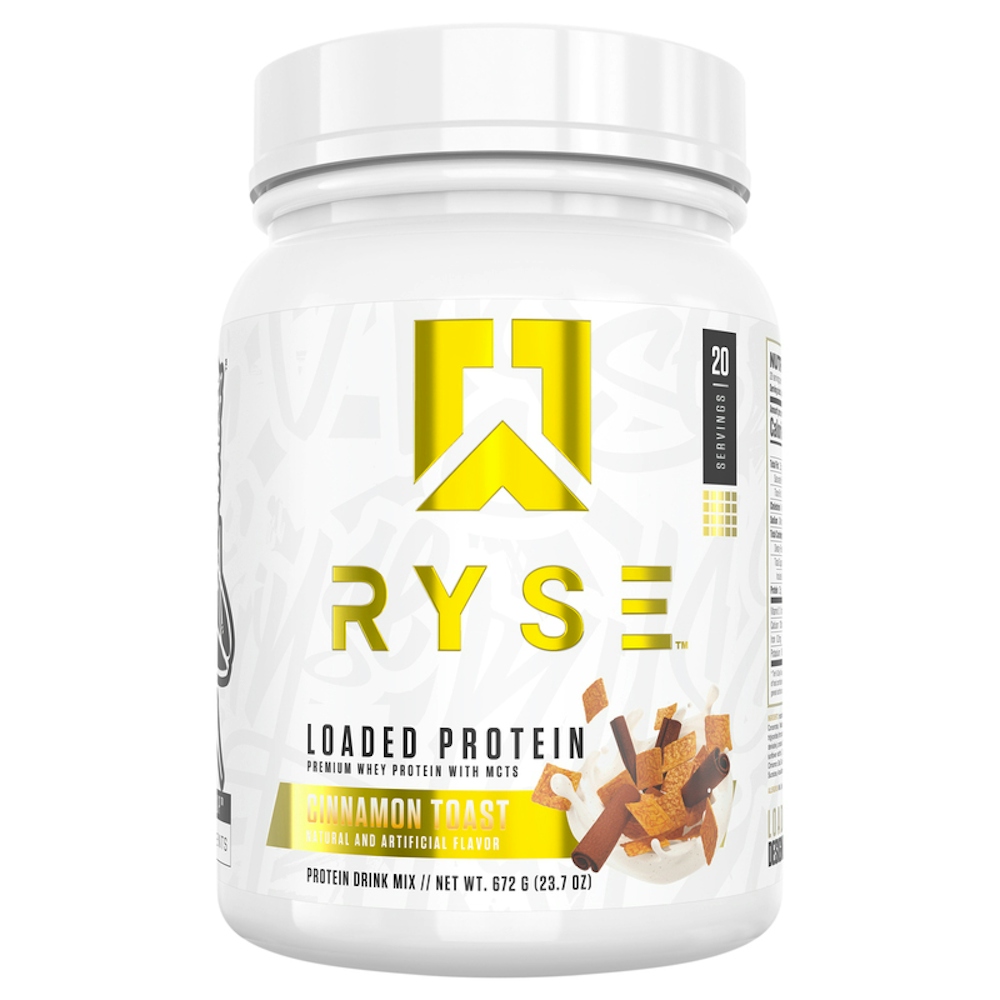
Ryse
Ryse Protein Drink Mix, Cinnamon Toast, Loaded Protein, 23.7 Ounce
Analysis by Aurascan. The app shows the full breakdown and its sources.
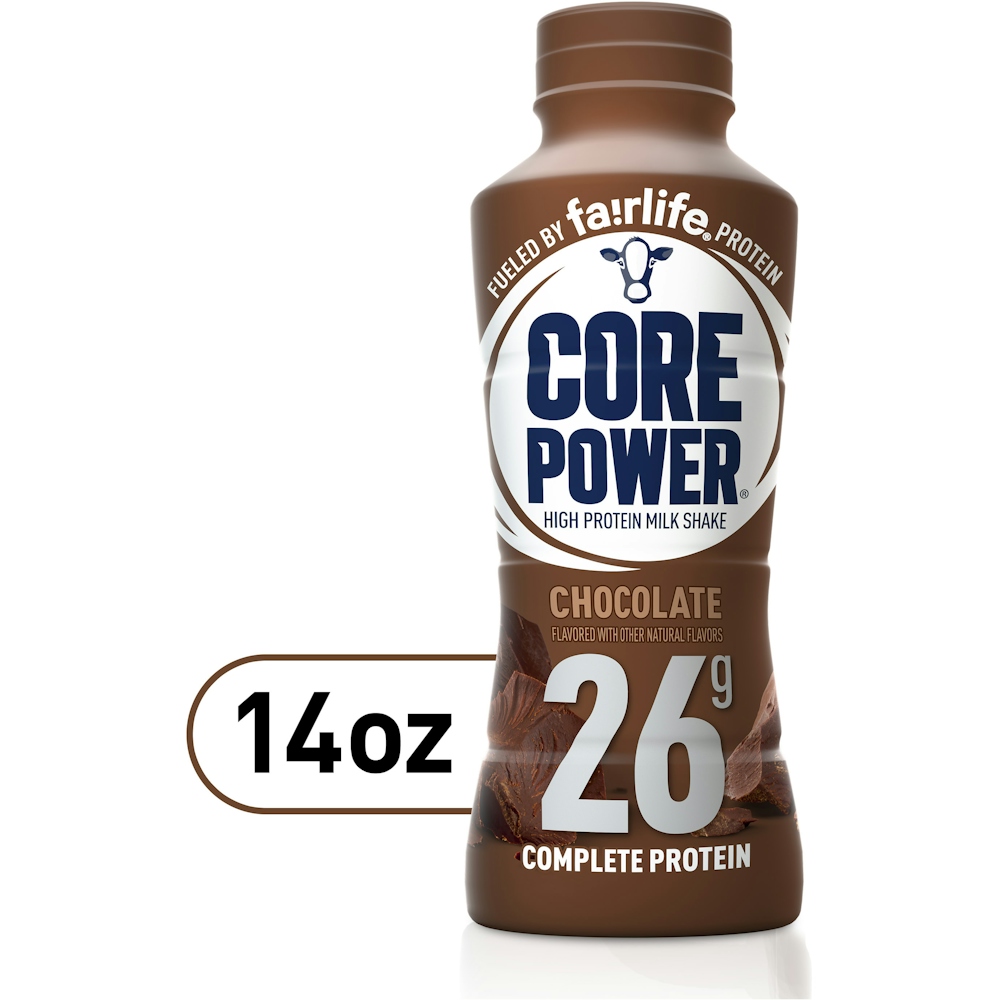
Core Power
Core Power Chocolate High Protein Milk Shake 14 Fl Oz
Analysis by Aurascan. The app shows the full breakdown and its sources.
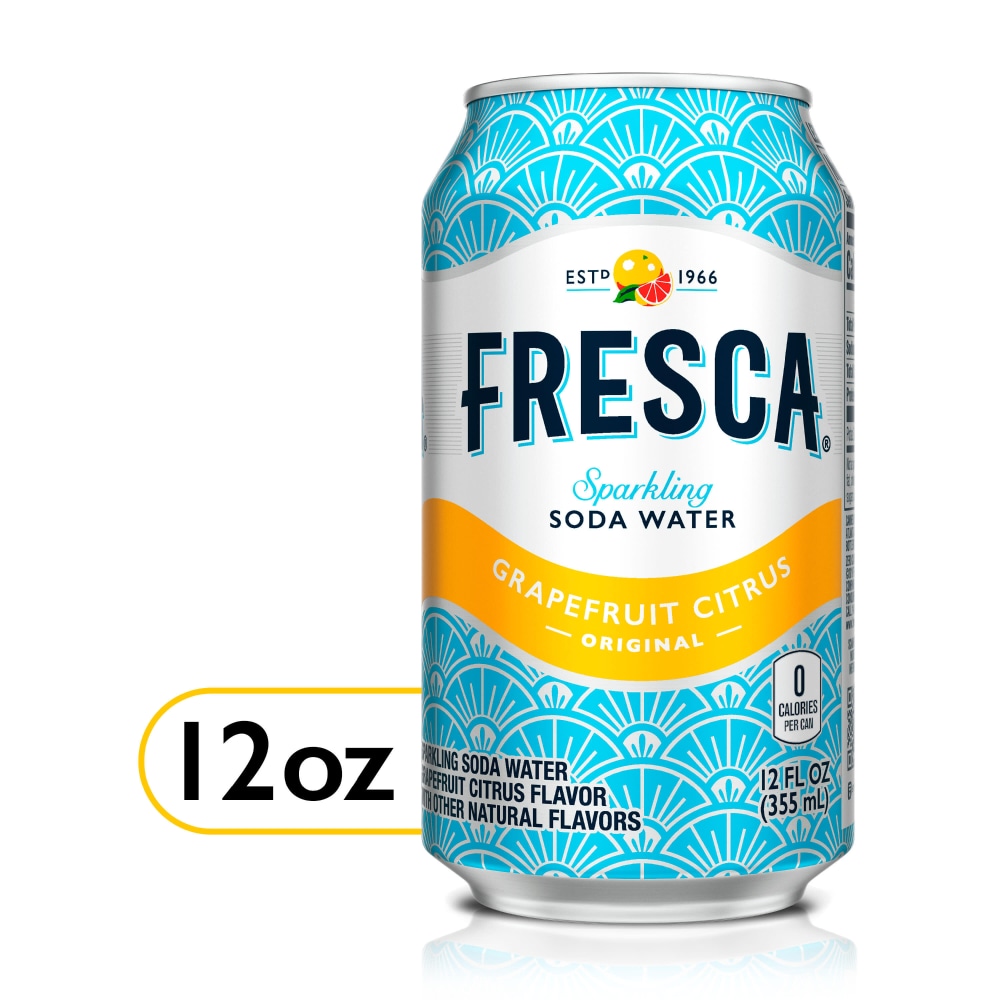
Fresca
Fresca Grapefruit Citrus Sparkling Soda Water
Analysis by Aurascan. The app shows the full breakdown and its sources.

Haagen-Dazs
Haagen-Dazs Ice Cream, Vanilla Bean 14 Fl Oz
Analysis by Aurascan. The app shows the full breakdown and its sources.
2. Tillamook Cookies and Cream: 4 Seed and Fermented Gums
What it is: Tillamook Cookies and Cream lists four gums: guar gum, tara gum, xanthan gum, and locust bean gum, alongside soy lecithin and baking soda.
Why it made the list: It pairs three seed gums with one made by fermentation; Tillamook does not say why it uses each. Tara gum comes from the seeds of Caesalpinia spinosa. In its tara gum re-evaluation, the European Food Safety Authority (EFSA) noted earlier ADIs of "not specified", saw no need for a numerical ADI, and found no safety concern at reported uses. Xanthan gum, regulated under 21 CFR 172.695, is a polysaccharide produced via pure-culture fermentation of Xanthomonas campestris. EFSA's xanthan gum re-evaluation noted that adults took up to 214 mg/kg body weight per day for ten days; it was well tolerated, though some had abdominal discomfort, which EFSA called undesirable but not adverse.
What to look for on the label: Look for tara gum and xanthan gum appearing immediately beside guar and locust bean gum.
3. Ryse Loaded Protein Cinnamon Toast: 4 Gums
What it is: A whey protein powder whose label lists four gums in two places: gum acacia within the MCT Oil Powder, and a distinct Gum Blend consisting of cellulose gum, xanthan gum, and carrageenan.
Why it made the list: It shows gums hiding inside sub-ingredients, not just in the main list. Ryse does not say why it uses each one. Gum acacia (gum arabic) is regulated under 21 CFR 184.1330 as a dried gummy exudate from Acacia trees. EFSA's acacia gum re-evaluation found intakes up to 30,000 mg per person per day for up to 18 days were well tolerated in adults, with some flatulence. Sodium carboxymethylcellulose (cellulose gum) is recognized under 21 CFR 182.1745 as GRAS. EFSA's celluloses re-evaluation found they are not absorbed and are excreted intact, and saw no need for a numerical ADI.
What to look for on the label: Look for grouped parenthetical phrases like Gum Blend or carrier listings such as MCT Oil Powder (Medium Chain Triglycerides, Gum Acacia), which signal dispersed stabilizing agents.
4. Core Power Chocolate: Carrageenan Plus Cellulose
What it is: A high-protein chocolate milk shake whose label lists carrageenan, cellulose gel and cellulose gum.
Why it made the list: The label does not say which cellulose form "cellulose gel" is, or why each thickener is used. EFSA's carrageenan re-evaluation found carrageenan is not absorbed intact and raised no carcinogenicity or genotoxicity concern, but because of uncertainties it said the group ADI of 75 mg/kg body weight per day should be considered temporary while the data are improved. In the US, carrageenan is a food additive under 21 CFR 172.620.
Clinical trials have also examined carboxymethylcellulose in controlled settings. A double-blind controlled-feeding study published in Gastroenterology (Chassaing et al. 2022) fed healthy adults an emulsifier-free diet versus the same diet supplemented with 15 g per day of CMC (9 versus 7 people, for 11 days). The researchers found that 15 g per day modestly increased postprandial abdominal discomfort, reduced gut microbiota diversity, lowered fecal short-chain fatty acids, and in two people on CMC, gut microbes moved into the inner mucus layer. 15 g a day is a research dose, not what one product contains.
What to look for on the label: Look for carrageenan paired directly with cellulose gel and cellulose gum next to the sweeteners near the end of the list.
Quiz
Tillamook Cookies and Cream lists four gums, Haagen-Dazs Vanilla Bean lists none. Which pint goes in your cart?
Guess before you scroll.
Reveal Aurascan's verdict
Aurascan says: It's a tie
5. Fresca: 2 Gums in a Clear Soda
What it is: Fresca, a zero-sugar citrus soda, lists two plant gums: acacia gum and carob bean gum, listed alongside potassium sorbate and glycerol ester of rosin.
Why it made the list: It shows gums turning up in a clear soda, not just in creamy foods. Coca-Cola does not say why Fresca uses each one; in citrus drinks, acacia gum and glycerol ester of rosin are commonly used to keep flavor oils from separating. For more on that job, see Emulsifiers on Ingredient Lists Explained: Lecithin to Polysorbate 80. EFSA's locust bean gum re-evaluation saw no need for a numerical ADI and no safety concern for the general population.
What to look for on the label: In clear sodas and flavored sparkling waters, look for acacia gum, carob bean gum and glycerol ester of rosin toward the end of the list.
6. Häagen-Dazs Vanilla Bean: Zero Gums
What it is: Häagen-Dazs Vanilla Bean lists no gums, thickeners or stabilizers. Its ingredient list is short: cream, skim milk, cane sugar, egg yolks, ground vanilla beans, and vanilla extract.
Why it made the list: It shows a pint can be made without added gums. Its list relies on cream, milk, sugar and egg yolks; Häagen-Dazs does not say how it gets its texture.
What to look for on the label: When seeking stabilizer-free frozen desserts, look for very short ingredient panels featuring cream, milk, sugar, and egg yolks, without terms like guar, carob, xanthan, carrageenan, or cellulose.
How to Use This List to Decode Food Thickeners on Any Label
When shopping for packaged groceries, understanding why food gums appear helps you make informed choices based on personal digestive comfort and culinary preferences:
- Look near the end of the list: gums are used in small amounts, so they tend to appear toward the end (brands do not disclose how much).
- Identify the source class: Determine whether the thickener is a seed extract (guar, locust/carob bean, tara), a microbial ferment (xanthan), an exudate (acacia), a seaweed extract (carrageenan), or a modified plant structural fiber (cellulose gum).
- Evaluate digestive comfort: Because humans lack the digestive enzymes to break down these complex polysaccharides, they pass into the colon where resident microbes ferment them. If you experience bloating or gas from high-fiber foods, checking for stacked gums can be helpful.
- Check whole-food alternatives: If you prefer to avoid industrial thickeners, look for traditional recipes that use eggs, whole starches, or natural dairy fats to create body.
Scientific evidence has clear limitations: nutritional studies cannot predict how every individual gut microbiome will react to specific gum combinations, and clinical feeding trials often test isolated doses far higher than the small amounts found in packaged foods. Exact amounts of thickeners are not disclosed on retail labels. To see each gum on a label explained one by one, scan the product with the Aurascan app.
Try Aurascan
See what is really in the food you buy.
Quiz
Friendly's Orange Cream bars list guar, carob bean gum, cellulose gum, carrageenan and pectin. Keep or pass?
Guess before you scroll.
Reveal Aurascan's verdict
Aurascan says: Flagged
The main flag is Sugar.
Common questions
- Is carrageenan classified as GRAS by the FDA?
- No. Carrageenan is regulated by the FDA under 21 CFR 172.620 as an approved direct food additive, rather than having a Generally Recognized as Safe (GRAS) classification.
- Are food gums and thickeners safe for long-term consumption?
- EFSA re-evaluated these gums and raised no safety concern for the general population, though it called carrageenan's ADI temporary while better data are gathered. In the US they are GRAS substances or approved food additives.
- Can food thickeners cause gas or bloating?
- Yes, in sensitive individuals. Because human digestive enzymes cannot break down complex polysaccharides like guar gum, xanthan gum, or acacia, they travel to the colon intact where gut bacteria ferment them, occasionally producing gas, flatulence, and mild abdominal discomfort.
- Are locust bean gum and carob bean gum different ingredients?
- No, locust bean gum and carob bean gum are identical. Both terms refer mainly to the macerated endosperm of the seeds of the carob tree (Ceratonia siliqua), codified under U.S. regulation 21 CFR 184.1343.
- Why does soda contain acacia gum or carob bean gum?
- Brands do not say. In citrus drinks, acacia gum is commonly used to help keep flavor oils from separating.
- How can ice cream be made without any gums or stabilizers?
- Some pints simply leave them out. Häagen-Dazs Vanilla Bean, for example, lists only cream, skim milk, cane sugar, egg yolks, ground vanilla beans and vanilla extract.
Sources
- Re-evaluation of guar gum (E 412) as a food additive (pmc.ncbi.nlm.nih.gov)
- Re-evaluation of locust bean gum (E 410) as a food additive (pmc.ncbi.nlm.nih.gov)
- Re-evaluation of tara gum (E 417) as a food additive (pmc.ncbi.nlm.nih.gov)
- Re-evaluation of xanthan gum (E 415) as a food additive (pmc.ncbi.nlm.nih.gov)
- Re-evaluation of acacia gum (E 414) as a food additive (pmc.ncbi.nlm.nih.gov)
- Re-evaluation of carrageenan (E 407) and processed Eucheuma seaweed (E 407a) as food additives (pmc.ncbi.nlm.nih.gov)
- Re-evaluation of celluloses E 460-E 469 as food additives (pmc.ncbi.nlm.nih.gov)
- Randomized Controlled-Feeding Study of Dietary Emulsifier Carboxymethylcellulose on the Gut Microbiota (doi.org)
- 21 CFR 172.620 - Carrageenan (ecfr.gov)
- 21 CFR 184.1339 - Guar gum (ecfr.gov)
In this series
Guide
Niacinamide, Cyanocobalamin: Vitamin Names on Labels DecodedGuide
Mono- and Diglycerides: Hidden Trans Fat or Harmless Emulsifier?Guide
Guar Gum: The Seed Fiber Thickening Your FoodGuide
Emulsifiers on Ingredient Lists Explained: Lecithin to Polysorbate 80Guide
Preservatives on Ingredient Lists Explained: Benzoate to BHAGuide
Seed Oils on a Label: What It Tells You, What It Doesn't
Related guides
Guides
Sodium Beyond Salt: 6 Scanned Labels With Sodium AdditivesSprite lists no salt but two sodium compounds. How MSG, baking soda, sodium citrate and sodium benzoate show up on 6 scanned labels, and what FDA says.
Comparisons
Gatorade vs Powerade: Sugar, Sodium and ElectrolytesPer 12 fl oz Powerade lists 240mg sodium and 80mg potassium; Gatorade 160mg and 50mg. Compare sugars, HFCS vs sugar and dextrose, dyes and additives.
Comparisons
Chobani vs Fage Greek Yogurt: Protein, Sugar and CulturesChobani Nonfat Plain vs Fage Total 0% Greek yogurt: protein per 3/4 cup, sugar, sodium, live cultures and the one-line ingredient lists compared.
Try it on your own groceries
Scan your next label with Aurascan
Point the camera at any ingredient list and get the same evidence-graded read you see here.
Open the scannerGet food recall alerts + a weekly digest
An email when a food recall is announced, plus one weekly roundup of label news and new guides.
We email a confirmation link first - nothing is sent until you click it. Unsubscribe anytime. Privacy