
Guides · September 18, 2026 · Updated September 21, 2026 · 9 min read
Seed Oils on a Label: What It Tells You, What It Doesn't
Which oils the term covers, what the "vegetable oil (one or more of)" hedge hides, what the evidence actually supports, and where FDA rules and the 2026 guidelines stand.
By Chris Carrillo · Reviewed by Armin Rad, Co-Founder & CTO, Aurascan · September 21, 2026
Every article is checked against primary sources before publication. How we review

TL;DR: Claim: Seed oils are toxic, universally inflammatory poisons across ordinary human diets. Verdict: It's complicated. Human trials show unsaturated seed oils lower LDL cholesterol without raising systemic inflammation when replacing saturated fat. Yet labels hide critical variables, including high-heat deodorization, solvent extraction, oxidation states, and interchangeable oil blending under regulatory loopholes.
Key takeaways:
- Federal regulations require brands to name the oil source but permit "contains one or more of" phrasing for minor fats, concealing which specific oil is in a given batch.
- Food labels never disclose industrial processing steps (such as solvent extraction, refining, or deodorization) or the oxidation and linoleic acid levels of the oil.
- Human clinical trials consistently show dietary unsaturated fatty acids from seed oils lower LDL cholesterol without increasing systemic inflammation, despite mechanistic and animal claims to the contrary.
- Policy remains split: while the FDA's updated "healthy" claim framework keeps a 20 percent saturated fat ceiling with a February 25, 2028 compliance date, the 2025-2030 Dietary Guidelines released in early 2026 and federal leadership advocate for traditional fats like olive oil and tallow.
Are Seed Oils Toxic Inflammatory Poisons Lurking on Every Label?
Over the past several years, seed oils have become the primary villain of modern wellness culture. Critics, biohackers, and several high-profile public health commentators argue that refined industrial vegetable oils are an evolutionary novelty that drives chronic inflammation, metabolic dysfunction, obesity, and heart disease. The narrative paints these oils as toxic machine lubricants that were never intended for human consumption.
The strongest version of this argument rests on two points. First, high temperatures and harsh industrial refining can produce lipid peroxides and degradation compounds. Second, the massive concentration of linoleic acid (an omega-6 polyunsaturated fatty acid) in modern packaged foods has radically altered our biological fatty acid ratios compared to pre-industrial diets. In the American food supply, soybean oil consumption alone rose more than 1,000-fold across the twentieth century, accounting for roughly 7 percent of daily total caloric intake.
Yet, when evaluated in controlled human feeding trials, the outcome rarely matches the most alarming claims, as detailed in reviews like Harvard Health's analysis of cooking oils. Major international health bodies continue to note that unsaturated plant oils reduce cardiovascular risk when replacing saturated animal fats. Understanding where reality lies requires peeling back the marketing, the political rhetoric, and the label itself.
Scan preview
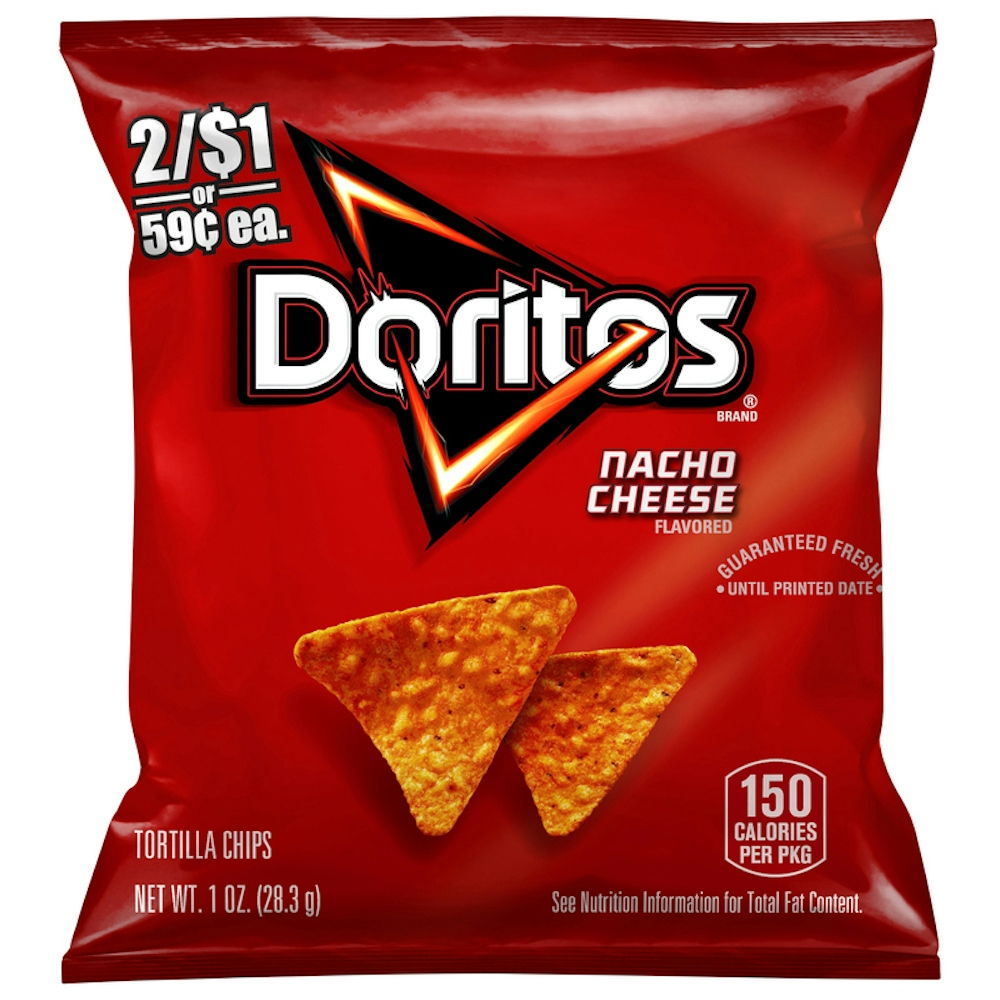
Doritos
Doritos Tortilla Chips Nacho Cheese Flavored - 1 Ounce
Vegetable Oil · Canola · Corn
Standout ingredient: Sunflower
Analysis by Aurascan. Sources are listed on the product page.
Which Oils Count as 'Seed Oils' and How They Appear on an Ingredient List
When critics speak of "seed oils," they generally refer to a collection of refined, bleached, and deodorized vegetable oils that dominate the packaged grocery supply chain. These typically include:
- Canola oil (derived from genetically modified or hybridized rapeseed)
- Soybean oil (the single most prevalent oil in the United States)
- Corn oil
- Sunflower oil
- Safflower oil
- Cottonseed oil
- Grapeseed oil
- Rice bran oil
Under Title 21 of the Code of Federal Regulations, specifically 21 CFR 101.4, the U.S. Food and Drug Administration (FDA) mandates that manufacturers identify fats and oils by their specific common or usual name. For example, a company cannot merely print "vegetable oil" as a primary ingredient; it must list "canola oil" or "soybean oil." To see how this looks in real packaged items, you can explore our breakdown on How to Read a Food Label: The Ingredient List, Line by Line.
However, a common label feature that frustrates shoppers is the placement of parentheses detailing modifications, such as "expeller pressed," "high oleic," or "hydrogenated." While hydrogenation status must be disclosed, most processing markers are entirely voluntary and used primarily for marketing.
Why Does the 'One or More of' Labeling Loophole Exist on Packages?
Many consumers examining baked snacks or frying oil blends will spot a peculiar phrasing: "canola, corn, soybean, and/or sunflower oil," or "contains one or more of the following: canola, cottonseed, or palm oil." This is known colloquially as the "one or more of" labeling hedge. As outlined in consumer educational guides on fats and oils on food labels, this language is legally permitted under strict regulatory conditions.
Under FDA regulation 21 CFR 101.4(b)(14), if a fat or oil does not constitute the predominant fat in a food, or if the manufacturer uses interchangeable fat blends due to commodity supply shifts, the brand is legally permitted to list alternative fats. This regulatory accommodation was designed to protect producers from having to reprint millions of packages every time agricultural commodity prices swing or a local shortage occurs.
For the conscious shopper, this creates a major blind spot. You may purchase the exact same brand of crackers twice in one month, yet one package contains high-oleic sunflower oil (rich in 80 percent monounsaturated oleic acid) while the subsequent batch contains conventional soybean oil (containing up to 55 percent polyunsaturated linoleic acid). If you are tracking specific fatty acid ratios or attempting to eliminate a specific crop for personal sensitivity, the ingredient deck provides no certainty.
Crucially, the ingredient list also does not tell the shopper how much oil is actually present in a single serving. While ingredients are arranged in descending order by weight, the deck provides zero percentages or gram breakdowns for individual oils. To determine the actual quantity of fat you are eating, you must turn away from the ingredient deck and examine the Nutrition Facts panel, which lists total fat, saturated fat, trans fat, and sometimes polyunsaturated and monounsaturated grams per serving.
Quiz
Is Tillamook Cookies and Cream clean?
Guess before you scroll.
Reveal Aurascan's verdict
Aurascan says: Flagged
The main flag is MILK.
What Industrial Processing Steps Does the Food Label Hide from Consumers?
The ingredient list provides a legal inventory of components, but it tells you almost nothing about how those components were handled. For seed oils, this processing journey is precisely what fuels consumer anxiety. The typical lifecycle of commercial seed oil involves:
- Solvent Extraction: Crushed seeds are washed with a chemical solvent, most commonly hexane, to extract maximum oil yields. The solvent is then evaporated off, leaving residual parts-per-million levels that fall well below current federal legal thresholds.
- Refining: The crude oil is treated with sodium hydroxide (caustic soda) or other alkaline agents to strip away free fatty acids, gums, and naturally occurring phosphatides.
- Bleaching: The oil passes through natural bleaching clays or activated carbon to filter out color pigments and trace oxidation residues.
- Deodorization: The fat undergoes high-heat steam distillation under a vacuum, often reaching 400 to 490 degrees Fahrenheit, to eliminate volatile odors and bitter flavors.
Federal labeling statutes do not require brands to indicate whether an oil was solvent-extracted or physically expeller-pressed, nor do they report oxidation markers like the peroxide value or anisidine value. In refined commercial oils, peroxide values are legally capped around 10 meq/kg at packaging, but when oils sit on shelves for months, or when industrial fryers reheat them repeatedly past 350 degrees Fahrenheit, secondary oxidation products can accumulate. The package label, however, will always simply read "canola oil."
Does the Linoleic Acid in Seed Oils Directly Trigger Systemic Inflammation?
The core biochemical argument against seed oils centers on linoleic acid (LA), an essential 18-carbon omega-6 polyunsaturated fatty acid. Mechanistic hypotheses propose that excess linoleic acid converts into arachidonic acid, which subsequently synthesizes pro-inflammatory eicosanoids such as prostaglandin E2 and leukotriene B4.
While this pathway functions in cell cultures and animal models, human randomized controlled trials consistently show that elevated dietary linoleic acid does not meaningfully raise tissue arachidonic acid concentrations or systemic inflammatory markers like C-reactive protein (CRP), interleukin-6 (IL-6), or tumor necrosis factor-alpha (TNF-alpha). The human body tightly regulates the enzymatic conversion (delta-6 desaturase) required to transform linoleic acid into arachidonic acid, converting less than 0.5 percent of dietary linoleic acid into arachidonic acid under typical metabolic conditions.
While ancestral human diets likely featured an omega-6 to omega-3 ratio closer to 1:1 or 4:1 compared to today's estimated 15:1 or 20:1, clinical evidence demonstrates that increasing omega-3 intake is beneficial, but actively avoiding omega-6 does not automatically lower systemic inflammation.
Evidence limitations exist: long-term, multi-decade clinical trials assessing whether isolated industrial seed oils behave differently in humans with underlying autoimmune disorders are sparse. Most available research compares seed oils against saturated fats rather than cold-pressed fruit oils like extra virgin olive oil or avocado oil.
How Is Public Health Policy Splitting Over Seed Oils and Dietary Fats?
As of September 18, 2026, the U.S. regulatory environment reflects a fascinating clash between traditional administrative policy and political shifts. The FDA and the European Food Safety Authority (EFSA) have implemented no bans or material restrictions on standard seed oils, maintaining their classification as safe for broad consumption.
the FDA's updated "healthy" claim regulation maintains a baseline criteria that limits saturated fat to 20 percent of total fat. Under this standard, unsaturated plant oils like canola, olive, peanut, safflower, soybean, and sunflower oils readily qualify, with full industry compliance scheduled for February 25, 2028. Many researchers, including those discussing options in Harvard Health's guide to cooking oil choices, emphasize balancing polyunsaturated and monounsaturated culinary fats. You can read more about how federal labeling guidelines evolve in our analysis of FDA's Front-of-Package Nutrition Box Is Still Not Final.
Conversely, the political landscape has shifted abruptly. The 2025-2030 Dietary Guidelines for Americans, released on January 7, 2026, place renewed promotional emphasis on minimally processed fats, highlighting olive oil alongside traditional animal fats like butter and beef tallow. This shift aligns with widespread campaigns led by Health and Human Services (HHS) Secretary Robert F. Kennedy Jr., who has frequently condemned industrial seed oils and pledged to reduce ultra-processed foods across federal school lunch programs.
State-level measures have also begun to emerge. Louisiana, for instance, implemented a retail seed-oil disclosure law requiring food service operations to clearly notify customers when frying foods in industrial vegetable oils. What was once a niche internet debate is now a fixture of state and federal regulatory battles.
How Should You Evaluate Seed Oils in Your Own Grocery Cart?
Is the panic over seed oils justified? The evidence suggests that seed oils are not acutely toxic poisons. In controlled feeding trials, replacing saturated fat with unsaturated plant oils lowers LDL cholesterol; that substitution is the basis for the long-standing dietary advice, and it is the part of this argument with the strongest evidence behind it. The danger frequently attributed to seed oils is heavily confounded by the vehicles carrying them: heavily processed frozen entrees, commercial potato chips, and fast-food deep fryers loaded with refined starches and sodium.
At the same time, consumers have legitimate reasons to exercise caution. The modern food label conceals crucial details. It will not tell you the degree of thermal degradation, the exact linoleic acid content, or which oil was selected from a "one or more of" ingredient blend. If you prefer unrefined, single-origin culinary fats rich in polyphenols, such as extra virgin olive oil or avocado oil, your choice is entirely rational, even if seed oils are not inherently toxic.
Try Aurascan
See what is really in the food you buy.
Common questions
- Are seed oils chemically extracted using toxic chemicals?
- Most large-scale commercial seed oils use hexane as an industrial solvent to maximize oil extraction from seeds. While hexane is toxic in large occupational quantities, federal food safety standards mandate strict recovery and evaporation steps, leaving only negligible trace residues well below established safety limits.
- What does 'contains one or more of the following' mean on a food label?
- Under FDA regulation 21 CFR 101.4(b)(14), manufacturers are permitted to use this phrasing for minor or interchangeable oils. It allows food brands to swap between canola, soybean, corn, or palm oils depending on supply chains and agricultural pricing without needing to redesign and reprint packaging.
- Do seed oils cause chronic inflammation in humans?
- Human clinical feeding trials have generally found that dietary intake of linoleic acid (the primary omega-6 in seed oils) does not increase systemic inflammatory markers such as C-reactive protein or IL-6. Most evidence suggesting strong pro-inflammatory mechanisms originates from cell-culture or rodent studies rather than human trials.
- What is the difference between cold-pressed and expeller-pressed seed oils?
- Expeller pressing uses mechanical pressure to extract oil without chemical solvents, though heat can still generate via mechanical friction. Cold-pressed oils are expeller-pressed under tightly controlled, low-temperature conditions (usually below 120 degrees Fahrenheit), which helps preserve natural antioxidants, flavors, and delicate fatty acids.
- Why did the 2026 Dietary Guidelines change their stance on fats?
- The 2025-2030 Dietary Guidelines released on January 7, 2026, shifted toward promoting whole, minimally processed fats such as olive oil, alongside traditional animal fats like butter and beef tallow, reflecting broader federal initiatives directed by HHS leadership to reassess ultra-processed ingredients.
- Does heating seed oils at home make them dangerous?
- Polyunsaturated fats are more chemically vulnerable to oxidation than monounsaturated or saturated fats when exposed to prolonged, high-heat cooking. Reheating the same cooking oil multiple times (as seen in commercial deep fryers) generates lipid peroxides and degradation compounds, but standard single-use home cooking remains within typical safety tolerances.
Sources
- A Guide to Fats and Oils on Food Labels (labelsunwrapped.org)
- 21 CFR 101.4 - Food; designation of ingredients (law.cornell.edu)
- Seeding doubt: The truth about cooking oils (health.harvard.edu)
- Expand your healthy cooking oil choices (health.harvard.edu)
- Use of the Term Healthy on Food Labeling (fda.gov)
- Food Labeling Guide (fda.gov)
In this series
Guide
E Numbers Explained: The EU Code for US AdditivesGuide
How to Read a Food Label: The Ingredient List, Line by LineGuide
Tillamook vs Häagen-Dazs: 5 Ingredients Against 30Guide
Fanta Orange vs Sprite: Why One Has Dyes and One Doesn'tGuide
Is the Barebells Chocolate Dough Bar Clean? ScannedGuide
Is Tillamook Cookies and Cream Clean? The Label, Scanned
Related guides
Guides
Emulsifiers on Ingredient Lists Explained: Lecithin to Polysorbate 80What emulsifiers and stabilisers do, which names to look for on a label, and what the first human trial of five emulsifiers actually found about gut health.
Guides
Preservatives on Ingredient Lists Explained: Benzoate to BHASodium benzoate, potassium sorbate, sulfites, nitrite, BHA, BHT, TBHQ, EDTA and the antioxidants: what each does, how US rules treat it, and how to spot it on a label.
Ingredient Reviews
Mono- and Diglycerides: Hidden Trans Fat or Harmless Emulsifier?Mono- and diglycerides (E 471) are in bread, peanut butter and chips. What regulators say, the trans-fat myth, and the cohort data.
Try it on your own groceries
Scan your next label with Aurascan
Point the camera at any ingredient list and get the same evidence-graded read you see here.
Open the scannerLabel-reading intel, weekly.
What changed on food labels this week — bans, recalls, and new guides.