
Product Education · September 18, 2026 · 6 min read
Is the Barebells Chocolate Dough Bar Clean? Scanned
Barebells stacks four proteins including collagen, then maltitol, glycerol, polydextrose and sucralose. What each ingredient is doing in a protein bar, line by line.
By Chris Carrillo · Reviewed by Armin Rad, Co-Founder & CTO, Aurascan · September 18, 2026
Every article is checked against primary sources before publication. How we review
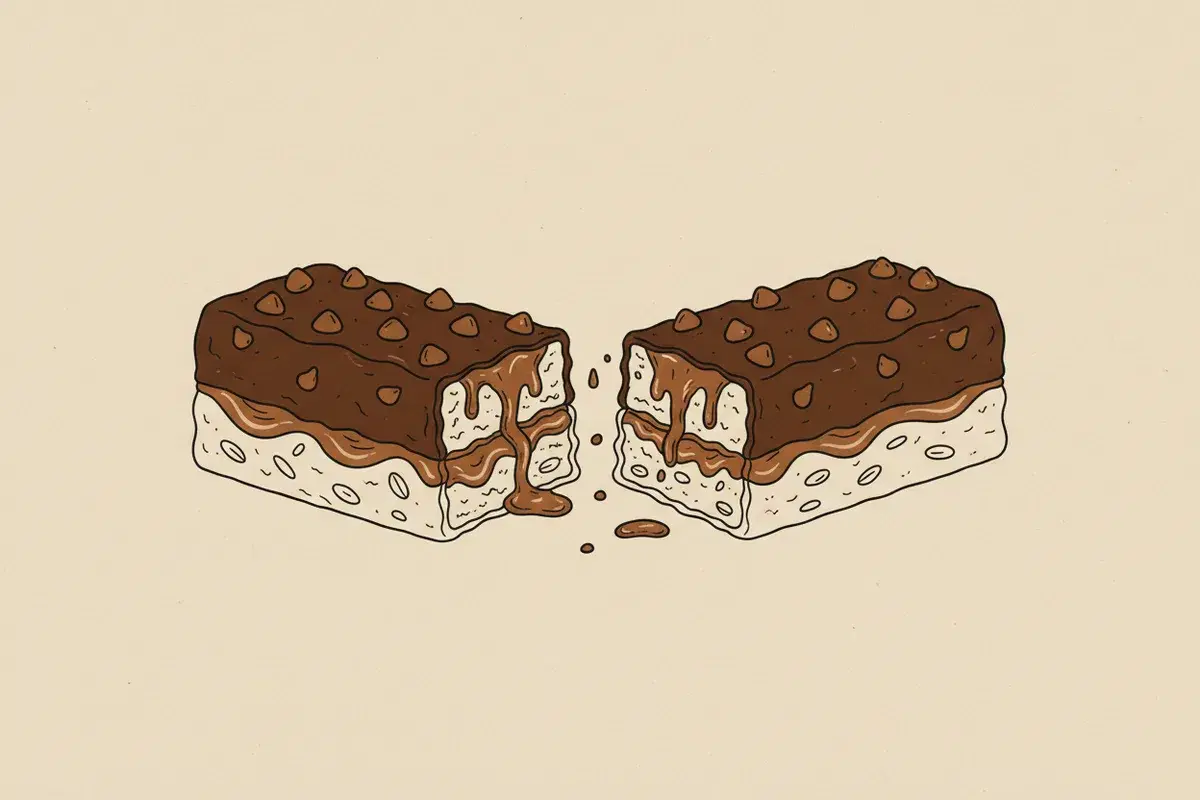
The Barebells Chocolate Dough protein bar pairs a multi-source protein blend with functional humectants, sugar alcohols, and Dutch-processed cocoa to create a candy bar texture. Understanding how ingredients like collagen, maltitol, glycerol, and alkalizing salts function helps consumers decide whether this snack fits their personal dietary tolerances. As of September 18, 2026, nothing material has changed regarding the regulatory compliance or market authorization of the ingredients in the Barebells Chocolate Dough protein bar.
Key takeaways:
- The four-part protein blend contains collagen hydrolysate, an incomplete protein lacking tryptophan that nonetheless contributes to total protein on US labels.
- Glycerol and polydextrose act as humectants and bulking fibers that maintain chewy moisture without requiring added sugars.
- Maltitol provides sweetness with fewer calories than sucrose; US rules mandate a laxation warning for sorbitol and mannitol, but not for maltitol.
- Sodium hydroxide and potassium carbonate are classic processing aids used strictly to Dutch-process cocoa, rather than acting as freestanding additive hazards.
Why people buy it
Barebells has grown into one of the most recognizable protein bar brands on convenience store shelves. Shoppers routinely reach for the Chocolate Dough flavor because it offers a soft, dessert-like consistency that mimics standard confectionery. For busy individuals, fitness enthusiasts, and travelers, it serves as a portable snack option that satisfies chocolate cravings without the high sugar content found in ordinary candy.
The appeal is largely driven by its sensory profile. Unlike older styles of protein bars that felt chalky, dry, or dense, this formula uses modern food technology to achieve a nougat-like core with a milk chocolate coating and crisp soy pieces. Understanding the specific components on the package allows buyers to see exactly how that palatable texture is constructed from a food science perspective.
Scan preview
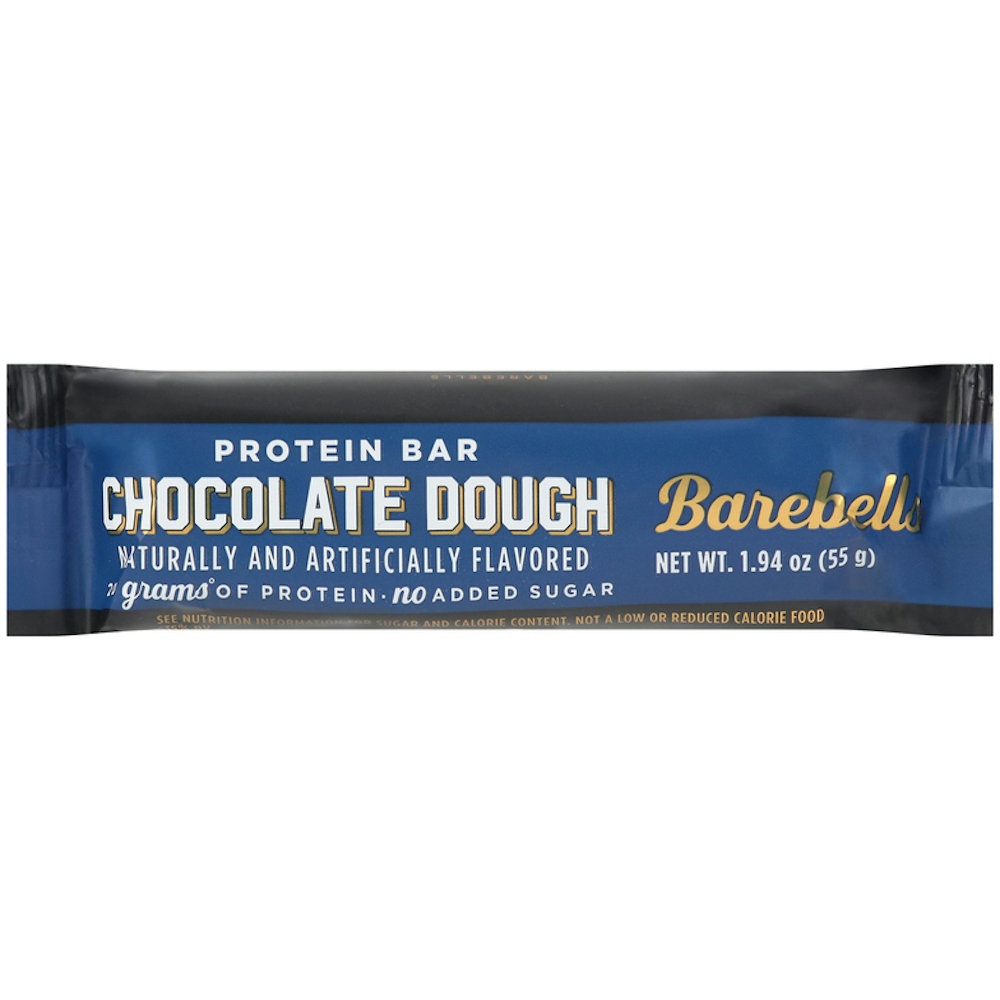
Barebells
Barebells Protein Bar Chocolate Dough, 1.94 Ounce
WHEY PROTEIN ISOLATE · MALTITOL · MILK POWDER
Standout ingredient: COLLAGEN
Analysis by Aurascan. Sources are listed on the product page.
What Aurascan found
Examining the ingredient list reveals a combination of dairy proteins, animal-derived peptides, humectants, and structural processing aids. Rather than relying on simple whole foods, the formulation leverages specialized ingredients to balance moisture, shelf life, and sweetness.
The four-source protein blend and collagen
The protein core of the bar consists of calcium caseinate, whey protein isolate, whey protein concentrate, and collagen. Whey isolate and concentrate are fast-digesting milk derivatives rich in branched-chain amino acids, while calcium caseinate is a slower-digesting milk protein that helps build a dense, stable food structure.
Collagen is an animal-derived connective tissue protein that gives the bar flexibility and prevents it from drying out over time. However, collagen is an incomplete protein because it lacks the essential amino acid tryptophan. Under current United States labeling rules, hydrolyzed collagen still counts toward the total protein grams displayed on the Nutrition Facts panel, even though it does not provide a complete essential amino acid profile on its own.
Quiz
Is a Barebells Chocolate Dough bar clean?
Guess before you scroll.
Reveal Aurascan's verdict
Aurascan says: Flagged
The main flag is WHEY PROTEIN ISOLATE.
Humectants and bulking agents: glycerol and polydextrose
Glycerol, also known as vegetable glycerin, functions primarily as a humectant. It binds free water molecules within the bar matrix, preventing the core from turning brittle or stale during storage. Because it tastes slightly sweet and resists evaporation, it provides softness across varying temperatures.
Polydextrose is a synthetic polymer of glucose that acts as a low-calorie bulking agent and soluble fiber. It provides physical structure to the bar core without contributing the rapid glycemic response associated with standard starch or sugar. While polydextrose is generally well tolerated, large single doses may produce mild intestinal fermentation and gas in sensitive digestive systems.
Sweeteners and digestive tolerance: maltitol and sucralose
Sweetness in this bar is achieved through a combination of maltitol and sucralose rather than table sugar. Maltitol is a sugar alcohol (polyol) derived from hydrogenated maltose. It closely mimics the mouthfeel and bulk of sucrose while providing fewer calories per gram. However, polyols are incompletely absorbed in the small intestine, passing into the colon where bacteria ferment them.
Because unabsorbed maltitol exerts an osmotic effect in the digestive tract, high intakes can lead to bloating, abdominal cramping, and loose stools. US labelling rules mandate a laxation warning for two specific sugar alcohols rather than for maltitol: under 21 CFR 101.17, foods whose reasonably foreseeable consumption could deliver 50 grams of sorbitol, or 20 grams of mannitol, must carry one. Maltitol has no equivalent US threshold, so a bar sweetened with it can omit the warning entirely. To balance the sweetness profile without relying entirely on bulk sugar alcohols, the formulation also includes sucralose, an intense non-nutritive sweetener that is hundreds of times sweeter than sucrose and passes through the body largely unabsorbed.
Alkalizing agents in cocoa: sodium hydroxide and potassium carbonate
The label lists cocoa processed with alkali, alongside sodium hydroxide and potassium carbonate. While names like sodium hydroxide can sound alarming to shoppers who associate them with industrial cleaners, their presence here reflects standard confectionery processing known as Dutch processing or alkalization.
Natural cocoa beans are naturally acidic and astringent. By treating the cocoa powder with food-grade alkaline solutions like potassium carbonate or dilute sodium hydroxide, food processors neutralize the natural acidity, darken the cocoa color, and produce a milder, smoother chocolate flavor. During this manufacturing step, the alkaline compounds neutralize and convert into harmless trace minerals, leaving no active caustic residue in the finished snack.
Flavorings and emulsifiers: soy lecithin and artificial flavors
To ensure the chocolate coating and protein core blend smoothly, the bar uses soy lecithin as an emulsifier. Lecithin prevents the cocoa butter and sunflower oil from separating from the water-based and protein components, ensuring a uniform bite throughout shelf life.
The combination of natural and artificial flavors provides the baked-dough aroma and cocoa depth. In packaged foods, artificial flavor molecules are chemically synthesized to match or enhance specific aromatic profiles that might otherwise degrade during processing or storage. These compounds are evaluated for safety by industry panels and regulatory authorities prior to market use.
What to look for on the label
When reviewing protein bar packaging, looking beyond the front marketing claims helps you spot specific dietary considerations that match your individual needs. When comparing packaged options, you might contrast these dense blends with other formats, such as reading Barebells vs KIND: Which Protein Bar Has the Cleaner Label? to evaluate whole nuts versus processed protein fractions. Similar comparative analyses can be found across our snack reviews, including Nature's Bakery Fig Bar vs KIND: Which Bar Label Is Cleaner?, Is Tillamook Cookies and Cream Clean? The Label, Scanned, Is Fanta Orange Clean? Every Ingredient, Scanned, FDA's Front-of-Package Nutrition Box Is Still Not Final, 5 Lunchbox Snacks Scanned: String Cheese to Fig Bars, 5 Grocery Staples With the Shortest Labels, Scanned, Sprite vs Fresca: Sugar, Sweeteners and Preservatives, Are Friendly's Orange Cream Bars Clean? Every Ingredient, Scanned, Is Dole 100% Pineapple Juice Clean? The Label, Scanned, Is Fage Total 0% Clean? A Two-Line Yogurt Label, Scanned, and Are Pringles Hot Honey Clean? Every Ingredient, Scanned.
Key label elements to verify before purchasing include:
- Allergen statements: This bar contains milk and soy, which are major allergens that must be prominently declared under federal regulations.
- Total sugar alcohols: Check the carbohydrate breakdown on the Nutrition Facts panel to see total polyols, especially if you have irritable bowel syndrome (IBS) or sensitivity to maltitol.
- Dietary fiber source: Note whether dietary fiber comes from whole grains, nuts, or isolated functional fibers like polydextrose.
- Complete versus incomplete proteins: Consider whether the protein count relies heavily on collagen versus complete dairy or soy proteins for post-workout recovery goals.
A recognized limitation of nutritional science is that individual gastrointestinal tolerance to sugar alcohols and functional fibers varies significantly. Clinical studies measure average laxation thresholds, but the scientific evidence cannot establish an exact threshold for every individual, meaning personal digestive tolerance can vary widely below or above regulatory warning benchmarks.
Try Aurascan
See what is really in the food you buy.
Common questions
- Does Barebells Chocolate Dough contain complete protein?
- The bar contains a mix of complete proteins (whey protein isolate, whey protein concentrate, calcium caseinate, and soy protein isolate) and an incomplete protein (collagen hydrolysate). Collagen lacks the essential amino acid tryptophan, but it still contributes to the overall protein count listed on the label.
- Why does Barebells use maltitol instead of regular sugar?
- Maltitol is a sugar alcohol that provides bulk and sweetness similar to sucrose but with fewer calories and a smaller impact on blood glucose. It allows the bar to maintain a candy-like taste and texture while keeping conventional sugar levels low.
- Can the sweeteners in Barebells cause stomach upset?
- Yes, maltitol and polydextrose can cause gastrointestinal distress in sensitive individuals. Polyols draw water into the intestines and are fermented by gut flora, which may produce gas, bloating, or a mild laxative effect when consumed in higher quantities.
- Why are sodium hydroxide and potassium carbonate listed on the label?
- These substances are food-grade alkalizing agents used in the Dutch-processing of cocoa. They neutralize the natural acidity of cocoa beans, darkening the color and mellowing the flavor, and neutralize during the manufacturing process.
- What major allergens are present in Barebells Chocolate Dough?
- The bar contains milk (from whey and caseinate) and soy (from soy crisp and soy lecithin). Anyone with severe dairy or soy allergies should avoid consuming this product.
- How does collagen hydrolysate affect the protein quality of the bar?
- Collagen hydrolysate increases total protein content and improves bar texture, but because it is an incomplete protein lacking tryptophan, it does not provide the same balanced amino acid profile as whey or milk protein isolate.
Sources
- Collagen Hydrolysate Synthesis and Amino Acid Composition (pmc.ncbi.nlm.nih.gov)
- Gastrointestinal Tolerance of Maltitol and Other Polyols (pmc.ncbi.nlm.nih.gov)
- Physiological Effects and Tolerance of Polydextrose (pmc.ncbi.nlm.nih.gov)
- Alkalization Processing and Phenolic Composition of Cocoa Powder (pmc.ncbi.nlm.nih.gov)
- Aspartame and Other Sweeteners in Food (fda.gov)
- Food Additive Status List (fda.gov)
In this series
Guide
Nature's Bakery Fig Bar vs KIND: Which Bar Label Is Cleaner?Guide
Barebells vs KIND: Which Protein Bar Has the Cleaner Label?Guide
Is Tillamook Cookies and Cream Clean? The Label, ScannedGuide
Is Fanta Orange Clean? Every Ingredient, ScannedGuide
FDA's Front-of-Package Nutrition Box Is Still Not FinalGuide
5 Lunchbox Snacks Scanned: String Cheese to Fig Bars
Related guides
Product Education
Are Stacy's Pita Chips Clean? Every Ingredient, ScannedEnriched wheat flour, sunflower and/or canola oil, two Parmesans and a 2-percent tail with rosemary extract. Stacy's Parmesan Garlic and Herb pita chips, line by line.
Product Education
Is Tillamook Cookie Dough Ice Cream Clean? 25 Ingredients, ScannedTillamook Chocolate Chip Cookie Dough lists 25 ingredients, most of them cookie dough. Which are dairy, which are dough, and where the gums and lecithin come in.
Product Education
Is Frigo String Cheese Clean? Four Ingredients, ScannedPasteurized part-skim milk, cheese cultures, salt, enzymes. What the FDA standard for low-moisture mozzarella requires, and what 'enzymes' hides on a cheese label.
Try it on your own groceries
Scan your next label with Aurascan
Point the camera at any ingredient list and get the same evidence-graded read you see here.
Open the scannerLabel-reading intel, weekly.
What changed on food labels this week — bans, recalls, and new guides.