
Does Barebells contain real sugar?
Barebells Chocolate Dough contains minimal naturally occurring sugars from dairy ingredients and uses maltitol, glycerol, and sucralose instead of added cane sugar or syrups.
Barebells vs KIND from the real labels: dairy isolates vs nuts, maltitol and sucralose vs sugar and honey, polydextrose vs chicory fiber. Guess the cleaner bar.
9/13/2026 · 7 min read · Chris Carrillo · Reviewed by Armin Rad, Co-Founder & CTO, Aurascan · Last reviewed 9/13/2026
Editorial accountability
Written by Chris Carrillo. Reviewed by Armin Rad, Co-Founder & CTO, Aurascan. It cites 4 sources; use the source list and methodology to check the evidence directly.
Walk through a crawlable sample result, including what comes from the label, what needs evidence, and what the scanner cannot conclude.
View the sample resultIf your priority is a simple, whole-food ingredient list built on whole nuts and natural honey, KIND has the cleaner label; if your goal is maximizing protein density with minimal sugar, Barebells offers higher protein through isolated dairy fractions and non-nutritive sweeteners.
Key takeaways:
Which bar has the cleaner label: Barebells or KIND?
Guess before you scroll.
Aurascan says: It's a tie
Choosing between Barebells Chocolate Dough and KIND Peanut Butter Dark Chocolate Plus Protein comes down to how you define clean eating. The two bars represent opposing philosophies in modern food formulation.
Barebells is an engineered sports nutrition product. Its formula is designed to maximize protein delivery while keeping net carbohydrates and added sugars near zero. To accomplish this, the formulation combines fractionated dairy proteins with collagen, polyols, and artificial sweeteners. It fits low-carb, keto, or body composition diets where exact macronutrient ratios override ingredient processing levels.
In contrast, KIND is formulated as a minimally processed snack bar fortified with supplemental protein. Its primary ingredients are whole roasted nuts bound with real honey and sugar. While KIND contains more total carbohydrates and less protein per serving (the brand labels it as 12 grams of protein per 50-gram bar), its ingredient list contains recognizable pantry staples. As discussions grow around food classification, such as the US to define 'ultra-processed food': what the proposal means, these formulation approaches highlight the trade-off between natural ingredient simplicity and engineered macronutrient efficiency.
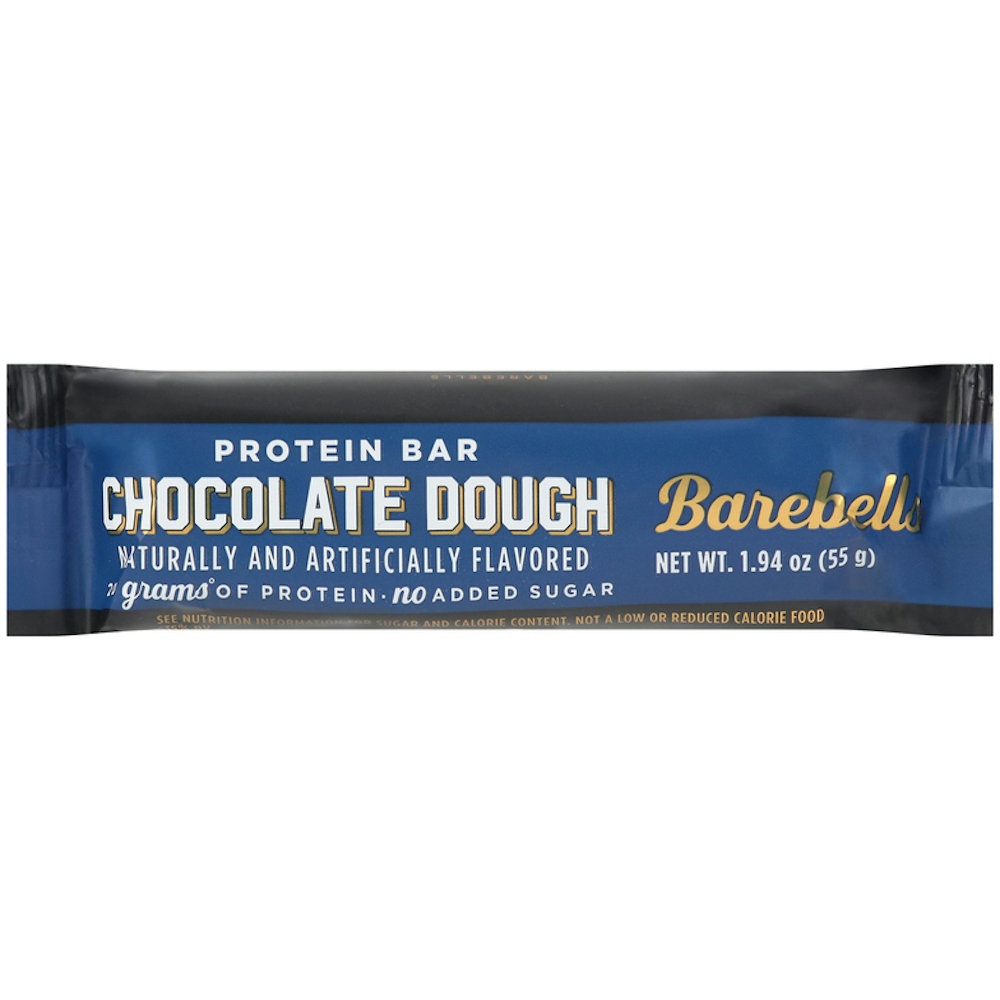
Barebells
Barebells Protein Bar Chocolate Dough, 1.94 Ounce
Standout ingredient: COLLAGEN
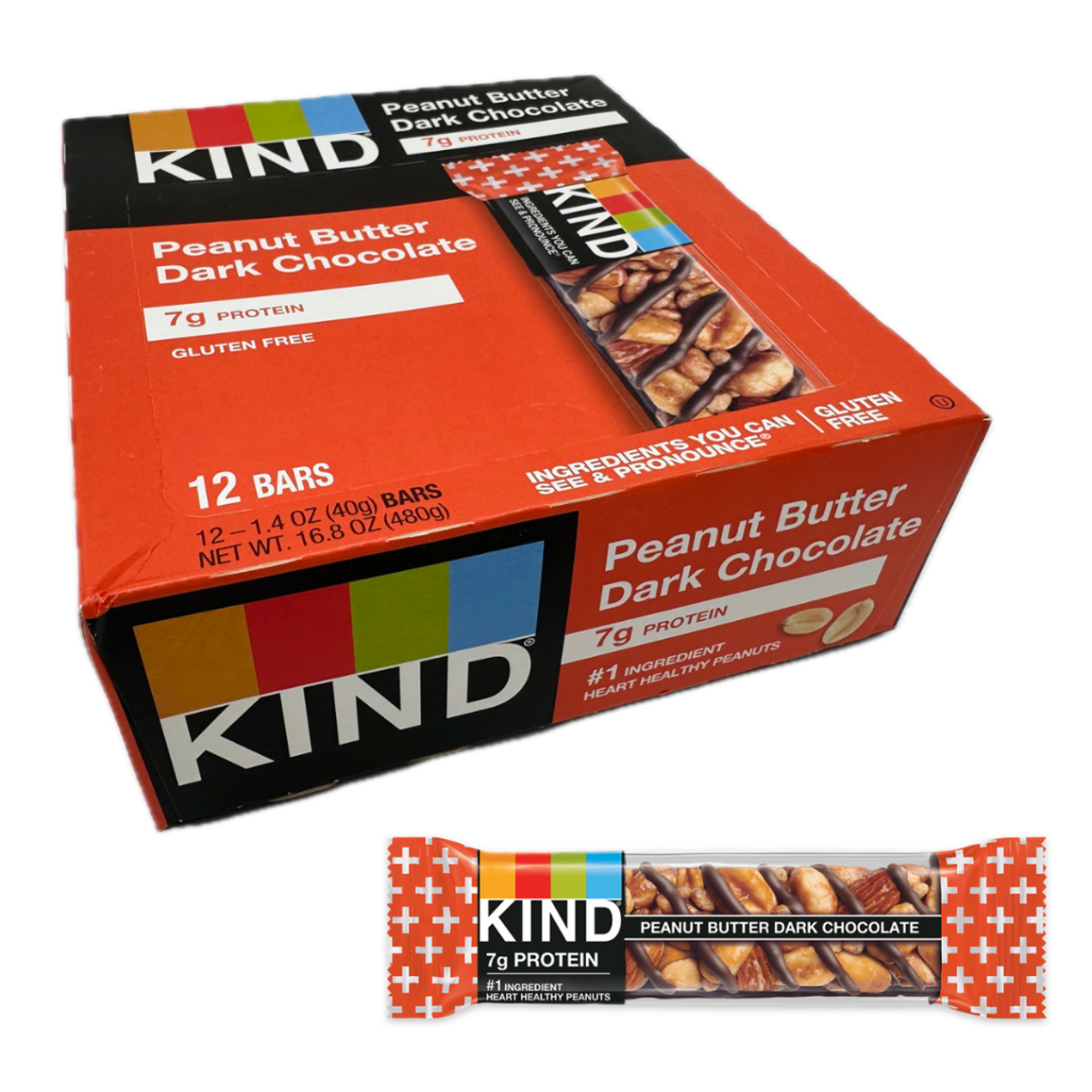
Kind
Kind Bar - Peanut Butter Dark Chocolate Plus Protein
Standout ingredient: HONEY
Examining the declared ingredients side by side highlights the fundamental differences in structural binders, sweeteners, and protein fractions.
| Feature | Barebells Chocolate Dough | KIND Peanut Butter Dark Chocolate Plus Protein |
|---|---|---|
| Primary Ingredients | Protein Blend (Calcium Caseinate, Whey Protein Isolate, Whey Protein Concentrate), Collagen, Glycerol | Peanuts, Glucose Syrup, Sugar, Honey, Palm Kernel Oil, Almonds |
| Protein Sources | Calcium caseinate, whey protein isolate, whey protein concentrate, hydrolyzed collagen, soy protein isolate | Peanuts, almonds, peanut butter, soy protein isolate |
| Sweetening System | Maltitol, sucralose, glycerol | Glucose syrup, cane sugar, honey |
| Fiber Source | Polydextrose | Chicory root fiber (inulin) |
| Fats and Oils | Cocoa butter, sunflower oil | Palm kernel oil, cocoa butter (plus the fat in peanuts and almonds) |
| Emulsifiers & Stabilizers | Soy lecithin, glycerol, tapioca starch | Soy lecithin, tapioca starch |
| Processing Aids | Sodium hydroxide, potassium carbonate, artificial flavor | Alkalized cocoa, sea salt, natural flavor |
See what is really in the food you buy.
Scan it yourself. Get the Aurascan appThe protein quality and source architecture differ significantly between these two bars. Barebells relies primarily on isolated dairy proteins, whereas KIND draws the majority of its protein from whole plant sources.
Barebells delivers its labeled 20 grams of protein through a multi-stage dairy matrix: calcium caseinate, whey protein isolate, and whey protein concentrate, augmented by hydrolyzed collagen peptides and soy crisps. Dairy proteins provide high biological value with complete essential amino acid profiles, particularly leucine, which stimulates muscle protein synthesis. Hydrolyzed collagen contributes to texture and total nitrogen content, though it lacks tryptophan. Because it is dairy-heavy, Barebells is unsuitable for individuals with milk protein sensitivities or dairy allergies.
KIND provides its labeled 12 grams of protein derived from whole roasted peanuts, almonds, peanut butter, and isolated soy protein. While nut proteins have a lower biological value than whey, they supply naturally occurring dietary fats, micronutrients, and dietary fiber within an intact cellular structure. KIND delivers less isolated protein per gram of product, but avoids heavily fractionated animal isolates.
The method used to sweeten each bar represents the clearest divide in clean-label philosophy. Barebells eliminates added sugars, while KIND rejects sugar substitutes.
Barebells uses a combination of maltitol, glycerol, and sucralose. Maltitol is a sugar alcohol that provides roughly 75 to 90 percent of the sweetness of sucrose while supplying approximately 2.1 kilocalories per gram compared to 4.0 kilocalories per gram for sucrose, as detailed in the FDA Total Carbohydrate Guidance. However, maltitol is not fully inert; it is partially absorbed in the small intestine and can cause moderate blood glucose elevations. Sucralose provides non-caloric high-intensity sweetness, while glycerol acts as a humectant to preserve chewiness. For deeper analysis on sugar substitutes, review our guide on allulose vs erythritol: which sugar substitute is better?.
KIND uses conventional caloric sweeteners: glucose syrup, cane sugar, and honey. As outlined in the FDA Added Sugars Guide and our resource where added sugar has dozens of label names: the ones to know, these carbohydrates are metabolized via standard glycolytic pathways. They elevate blood glucose and insulin rapidly, making KIND less suitable for ketogenic diets. However, they are easily digested without the fermentation issues associated with sugar alcohols.
Both manufacturers add isolated prebiotic fibers to adjust texture and improve macro ratios, but each fiber interacts differently with the human gastrointestinal tract.
Barebells incorporates polydextrose, a synthetic, highly branched soluble polymer of glucose synthesized with small amounts of sorbitol and citric acid. Polydextrose resists upper digestive enzymes and passes into the large intestine, contributing minimal calories (approximately 1.0 kcal/g). In the colon, it exerts an osmotic effect. When combined with maltitol and glycerol, polydextrose can cause bloating, flatulence, and loose stools in individuals with low polyol tolerance, a mechanism explored in clinical reviews of sugar alcohol gastrointestinal disturbances.
KIND includes chicory root fiber, which consists primarily of inulin and fructooligosaccharides. Inulin is a naturally occurring soluble plant fiber extracted from chicory roots. As documented in research on inulin and soluble fiber fermentation, it acts as a prebiotic substrate, selectively nourishing bifidobacteria in the gut microflora. However, inulin is rapidly fermented by colonic bacteria, producing hydrogen and carbon dioxide. Individuals with irritable bowel syndrome or sensitivity to FODMAPs may experience significant bloating and gas from chicory root fiber when doses exceed 5 to 10 grams daily.
A close reading of the minor functional ingredients demonstrates the technical processing required to stabilize each bar on the retail shelf.
Barebells utilizes several specialized industrial processing aids to achieve its soft, confectionery texture:
KIND utilizes a simpler, less industrial additive profile:
Neither product is universally superior; the right choice depends on whether your priority is whole-food purity or strict macronutrient control.
Choose Barebells Chocolate Dough if:
Choose KIND Peanut Butter Dark Chocolate Plus Protein if:
Evidence limitations: While clinical research characterizes the general physiological digestion of sugar alcohols, inulin, and protein isolates, individual glycemic response and digestive tolerance vary widely across populations. Current evidence cannot predict individual gastrointestinal symptoms or long-term metabolic outcomes for specific commercial bar formulations.
Barebells Chocolate Dough contains minimal naturally occurring sugars from dairy ingredients and uses maltitol, glycerol, and sucralose instead of added cane sugar or syrups.
Barebells contains maltitol, a sugar alcohol, along with polydextrose fiber. Both pass into the large intestine where they can draw water into the bowel and ferment, leading to gas, bloating, and laxative effects in sensitive individuals.
KIND is widely considered clean-label because its primary ingredients are whole peanuts, almonds, and honey, avoiding artificial sweeteners, synthetic fibers, and chemical preservatives.
Barebells contains 20 grams of protein per bar from a blend of dairy isolates and collagen, whereas KIND Plus Protein provides 12 grams of protein primarily from whole nuts and soy.
No. KIND sweetens its protein bars with conventional carbohydrates, including glucose syrup, cane sugar, and real honey, without using sugar alcohols or artificial sweeteners.
Barebells uses whey protein isolate, whey concentrate, and calcium caseinate. While whey isolates have lower lactose levels, the overall dairy blend may still trigger symptoms in sensitive individuals.
Aurascan turns product labels into plain-English ingredient explanations and source-backed context.
Scan your next label with AurascanWhat changed on food labels this week — bans, recalls, and new guides.
Source labels distinguish peer-reviewed research, regulatory material, and Aurascan label data when that classification is available.
Xylitol vs erythritol on calories, blood sugar, dental benefits, digestive tolerance, the 2023-2026 heart studies, dog toxicity and label names.
Red Bull vs Celsius from the real labels: 80 mg vs 200 mg caffeine, sugar vs sucralose, taurine, B vitamins and botanicals. Guess the cleaner can, then see the scan.
Allulose bakes like sugar; erythritol is cheaper and EU-approved. Calories, blood sugar, digestion, the 2023 heart study, and label names compared.