
Is the FDA front-of-package labeling rule finalized as of September 2026?
No. As of mid-September 2026, the FDA front-of-package nutrition labeling rule remains in proposed status on the federal docket, with no final rule published yet.
The FDA projected a final front-of-package labeling rule for spring 2026. It has not arrived. What the proposed Nutrition Info box shows, and what it leaves out.
9/15/2026 · 6 min read · Chris Carrillo · Reviewed by Armin Rad, Co-Founder & CTO, Aurascan · Last reviewed 9/15/2026
Editorial accountability
Written by Chris Carrillo. Reviewed by Armin Rad, Co-Founder & CTO, Aurascan. It cites 4 sources; use the source list and methodology to check the evidence directly.
Walk through a crawlable sample result, including what comes from the label, what needs evidence, and what the scanner cannot conclude.
View the sample resultWASHINGTON, Sept. 15, 2026 -- As of mid-September 2026, the U.S. Food and Drug Administration (FDA) has not finalized its standardized front-of-package nutrition labeling rule. The agency's January 2025 proposed rule remains under review following the close of public comments in July 2025, leaving food manufacturers and shoppers awaiting an enacted federal text.
Key takeaways:
On January 16, 2025, the FDA formally published its landmark proposal in the Federal Register under Food Labeling: Front-of-Package Nutrition Information (Proposed Rule), establishing mandatory interpretive labeling across packaged foods. Following extensive stakeholder feedback, the agency issued an official notice in May 2025 via Food Labeling: Front-of-Package Nutrition Information; Extension of Comment Period, moving the public comment deadline from May 16 to July 15, 2025.
The agency detailed this policy rollout through its constituent update FDA Issues Proposed Rule for Front-of-Package Nutrition Labeling, with trade press anticipating a final rule publication by mid-2026. However, as of mid-September 2026, the official resource page at Front-of-Package Nutrition Labeling Overview and Updates continues to list the initiative in proposed status without a published final standard.
Trade associations, including the Consumer Brands Association and FMI (The Food Industry Association), submitted extensive comments opposing mandatory interpretive text such as "High" or "Low." As regulators work through the docket, the food manufacturing sector remains in a holding pattern regarding final implementation language and technical design specifications.
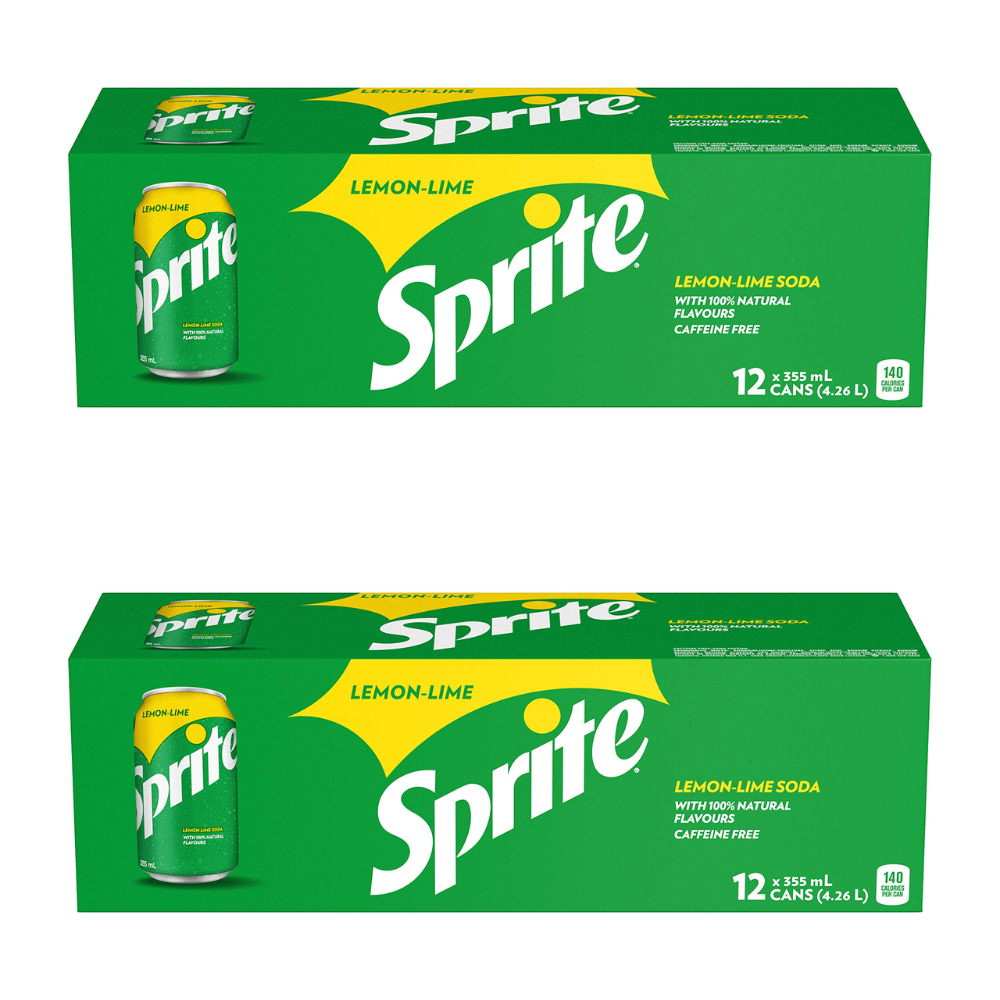
Sprite
Sprite Lemon Lime Caffeine Free Soda Soft Drink Fridge Pack Cans
Standout ingredient: Carbonated Water
The proposed framework introduces a mandatory, standardized "Nutrition Info" box intended for the principal display panel of packaged grocery items. Under the draft rule, the box focuses specifically on three overconsumed nutrients: saturated fat, sodium, and added sugars.
Instead of displaying only raw gram weights or percentages, the FDA proposed an interpretive tier system:
Crucially, total calories are excluded from the proposed front-of-pack box, reversing designs tested in early research trials. The agency determined that highlighting saturated fat, sodium, and added sugars provides targeted intervention against chronic diet-related conditions like hypertension, cardiovascular disease, and type 2 diabetes. Other critical regulatory topics like FDA Puts Caffeine Labeling on Its 2026 Agenda: What Cans Hide demonstrate how federal authorities are simultaneously addressing beverage disclosure.
The draft regulation covers nearly all packaged food and beverage products regulated by the FDA that carry a standard Nutrition Facts label. The proposed economic compliance schedule establishes a tiered phase-in based on manufacturer revenue:
The proposal carries over the Nutrition Facts label's existing exemptions (very small packages, raw produce) and does not reach USDA-regulated meat and poultry. This regulatory landscape mirrors broader state-level momentum, such as when California's Non-Ultraprocessed Seal: Newsom Decides by Sept 30 emerged to target packaged formulations, while New York's Food Chemical Disclosure Act Awaits Hochul aims for state-level transparency.
Is a can of Dole 100% Pineapple Juice clean?
Guess before you scroll.
Aurascan says: Flagged
The main flag is Vitamin E.
For grocery shoppers, the front-of-package box is designed to eliminate mental math in grocery aisles. However, understanding what the label leaves out is just as vital as knowing what it displays. The box is strictly an interpretive summary of three macronutrients and minerals; it does not grade ingredient purity, processing levels, or chemical additives.
Consider two common beverage packaging scenarios under the proposed rules:
Furthermore, the proposed box provides zero information about synthetic food colorings, emulsifiers, synthetic preservatives, or non-nutritive sweeteners. Shoppers seeking cleaner formulations will not see flags for artificial additives on the front box. That gap is exactly what state measures such as Texas' paused 44-ingredient warning label tried to fill.
Front-of-package labeling discussions in the United States span more than a decade, spurred by international adoptions in countries like Chile, Mexico, the United Kingdom, and Canada. The White House National Strategy on Hunger, Nutrition, and Health explicitly directed the FDA to develop a mandatory front-of-package scheme to curb diet-related chronic diseases.
Before publishing the January 2025 proposed rule, the FDA conducted consumer perception studies testing various formats, including monochromatic boxes, stoplight color schemes, and icon-based warning badges. The agency selected a clean, structured tabular design emphasizing percentage-based Daily Value tiers.
Industry groups have persistently pushed back against interpretive descriptors, arguing that words like "High" function as negative warning labels that could mischaracterize nutrient-dense foods containing naturally occurring fats or sodium. Legal challenges over commercial speech rights remain a significant consideration as regulators finalize the rule.
The immediate milestone to monitor is the official release of the final rule in the Federal Register. Once published, the formal clock begins for manufacturer compliance across both enterprise and regional brands.
Regulatory analysts will also watch for potential legal filings from industry trade groups regarding First Amendment commercial speech protections, which could trigger judicial stays similar to other state labeling initiatives. Until a final standard is codified, consumers must continue checking the Nutrition Facts panel and full ingredient list on the back of each package.
Current evidence cannot establish how individual metabolic responses will vary across these broad nutrient tiers, nor does the proposed front box resolve ongoing debates around synthetic food additives and non-nutritive sugar substitutes.
See what is really in the food you buy.
Scan it yourself. Get the Aurascan appNo. As of mid-September 2026, the FDA front-of-package nutrition labeling rule remains in proposed status on the federal docket, with no final rule published yet.
The proposed rule requires a standardized box rating three specific nutrients: saturated fat, sodium, and added sugars. Total calories are excluded.
Under the FDA proposal, 'Low' represents 5% Daily Value or less per serving, 'High' represents 20% Daily Value or more, and 'Med' falls between 5% and 20%.
No. The front-of-package box is limited to saturated fat, sodium, and added sugars. It does not display artificial food dyes, non-sugar sweeteners, or preservatives.
The proposed timeline provides three years for large manufacturers with $10 million or more in annual food sales, and four years for smaller food businesses.
Aurascan turns product labels into plain-English ingredient explanations and source-backed context.
Scan your next label with AurascanWhat changed on food labels this week — bans, recalls, and new guides.
Source labels distinguish peer-reviewed research, regulatory material, and Aurascan label data when that classification is available.
FDA's Red 3 revocation hits food on Jan 15, 2027. Where erythrosine still shows up (candy, frosting, cherries), what the label says, and why older stock may linger.
FDA's dye pledge tracker (updated Sept 10, 2026) lists In-N-Out as done: Red 40 out of the strawberry shake and pink lemonade. What replaced it, what's next.
EFSA's first pilot EU monitoring report measured real dietary exposure to tartrazine (E102), Ponceau 4R and Green S across 22 countries. What it found for shoppers.