
Does Sprite contain caffeine?
No. Standard Sprite is completely caffeine-free, making it distinct from many traditional colas and citrus-flavored energy beverages.
Sprite has six ingredients: carbonated water, high fructose corn syrup, citric acid, natural flavors, sodium citrate and sodium benzoate. What each does, per the FDA.
9/15/2026 · 6 min read · Chris Carrillo · Reviewed by Armin Rad, Co-Founder & CTO, Aurascan · Last reviewed 9/15/2026
Editorial accountability
Written by Chris Carrillo. Reviewed by Armin Rad, Co-Founder & CTO, Aurascan. It cites 7 sources; use the source list and methodology to check the evidence directly.
Walk through a crawlable sample result, including what comes from the label, what needs evidence, and what the scanner cannot conclude.
View the sample resultSprite is a clear, caffeine-free lemon-lime soda made with carbonated water, high fructose corn syrup, citric acid, natural flavors, sodium citrate, and sodium benzoate. It omits synthetic dyes and caffeine, but contains 38 grams of added sugars per 12-ounce can, making portion awareness key when evaluating its simple functional additive profile.
Key takeaways:
Sprite has remained a staple in the beverage aisle for decades, largely chosen by consumers looking for a crisp, caffeine-free carbonated drink. Its transparent appearance gives the visual impression of lightness compared to dark colas, appealing to people who want refreshment without caramel coloring, artificial dyes, or the stimulant effects of caffeine.
Many shoppers also reach for lemon-lime soda during occasional bouts of mild stomach upset or as a versatile mixer for social gatherings. Its recognizable balance of sweetness and citrus bite makes it a reliable, predictable option at convenience stores, restaurants, and vending machines worldwide.
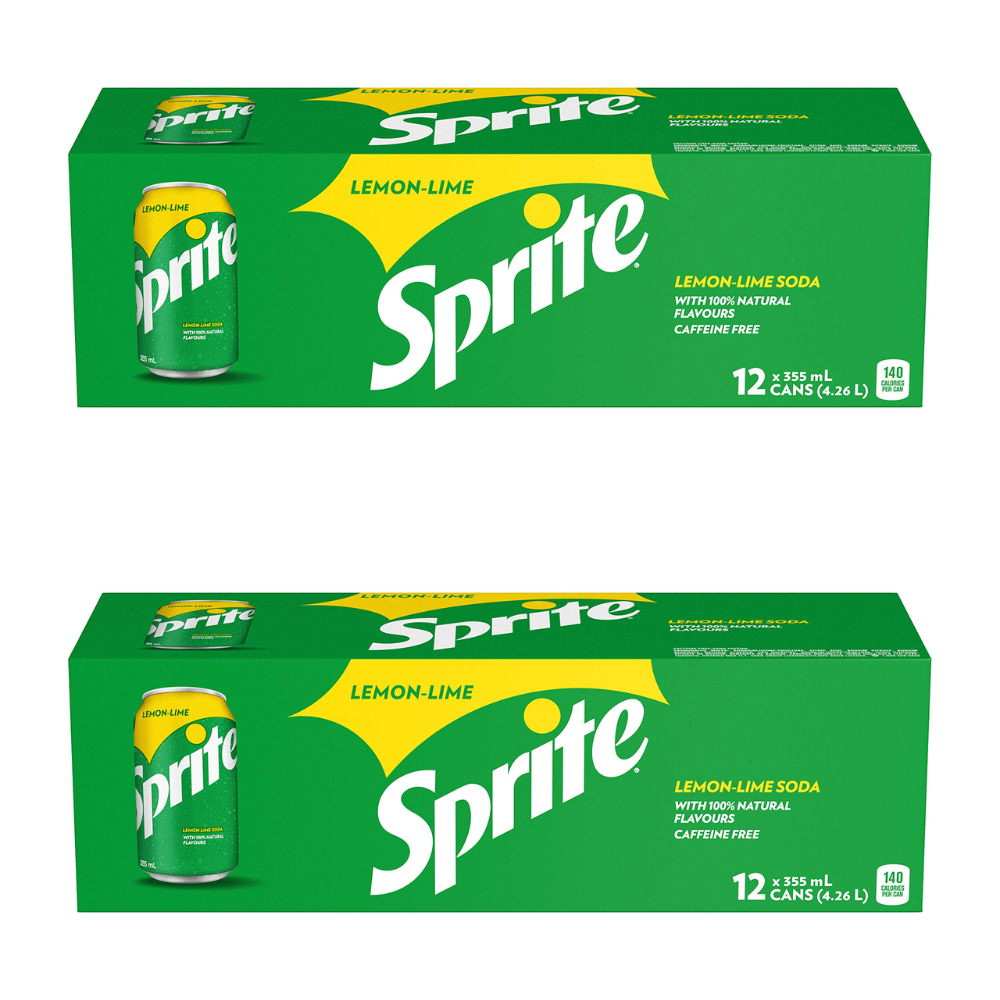
Sprite
Sprite Lemon Lime Caffeine Free Soda Soft Drink Fridge Pack Cans
Standout ingredient: Carbonated Water
Every ingredient in a standard 12 fl oz can of Sprite serves a distinct physical or chemical function, ranging from carbonation and stabilization to microbial protection and flavoring.
Carbonated water forms the base of the beverage. It consists of purified water infused with dissolved carbon dioxide gas under pressure, creating carbonic acid. This compound produces the characteristic effervescence and mild bite on the tongue. In food processing, carbonated water provides volume and sensory texture without adding calories, allergens, or synthetic chemicals.
High fructose corn syrup (specifically HFCS-55 in most American soft drinks) is the primary sweetening agent in Sprite. Produced from milled corn starch through enzymatic conversion, HFCS contains approximately 55% fructose and 45% glucose, a ratio very similar to table sugar (sucrose), which splits into 50% fructose and 50% glucose during digestion.
The U.S. Food and Drug Administration regulates high fructose corn syrup under 21 CFR 184.1866 as Generally Recognized as Safe (GRAS). From a metabolic perspective, both HFCS and sucrose deliver rapidly absorbable simple sugars that elevate blood glucose. For consumers monitoring metabolic health, checking the total added sugars on the Nutrition Facts panel is recommended.
Citric acid (regulated under 21 CFR 184.1033) provides the signature tartness that complements the citrus flavor profile. It acts as an acidulant, lowering the pH of the beverage to heighten crispness and assist in product preservation.
Sodium citrate (21 CFR 184.1733) works in tandem with citric acid as a pH buffer. In beverage formulation, adding a conjugate base like sodium citrate prevents the liquid from becoming overly acidic, smoothing out the sharp edge of the acid while stabilizing flavor consistency across the product shelf life.
Under FDA labeling standards (21 CFR 101.22), the term natural flavors refers to aromatic compounds, essential oils, or extracts derived from plant materials, such as lemon and lime peels. These extracts provide the distinct citrus aroma and taste without requiring synthetic flavor chemicals. While manufacturers are not required to disclose exact trade-secret flavor formulas, these preparations must comply with strict food-grade purity standards, as cataloged across consumer product databases like EWG Food Scores.
Sodium benzoate is the sodium salt of benzoic acid, added in minute quantities to inhibit the growth of yeasts, molds, and bacteria in acidic liquids. According to medical overviews on WebMD, beverage safety reviews highlighted potential benzene formation when sodium benzoate was combined with ascorbic acid (vitamin C) in the presence of heat or light. Sprite contains no ascorbic acid, eliminating this specific chemical reaction risk.
The balance between acidulants and buffers is not unique to lemon-lime soda; the same citric acid and citrate pairing shows up across the soda and energy-drink aisle. The two ingredients that draw the most questions have their own reviews: is high fructose corn syrup worse than sugar? and is sodium benzoate safe?.
Unlike protein shakes or ice cream, carbonated soft drinks do not require emulsifiers, thickeners, or complex stabilizers. Their physical shelf life relies almost entirely on dissolved carbon dioxide, precise pH control via citric acid and sodium citrate, and antimicrobial agents such as sodium benzoate.
Compared with a snack bar, carbonated soft drinks deliver their caloric content almost exclusively as free dissolved sugars rather than complex carbohydrates or dietary fats. This distinction makes understanding beverage liquid nutrition especially important.
Is a can of Sprite clean?
Guess before you scroll.
Aurascan says: Flagged
The main flag is High Fructose Corn Syrup.
Dissolved carbon dioxide forms carbonic acid in water, which makes plain carbonated water mildly acidic; organic acidulants like citric acid push the finished soda further down the scale. This mildly acidic environment plays an essential dual role in modern food science: it creates the sharp sensory bite expected of citrus sodas while naturally suppressing bacterial growth.
From a dental and digestive standpoint, highly acidic liquids can interact with tooth enamel over extended periods of frequent sipping. However, the presence of sodium citrate acts as a chemical buffer, tempering excessive hydrogen ion activity and keeping the liquid within a stable, controlled acidity range throughout its shelf life.
When reviewing a can of Sprite or similar lemon-lime sodas, keeping a few label-reading principles in mind helps you make informed choices:
As of mid-September 2026, no regulatory changes, bans, or new restrictions have been enacted for any of Sprite's standard ingredients. The U.S. FDA maintains GRAS status for all six components under current good manufacturing practices, and international bodies such as EFSA continue to approve citric acid, sodium citrate, and sodium benzoate within established Acceptable Daily Intake limits.
This article is not medical advice; ingredient evidence has limitations and individual tolerance varies.
See what is really in the food you buy.
Scan it yourself. Get the Aurascan appNo. Standard Sprite is completely caffeine-free, making it distinct from many traditional colas and citrus-flavored energy beverages.
Sodium benzoate is an antimicrobial preservative that prevents the growth of bacteria, yeasts, and molds in acidic beverages, helping to protect product taste and shelf life.
Benzene formation in beverages historically required both sodium benzoate and ascorbic acid (vitamin C) under heat or light exposure. Because Sprite does not contain ascorbic acid, this chemical pathway is not present.
High fructose corn syrup (HFCS-55) consists of roughly 55% fructose and 45% glucose, whereas sucrose (table sugar) consists of a 50/50 ratio. Both provide similar caloric energy and are metabolized similarly by the body.
No. Sprite is formulated without artificial colorings or dyes, resulting in a clear beverage.
Citric acid adds tart citrus flavor and lowers the pH, while sodium citrate acts as a buffering agent to stabilize the acidity and ensure a consistent flavor profile.
Aurascan turns product labels into plain-English ingredient explanations and source-backed context.
Scan your next label with AurascanWhat changed on food labels this week — bans, recalls, and new guides.
Source labels distinguish peer-reviewed research, regulatory material, and Aurascan label data when that classification is available.
Carbonated water, caramel color, aspartame, phosphoric acid, potassium benzoate, natural flavors, citric acid: what each does, what regulators say, and the scan.
Friendly's Orange Cream bars stack two sweeteners, four gums, carrageenan and two certified dyes (Red 40, Yellow 6). What each does, and where the dye phase-out stands.
Dole 100% Pineapple Juice adds no sugar, yet a glass carries soda-level sugar. What "100% juice" and "from concentrate" mean under FDA rules, and why vitamins are added.