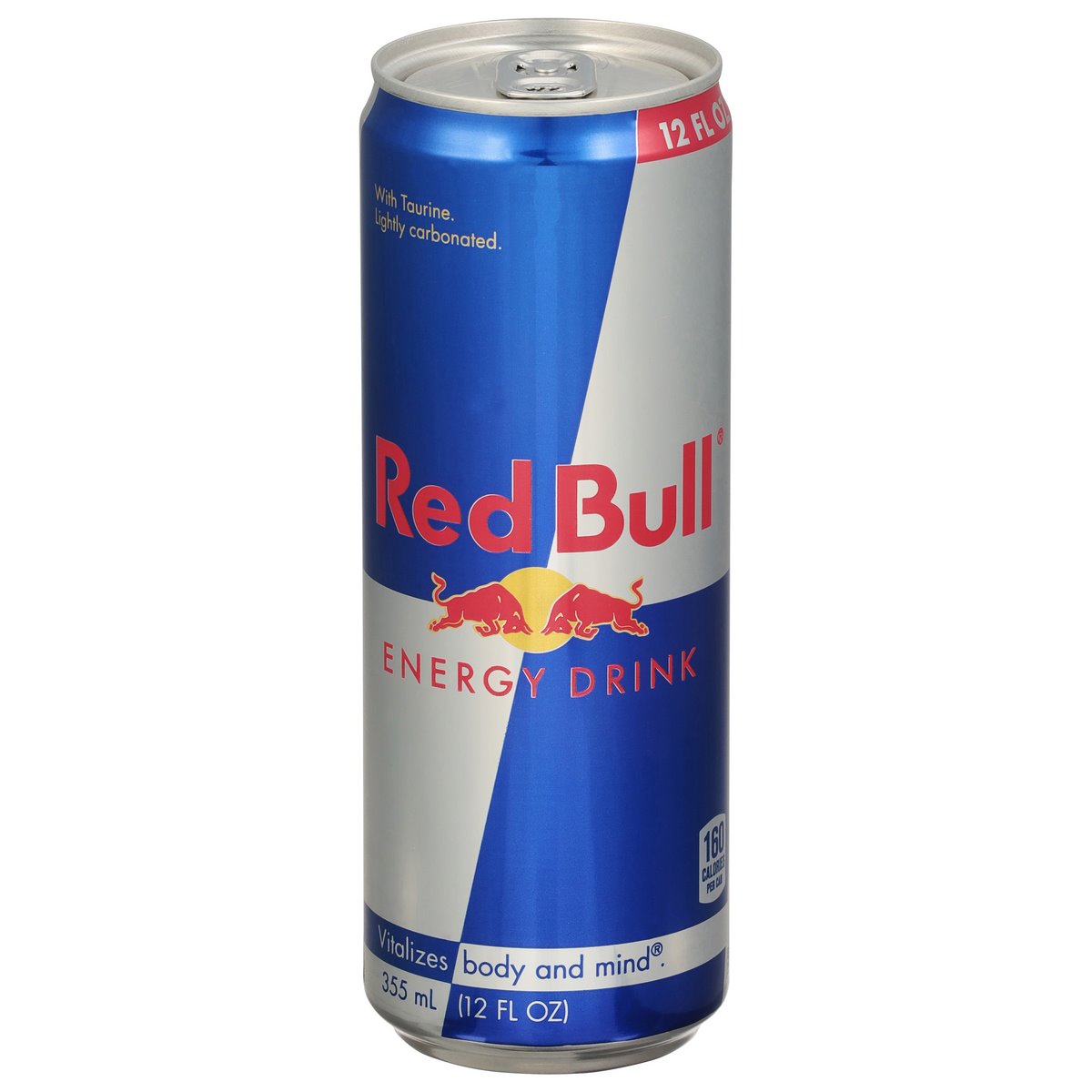
Is Red Bull Clean? Every Ingredient in the Can, Scanned
Carbonated water, 27 g of sugar, 80 mg of caffeine, synthetic taurine, B vitamins, flavors and colors: what each does, what regulators say, and the scan.
Product spotlightCluster: Product Spotlightsis red bull clean? every ingredient in the can, scannedProduct-focused guide
9/13/2026 · 7 min read · Chris Carrillo · Reviewed by Armin Rad, Co-Founder & CTO, Aurascan · Last reviewed 9/13/2026
Written by Chris Carrillo. Reviewed by Armin Rad, Co-Founder & CTO, Aurascan. It cites 4 sources; use the source list and methodology to check the evidence directly.
A standard 8.4 fl oz can of Red Bull contains carbonated water, 27 grams of simple sugars, 80 mg of caffeine, synthetic taurine, B vitamins, and generic flavorings. Food safety regulators confirm these core additives are safe for healthy adults, though refined sugars, artificial coloring, and synthetic fortification prevent it from meeting strict clean label criteria.
Key takeaways:
A standard 8.4 fl oz Red Bull delivers 80 mg of caffeine, sitting comfortably below the FDA's 400 mg daily threshold and matching an 8 oz cup of brewed coffee.
The taurine used in commercial energy drinks is completely synthetic, vegan-friendly, and evaluated as safe by the European Food Safety Authority.
The primary nutritional concern comes from 27 grams of simple sugars (sucrose and glucose), rather than mysterious chemicals.
Added B vitamins (B3, B5, B6, B12) provide fortification, while generic colors and artificial flavorings represent the least transparent items on the label.
Why do people buy Red Bull?
Red Bull remains the benchmark for modern energy drinks, recognized globally for its distinctive slim can and utilitarian formulation. Consumers reach for it primarily for reliable alertness during long shifts, late-night study sessions, athletic training, or afternoon productivity slumps. Its quick onset of action and familiar flavor profile make it an easy default choice across convenience stores and vending machines.
The appeal also rests on predictability. Unlike many newer performance drinks that carry 200 to 300 mg of caffeine per serving, a standard 8.4 fl oz Red Bull delivers a moderate caffeine dose that mirrors a standard cup of home-brewed coffee. Combined with carbonation, acidity, and simple sugars, it provides an immediate sensory lift that consumers have relied upon for decades.
Analysis by Aurascan. Sources are listed on the product page.
Can you guess the ingredients before scrolling?
Take a quick look at the back of the can: carbonated water, sucrose, glucose, citric acid, taurine, sodium bicarbonate, magnesium carbonate, caffeine, niacinamide, calcium pantothenate, pyridoxine HCl, vitamin B12, natural and artificial flavors, and colors. Can you identify which ingredients carry real health considerations and which are simply wrapped in marketing myths?
Is a can of Red Bull clean?
Guess before you scroll.
Reveal Aurascan's verdict
Aurascan says: Flagged
The main flag is SUCROSE.
What did Aurascan find in Red Bull?
To understand what enters your body with every sip, we broke down each functional compound and additive against official scientific assessments from the US Food and Drug Administration (FDA) and the European Food Safety Authority (EFSA). As of September 13, 2026, no material regulatory bans exist against these standard energy drink compounds, though health authorities continue to emphasize moderation around sugar and stimulant exposure.
Is the caffeine content safe for daily consumption?
Red Bull's official specifications state that an 8.4 fl oz can contains 80 mg of caffeine. To put this into regulatory context, FDA guidance states that up to 400 mg of caffeine per day, equivalent to about four to five cups of coffee, is generally not associated with dangerous, negative effects for healthy adults. In our comparison of Red Bull vs Celsius: Caffeine, Sweeteners, and Ingredients, Red Bull sits on the lower end of the stimulant scale. Detailed analyses on stimulant interactions are also documented by Harvard Health Publishing.
However, individual caffeine clearance varies based on liver metabolism, genetics, and pregnancy status. Studies note that rapid consumption of excessive caffeine can lead to jitteriness, insomnia, elevated heart rate, and upset stomach. Public health guidelines from the Centers for Disease Control and Prevention highlight that youth and sensitive individuals face greater cardiovascular risks from excessive caffeine. For healthy adults, one 8.4 oz can stays well inside acceptable boundaries, but combining it with other caffeinated beverages can quickly push intake toward the upper limit.
Is taurine safe and where does it come from?
Persistent urban legends have long claimed that taurine is derived from bull urine or semen. In reality, the taurine used in commercial food manufacturing is entirely synthetic and vegan-friendly. Taurine is a naturally occurring amino sulfonic acid found abundantly in human tissues, meat, seafood, and breast milk, playing key roles in bile salt formation, electrolyte balance, and central nervous system function. Comprehensive reviews in the National Institutes of Health confirm that standard dietary concentrations show no toxicological harm.
The European Food Safety Authority conducted extensive safety opinions on energy drink constituents and concluded that taurine exposure from standard commercial drinks does not pose a safety concern. For a deeper look at metabolic roles and intake thresholds, see our detailed guide on Is Taurine Safe? Energy Drinks, EFSA Limits, and Labels.
How much added sugar is inside each can?
Original Red Bull uses a blend of sucrose (table sugar) and glucose. A single 8.4 fl oz can delivers 27 grams of sugars according to Red Bull's own label. The Dietary Guidelines for Americans recommend limiting added sugars to less than 10 percent of total daily calories, which equals about 50 grams on a 2,000-calorie diet. Drinking one can consumes more than half of that recommended daily cap in minutes.
Because these simple carbohydrates are dissolved in liquid, they absorb rapidly, causing a sharp spike in blood glucose followed by an insulin response. For shoppers learning to spot diverse sweeteners across packaged goods, our overview on how added sugar has dozens of label names: the ones to know helps identify these carbohydrate sources on ingredient lists.
Why are synthetic B vitamins added to the formula?
Red Bull is fortified with four water-soluble B vitamins:
Niacinamide (Vitamin B3): Supports cellular energy metabolism and DNA repair.
Calcium Pantothenate (Vitamin B5): Assists in synthesizing coenzyme A and metabolizing fatty acids.
Pyridoxine HCl (Vitamin B6): Crucial for amino acid synthesis and neurotransmitter production.
Cyanocobalamin (Vitamin B12): Vital for red blood cell formation and neurological function.
Because these are water-soluble, any excess that the body cannot immediately utilize is typically excreted in urine. While energy drinks market these additions as natural vitality boosters, they do not provide direct energetic stimulation on their own unless an individual is clinically deficient. Regulatory agencies view these levels as safe, though they represent supplemental fortification rather than intrinsic whole-food nutrients.
What are the artificial colors and unspecified flavorings?
The ingredient list closes with generic entries: natural and artificial flavors, alongside colors. Under US label regulations, manufacturers are not required to disclose proprietary flavor mixtures on the ingredient statement. The coloring agents give Red Bull its distinct golden hue, typically using caramel colors or synthetic dyes depending on the specific international market and bottling facility.
For shoppers seeking clean labels, these nonspecific umbrella terms represent the biggest blind spot. While each permitted flavor and color additive undergoes pre-market safety evaluation by regulators, generic groupings make it impossible to track individual sub-compounds. Scientific evidence cannot definitively establish individual sensitivity reactions to every proprietary blend, representing an inherent limitation for hyper-sensitive consumers.
How does Red Bull compare to other popular drinks?
When evaluating energy drinks in the beverage aisle, scan the label methodically to understand what you are actually consuming:
Serving size: Check if the nutrition panel applies to the entire can or multiple servings per container, as larger 16 fl oz cans double the listed caffeine and sugar values.
Total caffeine: Look for clear milligram statements rather than relying solely on proprietary energy blend totals.
Sweetener type: Determine whether the formula relies on sucrose and glucose, or non-nutritive sweeteners like sucralose or acesulfame potassium.
Acidity regulators: Ingredients like citric acid, sodium bicarbonate, and magnesium carbonate adjust pH, which influences taste and dental enamel exposure.
Fortification levels: Review the Daily Value (DV) percentages for added B vitamins to avoid extreme redundancy with daily multivitamin supplements.
How much caffeine is in a standard 8.4 oz can of Red Bull?
A standard 8.4 fl oz can of Red Bull contains 80 mg of caffeine, which is comparable to an average 8-ounce cup of brewed home coffee and well within the FDA 400 mg daily limit for healthy adults.
Is the taurine in Red Bull made from animal sources?
No. The taurine used in Red Bull and other commercial beverages is synthetically manufactured in laboratories, making it completely vegan and free of animal products.
Does Red Bull contain a high amount of added sugar?
An 8.4 fl oz can contains approximately 27 grams of added sugars (sucrose and glucose), which represents over 50 percent of the recommended daily added sugar limit for a standard 2,000-calorie diet.
Why are synthetic B vitamins added to the formula?
B vitamins such as B3, B5, B6, and B12 are added to support normal micronutrient metabolism. While essential for cellular health, excess water-soluble B vitamins are simply excreted by the body.
Who should avoid drinking Red Bull and similar energy drinks?
Children, adolescents, pregnant or nursing individuals, and people with caffeine sensitivities or cardiovascular conditions should limit or avoid caffeinated energy drinks as advised by major health organizations.
See what is in your label
Aurascan turns product labels into plain-English ingredient explanations and source-backed context.
We scanned every ingredient in the KIND Peanut Butter Dark Chocolate bar: three sweeteners, palm kernel oil, soy isolate, chicory fiber. What each one does.
Carbonated water, caramel color, aspartame, phosphoric acid, potassium benzoate, natural flavors, citric acid: what each does, what regulators say, and the scan.