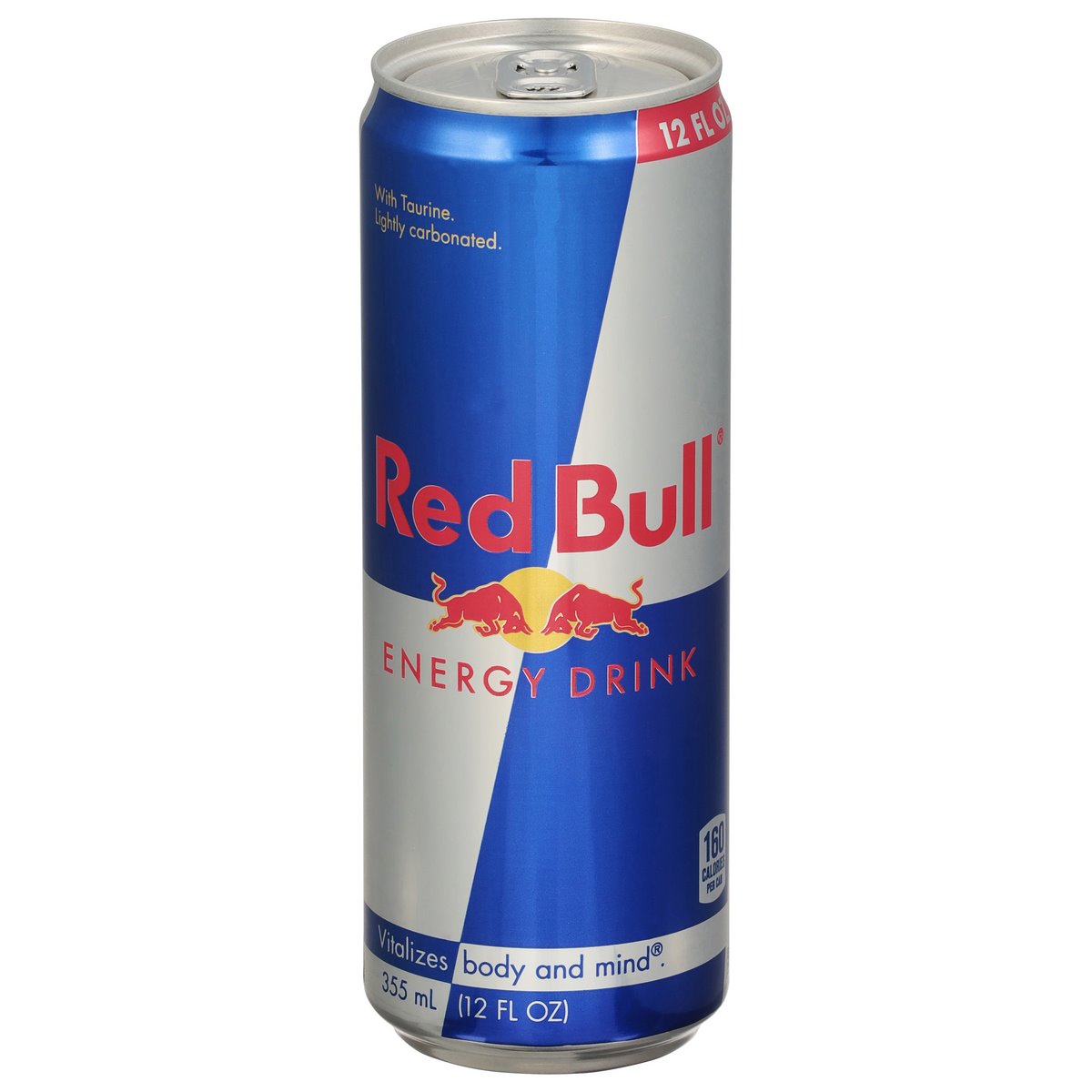
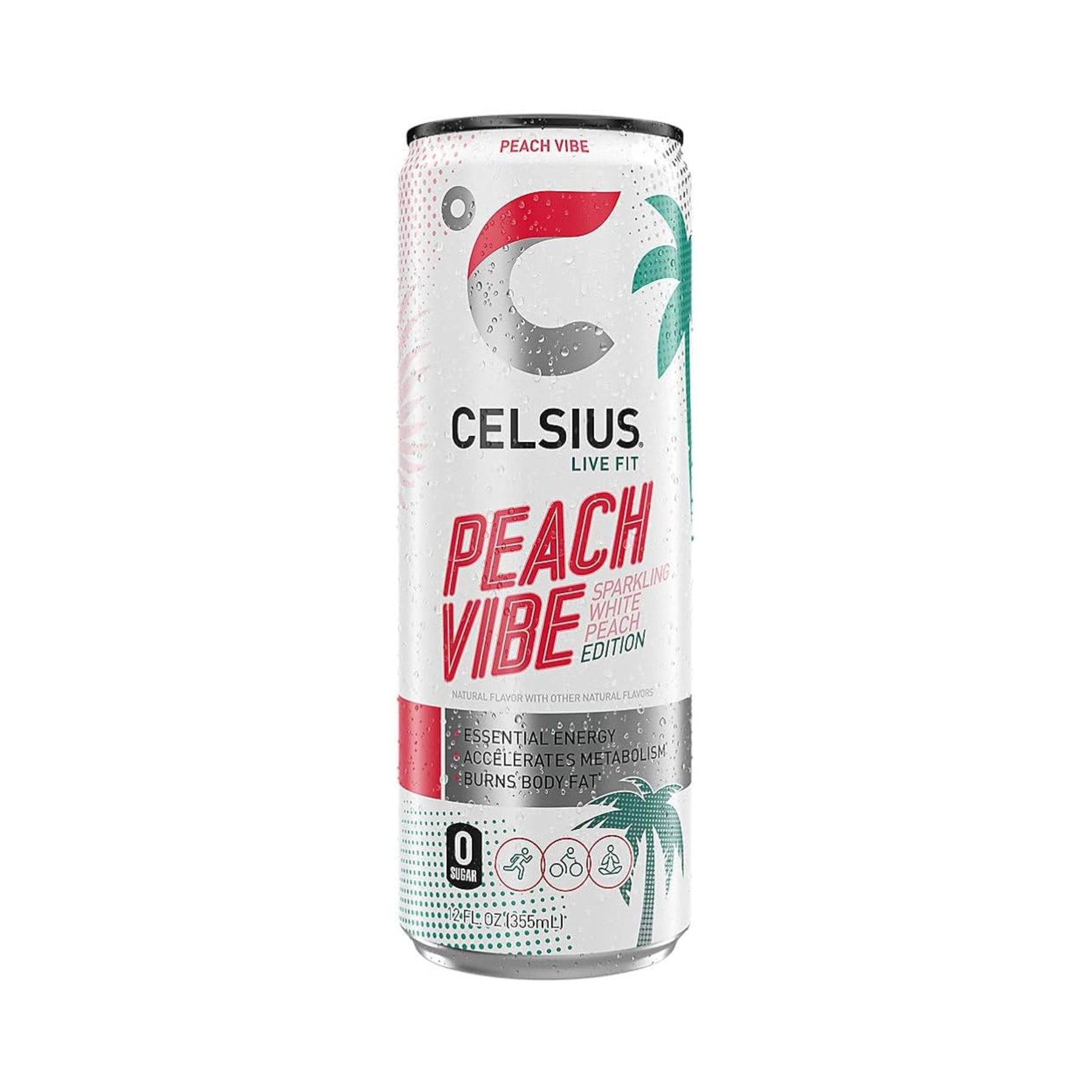
Red Bull vs Celsius: Caffeine, Sweeteners, and Ingredients
Red Bull vs Celsius from the real labels: 80 mg vs 200 mg caffeine, sugar vs sucralose, taurine, B vitamins and botanicals. Guess the cleaner can, then see the scan.
ComparisonCluster: Energy Drinksred bull vs celsius: caffeine, sweeteners and ingredients compared
9/13/2026 · 6 min read · Chris Carrillo · Reviewed by Armin Rad, Co-Founder & CTO, Aurascan · Last reviewed 9/13/2026
Written by Chris Carrillo. Reviewed by Armin Rad, Co-Founder & CTO, Aurascan. It cites 3 sources; use the source list and methodology to check the evidence directly.
If you need a moderate boost with simple carbohydrates for athletic fueling, Red Bull offers a standard 80 mg caffeine dose sweetened with real sugar, whereas Celsius delivers a potent 200 mg stimulant hit using zero-calorie sucralose alongside botanical extracts.
Key takeaways
Celsius provides 200 mg of caffeine per 12 oz can alongside guarana and green tea extract, whereas a standard 8.4 oz Red Bull provides 80 mg of caffeine.
Red Bull relies on sucrose and glucose for fast energy, while Celsius uses sucralose for a zero-sugar profile.
The FDA notes 400 mg per day as a safe upper intake for healthy adults, meaning two cans of Celsius reach the maximum recommended daily limit.
Both formulations contain taurine and essential B vitamins, but Celsius includes additional herbal extracts and mineral chelates.
Which has the cleaner label: Red Bull or Celsius?
Guess before you scroll.
Reveal Aurascan's verdict
Aurascan says: It's a tie
How Do Red Bull and Celsius Compare at a Glance?
When shopping the beverage aisle, choosing between traditional energy formulas and modern fitness beverages comes down to ingredient philosophy and stimulant load. Below is an ingredient-level comparison based on official product packaging.
Feature
Red Bull Energy Drink (12 Fl Oz Can)
Celsius Sparkling Peach Vibe (12 Fl Oz Can)
Primary Sweeteners
Sucrose, Glucose
Sucralose
Caffeine Dose
80 mg per 8.4 fl oz (Red Bull lists 114 mg for the 12 fl oz can)
200 mg per 12 fl oz can
Added Functional Botanicals
None
Guarana Seed Extract, Green Tea Extract, Ginger Root Extract
Analysis by Aurascan. Sources are listed on the product page.
How Much Caffeine Is in Red Bull vs Celsius?
The most noticeable operational difference between these two beverages is the stimulant concentration. A standard 8.4 oz serving of Red Bull provides 80 mg of caffeine, roughly equivalent to a standard home-brewed cup of coffee. By contrast, a 12 oz can of Celsius delivers 200 mg of total caffeine, more than double the concentration per fluid ounce.
According to the FDA Guidance on Caffeine Limits, healthy adults can safely consume up to 400 mg of caffeine per day without dangerous negative side effects. The EFSA Caffeine Safety Opinion also highlights that single doses up to 200 mg do not raise safety concerns for healthy individuals. Drinking one 12 oz Celsius accounts for exactly half of the FDA recommended daily threshold, whereas a single standard Red Bull represents only 20% of the upper limit.
As of September 13, 2026, the underlying ingredients in Red Bull (synthetic caffeine, taurine, sugars, and sweeteners) and Celsius (plant-derived caffeine, guarana, green tea extract, and sucralose) remain permitted for commercial sale without federal bans.
Furthermore, recent health reviews such as the PMC Review on Energy Drinks and Health highlight that while Celsius avoids added sugars and synthetic dyes, its higher caffeine and herbal stimulant load poses heightened cardiovascular risks compared to the moderate caffeine profile of traditional energy drinks. Combining high-dose caffeine with concentrated botanicals like guarana can exert extra stress on heart rate and blood pressure regulation in susceptible individuals.
What Are the Sweetener and Calorie Differences?
How these beverages sweeten their formulas impacts metabolic response and energy delivery. Red Bull uses a combination of sucrose and glucose. These simple carbohydrates absorb rapidly into the bloodstream, providing an immediate source of glucose that athletes often utilize during endurance events or high-intensity training.
Celsius takes a non-nutritive route by sweetening its drinks with sucralose. Sucralose provides high-intensity sweetness without contributing calories or raising blood sugar levels directly, making it popular for individuals following low-carbohydrate diets. Understanding these trade-offs is crucial when scanning labels, especially since added sugar has dozens of label names: the ones to know when tracking total daily carbohydrate intake.
Choosing between nutritive sugars and non-nutritive artificial sweeteners depends on personal goals. While simple sugars provide immediate glycogen replenishment, artificial sweeteners like sucralose allow consumers to manage caloric intake. To learn more about alternative sweetening agents, see our comparison on allulose vs erythritol: which sugar substitute is better? or how diet formulations stack up in Mountain Dew Zero Sugar vs Diet: Caffeine and Sweeteners.
What Functional Ingredients and Botanicals Are Included?
Beyond basic caffeine, both formulas integrate supplemental compounds intended to support mental focus and physical performance. Both Red Bull and Celsius include taurine, an amino sulfonic acid naturally present in meat, fish, and human tissue that plays a role in cellular hydration and cardiovascular function.
Celsius adds several herbal ingredients to its core formula:
Guarana Seed Extract: A South American plant containing naturally occurring caffeine and tannins.
Green Tea Extract: Provides additional polyphenols alongside plant-derived caffeine.
Ginger Root Extract: Often added to functional formulas for digestion and flavor complexity.
Glucuronolactone: A naturally occurring metabolite involved in structural connective tissues.
Because guarana naturally contains caffeine molecules, the total stimulant effect in herbal blends can feel more sustained or pronounced for some drinkers. Red Bull avoids botanical extracts, relying strictly on synthetic caffeine and taurine for its functional blend.
How Do the Vitamin and Additive Profiles Differ?
Examining the back label shows distinct micronutrient strategies. Red Bull includes a focused array of water-soluble B vitamins: niacinamide (B3), calcium pantothenate (B5), pyridoxine hydrochloride (B6), and vitamin B12. These vitamins act as coenzymes in cellular energy metabolism.
Celsius features an expanded micronutrient list that includes ascorbic acid (vitamin C), riboflavin (vitamin B2), biotin (vitamin B7), and chromium chelate. Chromium is an essential trace mineral involved in carbohydrate and lipid metabolism. For color and buffering, Celsius uses beta-carotene and calcium carbonate, whereas traditional Red Bull relies on standard color additives, sodium bicarbonate, and magnesium carbonate.
Consumers monitoring specific dietary additives can see how modern formulations swap synthetic dyes for botanical colorants like beta-carotene, reflecting shifts seen across the wider packaged food industry.
Which Energy Drink Should You Pick for Your Goals?
Selecting between Red Bull and Celsius depends on your daily schedule, caffeine tolerance, and nutritional requirements:
Pick Red Bull if: You want a moderate 80 mg caffeine boost, need fast-acting carbohydrates for athletic endurance, or prefer a shorter ingredient list without botanical extracts.
Pick Celsius if: You are managing calorie or sugar intake, prefer a higher 200 mg caffeine dose for workouts, and want added micronutrients like vitamin C and chromium.
Both beverages require caution for sensitive groups. The American Academy of Pediatrics advises that children and adolescents avoid energy drinks due to potential cardiovascular and neurological impacts. Pregnant or breastfeeding individuals are generally advised by medical professionals to limit caffeine intake to under 200 mg daily from all sources combined.
Scientific evidence cannot establish identical individual responses for everyone; caffeine clearance rates vary widely based on liver enzyme activity, genetics, and baseline tolerance. Anyone with preexisting heart conditions or high blood pressure should consult a healthcare provider before introducing high-stimulant beverages into their routine.
How much caffeine is in Celsius compared to Red Bull?
A standard 12 oz can of Celsius contains 200 mg of caffeine, while a standard 8.4 oz can of Red Bull contains 80 mg of caffeine. Per ounce, Celsius provides significantly higher stimulant concentration.
Does Celsius have sugar?
No. Celsius Sparkling Peach Vibe uses the zero-calorie non-nutritive sweetener sucralose instead of sugar, whereas original Red Bull is sweetened with sucrose and glucose.
Is 200 mg of caffeine in Celsius safe to drink every day?
The FDA considers up to 400 mg of caffeine per day safe for healthy adults. One can of Celsius delivers 200 mg, which is half of that recommended daily limit.
Why does Celsius contain guarana and green tea extract?
Celsius includes guarana seed extract and green tea extract as plant-based sources of naturally occurring caffeine, antioxidants, and polyphenols.
Can adolescents drink Red Bull or Celsius safely?
Major pediatric organizations recommend that children and teenagers avoid energy drinks due to elevated caffeine levels and their potential effects on heart rate and sleep.
See what is in your label
Aurascan turns product labels into plain-English ingredient explanations and source-backed context.
Mountain Dew Zero Sugar has more caffeine than Diet Mountain Dew; both use aspartame, Ace-K and sucralose plus Yellow 5. Ingredients, PKU warning and taste compared.
Diet Dr Pepper uses aspartame alone; Dr Pepper Zero Sugar blends aspartame with acesulfame potassium. Caffeine, ingredients, PKU warning and taste compared.