
Is taurine extracted from bull urine or sperm?
No. Commercial taurine used in energy drinks, dietary supplements, and foods is produced synthetically in laboratories. It contains zero animal byproducts and is completely vegan.
Learn what taurine is, why it appears in energy drinks, how it is manufactured, its regulatory safety status under EFSA and FDA, and who should limit intake.
9/13/2026 · 8 min read · Chris Carrillo · Reviewed by Armin Rad, Co-Founder & CTO, Aurascan · Last reviewed 9/13/2026
Editorial accountability
Written by Chris Carrillo. Reviewed by Armin Rad, Co-Founder & CTO, Aurascan. It cites 4 sources; use the source list and methodology to check the evidence directly.
Walk through a crawlable sample result, including what comes from the label, what needs evidence, and what the scanner cannot conclude.
View the sample resultTaurine is a conditionally essential amino sulfonic acid synthesized naturally in the body and obtained through animal proteins. Major food safety authorities consider typical amounts in energy drinks safe for healthy adults. Commercial taurine is 100% synthetic and vegan, debunking myths regarding animal extraction.
Key takeaways:
Is a can of Red Bull clean?
Guess before you scroll.
Aurascan says: Flagged
The main flag is SUCROSE.
Taurine, chemically known as 2-aminoethanesulfonic acid, is a sulfur-containing molecule. Unlike standard amino acids, taurine is not incorporated into building blocks for cellular proteins. Instead, it remains free in tissues throughout your body, existing in high concentrations in the heart, brain, retina, and skeletal muscles.
Your liver naturally synthesizes taurine from the amino acids cysteine and methionine with the help of vitamin B6. In biological processes, taurine plays several essential roles:
While healthy adults generally produce enough taurine endogenously to meet basic metabolic needs, it is categorized as a conditionally essential nutrient because premature infants and individuals with certain metabolic stresses may require dietary intake.
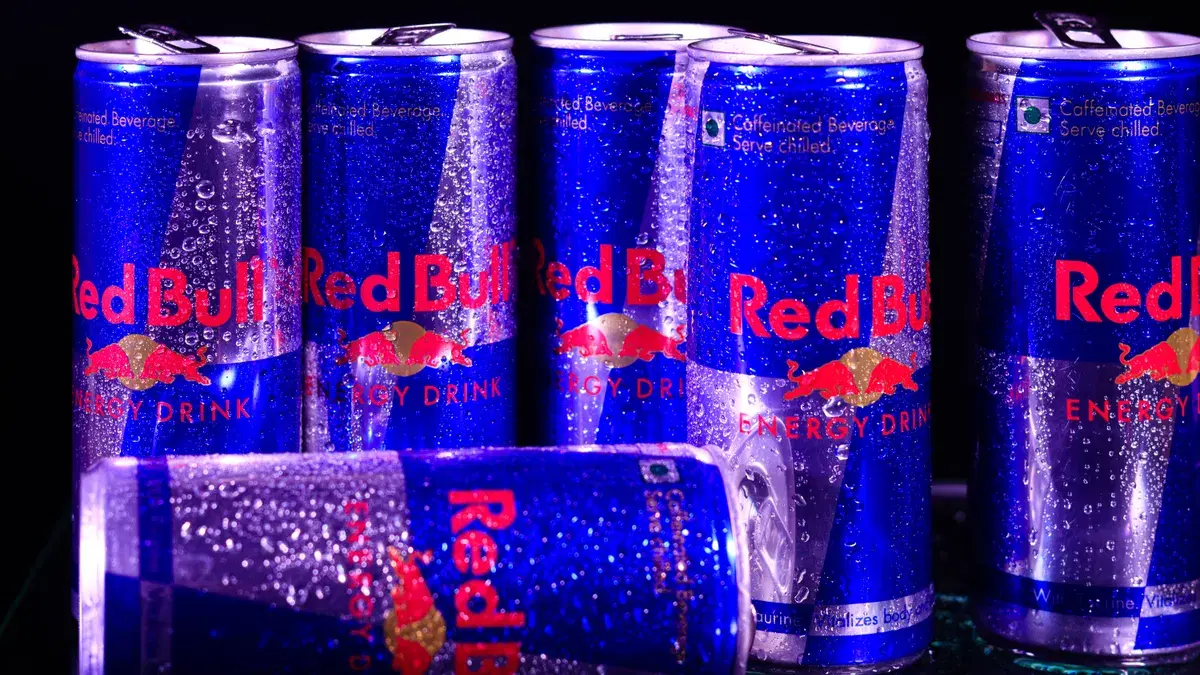
Taurine is one of the most recognizable ingredients in functional beverages, sports supplements, and infant nutrition. Formulators include it in energy drinks primarily for its synergistic relationship with stimulants like caffeine.
While caffeine elevates alertness by blocking adenosine receptors, it can also cause acute increases in blood pressure, heart rate, and jitteriness. Research on cardiovascular function indicates that supplemental taurine can promote vascular relaxation and buffer against caffeine-induced spikes in vascular resistance. This creates a smoother physiological response during intense physical exertion or cognitive tasks.
Beyond energy drinks, taurine is added to infant formulas to match the natural nutrient profile of human breast milk, which is naturally rich in taurine compared to cow milk. It is also used in athletic performance powders to support muscle endurance, hydration, and exercise recovery.
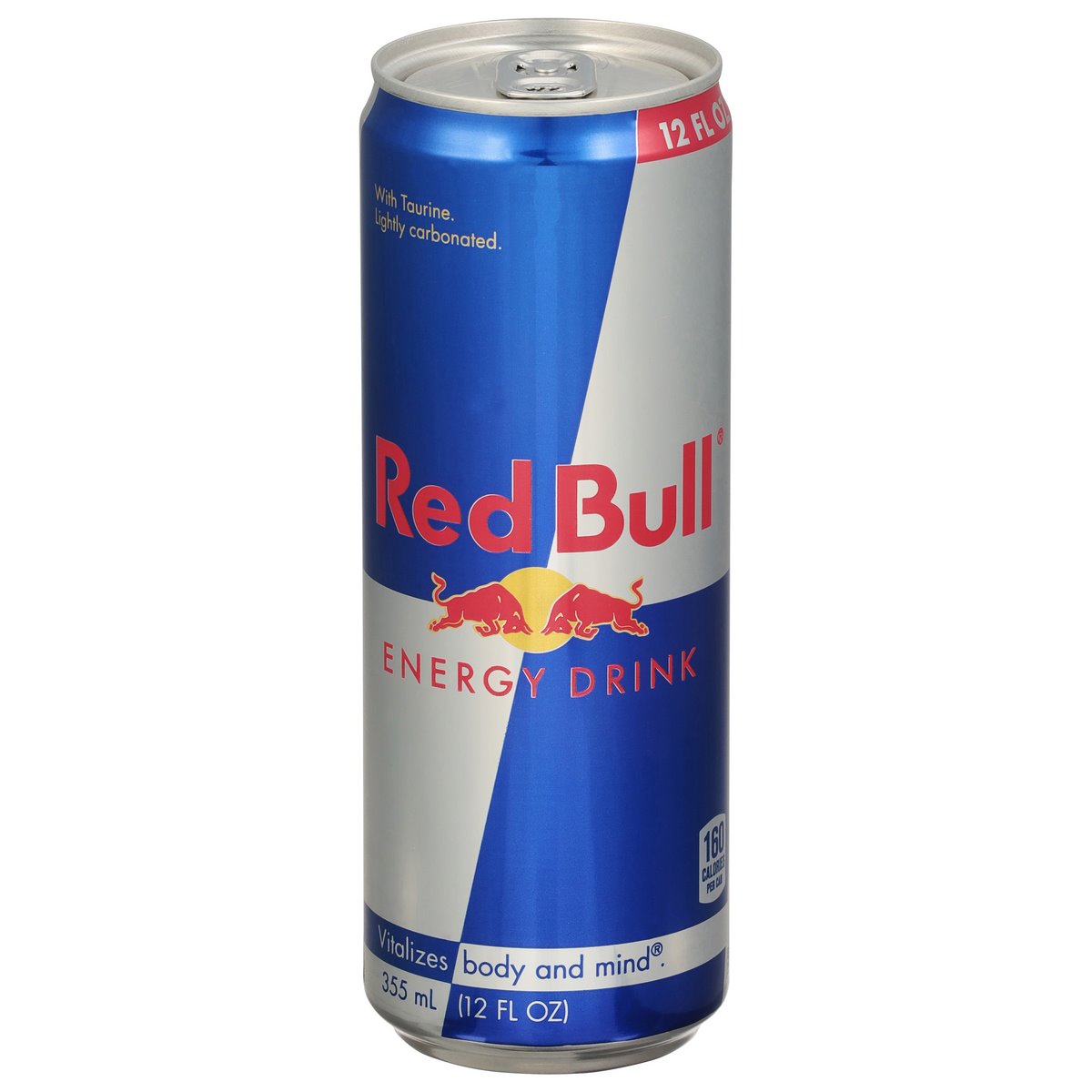
Red Bull
Red Bull Energy Drink 12 Fl Oz Can
Standout ingredient: VITAMIN B12
One of the most persistent urban legends in food science is the claim that commercial taurine is extracted from bull bile, semen, or testicles. While German scientists Leopold Gmelin and Friedrich Tiedemann first isolated taurine from ox bile in 1827 (hence the name derived from the Latin taurus), modern commercial production does not involve animals.
Today, virtually all taurine used in food, beverages, cosmetics, and pharmaceuticals is produced through precise chemical synthesis in manufacturing facilities. The primary industrial pathway involves the reaction of ethylene oxide or monoethanolamine with sodium bisulfite or sulfur dioxide, followed by purification and crystallization.
This fully synthetic process ensures high purity, consistent quality control, and zero animal-derived inputs. Consequently, the taurine found on ingredient lists is 100% vegan, vegetarian, and halal-compliant. In personal care, the Safety Assessment of Amino Acid and Amino Acid Derivative Ingredients as Used in Cosmetics by the Cosmetic Ingredient Review notes that synthetic taurine is similarly safe for topical use in moisturizers and barrier-repair formulations.
Taurine has undergone extensive toxicological reviews by global health agencies to evaluate its safety as a food additive and dietary supplement ingredient.
The European Food Safety Authority evaluated exposure from energy drinks in its detailed review, EFSA adopts opinion on two ingredients commonly used in some energy drinks, and reaffirmed these conclusions in dietary exposure evaluations in 2015. The EFSA established a No Observed Adverse Effect Level (NOAEL) of 1,000 mg per kilogram of body weight per day in animal studies. In its evaluations, EFSA concluded that safety is affirmed for intakes up to approximately 6 g/day (6,000 mg per day) from energy drinks, indicating that typical consumption from functional beverages poses no safety concern.
In the United States, the Food and Drug Administration (FDA) evaluates taurine through the Generally Recognized as Safe (GRAS) notification program. Under Agency Response Letter GRAS Notice No. GRN 000586, the agency issued a no-questions letter regarding the use of synthetic taurine as an ingredient in flavored water beverages and energy products at designated levels.
Clinical trials examining taurine supplementation in adults frequently test doses between 1,000 mg and 6,000 mg per day for several months without reporting serious adverse events. However, long-term scientific evidence remains limited regarding continuous, high-dose supplemental intake spanning multiple consecutive years, and the evidence cannot establish the complete absence of subtle chronic effects across all diverse genetic backgrounds.
When consumed within normal dietary amounts, supplemental taurine is generally well tolerated. However, adverse reactions do occur, and they are almost universally tied to beverage formulations or extreme intake scenarios.
Energy drinks package taurine alongside high concentrations of caffeine, sugar, B-vitamins, and herbal extracts. While taurine itself has a high safety ceiling, consuming multiple cans in rapid succession can lead to acute caffeine toxicity. Symptoms include tachycardia, palpitations, anxiety, insomnia, and gastrointestinal upset.
Mixing energy drinks containing taurine and caffeine with alcohol creates significant behavioral hazards. Caffeine masks the sedative effects of alcohol, leading to a state of wide-awake drunkenness where individuals underestimate their level of impairment, increasing the risk of alcohol poisoning and physical accidents.
At very high supplemental doses (above 3,000 to 5,000 mg at once), some individuals report mild side effects such as nausea, abdominal cramps, mild diarrhea, headache, and transient dizziness.
Taurine is easy to spot on packaged food and beverage labels because food labeling regulations typically require it to be declared by its common name, "Taurine" or "L-Taurine."
Let us look at a real-world example: Red Bull Energy Drink (12 Fl Oz Can, UPC 611269818994).
Ingredients: CARBONATED WATER, SUCROSE, GLUCOSE, CITRIC ACID, TAURINE, SODIUM BICARBONATE, MAGNESIUM CARBONATE, CAFFEINE, NIACINAMIDE, CALCIUM PANTOTHENATE, PYRIDOXINE HCL, VITAMIN B12, NATURAL and ARTIFICIAL FLAVORS, COLORS.
Here is what this label tells you:
See what is really in the food you buy.
Scan it yourself. Get the Aurascan appAlthough taurine is safe for the general population, specific groups should exercise caution or avoid supplemental doses:
If you prefer to obtain taurine naturally through whole foods rather than fortified energy drinks or powders, animal-based proteins are the best source. Taurine is absent in plant foods, meaning vegans and strict vegetarians have lower circulating plasma levels, though internal synthesis from methionine and cysteine prevents severe deficiency in healthy adults.
Top dietary sources of natural taurine include:
For those seeking performance and hydration support without added taurine, alternatives include branched-chain amino acids, electrolyte complexes (sodium, potassium, magnesium), or simple whole-food nutrition.
No. Commercial taurine used in energy drinks, dietary supplements, and foods is produced synthetically in laboratories. It contains zero animal byproducts and is completely vegan.
The European Food Safety Authority (EFSA), across its key safety reviews including opinions in 2009 and 2015, concluded that consuming up to approximately 6,000 mg (6 grams) of taurine per day from energy drinks poses no safety concern for healthy adults. Typical energy drinks contain between 1,000 mg and 2,000 mg per can.
No. Clinical research indicates that taurine helps relax blood vessels and may modestly lower resting blood pressure. Any spikes in blood pressure after drinking energy drinks are typically driven by caffeine and sugar, not taurine.
Taurine is an amino sulfonic acid. Unlike the 20 standard amino acids, it does not build proteins, but instead floats freely in cellular fluid to regulate hydration, bile formation, and nerve signaling.
Taurine itself supports regular heart rhythms and does not cause palpitations. Palpitations associated with energy drink consumption are almost always caused by large doses of caffeine, added stimulants, or dehydration.
Yes. Modern commercial taurine is synthesized from chemical precursors rather than animal tissues, making it 100% vegan and vegetarian friendly.
Aurascan turns product labels into plain-English ingredient explanations and source-backed context.
Scan your next label with AurascanWhat changed on food labels this week — bans, recalls, and new guides.
Source labels distinguish peer-reviewed research, regulatory material, and Aurascan label data when that classification is available.
Learn what soy lecithin is, why it is added to chocolate and protein bars, its FDA and EFSA safety status, and how it affects people with soy allergies.
BHT (E321) keeps cereal and chips from going rancid. FDA and EFSA limits, the IARC Group 3 rating, the 2026 FDA reassessment, and how to spot it on labels.
Learn what saccharin (E954) is, why 1970s cancer warnings were removed, current FDA and EFSA safety rules, label names, and gut health facts.