
Why do some chips contain both MSG and disodium guanylate?
Disodium guanylate and disodium inosinate work synergistically with monosodium glutamate (MSG) to produce a much more intense umami flavor than any single additive could achieve alone.
Doritos, Pringles Hot Honey, Lay's Baked, Stacy's pita chips, SkinnyPop and SkinnyDipped almonds: what each real label says, with a scan card for every one.
9/13/2026 · 7 min read · Chris Carrillo · Reviewed by Armin Rad, Co-Founder & CTO, Aurascan · Last reviewed 9/13/2026
Editorial accountability
Written by Chris Carrillo. Reviewed by Armin Rad, Co-Founder & CTO, Aurascan. It cites 4 sources; use the source list and methodology to check the evidence directly.
Walk through a crawlable sample result, including what comes from the label, what needs evidence, and what the scanner cannot conclude.
View the sample resultWhen shoppers pick up everyday packaged snacks, front-of-pack claims rarely tell the full nutritional story. By analyzing the verified ingredient statements on six of the most frequently scanned packaged snacks, we reveal how manufacturers layer flavor enhancers, multi-source sweeteners, emulsifiers, and hidden dairy sub-ingredients across sweet and savory profiles.
Key takeaways:
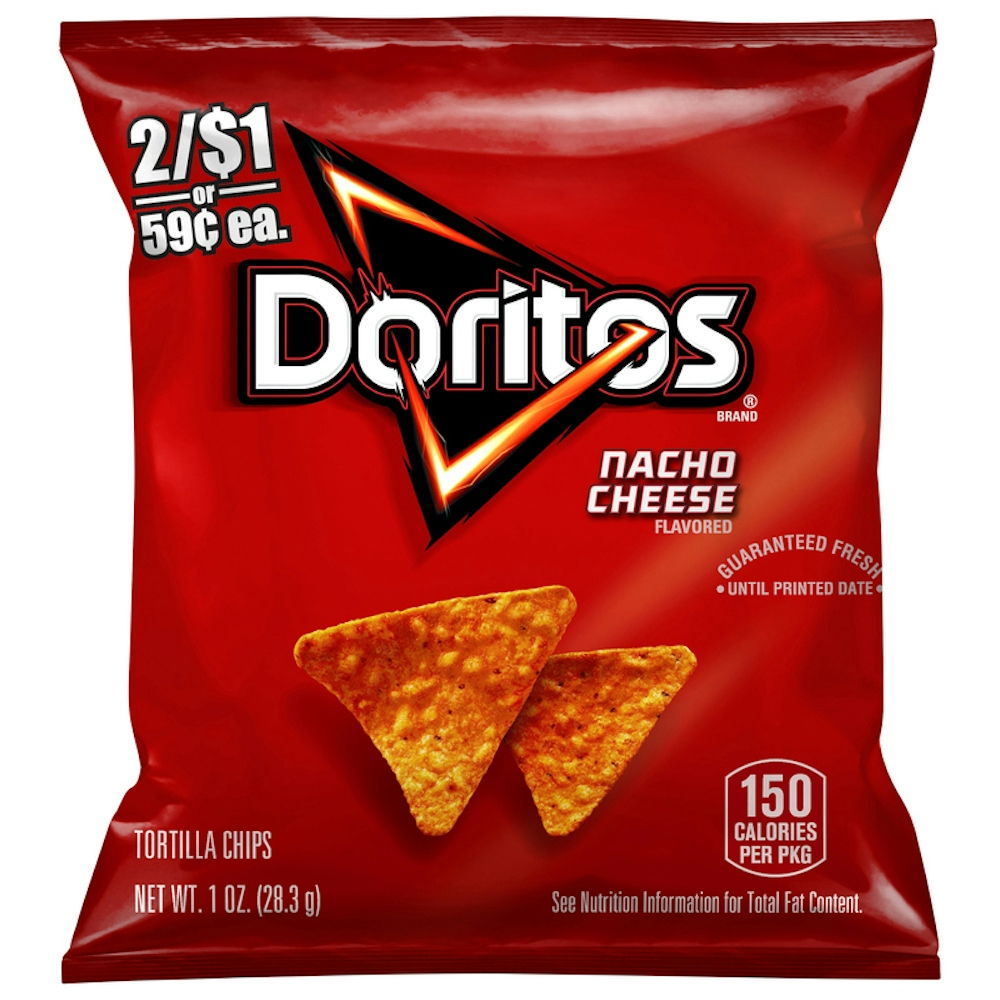
Doritos
Doritos Tortilla Chips Nacho Cheese Flavored - 1 Ounce
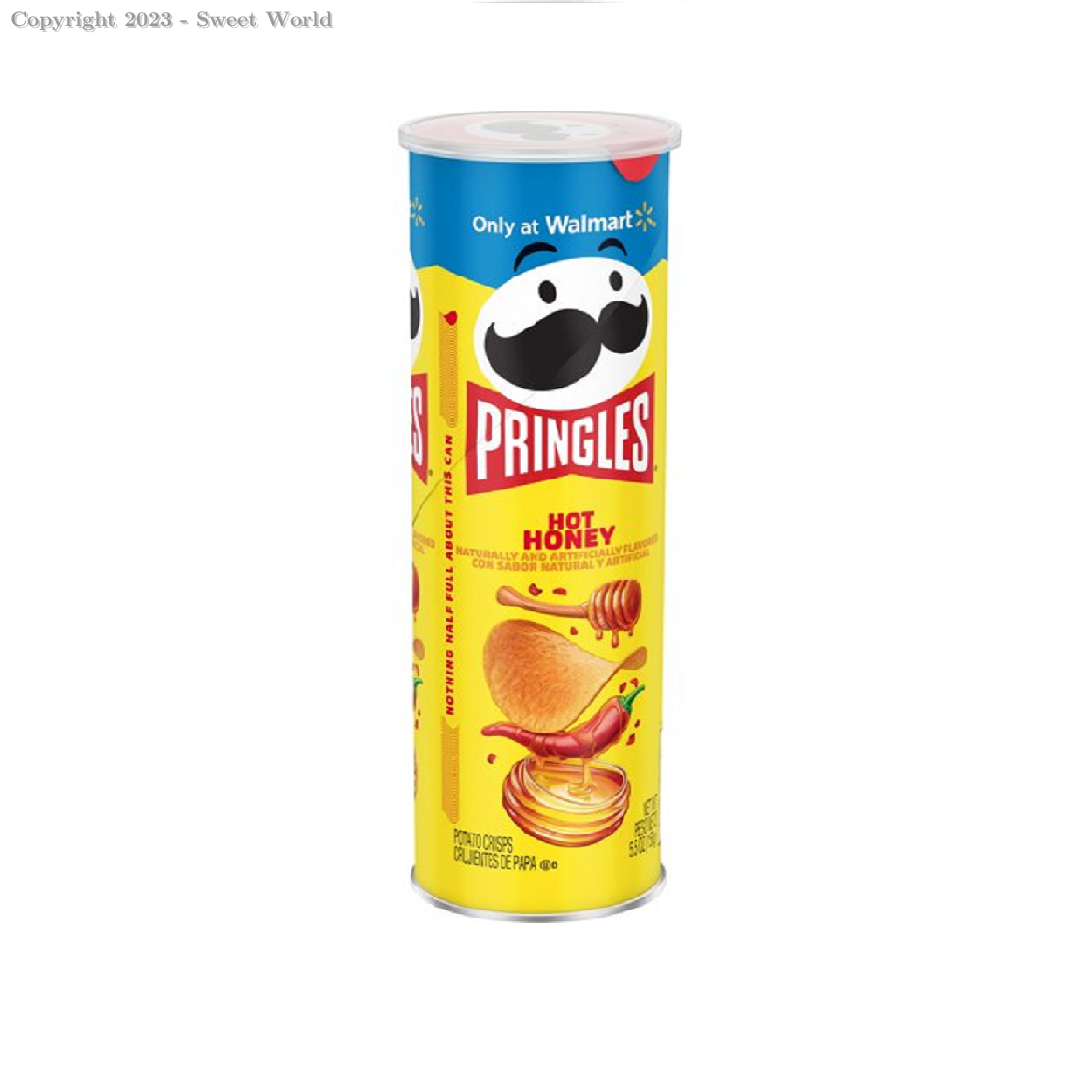
Pringles
Pringles Potato Crisps Chips, Hot Honey 5.5 Oz
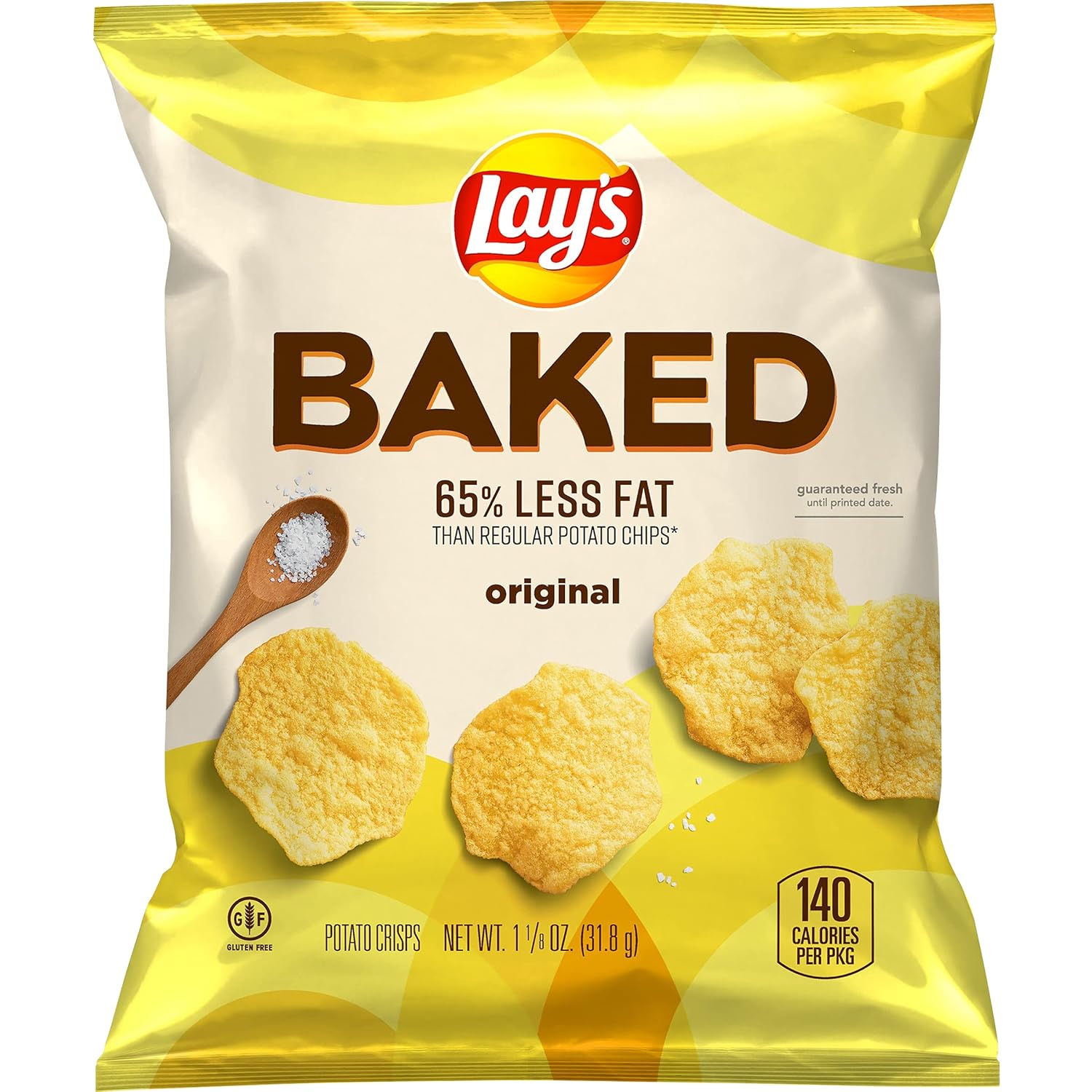
Lay's
Lay's Oven Baked Potato Crisps, Original, 1.125 Oz
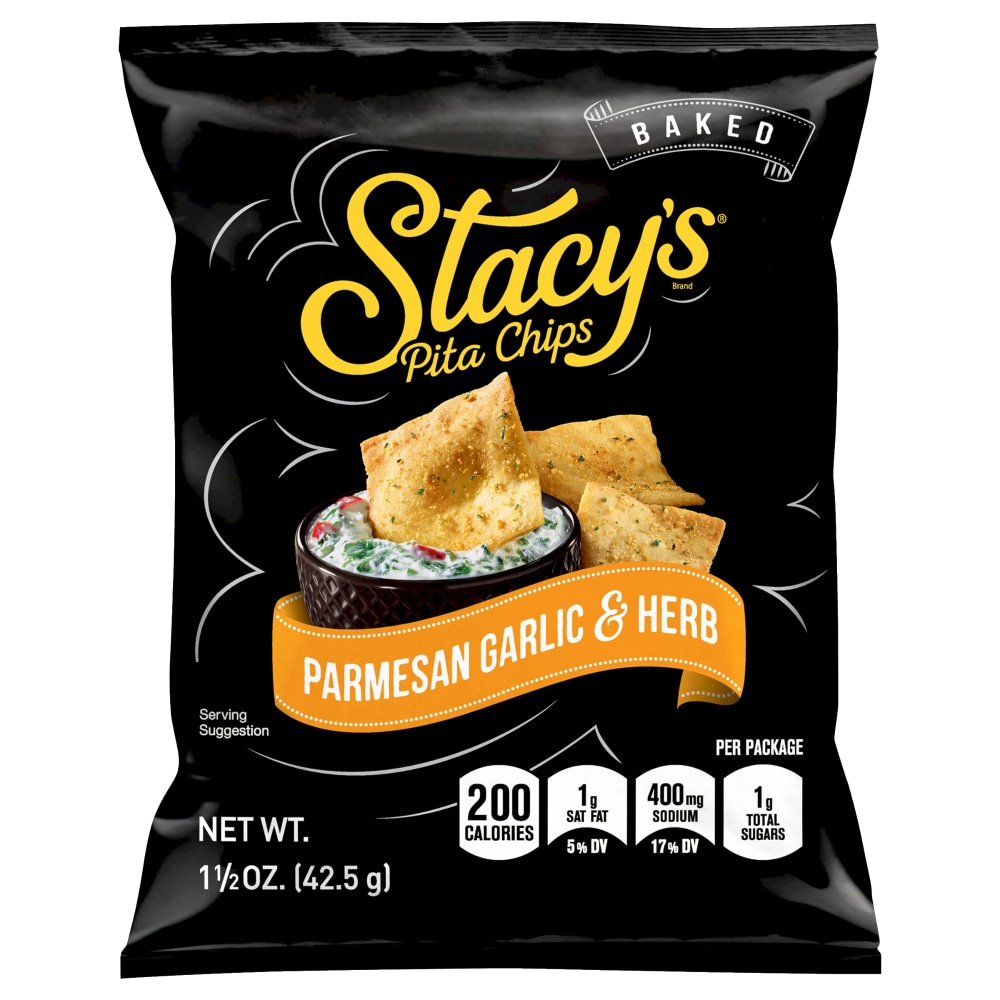
Stacy's
Stacy's Baked, Parmesan Garlic & Herb, Pita Chips
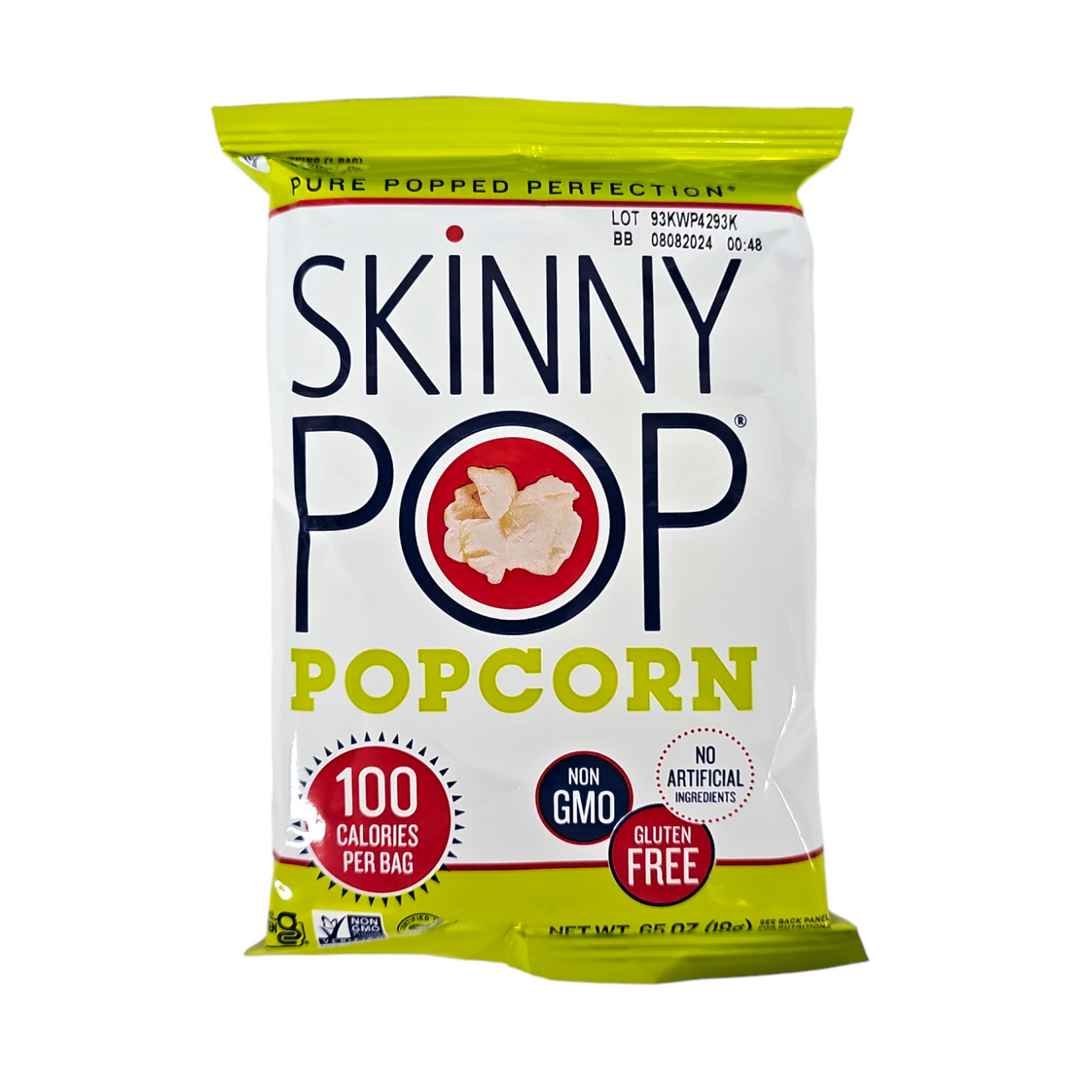
Skinny Pop
Skinny Pop Original Popcorn 100 Calorie Bag, 0.65 Oz
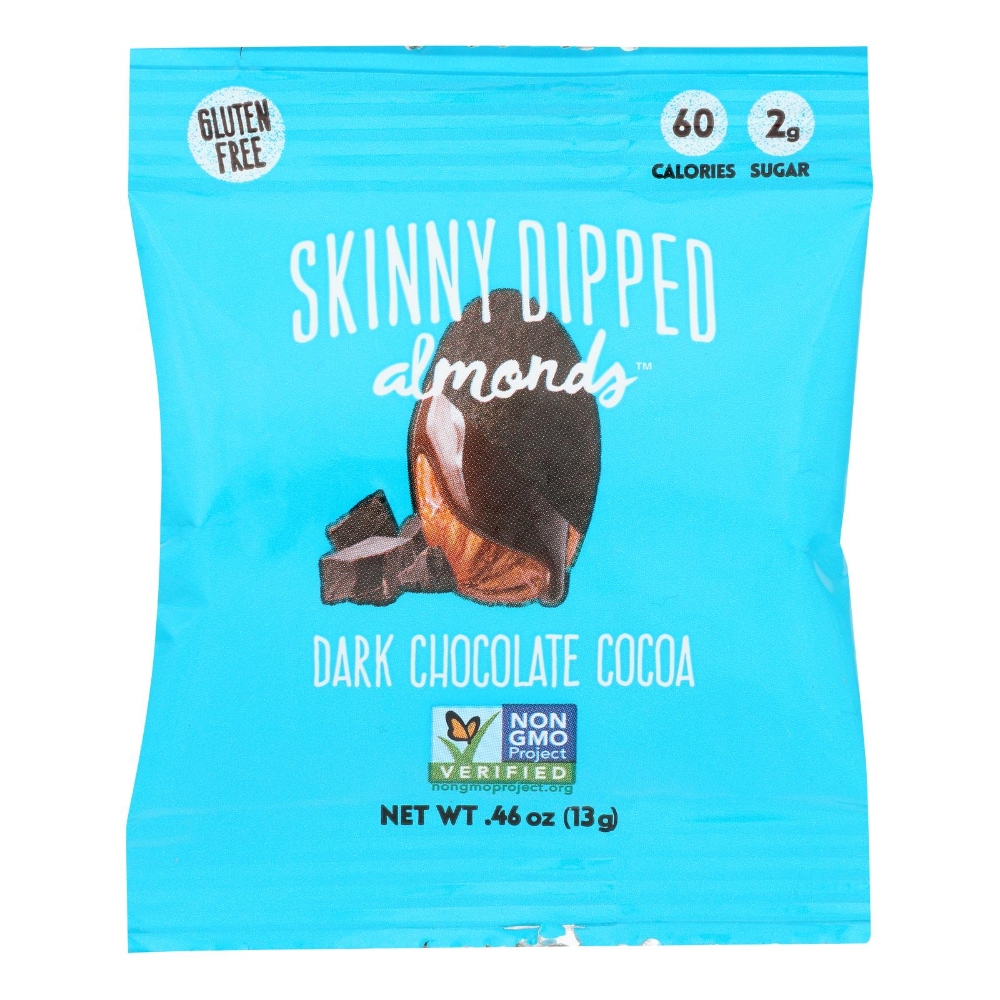
Skinny Dipped Almonds
Skinny Dipped Almonds Skinnydipped - Dip Almond Mini Dark Chocolate Cocoa - Case Of 24-0.46 Oz
Are Doritos Nacho Cheese clean?
Guess before you scroll.
Aurascan says: Flagged
The main flag is Vegetable Oil.
To build this label breakdown, we selected representative packaged snacks based on clear selection criteria: high nationwide retail availability, frequent scanning volume in mobile food apps, and broad category coverage spanning flavored tortilla chips, pressed crisps, baked potato crisps, baked pita chips, popcorn, and chocolate-coated nuts.
As of September 13, 2026, analyzing scanned snacks is a practical way to master label reading, even though snacks and their individual additives are governed under standard federal food safety rules rather than a single unified snack regulation. Looking directly at ingredient statements shows how commercial food formulation works in practice according to the FDA Nutrition Facts Guide.
Analyzing labels across sweet and savory profiles also highlights how varied sweeteners and processing aids appear in everyday groceries. To explore how sugars are listed across packaged items, review added sugar has dozens of label names: the ones to know and regulatory context on the FDA Added Sugars Guidance.
Doritos Nacho Cheese is one of the most recognizable flavored tortilla chips on retail shelves, making it a frequent target for barcode scanning. Consumers commonly scan this product to understand what generates its bold savory punch and vibrant orange coating.
The official ingredient panel reads: Corn, Vegetable Oil (Sunflower, Canola, Corn Oil), Maltodextrin (Made From Corn), Salt, Cheddar Cheese (Milk, Cheese Cultures, Enzymes), Whey, Monosodium Glutamate, Buttermilk, Romano Cheese (Part-skim Cow's Milk, Cheese Cultures, Salt, Enzymes), Romano Cheese (Cow's Milk, Cheese Cultures, Salt, Enzymes), Whey Protein Concentrate, Onion Powder, Corn Flour, Natural And Artificial Flavor, Dextrose, Tomato Powder, Lactose, Spices, Artificial Color (Yellow 6, Yellow 5, Red 40), Lactic Acid, Citric Acid, Sugar, Garlic Powder, Skim Milk, Red And Green Bell Pepper Powder, Disodium Inosinate, Disodium Guanylate, Potassium Chloride, And Sodium Caseinate.
Doritos Nacho Cheese contains a classic flavor-enhancement trio: Monosodium Glutamate (MSG), Disodium Inosinate, and Disodium Guanylate. Working together, combining MSG with these 5-prime ribonucleotides multiplies the perceived umami intensity well beyond what MSG delivers alone. The vivid hue comes from synthetic certified color additives, specifically Yellow 6, Yellow 5, and Red 40. For dairy-sensitive consumers, the label contains numerous milk-derived components beyond cheese, including whey, buttermilk, whey protein concentrate, lactose, skim milk, and sodium caseinate. Consumers watching salt should monitor FDA Sodium in Your Diet recommendations.
Pringles crisps are distinct because they are pressed from a uniform potato dough rather than sliced directly from whole potatoes. The Hot Honey variety draws heavy scanner interest because shoppers want to dissect how its sweet heat seasoning is formulated.
The ingredient list includes: Dried Potatoes, Vegetable Oil (Corn, Cottonseed, High Oleic Soybean, Sunflower), Degerminated Yellow Corn Flour, Cornstarch, Rice Flour, Sugar, Maltodextrin, Mono- and Diglycerides. Contains 2% Or Less Of Salt, Fructose, Honey, Molasses, Cayenne Pepper Sauce (Aged Cayenne Red Peppers, Vinegar Solids, Salt, Garlic Powder), Spices, Natural Flavor, Whey, Paprika Extract Color, Wheat Starch.
The crisp base relies on dried potatoes combined with corn flour, cornstarch, and rice flour. These ingredients are stabilized with mono- and diglycerides, which serve as emulsifiers to ensure uniform dough handling through high-speed shaping machinery. The sweet heat profile uses four separate sweetening agents: sugar, fructose, honey, and molasses. Natural paprika extract provides color, while aged cayenne peppers and vinegar solids deliver acidity and heat. Those with gluten sensitivities must note the wheat starch in the seasoning blend.
Marketed as a lower-fat alternative to traditional deep-fried potato chips, Lay's Oven Baked Potato Crisps are frequently scanned by consumers comparing macronutrient figures and ingredient brevity against standard fried options.
The product label contains: Dried Potatoes, Corn Starch, Corn Oil, Sugar, Sea Salt, Soy Lecithin, Dextrose, Annatto Extracts.
This formula is significantly shorter than seasoned fried crisps. The dough base consists of dried potatoes and corn starch bound with corn oil. Rather than using synthetic petroleum dyes, the golden hue comes from annatto extract, a plant-derived food color extracted from achiote seeds. Soy lecithin is added as a processing aid and emulsifier to prevent dough from tearing or sticking to baking equipment. If you want to understand how emulsifiers function across packaged goods, see is soy lecithin safe? uses, allergy facts, and label names. Sweetness is balanced with standard sugar and dextrose.
Pita chips are commonly perceived as an artisanal snack for dips and charcuterie boards, yet their seasoned varieties contain intricate dough-conditioning systems and savory flavor agents.
The label reads: Enriched Wheat Flour (Wheat Flour, Niacin, Reduced Iron, Thiamine Mononitrate, Riboflavin, Folic Acid), Sunflower Oil And/or Canola Oil, Parmesan Cheese (Pasteurized Cow's Milk, Cheese Cultures, Salt, Enzymes), Sea Salt, Whole Wheat Flour, Organic Cane Sugar, Dried Garlic, Part-skim Milk, Oat Fiber, Yeast, Parsley, Malted Barley Flour, Rosemary Extract, Ascorbic Acid.
The chip foundation blends enriched wheat flour with whole wheat flour and oat fiber to achieve a firm crunch. Real parmesan cheese, dried garlic, and parsley provide the core flavor profile. To protect lipid quality and prevent staleness throughout distribution, the chips use rosemary extract and ascorbic acid (vitamin C) as natural antioxidants. Malted barley flour supplies enzymes that support yeast fermentation. Consumers monitoring milk protein intake should note both parmesan cheese and part-skim milk.
SkinnyPop Original represents the ultra-minimalist end of the packaged snack spectrum. Shoppers scan this product frequently to verify whether any unadvertised flavorings, dairy byproducts, or synthetic preservatives are present.
The complete ingredient statement is: Popcorn, Sunflower Oil, Salt.
There are zero chemical additives, artificial colors, preservatives, or synthetic flavor enhancers in this formulation. The product relies entirely on three whole elements: popped corn kernels, sunflower oil for popping and mouthfeel, and sea salt. This three-ingredient formulation serves as an ideal benchmark for clean labeling, eliminating hidden allergen crossover from soy, wheat, or dairy in its base formula.
Positioned as a lower-sugar chocolate treat, SkinnyDipped Almonds attract attention from shoppers looking for confectionery snacks that feature whole nuts with a thinner sweet coating.
The ingredient list states: Almonds, Dark Chocolate (Unsweetened Chocolate Processed With Potassium Carbonate, Sugar, Cocoa Butter, Milk Fat (Butter), Sunflower Lecithin, Soy Lecithin, Pure Vanilla), Organic Maple Sugar, Sea Salt, Cocoa Powder.
Whole roasted almonds form the primary bulk of the snack. The dark chocolate coating is alkalized, meaning the unsweetened chocolate is treated with potassium carbonate (Dutch processing) to neutralize natural cocoa acidity and produce a darker, mellower flavor. Sweetness comes from cane sugar within the chocolate combined with organic maple sugar dusted on the exterior. The chocolate layer uses two emulsifiers, sunflower lecithin and soy lecithin, along with milk fat. Anyone managing tree nut, soy, or dairy sensitivities must review these elements carefully.
Evaluating ingredient statements does not require memorizing every technical additive name. Applying a few systematic label-reading habits helps you evaluate any packaged snack within seconds:
It is important to state that available scientific evidence and product ingredient statements cannot establish individual biological tolerance, unstudied long-term additive interactions, or customized clinical health outcomes for every consumer. Always cross-reference ingredient panels with your personal medical needs, allergen sensitivities, and dietary goals.
See what is really in the food you buy.
Scan it yourself. Get the Aurascan appDisodium guanylate and disodium inosinate work synergistically with monosodium glutamate (MSG) to produce a much more intense umami flavor than any single additive could achieve alone.
This refers to Dutch processing, an alkalizing technique where cocoa is treated with potassium carbonate to reduce natural acidity, darken the color, and produce a milder chocolate flavor.
Not necessarily. While some baked snacks use simpler recipes, many rely on dried starches, vegetable oil blends, emulsifiers like soy lecithin, and added sugars to achieve crispness without deep-frying.
Rosemary extract is commonly used as a natural antioxidant to prevent the oils in baked goods from oxidizing and turning rancid over time.
Food manufacturers select colorings based on desired brightness, heat stability, and shelf life. Some snacks use synthetic dyes like Yellow 6 and Red 40 for bold hues, while others use botanical extracts like paprika or annatto.
TBHQ (tertiary butylhydroquinone) is a synthetic food-grade antioxidant added in small amounts to prevent vegetable oils and fats from oxidizing, thereby extending shelf life and preventing rancid off-flavors.
Aurascan turns product labels into plain-English ingredient explanations and source-backed context.
Scan your next label with AurascanWhat changed on food labels this week — bans, recalls, and new guides.
Source labels distinguish peer-reviewed research, regulatory material, and Aurascan label data when that classification is available.
Diet Coke, Sprite, Fanta Orange, Fanta Pineapple and Fresca, label by label: which sweetener, acid, dye and preservative each one uses and what regulators say.
The names added sugar hides under on labels, from corn syrup to fruit juice concentrate, how 'sugar splitting' works, and what the FDA Added Sugars line counts.
State-by-state list of enacted US food additive laws: California, West Virginia, Texas, Arizona, Utah, Louisiana, Virginia, Tennessee. What is banned, where, and when.