
What are the main ingredients in Diet Coke?
Diet Coke contains carbonated water, caramel color, aspartame, phosphoric acid, potassium benzoate, natural flavors, and citric acid, along with caffeine in caffeinated versions.
Carbonated water, caramel color, aspartame, phosphoric acid, potassium benzoate, natural flavors, citric acid: what each does, what regulators say, and the scan.
9/13/2026 · 7 min read · Chris Carrillo · Reviewed by Armin Rad, Co-Founder & CTO, Aurascan · Last reviewed 9/13/2026
Editorial accountability
Written by Chris Carrillo. Reviewed by Armin Rad, Co-Founder & CTO, Aurascan. It cites 5 sources; use the source list and methodology to check the evidence directly.
Walk through a crawlable sample result, including what comes from the label, what needs evidence, and what the scanner cannot conclude.
View the sample resultA standard can of Diet Coke contains carbonated water, caramel color, aspartame, phosphoric acid, potassium benzoate, natural flavors, and citric acid. It delivers zero calories and zero sugar by utilizing high-intensity aspartame for sweetness and food-grade acidulants for its tart flavor profile. Both the FDA and EFSA classify these ingredients as safe under current permitted uses.
Key takeaways:
Diet Coke is one of the most recognizable zero-calorie beverages in the world. Consumers frequently choose it to manage daily caloric intake, support weight maintenance goals, or enjoy a carbonated beverage without elevating blood glucose levels.
Its distinct taste profile pairs high-intensity sweetness with a crisp, acidic bite. Because it remains a daily staple for millions of shoppers, it is also among the most frequently evaluated packaged drinks for additive safety and label clarity, similar to items explored in 6 Snacks People Scan Most, and What Their Labels Say.
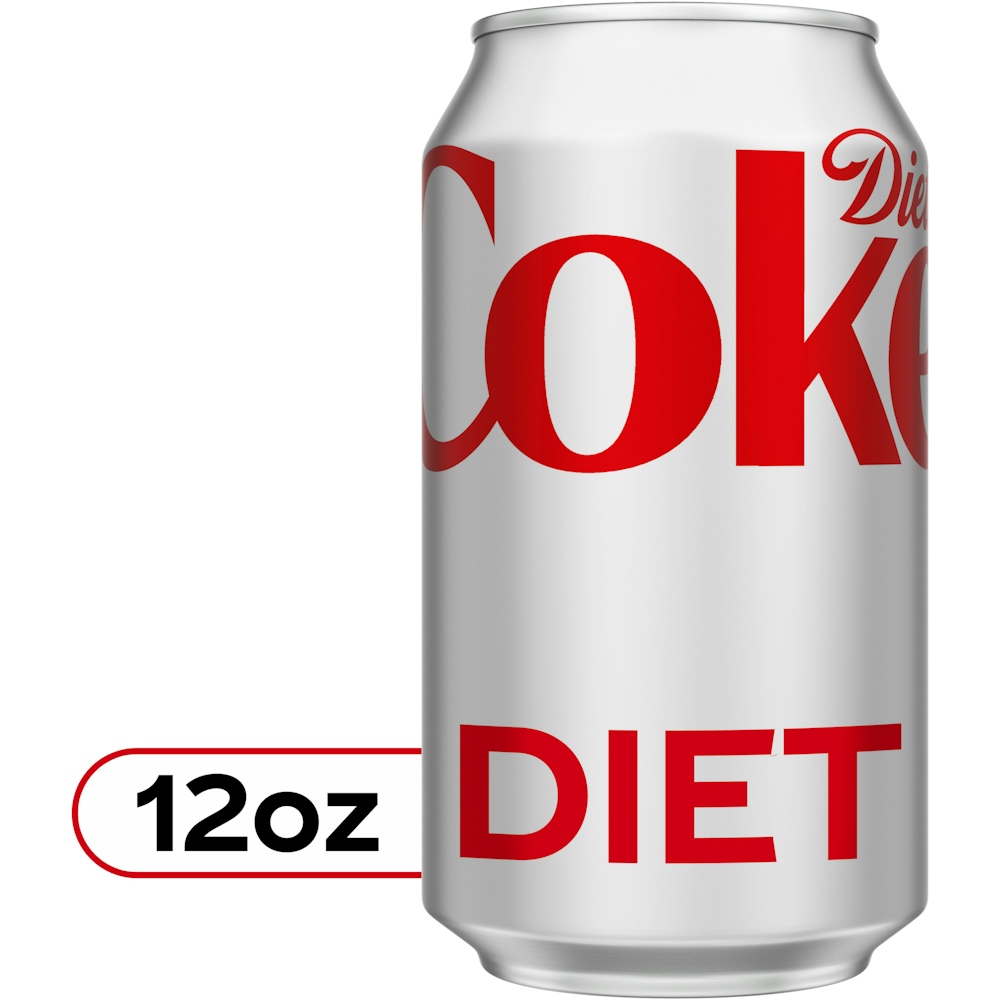
Diet Coke
Diet Coke Can, 12 Fl Oz
Standout ingredient: Carbonated Water
Many shoppers wonder whether zero-calorie formulas carry hidden health trade-offs or if long-standing ingredient concerns are backed by current scientific consensus. Examining each component individually clarifies what is inside the can.
Is a can of Diet Coke clean?
Guess before you scroll.
Aurascan says: Flagged
The main flag is Caramel Color.
A label breakdown reveals that Diet Coke relies on a concise set of functional food additives. Each ingredient serves a specific purpose, ranging from carbonation and sweetness to visual appearance, acidity regulation, and microbial preservation.
As of September 13, 2026, all core ingredients in Diet Coke remain fully authorized for food use with no material bans or restrictions enacted. Both European and United States regulators have reaffirmed that typical dietary exposures stay well within established safety boundaries.
Aspartame is an intense, non-nutritive sweetener roughly 200 times sweeter than sucrose. Because it is used in minute quantities, it imparts sweetness without adding measurable calories. In the digestive tract, aspartame breaks down into two common amino acids, aspartic acid and phenylalanine, along with a trace amount of methanol, all of which occur naturally in higher amounts in standard dietary proteins like eggs, meat, and milk.
Regulatory agencies worldwide have evaluated aspartame across hundreds of toxicological and clinical studies. The US FDA maintains an Acceptable Daily Intake (ADI) of 50 mg per kilogram of body weight per day, while EFSA sets its ADI at 40 mg per kilogram. To reach these thresholds, an adult weighing 60 kg (about 132 pounds) would need to consume between 12 and 15 cans of diet soda every day, assuming no other dietary sources of aspartame.
In 2023, the World Health Organization assessed aspartame hazard and risk, where IARC categorized aspartame as Group 2B (possibly carcinogenic) based on limited evidence while JECFA reaffirmed the existing ADI. EFSA's own 2013 re-evaluation likewise concluded that aspartame is safe at current exposure levels.
Every container of Diet Coke carries a prominent notice: "PHENYLKETONURICS: CONTAINS PHENYLALANINE." This statement is legally mandated for individuals with phenylketonuria (PKU), a rare genetic metabolic disorder. People with PKU lack the enzyme necessary to process phenylalanine, leading to toxic accumulation if unmanaged. For the general population without PKU, phenylalanine is an essential amino acid required for normal protein synthesis.
For shoppers comparing sugar alternatives across beverages, analyzing substitute profiles such as allulose vs erythritol: which sugar substitute is better? or checking comparisons like Mountain Dew Zero Sugar vs Diet: Caffeine and Sweeteners or added sugar has dozens of label names: the ones to know helps contextualize different sweetening systems.
Caramel color gives colas their familiar dark amber to deep brown shade. Diet Coke uses Class IV caramel color, which is manufactured by heating carbohydrates in the presence of ammonium and sulfite compounds to achieve heat and acid stability.
A known byproduct of this manufacturing process is 4-methylimidazole (4-MEI). In high-dose animal studies, 4-MEI exposure raised questions regarding potential toxicity, prompting regulatory authorities to establish strict manufacturing limits. In its Questions and Answers about 4-MEI guidance, the US FDA concluded that human exposure from soft drinks is extraordinarily low, requiring thousands of cans daily to match levels causing effects in animal models.
EFSA set a group acceptable daily intake for caramel colors, and EU specifications cap 4-MEI at 250 mg per kilogram of Class IV caramel colorant. Beverage manufacturers utilize refined processing techniques to keep 4-MEI levels far below regulatory thresholds, aligning with broader additive oversight discussed in EFSA's First Additive Monitoring Report: Tartrazine Exposure.
As described in the PubChem Phosphoric Acid summary, phosphoric acid provides the sharp, tangy flavor profile characteristic of traditional colas. It also lowers beverage pH, which helps inhibit bacterial growth and stabilizes the overall mixture.
The primary consumer health consideration regarding dietary acids involves dental enamel erosion. Any acidic beverage with a low pH can temporarily soften tooth enamel if sipped continuously over long periods. Saliva naturally neutralizes dietary acids and remineralizes enamel, but frequent, prolonged contact reduces that protective effect.
Dietary phosphorus is an essential mineral utilized in bone mineralization, cell membrane structure, and energy transfer. While excessive phosphorus intake relative to calcium has been investigated for potential associations with bone mineral density, moderate intake from carbonated soft drinks falls well within total daily recommended phosphorus allowances for healthy individuals, similar to how other functional ingredients are evaluated in Is Taurine Safe? Energy Drinks, EFSA Limits, and Labels and Red Bull vs Celsius: Caffeine, Sweeteners, and Ingredients.
Potassium benzoate is the potassium salt of benzoic acid, functioning as an antimicrobial preservative. It prevents the growth of yeasts, molds, and bacteria in acidic liquid environments, ensuring product shelf stability and safety.
In food chemistry, benzoates can potentially react with ascorbic acid (vitamin C) under specific conditions of high heat and prolonged light exposure to form trace amounts of benzene. Diet Coke does not contain ascorbic acid, minimizing this specific interaction pathway. The agency's Questions and Answers on the Occurrence of Benzene in Soft Drinks explains monitoring efforts ensuring any benzene formation remains well below the federal drinking water standard of 5 parts per billion.
Citric acid is a weak organic acid naturally found in citrus fruits. In Diet Coke, it acts as a secondary acidulant and flavor enhancer, complementing phosphoric acid to provide a balanced, refreshing finish. Additives of this type are subject to standard processing rules, comparable to other common food stabilizers covered in Is Soy Lecithin Safe? Uses, Allergy Facts, and Labels and Is Propylene Glycol (E1520) Safe? Food Uses, Cats, and Labels.
When reviewing the ingredient deck on diet colas and zero-calorie soft drinks, keep this checklist in mind:
As regulatory frameworks evolve - such as discussions around US to Define 'Ultra-Processed Food': What the Proposal Means and historical additive updates like FDA Revokes Orange B: The Sausage-Casing Dye Nobody Used - checking the label remains the best way to understand formulation choices.
Scientific evidence cannot establish identical subjective tolerance or long-term metabolic outcomes for every individual consumer, and ongoing research continues to assess personalized responses to low-calorie sweeteners.
See what is really in the food you buy.
Scan it yourself. Get the Aurascan appDiet Coke contains carbonated water, caramel color, aspartame, phosphoric acid, potassium benzoate, natural flavors, and citric acid, along with caffeine in caffeinated versions.
The label warning is legally required for people with phenylketonuria (PKU), a rare genetic condition where the body cannot metabolize the amino acid phenylalanine, which is released when aspartame is digested.
Based on FDA and EFSA Acceptable Daily Intake guidelines, a 60-kilogram (132-pound) adult would need to consume roughly 12 to 15 standard cans per day to reach the upper safety threshold.
No, Diet Coke contains zero grams of sugar, zero carbohydrates, and zero calories because it uses high-intensity aspartame instead of caloric sweeteners.
Phosphoric acid acts as an acidulant that delivers the beverage's characteristic sharp, tangy bite while lowering the pH to help maintain freshness.
Regulators including the FDA and EFSA have established strict limits on 4-MEI in Class IV caramel color, concluding that trace amounts present in commercial beverages do not pose a health risk under normal consumption.
Aurascan turns product labels into plain-English ingredient explanations and source-backed context.
Scan your next label with AurascanWhat changed on food labels this week — bans, recalls, and new guides.
Source labels distinguish peer-reviewed research, regulatory material, and Aurascan label data when that classification is available.
We scanned every ingredient in the KIND Peanut Butter Dark Chocolate bar: three sweeteners, palm kernel oil, soy isolate, chicory fiber. What each one does.
Carbonated water, 27 g of sugar, 80 mg of caffeine, synthetic taurine, B vitamins, flavors and colors: what each does, what regulators say, and the scan.
Cream, skim milk, cane sugar, egg yolks, vanilla bean. What each does, why a short label still means real fat and sugar, and what the scan shows.