
Does Fresca contain real fruit juice?
Yes, Fresca includes concentrated grapefruit juice in its ingredient list, which contributes to its distinct citrus flavor profile alongside natural flavorings.
Sprite is sweetened with high fructose corn syrup; Fresca uses aspartame and acesulfame potassium. Both caffeine-free and dye-free. The two cans, line by line.
9/15/2026 · 7 min read · Chris Carrillo · Reviewed by Armin Rad, Co-Founder & CTO, Aurascan · Last reviewed 9/15/2026
Editorial accountability
Written by Chris Carrillo. Reviewed by Armin Rad, Co-Founder & CTO, Aurascan. It cites 7 sources; use the source list and methodology to check the evidence directly.
Walk through a crawlable sample result, including what comes from the label, what needs evidence, and what the scanner cannot conclude.
View the sample resultChoose classic Sprite if you want a traditional lemon-lime soda sweetened purely with caloric sugars and want to avoid artificial sweeteners entirely. Pick Fresca if your main objective is zero sugar, zero calories, and zero carbohydrates with crisp grapefruit flavor and zero caffeine.
Key takeaways:
Deciding between Sprite and Fresca requires evaluating their fundamentally different sweetener architectures, preservative chemistry, and juice content against your specific dietary priorities.
Sprite delivers a traditional sweet-tart lemon-lime profile. According to manufacturer listings on Sprite Products and Ingredients, its formulation is straightforward: carbonated water, high-fructose corn syrup (HFCS), citric acid, natural flavors, sodium citrate, and sodium benzoate. Because it relies on caloric corn syrup, a standard 12-ounce can delivers 38 grams of added sugars and 140 calories, supplying rapid carbohydrate energy without non-nutritive synthetic sweeteners.
Fresca functions as a zero-calorie sparkling citrus soft drink. As detailed on Fresca Sparkling Soda, its recipe combines carbonated water, citric acid, concentrated grapefruit juice, potassium citrate, potassium sorbate, potassium benzoate, aspartame, acesulfame potassium, natural flavors, and calcium disodium EDTA. It eliminates dietary sugars completely while adding a tart grapefruit note from real juice concentrate and two high-intensity sweeteners.
If you are following a ketogenic regimen, managing diabetes, or tracking daily carbohydrate intake, Fresca fulfills those requirements without adding calories. Conversely, if you wish to avoid non-nutritive synthetic sweeteners or need to steer clear of phenylalanine due to a metabolic condition, Sprite fits your profile. Similar ingredient comparisons across popular beverages can be seen in the 5 sodas people scan most: sweeteners, acids and colors.
Which can has the cleaner label: Sprite or Fresca?
Guess before you scroll.
Aurascan says: It's a tie
A detailed review of both ingredient decks shows distinct formulation strategies for sweetness, microbial stability, and flavor retention.
| Feature | Sprite (Original) | Fresca (Original Citrus) |
|---|---|---|
| Primary Sweetener | High-Fructose Corn Syrup (HFCS) | Aspartame, Acesulfame Potassium (Ace-K) |
| Caloric Sweetener | Yes (Corn-derived sugars) | None |
| Acidulant | Citric Acid | Citric Acid |
| Juice Content | None (Natural flavorings only) | Concentrated Grapefruit Juice |
| Buffering Agent | Sodium Citrate | Potassium Citrate |
| Preservative System | Sodium Benzoate | Potassium Sorbate, Potassium Benzoate, Calcium Disodium EDTA |
| Artificial Dyes | None (Clear appearance) | None (Slightly cloudy from juice) |
| Added Caffeine | 0 mg (Caffeine-free) | 0 mg (Caffeine-free) |
| Mandatory Disclosures | None | Phenylketonurics: Contains Phenylalanine |
Both beverages avoid certified synthetic food colors like Yellow 5, and neither formulation includes added caffeine. For exact daily carbohydrate values, sodium milligrams, and nutritional percentages, always consult the official Nutrition Facts label on the can or bottle.
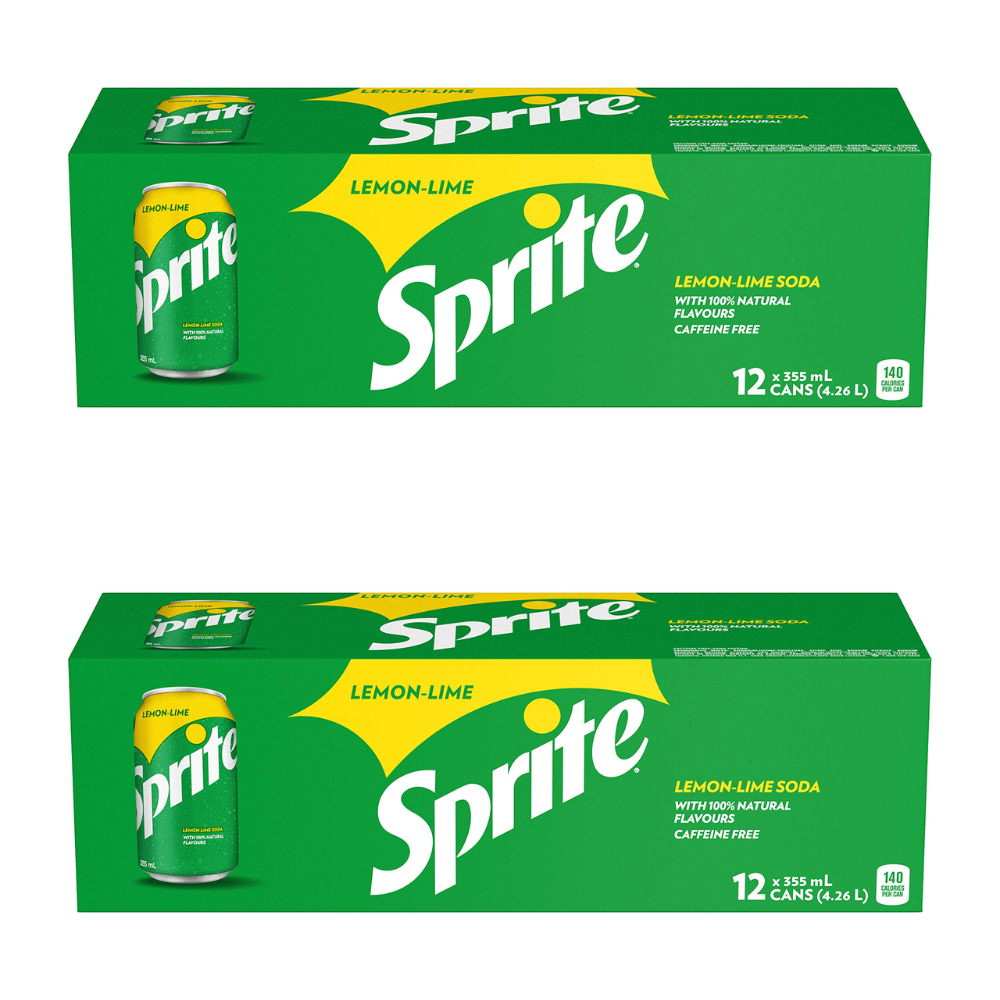
Sprite
Sprite Lemon Lime Caffeine Free Soda Soft Drink Fridge Pack Cans
Standout ingredient: Carbonated Water
The fundamental difference between Sprite and Fresca lies in their sweetening mechanisms. Sprite is built on high-fructose corn syrup, a liquid caloric sweetener made of unbound glucose and fructose molecules. HFCS delivers physical body, balanced mouthfeel, and clean sweetness without leaving a lingering chemical aftertaste. However, public health organizations like the USDA emphasize moderating added sugars to maintain metabolic and cardiovascular health.
Fresca achieves its sweetness with zero calories by combining two high-intensity artificial sweeteners: aspartame and acesulfame potassium (Ace-K). Under regulatory reviews on High-Intensity Sweeteners, aspartame is a methyl ester of the dipeptide formed by aspartic acid and phenylalanine, providing approximately 200 times the sweetening power of table sugar. Acesulfame potassium is an organic potassium salt that is also roughly 200 times sweeter than sucrose and exhibits high heat stability.
When blended together, aspartame and Ace-K create a complementary sweetness profile that mimics sugar more closely than either compound could alone. Regulators including the U.S. FDA and the European Food Safety Authority (EFSA) have evaluated both sweeteners thoroughly and set acceptable daily intakes (ADI). As of mid-September 2026, both sweeteners remain approved by EFSA and the FDA; the U.S. history is summarized in the Timeline of Selected FDA Activities and Significant Events Addressing Aspartame. The same pairing runs through Coke Zero Sugar vs Diet Coke; for each sweetener on its own, see is aspartame safe? and is acesulfame potassium safe?.
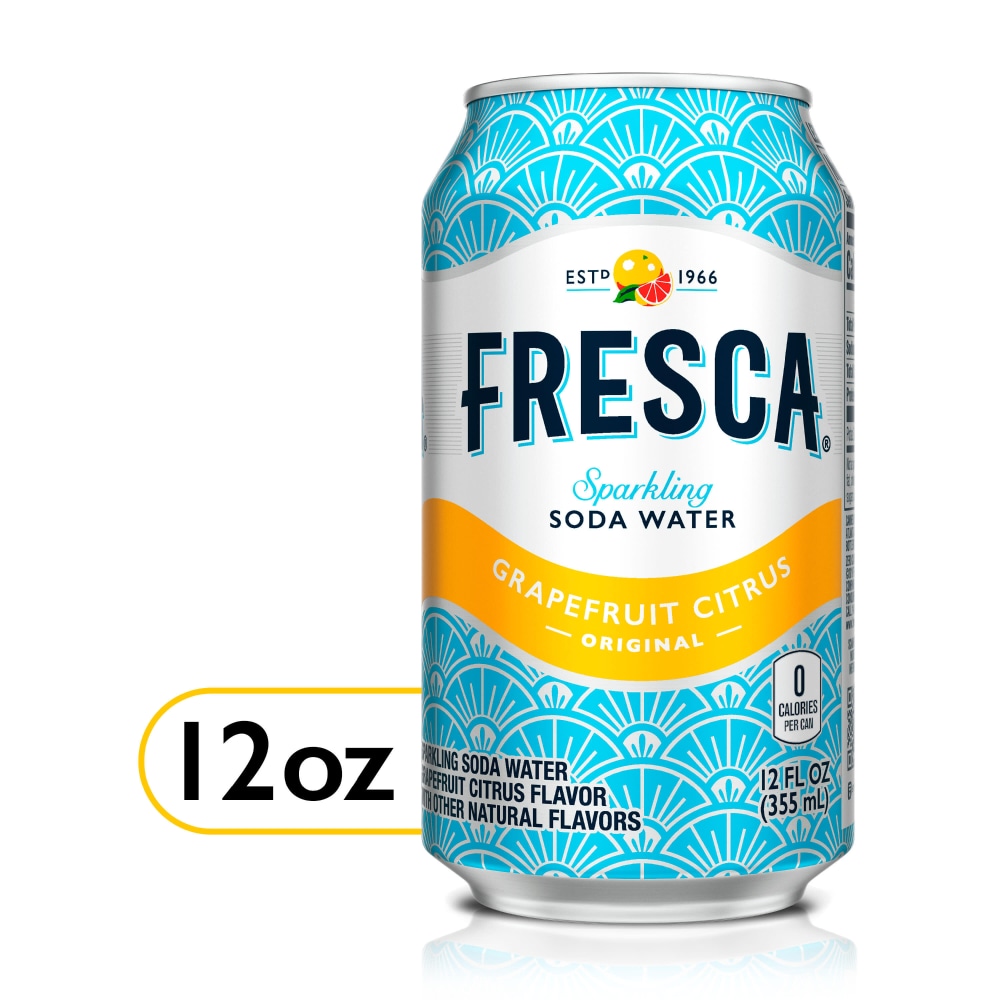
Fresca
Fresca Grapefruit Citrus Sparkling Soda Water
Standout ingredient: Acesulfame Potassium
Preservative and buffering systems protect carbonated beverages from microbial spoilage while maintaining a stable pH over long storage cycles. Sprite uses sodium citrate as its buffering agent and sodium benzoate as its primary antimicrobial preservative. Sodium benzoate is the sodium salt of benzoic acid and is recognized as safe under 21 CFR 184.1733 - Sodium benzoate within a maximum permitted limit of 0.1 percent by weight in finished foods.
Fresca utilizes a potassium-focused preservation system. It pairs potassium citrate for acid buffering with potassium sorbate and potassium benzoate to control molds, yeasts, and bacteria. Sorbic acid salts like potassium sorbate inhibit fungal cellular enzymes, allowing the soda to remain shelf-stable without increasing sodium content.
In addition, Fresca incorporates calcium disodium EDTA (ethylenediaminetetraacetic acid). EDTA serves as a chelating agent that binds free trace metal ions, preventing them from catalyzing oxidation reactions that can degrade the delicate natural citrus oils and concentrated grapefruit juice over time. This specialized preservation blend is essential for protecting the fresh citrus taste of a zero-sugar, fruit-infused sparkling beverage.
One significant difference on the Fresca label is the bold statement: "PHENYLKETONURICS: CONTAINS PHENYLALANINE." The FDA mandates this specific disclosure on every product containing aspartame. When aspartame is digested in the human digestive system, it breaks down into aspartic acid, trace methanol, and phenylalanine.
For the general population, phenylalanine is a routine, essential amino acid found naturally in protein-rich foods like meat, eggs, and dairy. However, people born with phenylketonuria (PKU), a rare genetic metabolic condition affecting approximately 1 in 10,000 to 1 in 15,000 newborns, lack functional phenylalanine hydroxylase enzyme activity. In individuals with PKU, phenylalanine accumulates to toxic concentrations in the bloodstream and central nervous system, risking serious cognitive impairment.
Consequently, individuals diagnosed with PKU must strictly manage their dietary intake of phenylalanine and must completely avoid aspartame-containing drinks like Fresca. Sprite does not contain aspartame or synthetic amino acid compounds, making it entirely free from phenylalanine concerns.
Choosing between Sprite and Fresca depends on your personal health requirements, daily macronutrient targets, and ingredient sensitivities:
Current scientific evidence cannot establish a universally superior beverage for every consumer. Individual tolerance to high-intensity sweeteners, personal metabolic reactions to caloric high-fructose corn syrup, and underlying medical conditions vary significantly from person to person.
See what is really in the food you buy.
Scan it yourself. Get the Aurascan appYes, Fresca includes concentrated grapefruit juice in its ingredient list, which contributes to its distinct citrus flavor profile alongside natural flavorings.
Neither standard Sprite nor Fresca contains caffeine. Both are naturally caffeine-free sparkling citrus beverages.
Fresca contains aspartame, which breaks down into the amino acid phenylalanine during digestion. Individuals with the rare genetic disorder phenylketonuria (PKU) cannot metabolize phenylalanine and must avoid it.
Sprite is sweetened exclusively with high-fructose corn syrup, providing standard caloric sweetness, while Fresca uses a blend of non-nutritive artificial sweeteners: aspartame and acesulfame potassium.
No, neither Sprite nor Fresca contains artificial certified food dyes like Red 40 or Yellow 5. Both drinks remain clear or slightly cloudy from natural citrus components.
Calcium disodium EDTA is a food-grade chelating agent added to Fresca to bind trace metal ions, protecting the concentrated grapefruit juice and natural citrus flavor oils from oxidation and flavor degradation.
Aurascan turns product labels into plain-English ingredient explanations and source-backed context.
Scan your next label with AurascanWhat changed on food labels this week — bans, recalls, and new guides.
Source labels distinguish peer-reviewed research, regulatory material, and Aurascan label data when that classification is available.
Mountain Dew Zero Sugar has more caffeine than Diet Mountain Dew; both use aspartame, Ace-K and sucralose plus Yellow 5. Ingredients, PKU warning and taste compared.
Diet Coke, Sprite, Fanta Orange, Fanta Pineapple and Fresca, label by label: which sweetener, acid, dye and preservative each one uses and what regulators say.
A whole-wheat fig bar against a peanut protein bar: several added sugars vs one, glycerin and chicory fiber, palm kernel oil, and wheat vs peanut allergens, compared.