The 5 Sodas People Scan Most: Sweeteners, Acids and Colors
Diet Coke, Sprite, Fanta Orange, Fanta Pineapple and Fresca, label by label: which sweetener, acid, dye and preservative each one uses and what regulators say.
ListicleCluster: Diet Soda5 sodas people scan most: sweeteners, acids and colors on the label
9/13/2026 · 8 min read · Chris Carrillo · Reviewed by Armin Rad, Co-Founder & CTO, Aurascan · Last reviewed 9/13/2026
Written by Chris Carrillo. Reviewed by Armin Rad, Co-Founder & CTO, Aurascan. It cites 4 sources; use the source list and methodology to check the evidence directly.
Soft drink ingredient panels often look like chemical formulas, but they break down into distinct functional systems: sweeteners, acidulants, flavor emulsifiers, preservatives, and coloring agents. Reading these labels helps shoppers understand why different beverages taste, look, and behave differently on the shelf.
TL;DR: The most scanned sodas rely on specific functional systems, pairing nutritive sweeteners like high fructose corn syrup or high-intensity alternatives like aspartame and acesulfame potassium with balancing acidulants (phosphoric or citric acid), synthetic dyes, and stabilizing weighting agents.
Key takeaways
Sweetener systems define the caloric profile: diet formulations rely on high-intensity compounds like aspartame and acesulfame potassium, while standard sodas use high fructose corn syrup.
Acidulants drive flavor contrast and preservation: colas utilize pungent phosphoric acid, whereas clear and fruit-flavored beverages use citric acid and citrate buffers.
Fruit sodas frequently feature certified synthetic colorings such as Red 40, Yellow 5, and Yellow 6 alongside weighting agents to maintain stability.
Preservatives such as sodium benzoate and potassium sorbate keep water-based solutions stable against microbial growth.
Analysis by Aurascan. Sources are listed on the product page.
Is a can of Diet Coke clean?
Guess before you scroll.
Reveal Aurascan's verdict
Aurascan says: Flagged
The main flag is Caramel Color.
How Do We Select the 5 Most-Scanned Sodas?
To evaluate the functional ingredients consumers encounter most often, we selected five soft drinks representing distinct categories across major beverage styles: a classic low-calorie dark cola, a clear citrus soda, two fruit-flavored sodas, and a zero-calorie flavored citrus drink. Each soft drink highlights a specific balance of sweeteners, acids, stabilizing agents, and colors.
As of September 12, 2026, food safety authorities including the U.S. Food and Drug Administration (FDA) and the European Food Safety Authority (EFSA) uphold the authorized use and Acceptable Daily Intake (ADI) benchmarks for approved non-nutritive sweeteners, such as the 50 milligrams per kilogram of body weight limit established in the FDA High-Intensity Sweeteners Guidance. Concurrently, certified synthetic dyes face rising scrutiny and regional restrictions, making clear label reading more relevant than ever.
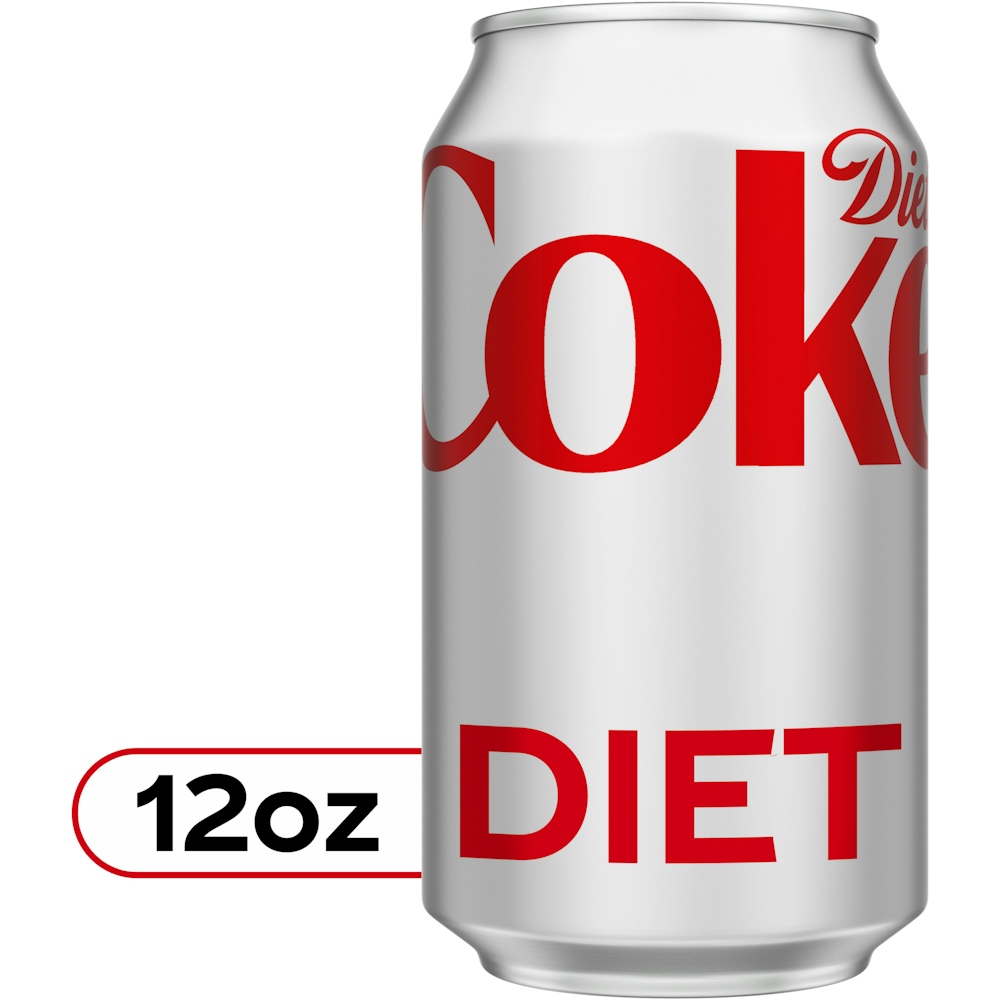
1. Diet Coke: Why Aspartame and Phosphoric Acid Matter?
The label for Diet Coke lists: Carbonated Water, Caramel Color, Aspartame, Phosphoric Acid, Potassium Benzoate, Natural Flavors, Citric Acid. It also features a required notice for phenylketonurics regarding phenylalanine.
The acid profile is dominated by phosphoric acid, which imparts the signature dry, sharp bite characteristic of dark colas, accompanied by a minor addition of citric acid. Potassium benzoate functions as the antimicrobial preservative, inhibiting yeast and mold growth. Caramel color provides the deep brown shade.
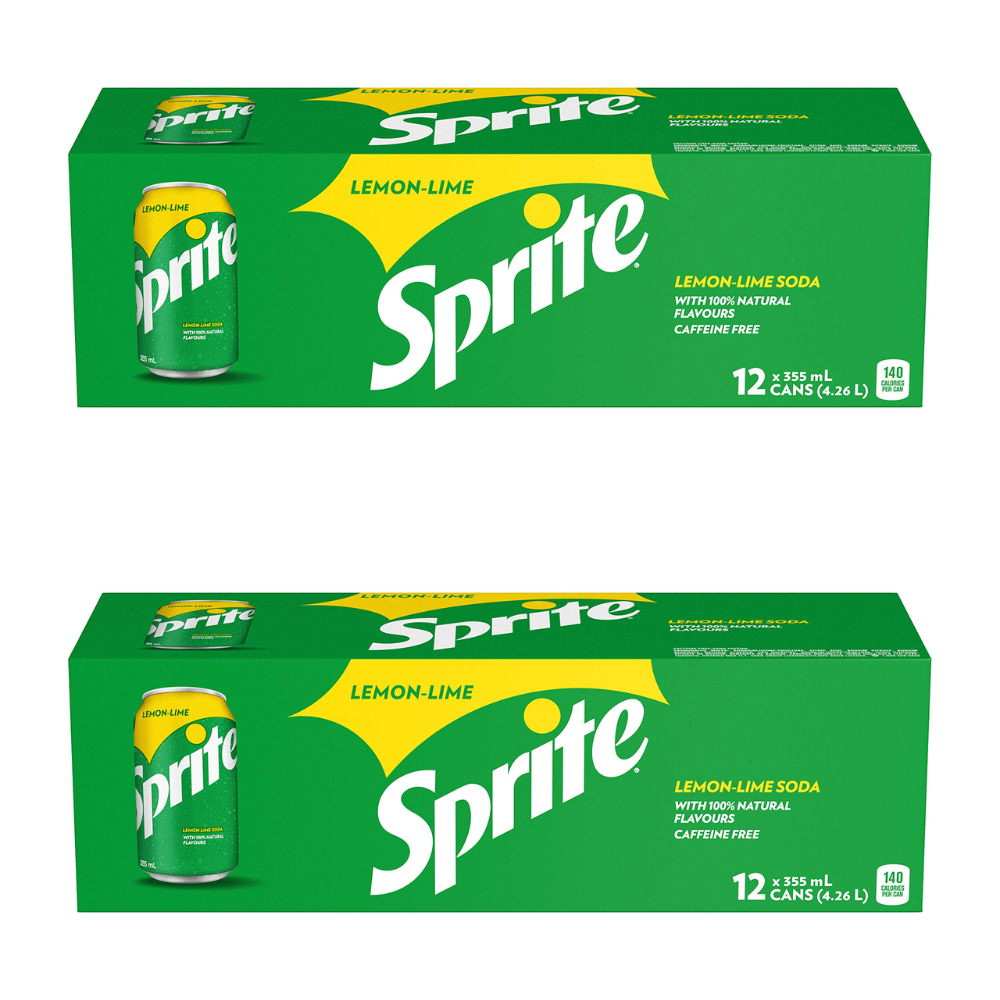
2. Sprite: How Does HFCS Work with Citric Acid?
The label for Sprite features: Carbonated Water, High Fructose Corn Syrup, Citric Acid, Natural Flavors, Sodium Citrate, Sodium Benzoate.
Sprite relies on High Fructose Corn Syrup (HFCS) for its caloric sweetness and mouthfeel. As detailed by the FDA High Fructose Corn Syrup Guide, soft drink formulations commonly utilize HFCS-55, a blend that is roughly 55 percent fructose and about 42 percent glucose, with a small remainder of larger sugar chains. Citric acid acts as the sole acidulant, producing a tart citrus profile that matches its natural lemon and lime flavorings.
To control the tartness and stabilize the solution pH, Sprite incorporates sodium citrate. Sodium citrate acts as a buffering agent, keeping the liquid from tasting overly sour while assisting the preservative function of sodium benzoate.
3. Fanta Orange: What Are Synthetic Dyes and Emulsifiers Doing?
The ingredient list for Fanta Orange Soft Drink includes: Carbonated Water, High Fructose Corn Syrup, Citric Acid, Sodium Benzoate, Natural Flavors, Modified Food Starch, Sodium Polyphosphates, Glycerol Ester Of Rosin, Yellow 6, Red 40.
Fanta Orange showcases a complex dispersion and coloring system. Because citrus flavor oils do not dissolve naturally in water, the formula uses glycerol ester of rosin (a density-adjusting weighting agent) and modified food starch to keep essential oils emulsified throughout the bottle rather than separating at the neck.
For coloration, the formula combines two certified synthetic color additives: Yellow 6 and Red 40. Certified food dyes face state-level restrictions, such as California school food phase-outs scheduled for 2027, prompting many consumers to check labels for synthetic colors. Sodium polyphosphates are added to protect the flavor and emulsion stability, while citric acid provides tartness.
4. Fanta Pineapple: Why Use Weighting Agents and Dyes?
The ingredient panel for Fanta Pineapple Soft Drink lists: Carbonated Water, High Fructose Corn Syrup, Citric Acid, Natural Flavors, Modified Food Starch, Potassium Sorbate, Sodium Benzoate, Sodium Citrate, Medium Chain Triglycerides, Salt, Sucrose Acetate Isobutyrate, Yellow 5, Yellow 6.
Fanta Pineapple employs an intricate flavor suspension architecture. It utilizes both sucrose acetate isobutyrate (SAIB) and medium chain triglycerides (MCTs) alongside modified food starch. These ingredients act as weighting and clouding agents, suspending heavy flavor oils uniformly across the liquid.
The bright yellow hue is achieved through certified synthetic colors Yellow 5 (tartrazine) and Yellow 6. Yellow 5 requires specific label declaration in the United States due to potential intolerance reactions in sensitive individuals. The beverage also uses a dual-preservative strategy, pairing potassium sorbate with sodium benzoate, balanced by citric acid and sodium citrate.
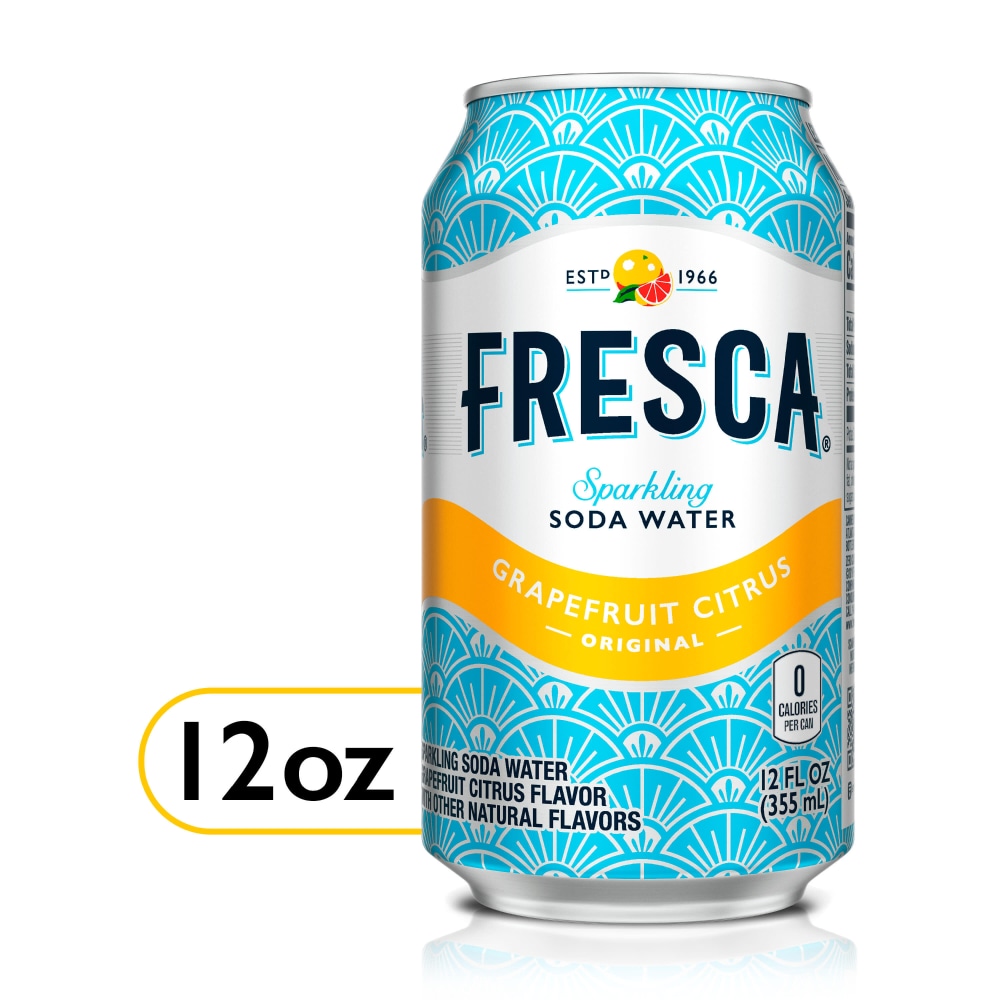
5. Fresca: How Do Dual-Sweeteners and Citrus Gums Function?
The label for Fresca Grapefruit Citrus Sparkling Soda Water includes: Carbonated Water, Citric Acid, Concentrated Grapefruit Juice, Potassium Citrate, Aspartame, Potassium Sorbate, Acacia Gum, Acesulfame Potassium, Natural Flavors, Glycerol Ester Of Rosin, Potassium Benzoate, Calcium Disodium Edta, Carob Bean Gum, plus the phenylketonurics warning.
Fresca incorporates real concentrated grapefruit juice, requiring acacia gum, carob bean gum, and glycerol ester of rosin to keep natural citrus solids and oils in suspension. Calcium disodium EDTA is included as a chelating agent to protect flavor integrity over time, while potassium citrate moderates the acidity of citric acid.
6. Sweeteners Breakdown: HFCS vs. Aspartame and Ace-K
Sweeteners are the primary energy and flavor drivers in soft drinks, generally falling into two categories:
High Fructose Corn Syrup (HFCS): A caloric liquid sweetener composed of free fructose and glucose. It delivers standard sweetness alongside body and viscosity, but contributes full carbohydrates to the formulation.
Aspartame: A non-nutritive dipeptide sweetener approximately 200 times sweeter than sucrose. Because it breaks down into aspartic acid, phenylalanine, and trace methanol, products containing it carry an explicit warning for individuals with phenylketonuria.
Acesulfame Potassium (Ace-K): A heat-stable, zero-calorie sweetener roughly 200 times sweeter than table sugar, often blended with aspartame or sucralose. It provides a fast sweetness onset and offsets lingering aftertastes.
Regulators such as the FDA establish an Acceptable Daily Intake for high-intensity sweeteners, representing the amount considered safe to consume daily over a lifetime.
7. Acidulants and Enamel: Phosphoric vs. Citric Acid
Acidulants serve two functions: balancing sweetness with crisp flavor notes and lowering liquid pH to prevent microbial spoilage.
Phosphoric Acid: Commonly found in dark colas like Diet Coke. This mineral acid, profiled in the PubChem Phosphoric Acid entry, gives colas a notably low pH. Dental researchers note that phosphoric acid creates a low-pH environment capable of softening tooth enamel upon frequent contact.
Citric Acid and Citrate Salts: The standard acidulant for citrus, clear, and fruit drinks. Derived organically or through microbial fermentation, citric acid offers a fruity tartness. When combined with sodium citrate or potassium citrate, it forms a buffered acid system that stabilizes beverage pH without driving excessive perceived sourness.
8. Synthetic Colors: Scrutiny on Red 40, Yellow 5, and Yellow 6
Color additives determine soft drink appearance, but they carry distinct regulatory and consumer considerations across global markets:
Red 40 (Allura Red AC, European code E129) and Yellow 6 (Sunset Yellow FCF, European code E110): Petroleum-derived certified synthetic food dyes used to produce orange and red tones in fruit sodas. These colorants face legislative scrutiny, including state-level restrictions in public schools over neurobehavioral questions in children.
Yellow 5 (Tartrazine, European code E102): A certified dye required by the FDA to be declared by name because a small subset of the population may experience mild allergic-type reactions, such as urticaria.
Caramel Color (commonly Sulphite Ammonia Caramel, European code E150d in colas): A widely used food coloring made by heating carbohydrates, standard in colas to provide deep amber and brown tones.
How to Use This List When Scanning Labels
When evaluating soft drink packaging, use a structured three-step review:
Check the Sweetener System: Identify whether the product relies on HFCS, a single high-intensity sweetener (aspartame), or a dual-sweetener blend (aspartame and Ace-K).
Identify the Acid and Buffers: Look for phosphoric acid if you want to avoid specific inorganic acids, or note citric acid combined with citrates for flavor balance.
Spot Dyes and Stabilizers: Review the lower portion of the ingredient list for certified synthetic dyes (Red 40, Yellow 5, Yellow 6) or weighting agents (glycerol ester of rosin, SAIB, gums) if you have ingredient sensitivities.
Available scientific evidence assesses food additives on an individual basis under established consumption limits. Current data cannot predict individual gastrointestinal tolerance, personal taste sensitivities, or the long-term biological effects of complex multi-additive combinations across diverse population groups.
Common Questions
Why do some diet sodas warn about phenylketonurics?
Aspartame breaks down into amino acids, including phenylalanine, during digestion. People with the rare genetic condition phenylketonuria (PKU) cannot properly metabolize phenylalanine, making this label declaration a mandatory safety requirement.
What is the purpose of glycerol ester of rosin in fruit sodas?
Glycerol ester of rosin is a food-grade weighting agent. It increases the density of citrus essential oils, allowing them to remain evenly suspended in carbonated water rather than floating to the top.
How does phosphoric acid differ from citric acid in soft drinks?
Phosphoric acid is an inorganic acid used primarily in dark colas to deliver a sharp, dry tang. Citric acid is an organic acid standard in clear and fruit-flavored beverages to provide a fruity, tart flavor profile.
Why is Yellow 5 specifically listed on ingredient labels?
The FDA mandates that Yellow 5 (tartrazine) be declared by its specific name on food panels because a small percentage of individuals may experience sensitivity or allergic-type reactions.
What role do sodium citrate and potassium citrate play in sodas?
These citrate salts act as pH buffering agents. They help stabilize product acidity, ensuring flavor consistency and supporting preservative effectiveness without making the drink taste overly sour.
How much aspartame is considered safe per day?
The FDA has set the Acceptable Daily Intake (ADI) for aspartame at 50 milligrams per kilogram of body weight per day, which equals roughly 12 to 14 twelve-ounce cans of diet soda for an adult weighing 60 kilograms.
See what is in your label
Aurascan turns product labels into plain-English ingredient explanations and source-backed context.
Mountain Dew Zero Sugar has more caffeine than Diet Mountain Dew; both use aspartame, Ace-K and sucralose plus Yellow 5. Ingredients, PKU warning and taste compared.
Diet Dr Pepper uses aspartame alone; Dr Pepper Zero Sugar blends aspartame with acesulfame potassium. Caffeine, ingredients, PKU warning and taste compared.
Pepsi Zero Sugar vs Diet Pepsi compared: both use aspartame plus Ace-K, caffeine 38 vs 35 mg per can, the 2023 recipe change, acids, preservatives, and which to pick.