
Comparisons · September 20, 2026 · 9 min read
Fresca vs Diet Coke: Two Zero-Sugar Sodas, Two Different Labels
Both use aspartame, but Fresca adds acesulfame K, three preservatives and grapefruit juice, while Diet Coke brings caramel color and caffeine. Compared label by label.
By Chris Carrillo · Reviewed by Armin Rad, Co-Founder & CTO, Aurascan · September 20, 2026
Every article is checked against primary sources before publication. How we review
Diet Coke delivers 46 mg of caffeine per can with a lean formulation using aspartame, phosphoric acid, and caramel color. Fresca is caffeine-free and dye-free, but needs a three-part preservative system, a gum-and-rosin cloud emulsion, and a little concentrated grapefruit juice, a detail worth knowing for anyone told to avoid grapefruit. Pick Diet Coke for caffeine without fruit solids; pick Fresca for late-night citrus.
Key takeaways:
- Diet Coke relies on a simpler formulation sweetened solely with aspartame and colored with Class IV caramel color, supplying 46 mg of caffeine per 12 fl oz can.
- Fresca is naturally caffeine-free and uncolored, but it utilizes an intricate cloud emulsion system featuring acacia gum, carob bean gum, and glycerol ester of rosin.
- Fresca combines aspartame with acesulfame potassium to mask lingering aftertaste, a blend EFSA re-evaluated in September 2026 with no safety concern at current use levels.
- Fresca contains concentrated grapefruit juice; the label does not say how much, and it carries no medication warning, so people told to avoid grapefruit should ask a pharmacist.
Which Soda Should You Prefer: Diet Coke or Fresca?
When evaluating zero-calorie drinks from The Coca-Cola Company, shoppers often assume that one diet soda is virtually identical to another. Under the surface, however, these two classic beverages represent entirely distinct food-science philosophies. Diet Coke keeps its formulation tightly focused on delivering a dark, crisp cola with an unmistakable bite. In contrast, Fresca functions as a sophisticated citrus beverage that requires complex hydrocolloids and emulsifiers to keep citrus oils uniformly distributed in water without separating on the shelf.
Choose Diet Coke when you need a modest stimulant boost during the day and prefer an ingredient panel free of added fruit solids or botanical gums. The trade-off is the presence of Class IV caramel color and phosphoric acid, two additives that frequently draw scrutiny from consumer advocacy groups.
Choose Fresca when you require a caffeine-free beverage that skips artificial food dyes altogether. However, you must account for its three-part preservative system, multiple texturisers, and the presence of real grapefruit juice concentrate. For anyone told to avoid grapefruit because of a prescription, that small amount of juice is worth a question to a pharmacist.
Quiz
Which can has the cleaner label: Fresca or Diet Coke?
Guess before you scroll.
Reveal Aurascan's verdict
Aurascan says: It's a tie
How Do Fresca and Diet Coke Compare Side by Side?
As of September 2026, both products remain staples in the zero-sugar soda aisle, displaying distinct ingredient statements on standard 12 fl oz aluminum cans. Learning How to Read a Food Label: The Ingredient List, Line by Line helps make sense of how these formulations differ in everyday practice.
| Feature / Ingredient | Diet Coke (12 fl oz Can) | Fresca Grapefruit Citrus (12 fl oz Can) |
|---|---|---|
| Sweetener System | Aspartame alone | Aspartame + Acesulfame potassium (Ace-K) |
| Sweetener Safety Status | FDA approved; IARC Group 2B (2023) | Both FDA approved; EFSA reaffirmed ADIs (2026) |
| Acidulant System | Phosphoric acid + Citric acid | Citric acid + Potassium citrate |
| Color Additives | Caramel color (Class IV) | None (clear liquid) |
| Preservatives (to protect taste) | Potassium benzoate | Potassium sorbate + Potassium benzoate + Calcium disodium EDTA |
| Emulsifiers / Cloud System | None | Acacia gum + Glycerol ester of rosin + Carob bean gum |
| Juice Content | None | Concentrated grapefruit juice |
| Caffeine Content | 46 mg per 12 fl oz | 0 mg (Caffeine-free) |
| Phenylketonurics Notice | Contains phenylalanine | Contains phenylalanine |
Scan preview
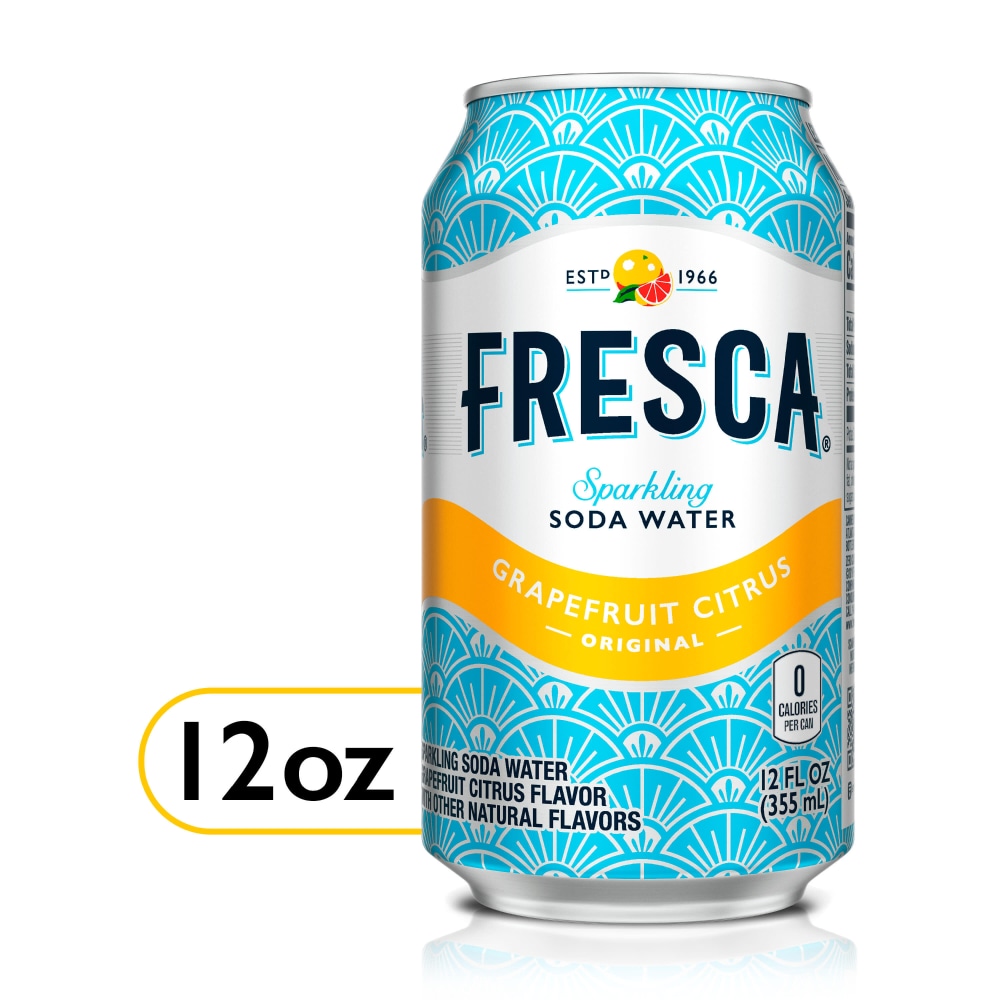
Fresca
Fresca Grapefruit Citrus Sparkling Soda Water
Concentrated Grapefruit Juice · Aspartame · Natural Flavors
Standout ingredient: Acesulfame Potassium
Analysis by Aurascan. Sources are listed on the product page.
How Do Their Sweetener Systems and Safety Profiles Differ?
Diet Coke relies exclusively on aspartame to provide its sweet profile, as explored in detail in our Diet Coke ingredient review. According to guidance from the FDA on aspartame and other sweeteners in food, aspartame is an intense sweetener roughly 200 times as sweet as table sugar (sucrose). Because it consists of two amino acids (aspartic acid and phenylalanine) joined by a methyl ester, both beverages carry a mandatory warning: "Phenylketonurics: contains phenylalanine." Individuals with phenylketonuria (PKU), a rare genetic metabolic disorder, cannot efficiently process this amino acid and must track their intake closely.
Fresca pairs aspartame with acesulfame potassium, commonly abbreviated as Ace-K. Detailed background from the FDA on high-intensity sweeteners confirms that acesulfame potassium is roughly 200 times sweeter than sucrose. Food scientists frequently blend the two because acesulfame potassium provides an immediate burst of sweetness on the tongue, while aspartame sustains the sweetness over time. This synergy helps round out the sensory profile and masks the slight bitter or metallic aftertaste that high-intensity sweeteners can leave behind, an approach compared in our Sprite vs Fresca comparison.
Regulatory scrutiny surrounding these sweeteners has evolved considerably. In 2023, the International Agency for Research on Cancer (IARC) classified aspartame as "possibly carcinogenic to humans" (Group 2B) based on limited human evidence. However, major regulatory agencies including the US FDA and the European Food Safety Authority (EFSA) did not change their acceptable daily intakes (ADIs), stating that real-world consumption patterns remain safe. The FDA maintains an ADI for aspartame of 50 mg per kilogram of body weight per day.
Fresca's sweetener blend also connects directly to international evaluations of the aspartame-acesulfame salt, known in Europe as food additive E 962. For readers curious about foreign ingredient codes, E Numbers Explained: The EU Code for US Additives provides helpful background. In a September 2026 scientific opinion, EFSA re-evaluated this sweetener combination and concluded it presents no safety concern at current use levels, as the salt readily separates in the digestive tract into individual aspartame and acesulfame potassium molecules, respecting established ADIs of 40 mg/kg bw/day for aspartame and 15 mg/kg bw/day for acesulfame potassium.
Scan preview
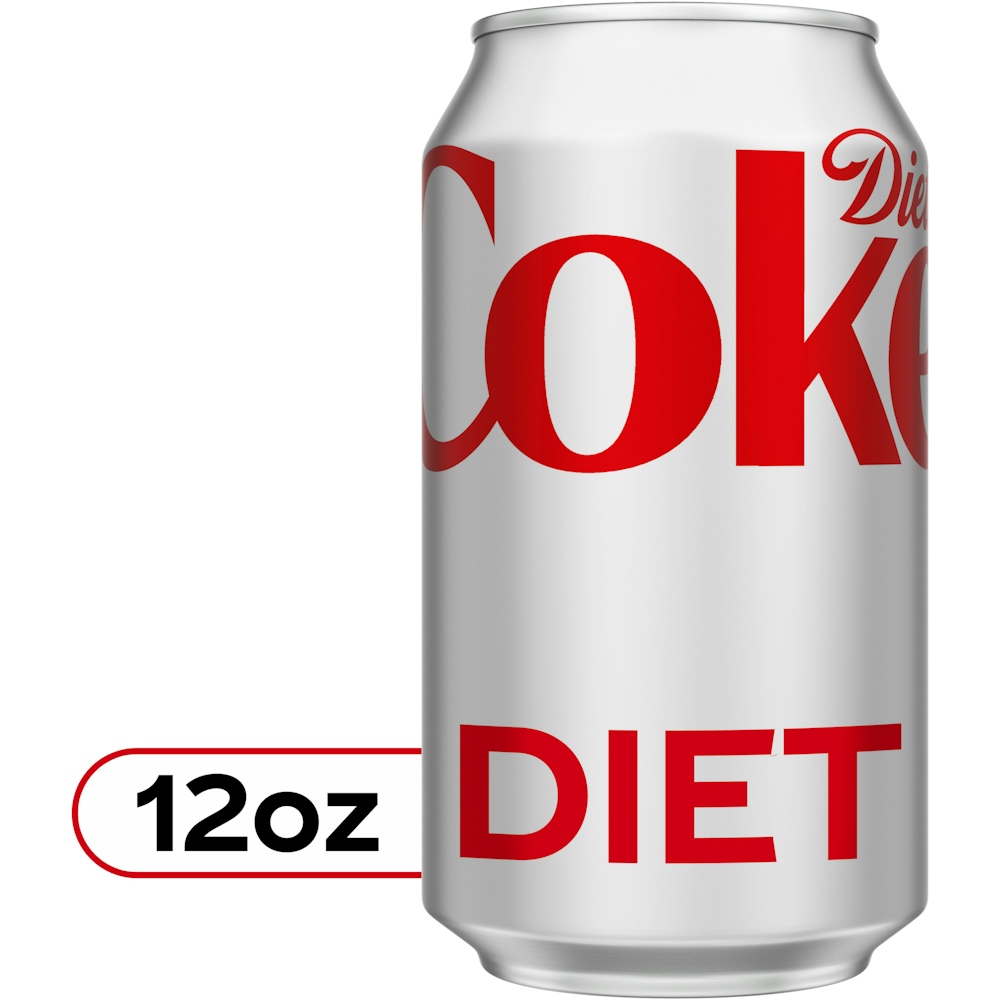
Diet Coke
Diet Coke Can, 12 Fl Oz
Caramel Color · Aspartame · Natural Flavors
Standout ingredient: Carbonated Water
Analysis by Aurascan. Sources are listed on the product page.
What Sets Apart the Acids, Colors, and Preservatives?
Beyond sweetness, the visual appearance and shelf stability of these two sodas diverge dramatically. Diet Coke achieves its dark hue using caramel color. Commercial caramel colors are grouped into four classes; colas typically employ Class IV caramel color, which is manufactured by heating carbohydrates with both ammonium and sulfite compounds. A byproduct of this specific chemical reaction is 4-methylimidazole (4-MEI). In California, 4-MEI is listed under Proposition 65 as a chemical known to cause cancer, prompting soda manufacturers over the last decade to lower 4-MEI concentrations in their caramel color sources. Fresca avoids this discussion entirely because it contains no color additives.
The acid profiles also create distinct sensory and chemical environments. Diet Coke relies primarily on phosphoric acid, regulated under 21 CFR 182.1180 for phosphoric acid, supplemented with a minor amount of citric acid. Phosphoric acid contributes the sharp, biting acidity characteristic of traditional colas, but dentists and researchers note that strong mineral acids can contribute to dental enamel erosion if consumed continuously throughout the day. Fresca replaces mineral acid with organic citric acid buffered by potassium citrate, which delivers a tart, fruit-forward flavor profile.
To preserve freshness, Diet Coke uses a single preservative: sodium benzoate or potassium benzoate, added to protect taste against yeast and bacterial spoilage in acidic conditions. Fresca, however, employs a three-part preservation and stabilization system to protect its fruit solids and aromatic components:
- Potassium sorbate: Inhibits molds and yeasts in fruit-containing beverages.
- Sodium benzoate or potassium benzoate: Provides broad antimicrobial coverage against bacteria.
- Calcium disodium EDTA: Acts as a metal chelator, binding trace minerals that could catalyze oxidation and spoil delicate citrus flavors.
Fresca requires this robust defense because it contains delicate citrus oils and real fruit solids. To keep those flavor oils from floating to the surface of the can, Fresca uses an emulsion matrix composed of acacia gum (gum arabic), carob bean gum (locust bean gum), and glycerol ester of rosin. Glycerol ester of rosin acts as a weighting agent, balancing the specific gravity of the citrus flavor oils with the water phase to prevent separation.
Why the Grapefruit Juice in Fresca Deserves a Second Look
Perhaps the most important, underappreciated distinction between these two labels is Fresca's inclusion of concentrated grapefruit juice. The concentrate sits third on the list, after carbonated water and citric acid, which tells you its rank by weight but not the amount; 21 CFR 101.30 governs when a beverage must state its juice percentage. Grapefruit contains furanocoumarins. These naturally occurring compounds inhibit CYP3A4, an essential cytochrome P450 enzyme located in the liver and small intestine that metabolizes dozens of common pharmaceutical drugs.
When CYP3A4 is inhibited by grapefruit compounds, normal breakdown of certain medications is slowed, causing drug levels in the bloodstream to rise higher than intended. Common prescription drugs with documented grapefruit interactions include:
- Statin cholesterol medications such as atorvastatin, simvastatin, and lovastatin.
- Blood pressure and calcium channel blockers like nifedipine and felodipine.
- Certain immunosuppressants, anti-anxiety medications, and antihistamines.
Whether the small amount of concentrate in a can of soda is enough to matter has not been established, and soft-drink labels carry no such warning, so the ingredient list is the only clue. Anyone whose prescription says to avoid grapefruit should ask a pharmacist. Diet Coke contains no grapefruit.
On the flip side, Diet Coke contains caffeine, declaring 46 mg per 12 fl oz can. While 46 mg is roughly half the caffeine found in an average eight-ounce cup of brewed coffee, it remains an active central nervous system stimulant. Individuals who are sensitive to caffeine, pregnant, nursing, or managing sleep disturbances must factor this into their daily intake. Fresca is completely caffeine-free, making it an option for evening consumption without disrupting sleep cycles.
Evidence cannot establish absolute safety or risk for every individual consumer, because personal tolerance, underlying metabolic conditions, daily consumption volumes, and specific pharmaceutical regimens vary widely across populations.
Which Zero-Sugar Soda Should You Pick for Your Lifestyle?
Selecting between Fresca and Diet Coke comes down to your personal priorities regarding caffeine, additives, and medical safety. Use these scenarios to decide which can fits your needs:
- Choose Diet Coke if you want a reliable caffeine lift (46 mg) to help stay alert without consuming added sugar.
- Choose Diet Coke if your prescription says to avoid grapefruit, or ask a pharmacist whether the amount in Fresca matters.
- Choose Diet Coke if you prefer a streamlined ingredient deck that avoids added botanical gums and multi-preservative chelating systems.
- Choose Fresca if you need a beverage that is naturally caffeine-free and suitable for late-night hydration.
- Choose Fresca if you prefer to avoid Class IV caramel color, 4-MEI debates, and the sharp bite of phosphoric acid.
- Choose Fresca if you enjoy the bright citrus flavor profile created by real grapefruit juice concentrate and buffered citric acid.
To see exactly how these ingredients stack up on your favorite can, scan Fresca or Diet Coke with the Aurascan app today and explore a full breakdown of every additive, sweetener, and preservative in seconds.
Try Aurascan
See what is really in the food you buy.
Common questions
- Does Fresca have more chemicals than Diet Coke?
- Fresca contains more individual additives than Diet Coke because it requires texturizers, emulsifiers, and chelating agents to keep its citrus oils and real grapefruit juice stable. Diet Coke uses a shorter ingredient list consisting primarily of caramel color, phosphoric acid, and a single preservative.
- Can you drink Fresca while taking statins?
- You should check with your doctor or pharmacist first. Fresca contains a small amount of concentrated grapefruit juice. Grapefruit contains compounds that inhibit the CYP3A4 enzyme that metabolizes certain statins and blood pressure medications; whether the amount in a soda matters has not been established, so ask.
- Why does Diet Coke have phosphoric acid while Fresca uses citric acid?
- Phosphoric acid provides the sharp, pungent bite traditional to colas and preserves flavor stability in dark sodas. Citrus-flavored drinks like Fresca use citric acid and potassium citrate to produce a fruit-like tartness that complements grapefruit oils.
- Do Fresca and Diet Coke use the same artificial sweeteners?
- Both sodas use aspartame, but Fresca also adds acesulfame potassium (Ace-K). Combining aspartame with Ace-K creates a more balanced, sugar-like sweetness and helps mask the lingering aftertaste common to single-sweetener diet beverages.
- How much caffeine is in Fresca compared to Diet Coke?
- Fresca contains zero caffeine. Diet Coke explicitly states on its 12 fl oz can that it contains 46 mg of caffeine per serving.
Sources
- Aspartame and Other Sweeteners in Food (fda.gov)
- Additional Information about High-Intensity Sweeteners Permitted for Use in Food in the United States (fda.gov)
- CFR Title 21 Section 182.1180 - Phosphoric acid (ecfr.gov)
- CFR Title 21 Section 101.30 - Percentage juice declaration for foods purporting to be beverages that contain fruit or vegetable juice (ecfr.gov)
- Sweeteners (efsa.europa.eu)
In this series
Guide
Fanta Orange vs Sprite: Why One Has Dyes and One Doesn'tGuide
Is Häagen-Dazs Chocolate Clean? Five Ingredients, ScannedGuide
Is Fanta Pineapple Clean? Every Ingredient, ScannedGuide
Skittles and M&M's Without FD&C Colors: What Changed on the LabelGuide
England Bans Energy Drinks for Under-16s. US Labels Hide CaffeineGuide
Whole Foods Cheese Recall: The Egg Hiding Under 'Lysozyme'
Related guides
Comparisons
RYSE Loaded Protein vs Core Power: Powder vs Shake, Label by LabelBoth lean on sucralose, acesulfame K and carrageenan, but one is whey powder with MCT and inulin, the other ultra-filtered milk. Compared amid the heavy-metal debate.
Ingredient Reviews
Sodium Phosphate in Food: Who Actually Needs to Worry?Sodium phosphate is in boxed mac and cheese, deli chicken and cereal. What FDA and EFSA say, the kidney evidence, and how to spot it.
Ingredient Reviews
Annatto: The Seed Color in Cheese and SnacksAnnatto (E 160b) is a seed-based orange color used in cheddar, butter and snacks. What FDA and EFSA allow, the ADIs, and rare allergy reports.
Try it on your own groceries
Scan your next label with Aurascan
Point the camera at any ingredient list and get the same evidence-graded read you see here.
Open the scannerLabel-reading intel, weekly.
What changed on food labels this week — bans, recalls, and new guides.