
Are Pringles Hot Honey crisps gluten-free?
No. Pringles Hot Honey contains wheat starch in its reconstituted dough base, which contains gluten and makes the product unsafe for individuals with celiac disease or wheat allergies.
Pringles Hot Honey start as a dough of dried potatoes, corn flour, rice flour and wheat starch, then add sugar, honey powder and yeast extract. Each one explained.
9/15/2026 · 7 min read · Chris Carrillo · Reviewed by Armin Rad, Co-Founder & CTO, Aurascan · Last reviewed 9/15/2026
Editorial accountability
Written by Chris Carrillo. Reviewed by Armin Rad, Co-Founder & CTO, Aurascan. It cites 6 sources; use the source list and methodology to check the evidence directly.
Walk through a crawlable sample result, including what comes from the label, what needs evidence, and what the scanner cannot conclude.
View the sample resultPringles Hot Honey potato crisps combine sweet heat seasoning with a classic reconstituted potato dough base. While all ingredients are fully permitted and generally recognized as safe by regulators, the presence of wheat starch introduces gluten, and the use of refined starches, emulsifiers, and yeast extract places this product firmly in the ultra-processed snack category.
Key takeaways:
Pringles Hot Honey appeals to snackers seeking the trending combination of floral honey sweetness paired with a lingering peppery kick. The brand's signature hyperbolic paraboloid shape provides a consistent, mess-free crunch that avoids the greasy inconsistency often found in conventional kettle-cooked chips.
The convenience of the sturdy cylindrical can makes it popular for on-the-go snacking, lunchboxes, and travel. Consumers often reach for this flavor because it promises the complex taste profile of artisanal hot honey in an accessible, highly shelf-stable snack format.
Pringles
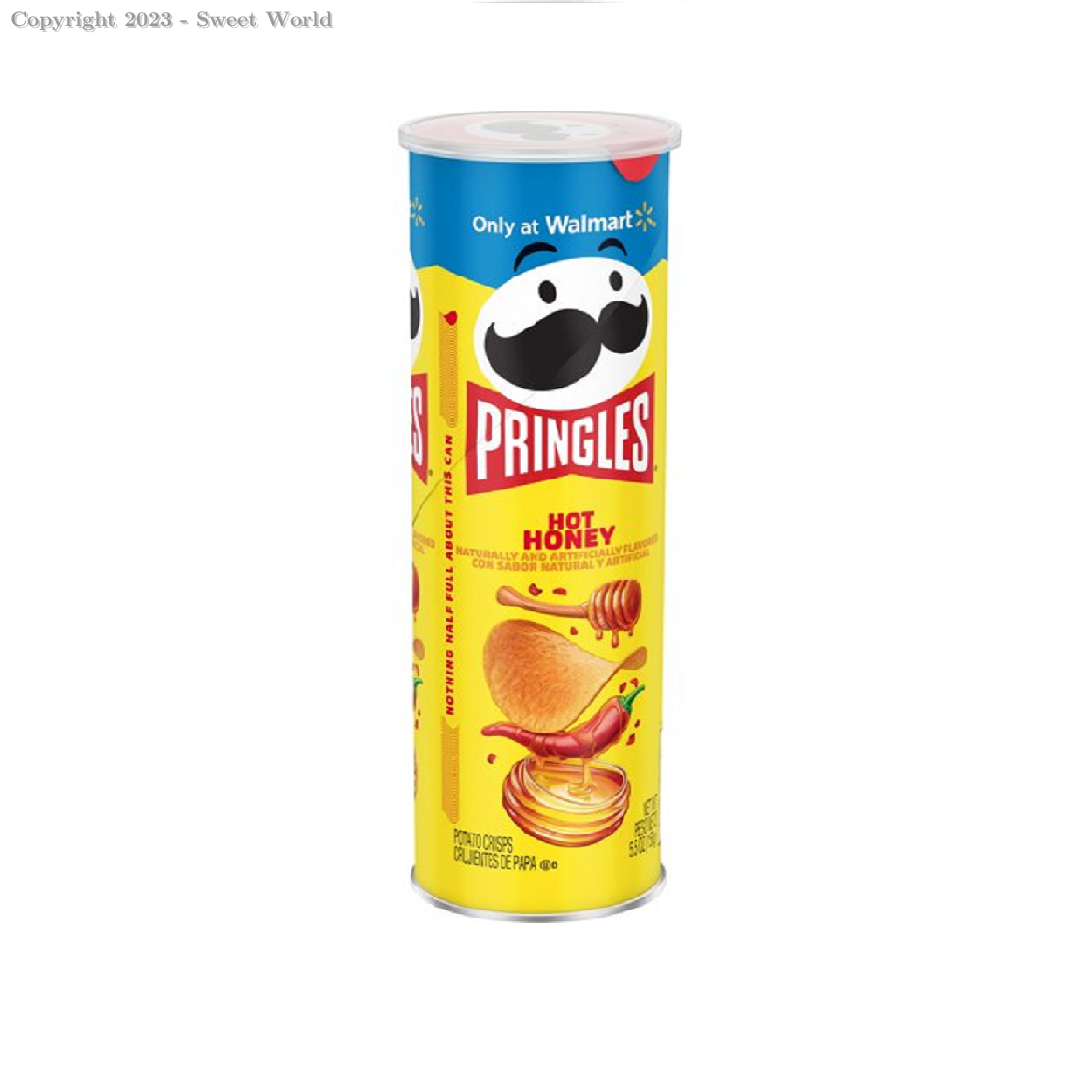
Pringles Potato Crisps Chips, Hot Honey 5.5 Oz
Standout ingredient: Sunflower
Evaluating the label of Pringles Hot Honey reveals that it is not simply sliced fried potatoes. It is a carefully engineered food product constructed from a dehydrated starch slurry, vegetable oils, texturizers, and a multi-component seasoning blend.
While none of the ingredients are banned or classified as high-risk toxins by food safety authorities, the formulation relies heavily on refined carbohydrates and industrial processing aids. Understanding each component helps you decide how this snack fits into your personal dietary preferences.
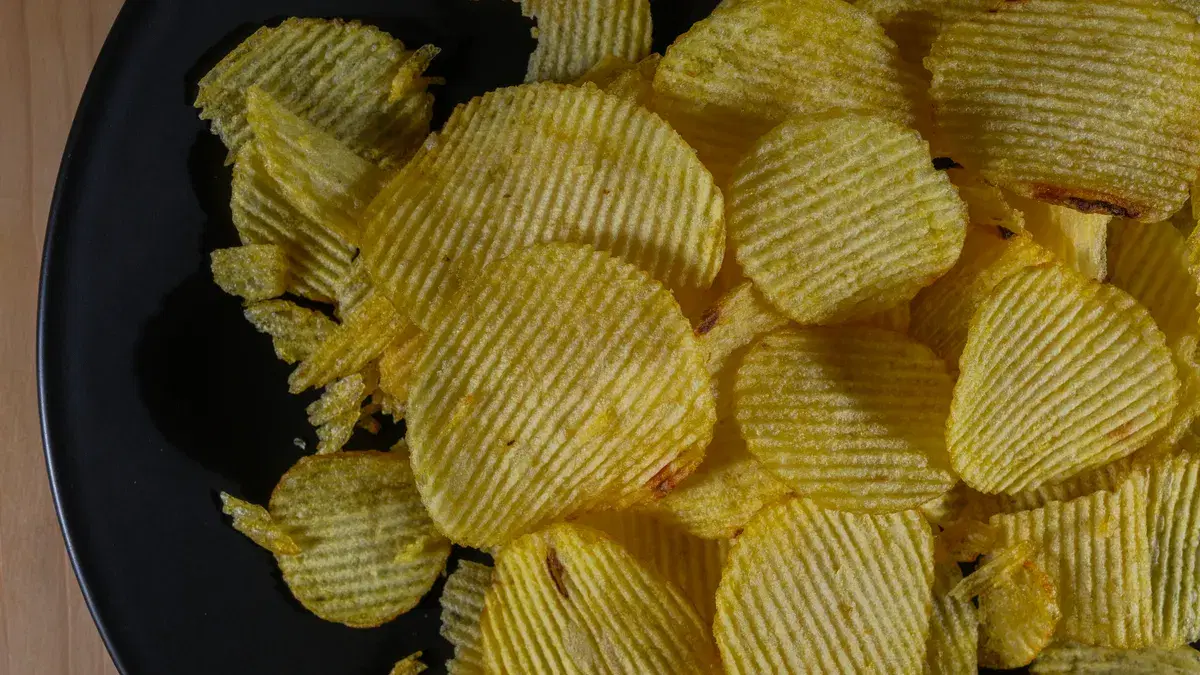
The foundation of Pringles Hot Honey consists of dried potatoes mixed with degerminated yellow corn flour, cornstarch, and rice flour. This blend explains why Pringles are legally sold as potato crisps rather than potato chips. Decades ago, the U.S. Food and Drug Administration (FDA) and the Federal Trade Commission addressed complaints from traditional potato chip manufacturers by establishing that products made from dehydrated potato flakes and extraneous starches cannot be labeled simply as potato chips without clarifying that they are made from dried potatoes. Dried potato is only part of the dough; corn, rice and wheat starches make up the rest.
From a processing perspective, blending potato flakes with corn and rice flour creates a pliable dough that can be rolled flat, cut into identical ovals, and molded into their signature saddle shape during rapid frying. Degerminated yellow corn flour has had its germ and bran removed, improving shelf life and resulting in a uniform texture without gritty particles.
These refined flours digest rapidly into simple sugars in the gastrointestinal tract. While safe and non-toxic, they offer minimal intact dietary fiber compared to whole-vegetable snacks. For those monitoring glycemic response or aiming for whole-food sources, understanding this multi-grain slurry base is essential.
Is a can of Pringles Hot Honey clean?
Guess before you scroll.
Aurascan says: Flagged
The main flag is Vegetable Oil.
One of the most critical details on the Pringles Hot Honey ingredient panel is wheat starch. Wheat starch is frequently used in snack manufacturing to modify crispness, control moisture retention, and optimize dough binding during extrusion and frying.
Because wheat starch is derived from wheat, it contains residual wheat proteins, including gluten. Consequently, Pringles Hot Honey is not suitable for individuals with celiac disease, non-celiac gluten sensitivity, or diagnosed wheat allergies. This surprises many consumers who assume that potato-based snacks are inherently gluten-free by default.
When evaluating processed snacks, comparing labels is crucial. For instance, in our breakdown of Are Doritos Clean? Every Nacho Cheese Ingredient, Scanned, we examine how different major snack brands utilize various grain binders and seasonings. Always check the allergen declaration at the bottom of the Nutrition Facts panel for bolded wheat warnings.
Mono- and diglycerides of fatty acids appear on the Pringles label as functional emulsifiers. In traditional whole-potato chips, there is no need for an emulsifier because the natural cellular structure of the sliced potato holds the chip together. In a reconstituted dough, however, water, starches, and fats must blend smoothly without separating before entering the fryer.
Mono- and diglycerides allow the vegetable oils and starch slurry to form a cohesive, uniform matrix. Under U.S. regulation 21 CFR 184.1505, mono- and diglycerides are affirmed as Generally Recognized as Safe (GRAS) when used under good manufacturing practice. They prevent the dough from tearing on the production line and ensure that every crisp achieves the exact same shatter-crisp bite.
From a nutritional classification standpoint, mono- and diglycerides are fats, but because they contain only one or two fatty acid chains rather than three (like standard triglycerides), they are historically classified as food additives rather than total fat on standard nutrition panels. They are metabolized by the body similarly to other dietary fats.
The dough and seasoning of Pringles Hot Honey utilize a vegetable oil blend consisting of corn, cottonseed, high oleic soybean, and/or sunflower oil, alongside maltodextrin. The interchangeable vegetable oils provide frying medium flexibility based on agricultural commodity availability, with high oleic variants offering increased oxidative stability under high heat.
Maltodextrin, regulated under 21 CFR 184.1444 and documented in the FDA GRAS Substances Database - Maltodextrin, is a hydrolyzed starch polymer. In the seasoning system, maltodextrin serves as an indispensable carrier agent. It disperses concentrated flavor compounds, spices, and honey powder evenly across the surface of the crisp, preventing the seasoning from clumping in the canister.
Maltodextrin has a high glycemic index, meaning it is absorbed rapidly by the body. While present in relatively small amounts per individual crisp, it contributes to the overall refined carbohydrate load of the snack.
The distinct flavor of Pringles Hot Honey is generated through a blend of sugar, honey powder, spices, natural flavors, yeast extract, and food acids. Honey powder is created by dehydrating real honey onto a carbohydrate carrier (like maltodextrin), allowing manufacturers to deliver true floral honey notes without introducing moisture that would make the crisps soggy.
Yeast extract is included to provide umami depth. Yeast extract contains naturally occurring free glutamates, which stimulate savory taste receptors in the same manner as monosodium glutamate (MSG). By combining sweet honey, savory yeast extract, and chili spices, the crisp achieves a multi-layered taste profile that encourages continued snacking.
Acids such as citric acid or sodium diacetate (regulated under 21 CFR 184.1754) are often used in seasoning matrices to impart a subtle tang that balances heavy sweetness and fat. Where a seasoned crisp needs a warm, golden-red hue, paprika extract (E160c) is the usual choice over synthetic dyes.
To see how this can compares with four other chips, see 5 chips people scan most; for the oven-versus-fryer question, see Baked Lay's vs Doritos.
When shopping for savory snacks, examining the full ingredient list rather than relying solely on front-of-package marketing helps you make informed choices. Here is a quick checklist when reviewing crisps and chips:
It is important to state clearly that while ingredient research reveals how individual components function, standard scientific evidence cannot predict how every unique digestive system will tolerate specific combinations of refined starches, emulsifiers, and spice extracts. Individuals with specific metabolic goals or sensitivities should evaluate snacks within the context of their overall dietary pattern.
Curious about the exact additives hiding in your pantry? You can scan the barcode on any snack with the free Aurascan app on iOS TestFlight to see every ingredient analyzed with cited scientific and regulatory evidence.
See what is really in the food you buy.
Scan it yourself. Get the Aurascan appNo. Pringles Hot Honey contains wheat starch in its reconstituted dough base, which contains gluten and makes the product unsafe for individuals with celiac disease or wheat allergies.
Pringles are made from a blended dough of dried potatoes, corn flour, and rice flour rather than sliced raw potatoes. U.S. labeling rules require such products to be identified as potato crisps.
Mono- and diglycerides of fatty acids (E471) are emulsifiers that help bind the starch slurry and vegetable oils together, preventing the dough from breaking during pressing and frying.
Yes, the seasoning contains honey powder, which is real honey dehydrated onto a carbohydrate carrier like maltodextrin to provide sweetness without adding moisture.
Yeast extract contains naturally occurring glutamates that provide a rich, savory umami flavor to balance the sweet honey and spicy pepper notes in the seasoning.
No. As of September 15, 2026, all ingredients in Pringles Hot Honey are approved for standard food use by both the FDA and EFSA without novel restrictions.
Aurascan turns product labels into plain-English ingredient explanations and source-backed context.
Scan your next label with AurascanWhat changed on food labels this week — bans, recalls, and new guides.
Source labels distinguish peer-reviewed research, regulatory material, and Aurascan label data when that classification is available.
Monster Energy lists over twenty ingredients: sugar, glucose, taurine, ginseng, two preservatives, sucralose and caffeine. What each one does and what regulators say.
Friendly's Orange Cream bars stack two sweeteners, four gums, carrageenan and two certified dyes (Red 40, Yellow 6). What each does, and where the dye phase-out stands.
Dole 100% Pineapple Juice adds no sugar, yet a glass carries soda-level sugar. What "100% juice" and "from concentrate" mean under FDA rules, and why vitamins are added.