
Guides · October 8, 2026 · 8 min read
Sodium Beyond Salt: 6 Scanned Labels With Sodium Additives
Sprite lists no salt but two sodium compounds. How MSG, baking soda, sodium citrate and sodium benzoate show up on 6 scanned labels, and what FDA says.
By Chris Carrillo · Reviewed by Armin Rad, Co-Founder & CTO, Aurascan · October 8, 2026
Every article is checked against primary sources before publication. How we review
Table salt is not the only ingredient that adds sodium to packaged food. FDA says some common additives, such as monosodium glutamate (MSG), sodium bicarbonate (baking soda), sodium nitrite and sodium benzoate, also contain sodium and contribute, in lesser amounts, to the sodium total on the Nutrition Facts label. Sprite's Open Food Facts listing, for example, names no salt but does name two sodium compounds. This guide walks through six scanned labels. The ingredient list tells you which sodium sources are present; only the Nutrition Facts panel tells you how much.
Key Takeaways
- Table salt (sodium chloride) is only one source of dietary sodium; additives like MSG, sodium citrate, sodium benzoate and baking soda also contribute to total sodium, and FDA notes that foods that don't taste salty can still be high in sodium.
- The ingredient list tells you which sodium compounds are present, but only the Nutrition Facts panel reveals the total milligrams and percent Daily Value (% DV) per serving.
- Each sodium additive here has its own US regulatory status (GRAS or a food additive rule). Public health advice is about total sodium: FDA's Daily Value is less than 2,300 mg a day, and EFSA considers 2.0 g a day safe and adequate for EU adults.
- FDA's guide for the panel: 5% DV or less of sodium per serving is low, and 20% DV or more is high.
What Is Sodium Beyond Table Salt?
FDA describes table salt, chemically sodium chloride, as a crystal-like compound that is abundant in nature, and sodium as a mineral that is one of the chemical elements in salt. The European Food Safety Authority (EFSA) notes that one gram of sodium chloride provides 0.4 g of sodium and 0.6 g of chloride. Other compounds used in food contain sodium too.
According to the FDA, over 70 percent of dietary sodium comes from packaged and prepared foods, not from table salt added when cooking or eating. EFSA says sodium is added to food mostly as sodium chloride during processing, and may also be added as sodium-containing food additives, such as sodium bicarbonate in fine bakery wares or sodium nitrate in processed meat. FDA lists sodium's uses in food as curing meat, baking, thickening, retaining moisture, enhancing flavor (including the flavor of other ingredients), and as a preservative.
Each sodium compound on the six labels below has its own US regulatory status, covered in the sections that follow. FDA's sodium guidance is about how much sodium you eat in total, from every source.
Roundup
6 scanned labels with sodium beyond salt
Doritos
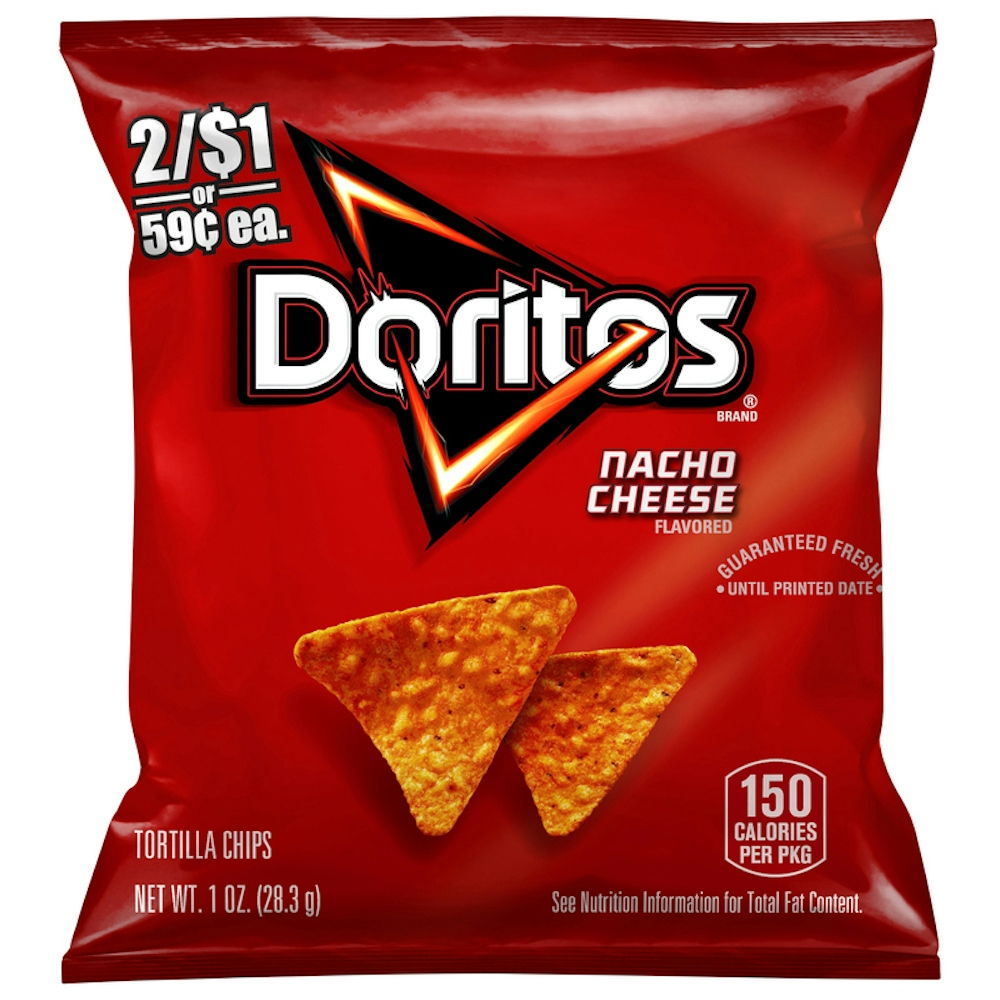
Doritos Tortilla Chips Nacho Cheese Flavored - 1 Ounce
Analysis by Aurascan. The app shows the full breakdown and its sources.
Sprite
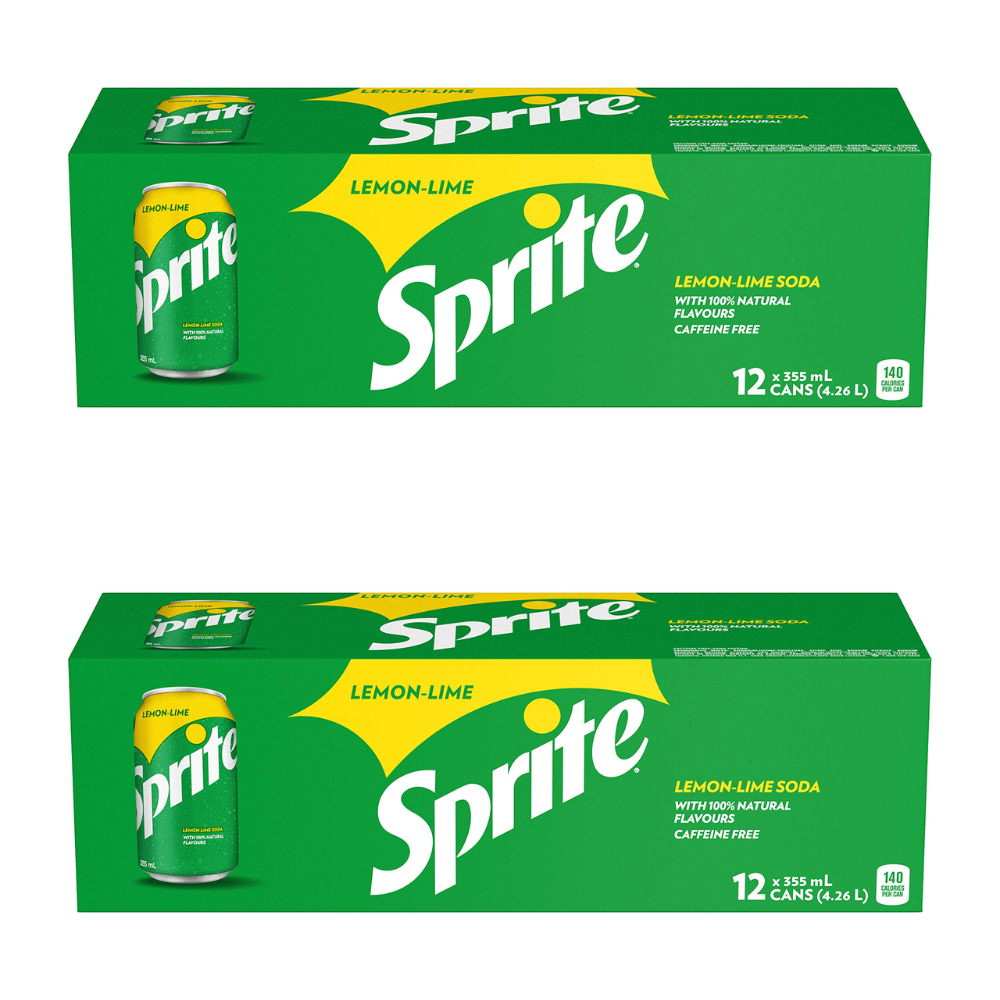
Sprite Lemon Lime Caffeine Free Soda Soft Drink Fridge Pack Cans
Analysis by Aurascan. The app shows the full breakdown and its sources.
Monster
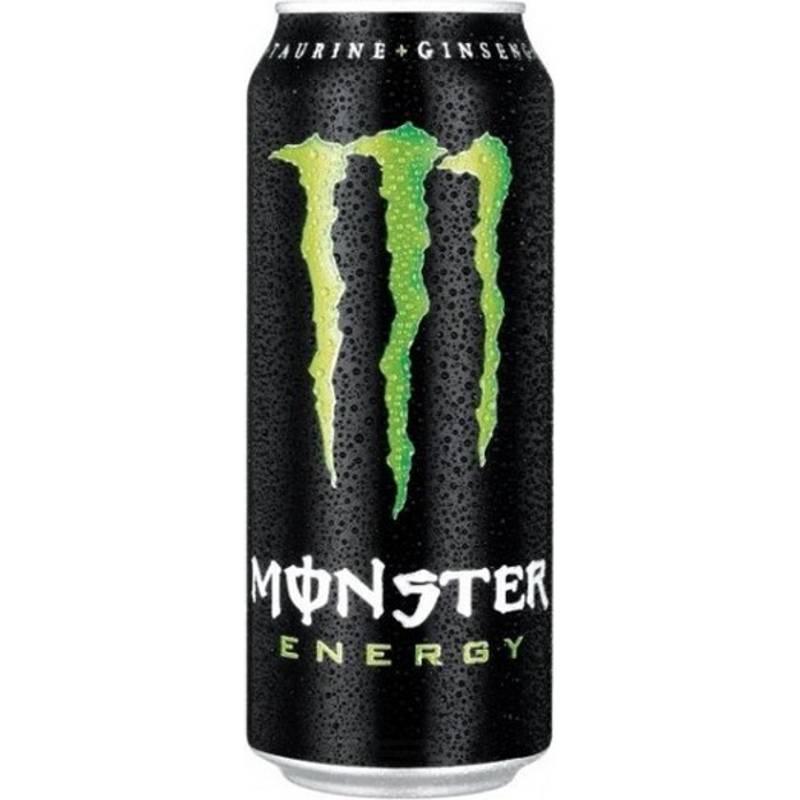
Monster Energy Drink Green 16 Oz Can
Analysis by Aurascan. The app shows the full breakdown and its sources.
Red Bull
Red Bull Energy Drink 12 Fl Oz Can
Analysis by Aurascan. The app shows the full breakdown and its sources.
Nature's Bakery
Nature's Bakery Whole Wheat Apple Cinnamon Fig Bar
Analysis by Aurascan. The app shows the full breakdown and its sources.

Fanta
Fanta Orange Soda Soft Drink, Bottle - 20 Fluid Ounce
Analysis by Aurascan. The app shows the full breakdown and its sources.
MSG, Disodium Inosinate and Disodium Guanylate in Doritos
The first label is the Open Food Facts listing for Doritos Nacho Cheese (barcode 028400090896). The listing specifies corn, vegetable oil, and corn maltodextrin, followed by an ingredient grouping containing less than 2 percent of several items.
Within that sub-2-percent grouping, the Open Food Facts listing includes salt (as its own entry, and inside both the cheddar cheese and the romano cheese), along with monosodium glutamate (MSG), disodium inosinate, and disodium guanylate. It also lists "potassium salt" without saying which potassium salt it is.
Under federal regulations, these ingredients hold distinct classifications. Monosodium glutamate is recognized under 21 CFR 182.1(a) alongside basic culinary items like salt and vinegar as safe for its intended use. Disodium guanylate is governed by 21 CFR 172.530 as a flavor enhancer at levels reasonably required to achieve its effect. Disodium inosinate, the disodium salt of inosinic acid, is authorized under 21 CFR 172.535 as a flavoring adjuvant. The listing does not say how much sodium each one adds.
For more on the most familiar of these, see our monosodium glutamate review.
Quiz
Doritos lists salt, MSG, disodium inosinate and disodium guanylate, all after its less-than-2% line. Still your pick?
Guess before you scroll.
Reveal Aurascan's verdict
Aurascan says: Flagged
The main flag is SOYBEAN.
Sodium Citrate and Sodium Benzoate in Sodas and Energy Drinks
Three drinks among the six labels name sodium citrate or sodium benzoate, and two of them list no salt at all.
Consider the Open Food Facts listing for Sprite (barcode 049000028928). It contains carbonated water, high fructose corn syrup, citric acid, natural flavors, sodium citrate, and sodium benzoate (to protect taste). No salt is listed, yet two sodium compounds are. Similarly, the Open Food Facts listing for Fanta Orange (barcode 049000019162) lists sodium benzoate alongside carbonated water, high fructose corn syrup, citric acid and two certified colors, and no salt.
The Open Food Facts listing for Monster Energy Green (barcode 070847811169) lists sodium citrate as its seventh ingredient, after citric acid, natural flavors and taurine. Monster also lists salt further down, while listing benzoic acid rather than sodium benzoate.
Under 21 CFR 184.1751, sodium citrate is defined as the sodium salt of citric acid, prepared by neutralizing citric acid with sodium hydroxide or sodium carbonate. It holds GRAS status with no limitation other than current good manufacturing practice. Under 21 CFR 184.1733, sodium benzoate, "the chemical benzoate of soda", is produced by neutralizing benzoic acid with sodium bicarbonate, sodium carbonate or sodium hydroxide, and is not found to occur naturally. The rule notes that current usage results in a maximum level of 0.1 percent in food. Our sodium benzoate review covers that ingredient in depth. FDA counts sodium benzoate among additives that contribute, in lesser amounts, to the sodium total.
Baking Soda in a Fig Bar and an Energy Drink
FDA's sodium page equates baking soda with sodium bicarbonate, which is GRAS under 21 CFR 184.1736 with no limitation other than current good manufacturing practice.
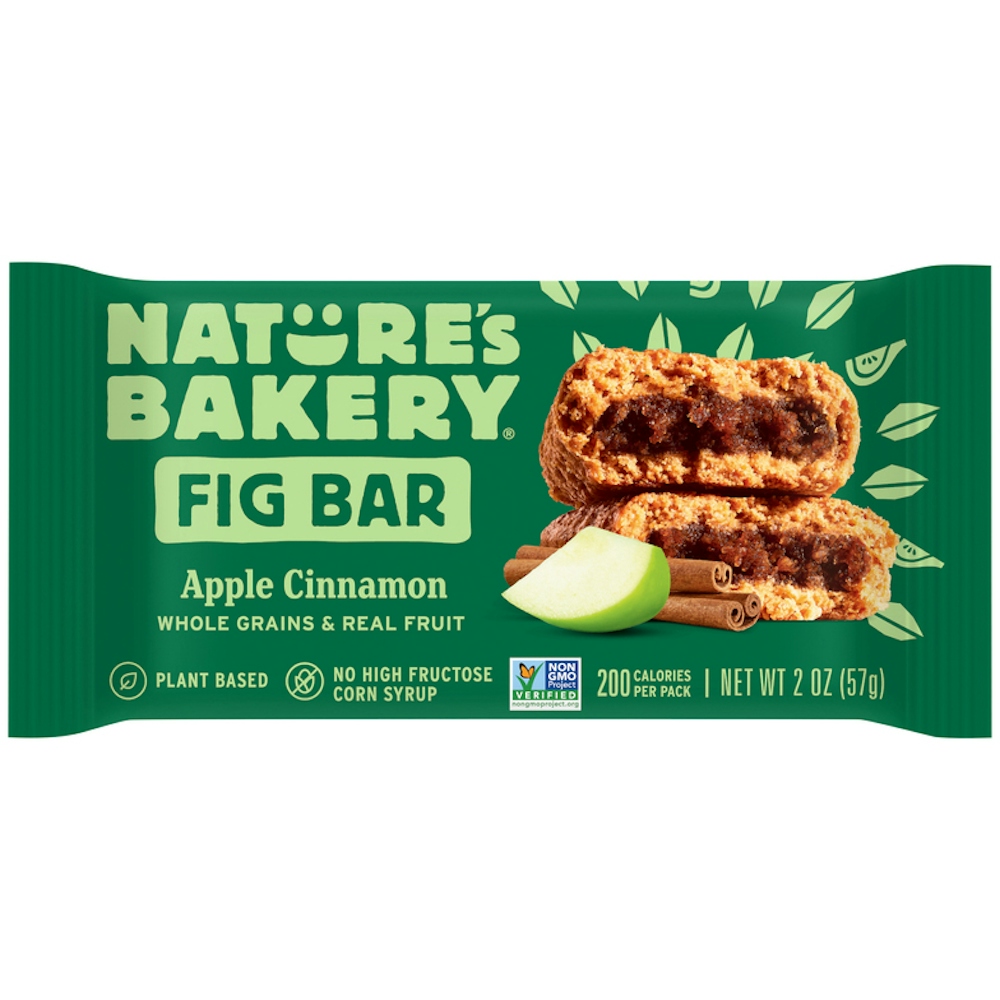
The Open Food Facts listing for Nature's Bakery Apple Cinnamon Fig Bar (barcode 047495112559) includes whole wheat flour, sweeteners, fig paste, apple jam, sea salt, and baking soda as its final ingredient. Both sea salt and baking soda contribute sodium to the product. None of the sources we checked say sea salt differs nutritionally from salt.
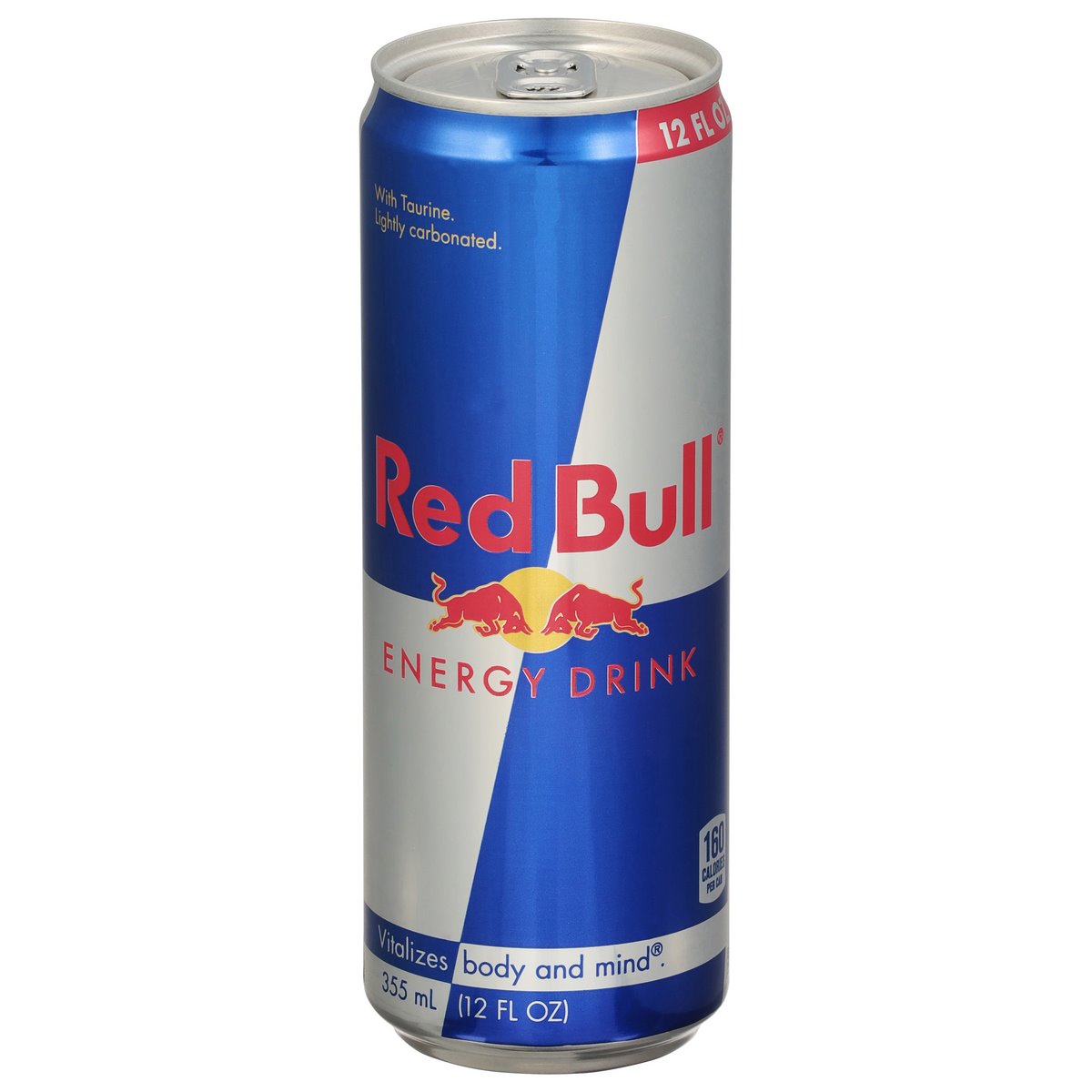
Sodium bicarbonate also appears in a drink. The Open Food Facts listing for Red Bull Energy Drink (barcode 611269818994) lists sodium bicarbonate as its sixth ingredient, placed among sucrose, glucose, citric acid, taurine, and magnesium carbonate. No salt is listed.
By contrast, the Open Food Facts listing for Celsius Sparkling Peach Vibe (barcode 889392010190) lists calcium carbonate where Red Bull lists sodium bicarbonate and magnesium carbonate, and names no ingredient with sodium or salt in it. That does not mean Celsius has no sodium; only its Nutrition Facts panel, which we did not check, gives the amount.
Quiz
Two energy drinks. Which one lists sodium bicarbonate, and which lists calcium carbonate instead?
Guess before you scroll.
Reveal Aurascan's verdict
Aurascan says: It's a tie
How to Spot Hidden Sodium Sources on Ingredient Lists
Identifying non-salt sodium sources requires scanning beyond the word "salt." A simple rule of thumb is to look for the terms "sodium" or "disodium" throughout the ingredient list.
The sodium sources on the six labels in this guide:
- Monosodium glutamate (MSG), disodium inosinate and disodium guanylate: Doritos
- Sodium citrate: Sprite, Monster
- Sodium benzoate: Sprite, Fanta Orange
- Sodium bicarbonate or baking soda: Red Bull, Nature's Bakery
- Salt or sea salt: Doritos, Monster, Nature's Bakery
Placement on the ingredient statement also offers clues regarding quantity. Under 21 CFR 101.4(a)(2), ingredients present at 2 percent or less by weight can appear at the end of the statement out of descending order, provided they follow an appropriate quantifying phrase. Doritos uses this format: cheddar cheese, salt, MSG, disodium inosinate, disodium guanylate and the rest of its list all follow its "less than 2% of" phrase. Our guide on how to read a food label explains the 2 percent rule in more detail.
Reading the Numbers: Daily Value Rules and the Limits of the Ingredient List
The most critical takeaway for label literacy is that the ingredient list tells you which sodium sources are inside a product, but only the Nutrition Facts panel reveals how much sodium is present. The ingredient list never discloses milligrams or percentages.
Public health agencies establish clear reference points for monitoring cumulative intake:
- The FDA Daily Value (DV) for sodium is less than 2,300 milligrams (mg) per day.
- The Dietary Guidelines for Americans recommend adults limit sodium to less than 2,300 mg a day, about 1 teaspoon of table salt. FDA says Americans eat on average about 3,400 mg a day.
- EFSA considers 2.0 grams (2,000 mg) of sodium per day a safe and adequate intake for EU adults, with lower values for children: 1.1 g a day at ages 1 to 3, rising to 2.0 g at ages 11 to 17.
- On August 15, 2024, the FDA issued draft Phase II voluntary sodium reduction targets for 163 food categories that, if achieved, would reduce sodium intake to about 2,750 mg per day. With the final Phase I goals from October 2021, they would support cutting average sodium intake by about 20 percent from previous levels. We have not checked whether Phase II has since been finalized.
When reviewing the Nutrition Facts panel, shoppers can rely on the FDA's 5/20 benchmark: 5% DV or less per serving is considered low, whereas 20% DV or more per serving is considered high. FDA also notes that some foods that don't taste salty can still be high in sodium.
Practical Tips to Evaluate and Compare Packaged Products
Checking sodium comes down to reading both the ingredient list and the Nutrition Facts panel. An ingredient list cannot tell you how much sodium each additive contributes, and we have not checked the sodium amounts for any product in this guide, so this guide does not rank them.
Furthermore, the absence of a sodium-named ingredient does not automatically guarantee zero sodium. EFSA notes that all unprocessed foods contain sodium, although at low levels. The Open Food Facts listing for Haagen-Dazs Vanilla Bean (barcode 074570650576), for example, lists only cream, skim milk, cane sugar, egg yolks, ground vanilla beans and vanilla extract. It names no salt or sodium additive, but that does not mean it has no sodium. The Nutrition Facts panel gives the amount.
Follow these steps when comparing foods in the supermarket aisle:
- Check the Nutrition Facts panel first to verify the absolute milligrams and % DV per serving.
- Scan the ingredient list to see whether sodium originates from simple salt or functional additives like preservatives, leavening agents, and flavor enhancers.
- Do not assume sweet foods or carbonated beverages are sodium-free.
- Use FDA's 5 and 20 percent DV markers on any packaged food, whatever it tastes like.
This article is not medical advice.
Try Aurascan
See what is really in the food you buy.
Common questions
- Does sodium always taste salty in packaged food?
- No. FDA notes that some foods that don't taste salty can still be high in sodium. Sprite's Open Food Facts listing, for example, names no salt but lists sodium citrate and sodium benzoate.
- Can an ingredient list tell you how many milligrams of sodium are in a food?
- No. The ingredient list only reveals which sodium compounds were added to the product. To find the exact milligrams and percent Daily Value (% DV), you must check the Nutrition Facts panel.
- What is the FDA Daily Value for sodium?
- The FDA Daily Value for sodium is less than 2,300 milligrams per day. The Dietary Guidelines' adult limit of less than 2,300 mg a day equals about 1 teaspoon of table salt.
- How do I know if a packaged food is high or low in sodium?
- Use the FDA 5/20 rule on the Nutrition Facts panel: 5% DV or less per serving is considered low in sodium, while 20% DV or more per serving is considered high.
- Is sea salt naturally lower in sodium than regular table salt?
- None of the FDA or EFSA sources we checked say sea salt is lower in sodium than table salt. For any specific product, the Nutrition Facts panel gives the sodium amount.
Sources
- Sodium in Your Diet (fda.gov)
- Sodium Reduction (fda.gov)
- Dietary reference values for sodium (pmc.ncbi.nlm.nih.gov)
- 21 CFR 184.1751 - Sodium citrate (ecfr.gov)
- 21 CFR 182.1 - Substances that are generally recognized as safe (ecfr.gov)
- 21 CFR 101.4 - Food; designation of ingredients (ecfr.gov)
In this series
Guide
Fage Total 0% vs Core Power: Two Milk-Protein Labels ComparedGuide
Fruit on the Ingredient List: 5 Scanned Products, 5 Different JobsGuide
Ultra-Processed Food and Heart Risk: Waist Size Explains HalfGuide
Front-of-pack claims vs nutrition: 145,609 foods testedGuide
To Protect Taste: 6 Scanned Labels That Explain Their IngredientsGuide
Baked Lay's vs Pringles Hot Honey: Two Dried-Potato Crisps
Related guides
Comparisons
Gatorade vs Powerade: Sugar, Sodium and ElectrolytesPer 12 fl oz Powerade lists 240mg sodium and 80mg potassium; Gatorade 160mg and 50mg. Compare sugars, HFCS vs sugar and dextrose, dyes and additives.
Comparisons
Chobani vs Fage Greek Yogurt: Protein, Sugar and CulturesChobani Nonfat Plain vs Fage Total 0% Greek yogurt: protein per 3/4 cup, sugar, sodium, live cultures and the one-line ingredient lists compared.
Comparisons
Fage Total 0% vs Core Power: Two Milk-Protein Labels ComparedBoth start with milk. Fage lists 2 ingredients, Core Power lists 13. We compare cultures vs lactase, four sweeteners, gums and what the US yogurt rule says.
Try it on your own groceries
Scan your next label with Aurascan
Point the camera at any ingredient list and get the same evidence-graded read you see here.
Open the scannerGet food recall alerts + a weekly digest
An email when a food recall is announced, plus one weekly roundup of label news and new guides.
We email a confirmation link first - nothing is sent until you click it. Unsubscribe anytime. Privacy