
Guides · October 5, 2026 · 8 min read
Fruit on the Ingredient List: 5 Scanned Products, 5 Different Jobs
Juice, concentrate, pulp, fig paste and monk fruit: how Dole, Fresca, Friendly's, Nature's Bakery and Core Power use fruit, and what FDA rules require.
By Chris Carrillo · Reviewed by Armin Rad, Co-Founder & CTO, Aurascan · October 5, 2026
Every article is checked against primary sources before publication. How we review
Fruit ingredients on packaged foods can serve completely different purposes depending on where they sit in an ingredient statement and how they are processed. The exact same word can represent the entire beverage, a light flavoring agent, a nested component in a bakery filling, a coloring additive, or an ingredient clustered among sweeteners. Looking at the exact wording and order of ingredients shows how manufacturers deploy fruit beyond simple whole produce.
Key takeaways:
- Ingredient order reveals function: fruit can serve as a primary base, a minor background flavor, a dessert component, a color, or an ingredient listed among the sweeteners.
- Under 21 CFR 101.30, beverages that represent themselves as containing fruit or vegetable juice face explicit percent-juice declaration requirements.
- Concentrated fruit juice used in foods like frozen novelties can count toward Added Sugars under FDA labeling rules.
- Fruit juice is an approved color additive under 21 CFR 73.250, exempt from batch certification, and the Nature's Bakery listing names the job ("for color") but not the fruit.
How We Evaluated Fruit and Juice on Food Labels
To evaluate how fruit appears in everyday grocery items, we examined Open Food Facts listings for five common products across distinct categories: a pure juice, a diet citrus soda, a frozen dairy novelty, a filled snack bar, and a ready-to-drink protein shake. Each product was checked against US Food and Drug Administration (FDA) regulations governing juices, colors, and added sugars.
Our selection criteria focused on identifying products where fruit or fruit juice plays fundamentally different technical roles:
- As the primary beverage base (pure single-strength juice).
- As a minor juice concentrate in a carbonated soft drink.
- As an ingredient situated behind multiple sweeteners in a frozen dairy dessert.
- As a complex mixture of whole pastes, nested jams, and unnamed juice used strictly for coloring.
- As a juice concentrate listed among other sweetening ingredients in a dairy shake.
Federal standards provide clear frameworks for these variations. Under 21 CFR 101.30, any food that purports to be a beverage containing fruit or vegetable juice must follow specific percentage juice rules. In contrast, solid foods like baked goods and frozen bars are not governed by beverage percent-juice rules. The following sections walk through each scanned product in order.
Roundup
5 scanned products with fruit or fruit juice in the ingredient list
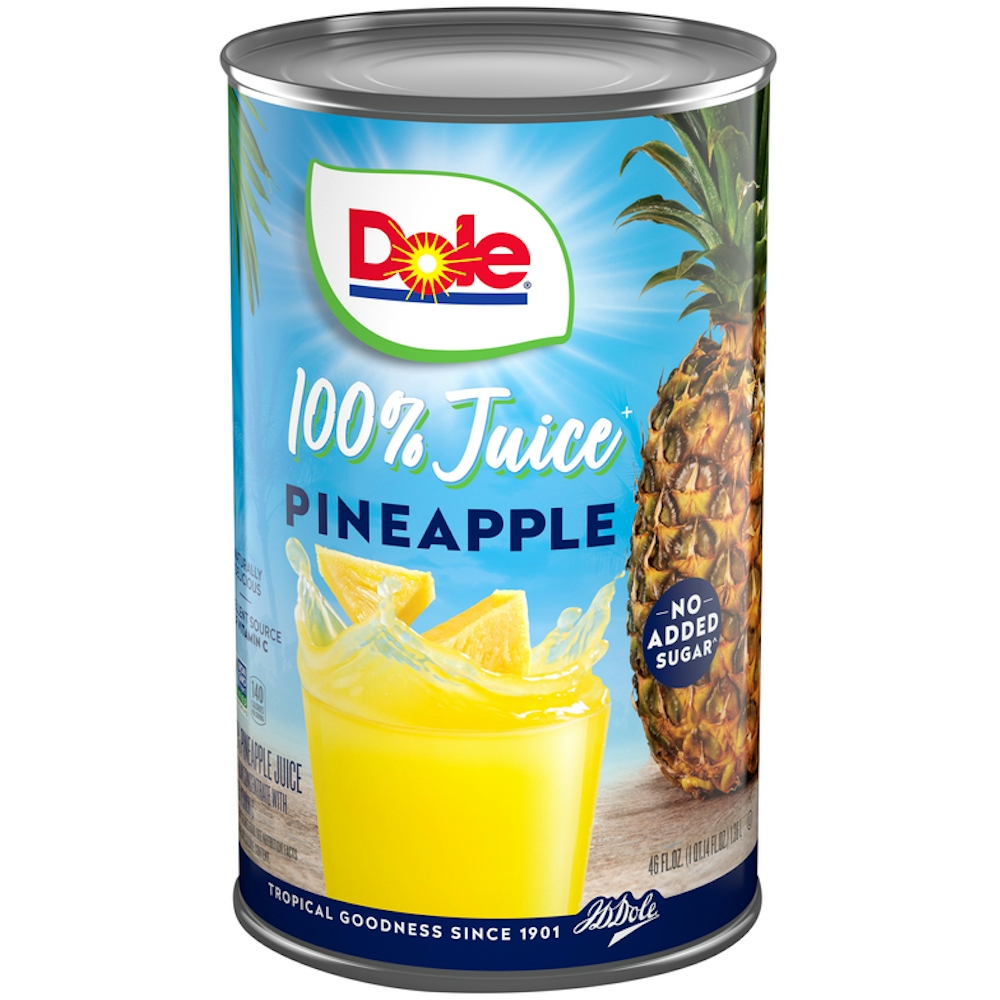
Dole
Dole 100% Pineapple Juice - 46 Fl Oz Can
Analysis by Aurascan. The app shows the full breakdown and its sources.
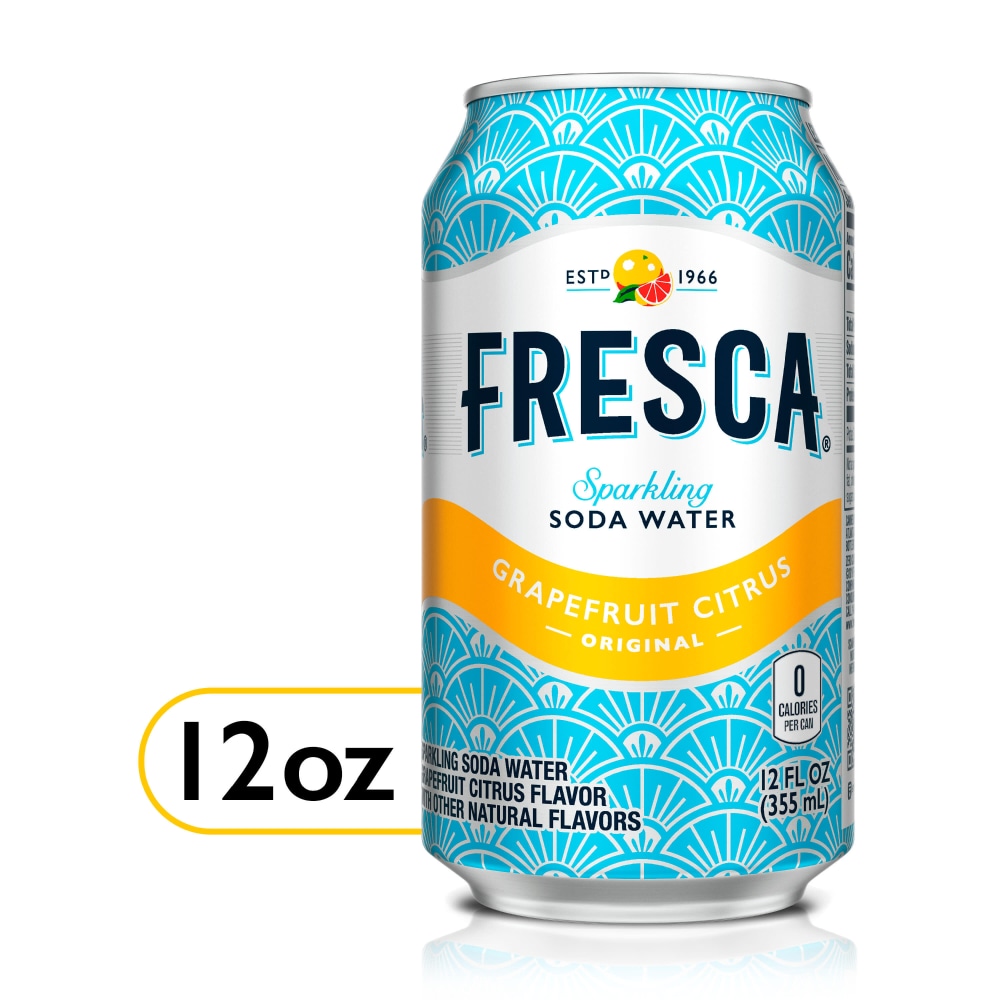
Fresca
Fresca Grapefruit Citrus Sparkling Soda Water
Analysis by Aurascan. The app shows the full breakdown and its sources.
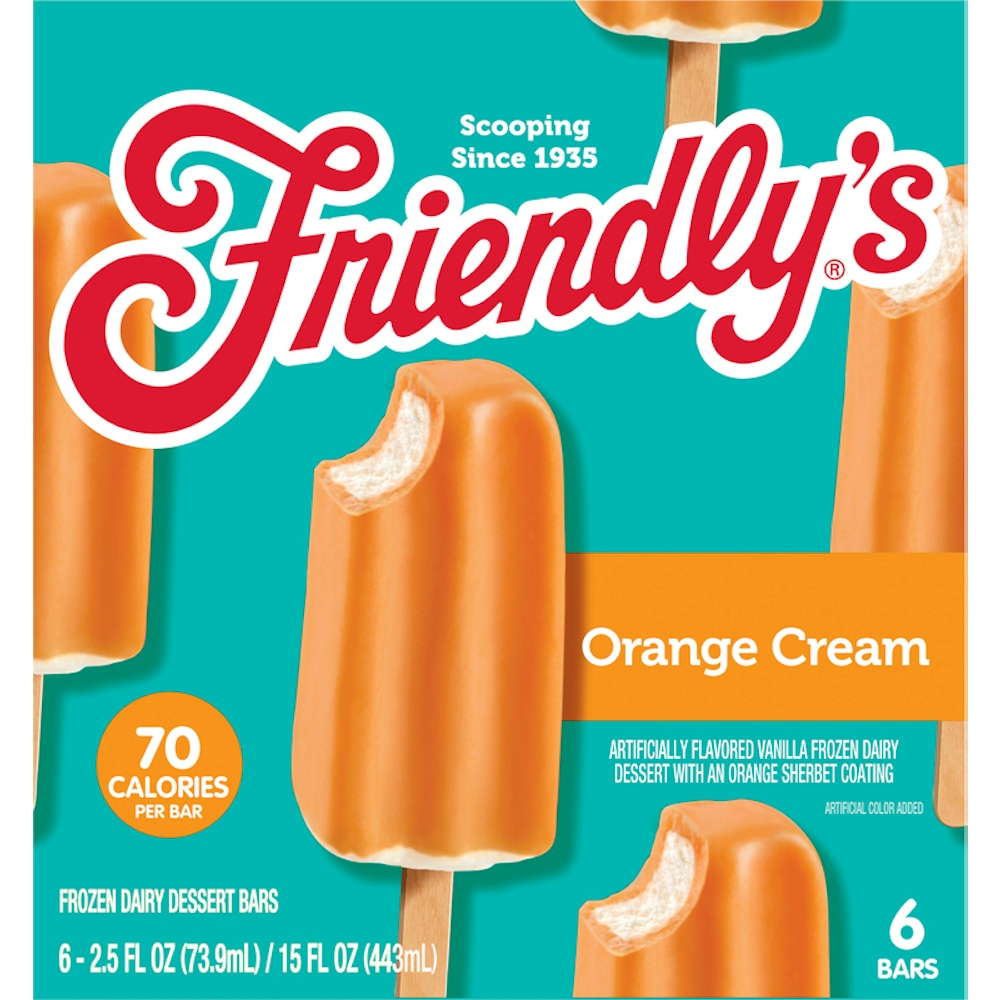
Friendly's
Friendly's Ice Cream Bars, Orange Creme
Analysis by Aurascan. The app shows the full breakdown and its sources.
Nature's Bakery
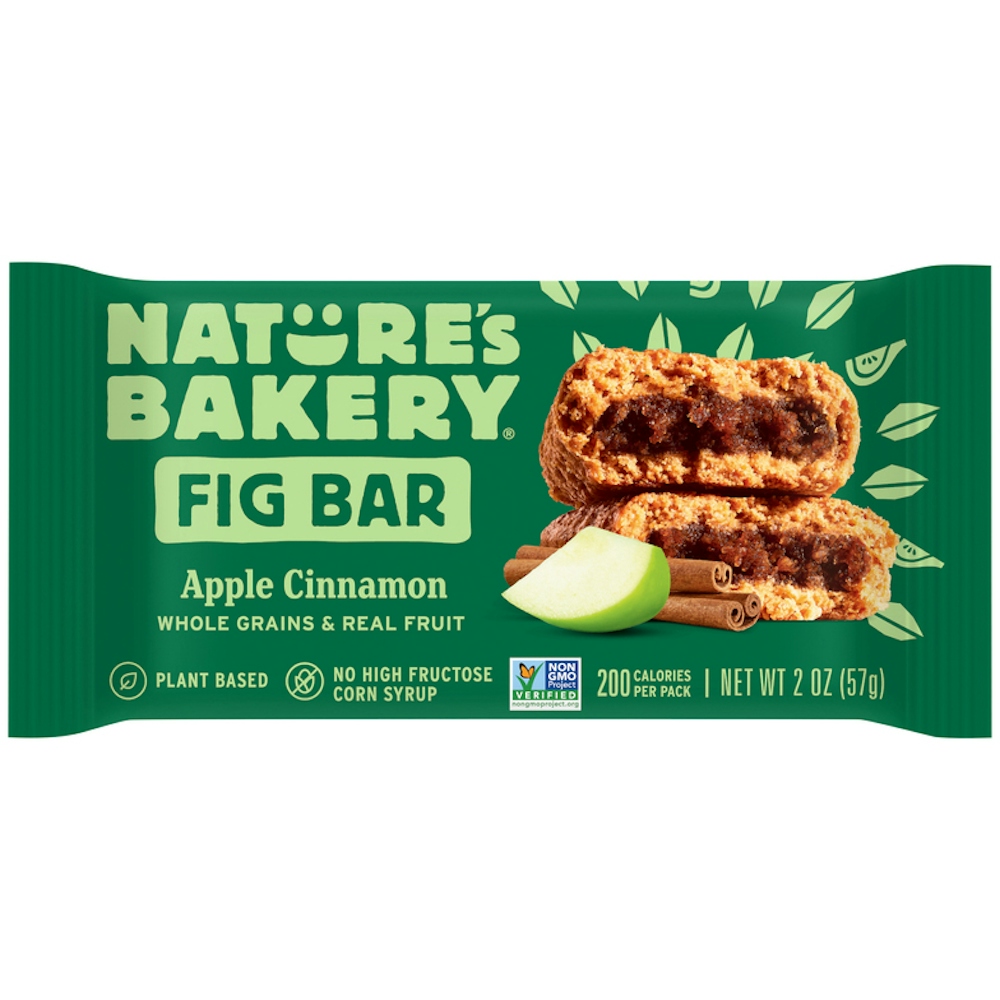
Nature's Bakery Whole Wheat Apple Cinnamon Fig Bar
Analysis by Aurascan. The app shows the full breakdown and its sources.
Core Power
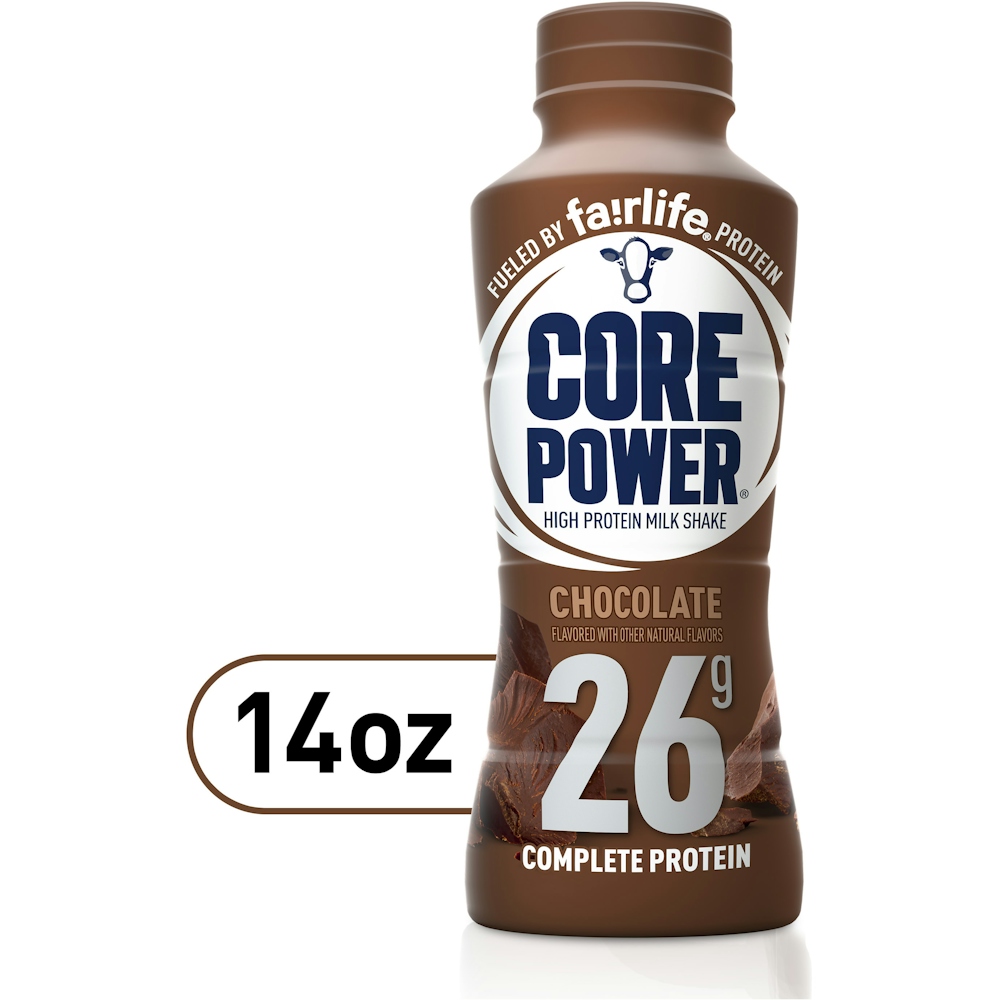
Core Power Chocolate High Protein Milk Shake 14 Fl Oz
Analysis by Aurascan. The app shows the full breakdown and its sources.
1. Dole 100% Pineapple Juice: Pure Juice With Added Vitamins
In the Open Food Facts listing for Dole 100% Pineapple Juice (barcode 038900008185), the ingredient statement reads:
"PINEAPPLE JUICE, ASCORBIC ACID (VITAMIN C), VITAMIN E, AND VITAMIN A."
Here, pineapple juice is the very first and primary ingredient, followed immediately by three added vitamins. Under the FDA standard of identity for pineapple juice (21 CFR 146.185), it may be sweetened with safe and suitable dry nutritive carbohydrate sweeteners, but if added, the label must declare "Sweetener added." Dole's listing displays no added sweetener.
The standard also allows added vitamin C such that the total vitamin C amounts to between 30 and 60 milligrams per 4 fluid ounces of finished food. Under 21 CFR 101.30(b)(3), when a beverage contains 100 percent juice along with non-juice ingredients, and the 100 percent juice declaration appears on a panel that does not bear the ingredient statement, it must be accompanied by the phrase "with added ______" (FDA's example is "100% juice with added sweetener"). However, the Open Food Facts listing does not show the percent-juice declaration panel, so whether that phrase appears on the outer can is not disclosed.
By comparison, European Union Directive 2012/12/EU no longer authorizes the addition of sugars to fruit juices at all, though both US and EU frameworks permit added vitamins. For shoppers tracking fortification, exploring Niacinamide, Cyanocobalamin: Vitamin Names on Labels Decoded helps clarify how added nutrients are listed on packaged beverages.
Scan preview
Dole
Dole 100% Pineapple Juice - 46 Fl Oz Can
Vitamin E · Vitamin A · Pineapple Juice
Standout ingredient: Ascorbic Acid (Vitamin C)
Analysis by Aurascan. The app shows the full breakdown and its sources.
2. Fresca Grapefruit Citrus: Concentrated Juice in a Diet Soda
In the Open Food Facts listing for Fresca Grapefruit Citrus (barcode 049000002485), the ingredients appear as:
"carbonated water, citric acid, concentrated grapefruit juice, potassium citrate, aspartame, potassium sorbate (to protect tasté), acacia gum, acesulfame potassium, natural flavors, glycerol ester of rosin, potassium benzoate and calcium disodium edta (to protect taste), carob bean gum. phenylketonurics: contains phenylalanine"
Concentrated grapefruit juice occupies the third spot, directly following carbonated water and citric acid. The listing also names aspartame and acesulfame potassium. Because Fresca is a beverage that lists juice, 21 CFR 101.30 may apply; that rule requires beverages that contain juice to declare the percentage of juice. However, 21 CFR 101.30(c) exempts beverages that contain minor amounts of juice for flavoring when the product is labeled with terms like "flavor" or "flavored" and does not otherwise imply juice content.
The Open Food Facts listing does not disclose the specific percentage of juice in Fresca. For products that explain why certain stabilizers and preservatives are present, see our review on To Protect Taste: 6 Scanned Labels That Explain Their Ingredients.
3. Friendly's Orange Creme Bars: Fruit Behind Added Sweeteners
In the Open Food Facts listing for Friendly's Ice Cream Bars, Orange Creme (barcode 029839100170), the ingredient text reads:
"Milk, sugar, water, cream, corn syrup, skim milk solids, high fructose corn syrup, whey, orange pulp, natural flavors, concentrated orange juice, vanilla extract, citric acid, guar gum, mono and diglycerides, carob bean gum, cellulose gum, carrageenan, pectin, yellow 6."
In this frozen novelty, orange ingredients appear far down the roster: orange pulp is ninth and concentrated orange juice is eleventh. They sit behind milk, sugar, water, cream, corn syrup, skim milk solids, high fructose corn syrup and whey (see Whey on Food Labels: What It Is and Who Should Watch It). The exact amounts of orange pulp and orange juice concentrate are not disclosed in the listing.
This is a frozen bar, not a beverage, so the 21 CFR 101.30 percent-juice rules do not apply. However, FDA rules for the Nutrition Facts label (21 CFR 101.9(c)(6)(iii)) dictate that sugars from concentrated fruit or vegetable juices that exceed what would be expected from single-strength juice count as Added Sugars. As the FDA's consumer page on Added Sugars explains, added sugars include sugars from concentrated fruit or vegetable juices, but not the naturally occurring sugars found in milk, fruits and vegetables. The only color the listing names is Yellow 6, a certified color, which comes last.
4. Nature's Bakery Fig Bar: Paste, Nested Apple Jam, and Juice for Color
In the Open Food Facts listing for Nature's Bakery Whole Wheat Apple Cinnamon Fig Bar (barcode 047495112559), the ingredients are listed as:
"Whole Wheat Flour, Cane Sugar, Fig Paste, Brown Rice Syrup, Apple Jam (Cane Sugar, Naturally Milled Sugar, Rice Starch, Apple Powder, Evaporated Apples, Glycerin, Natural Flavor, Pectin, Citric Acid, Cinnamon, Locust Bean Gum), Canola Oil, Whole Grain Oats, Glycerin, Fruit Juice (for color), Sea Salt, Natural Flavor, Citric Acid, Baking Soda."
Fruit appears in three distinct forms across this baked bar:
- A fruit paste: "Fig Paste" is third, positioned immediately after whole wheat flour and cane sugar.
- A nested sub-recipe: "Apple Jam" contains its own sub-ingredients, where cane sugar and naturally milled sugar precede apple powder and evaporated apples.
- A coloring agent: "Fruit Juice (for color)" appears near the end of the statement.
Under 21 CFR 73.250, fruit juice is an authorized color additive prepared by expressing the juice from mature varieties of fresh edible fruits or by water infusion of dried fruit. FDA's summary of color additives lists fruit juice (21 CFR 73.250) among colors exempt from certification. Under 21 CFR 101.22(k)(2), exempt colors may be declared as "Colored with " or " color." Nature's Bakery's "Fruit Juice (for color)" tells you the job, but the Open Food Facts listing does not say which fruit was used.
Quiz
Nature's Bakery lists Fruit Juice (for color) without naming the fruit. Is the job alone enough for you?
Guess before you scroll.
Reveal Aurascan's verdict
Aurascan says: Flagged
The main flag is STONE GROUND WHOLE WHEAT FLOUR.
5. Core Power Chocolate: Monk Fruit Juice Concentrate in a Shake
In the Open Food Facts listing for Core Power Chocolate High Protein Milk Shake (barcode 811620021951), the ingredient statement reads:
"FILTERED LOW FAT GRADE A MILK, ALKALIZED COCOA, NATURAL FLAVORS, MONK FRUIT JUICE CONCENTRATE, STEVIA LEAF EXTRACT, CARRAGEENAN, CELLULOSE GEL, CELLULOSE GUM, ACESULFAME POTASSIUM, SUCRALOSE, LACTASE ENZYME, VITAMIN A PALMITATE, VITAMIN D3."
In this chocolate protein shake, monk fruit juice concentrate appears fourth, listed alongside the other sweetening ingredients: stevia leaf extract, acesulfame potassium, and sucralose. The listing does not say what job the monk fruit concentrate does in this shake.
Monk fruit juice concentrate is derived from Siraitia grosvenorii Swingle (Luo Han Guo). In GRAS Notice GRN 000627 (FDA response letter, October 11, 2016), one supplier, Guilin GFS Monk Fruit Corporation, notified FDA of its monk fruit juice concentrate for use as a sweetener and flavoring ingredient in conventional foods; the notice attributes the sweet taste to cucurbitane glycosides called mogrosides, and FDA had no questions. Nothing in the listing says Core Power uses that supplier. The Open Food Facts listing does not disclose the specific supplier, the precise amount of monk fruit juice concentrate used, or the grams of added sugars contributed by any juice concentrate in Core Power. Whether 21 CFR 101.30 juice labeling applies to Core Power was not reviewed.
How to Use This List to Decode Fruit Ingredients
Across these five listings, the position and wording of a fruit ingredient say more than the word fruit itself. A few things to check:
- Check the position: Ingredients are listed in descending order by weight. A fruit juice at the top represents the primary liquid base, while fruit listed tenth sits behind major sweeteners.
- Look inside parentheses: in the Nature's Bakery bar, apple appears inside "Apple Jam," after cane sugar and naturally milled sugar.
- Read the function descriptor: If an ingredient states "(for color)," it is being used as a color additive under 21 CFR 73.250.
- Notice "concentrated": under 21 CFR 101.9(c)(6)(iii), sugars from concentrated juice beyond what the same volume of 100 percent juice would supply count as Added Sugars, with some exceptions.
It is important to emphasize that ingredient statements and regulatory standards cannot establish individual health outcomes, metabolic responses, or clinical tolerances for specific individuals. Always refer to the Nutrition Facts panel for quantified calories, carbohydrates, and added sugars.
Try Aurascan
See what is really in the food you buy.
Common questions
- Does concentrated fruit juice count as added sugar?
- Under FDA regulation 21 CFR 101.9(c)(6)(iii), sugars from concentrated fruit or vegetable juices that exceed what would be expected from the same volume of 100 percent single-strength juice count toward Added Sugars on the Nutrition Facts label. Naturally occurring sugars found in milk, fruits and vegetables do not count as added sugars.
- Why does a label say 'Fruit Juice (for color)' without naming the fruit?
- Fruit juice is an approved color additive under 21 CFR 73.250 and is exempt from certification. Under 21 CFR 101.22(k)(2), exempt colors may be declared as 'Colored with ____' or '____ color'. Nature's Bakery's listing names the job but not the fruit, and the listing does not say which fruit was used.
- What does 21 CFR 101.30 require on beverage labels?
- FDA regulation 21 CFR 101.30 requires foods that purport to be beverages containing fruit or vegetable juice to display a percentage juice declaration on their information panel, using specific phrasing like 'Contains __% juice.' Minor flavoring amounts in products labeled with flavor descriptors may be exempt under certain conditions.
- Can pineapple juice contain added sugar and still be called pineapple juice?
- Under the US standard of identity 21 CFR 146.185, pineapple juice may be sweetened with a safe and suitable dry nutritive carbohydrate sweetener, but then the label must bear the statement 'Sweetener added.' By contrast, European Union Directive 2012/12/EU prohibits added sugars in fruit juices.
- What is monk fruit juice concentrate?
- Monk fruit juice concentrate comes from the fruit Siraitia grosvenorii Swingle. In GRAS Notice GRN 000627, one supplier notified FDA of its monk fruit juice concentrate for use as a sweetener and flavoring ingredient in conventional foods, describing its sweet taste as coming from cucurbitane glycosides called mogrosides. FDA had no questions. The listing does not say who supplies Core Power's concentrate.
Sources
- Added Sugars on the Nutrition Facts Label (fda.gov)
- Agency Response Letter GRAS Notice No. GRN 000627 (fda.gov)
- Directive 2012/12/EU of the European Parliament and of the Council (eur-lex.europa.eu)
- Summary of Color Additives for Use in the United States in Foods, Drugs, Cosmetics, and Medical Devices (fda.gov)
In this series
Guide
Ultra-Processed Food and Heart Risk: Waist Size Explains HalfGuide
Front-of-pack claims vs nutrition: 145,609 foods testedGuide
To Protect Taste: 6 Scanned Labels That Explain Their IngredientsGuide
Baked Lay's vs Pringles Hot Honey: Two Dried-Potato CrispsGuide
Stacy's Pita Chips vs SkinnyPop: Ingredient Lists ComparedGuide
Nutri-Score 2023 tested on 408,399 EU food labels
Related guides
Guides
Sodium Beyond Salt: 6 Scanned Labels With Sodium AdditivesSprite lists no salt but two sodium compounds. How MSG, baking soda, sodium citrate and sodium benzoate show up on 6 scanned labels, and what FDA says.
Comparisons
Gatorade vs Powerade: Sugar, Sodium and ElectrolytesPer 12 fl oz Powerade lists 240mg sodium and 80mg potassium; Gatorade 160mg and 50mg. Compare sugars, HFCS vs sugar and dextrose, dyes and additives.
Comparisons
Chobani vs Fage Greek Yogurt: Protein, Sugar and CulturesChobani Nonfat Plain vs Fage Total 0% Greek yogurt: protein per 3/4 cup, sugar, sodium, live cultures and the one-line ingredient lists compared.
Try it on your own groceries
Scan your next label with Aurascan
Point the camera at any ingredient list and get the same evidence-graded read you see here.
Open the scannerGet food recall alerts + a weekly digest
An email when a food recall is announced, plus one weekly roundup of label news and new guides.
We email a confirmation link first - nothing is sent until you click it. Unsubscribe anytime. Privacy