
Guides · September 29, 2026 · 8 min read
Niacinamide, Cyanocobalamin: Vitamin Names on Labels Decoded
Those chemical-sounding names on energy drinks, juice and chips are mostly vitamins. What each one is, why it's added, and when 'fortified' needs a second look.
By Chris Carrillo · Reviewed by Armin Rad, Co-Founder & CTO, Aurascan · September 29, 2026
Every article is checked against primary sources before publication. How we review

Chemical names like niacinamide, pyridoxine hydrochloride, and cyanocobalamin are mostly vitamins added to packaged foods. They appear either through the enriched-flour standard or through voluntary commercial fortification, though added vitamins do not make ultra-processed foods inherently wholesome.
Key takeaways:
- Chemical names like pyridoxine hydrochloride, niacinamide, and thiamine mononitrate represent standard synthetic vitamins used to fortify foods, not artificial preservatives.
- The vitamin parenthetical after enriched wheat flour comes from the enriched-flour standard of identity (21 CFR 137.165), not from a health claim.
- The FDA explicitly discourages indiscriminate vitamin fortification of candies, carbonated sodas, and snack foods under 21 CFR 104.20, meaning added vitamins do not make an ultra-processed product healthy.
- Added vitamins can stack up: the European Food Safety Authority set an adult tolerable upper intake level for vitamin B6 of 12 mg/day, citing the well-established link between excess B6 and peripheral neuropathy.
Why Do Chemical Vitamin Names Appear on Everyday Ingredient Lists?
When reading a packaged food label, consumers frequently encounter complex chemical terms such as cyanocobalamin, thiamine mononitrate, and pyridoxine hydrochloride. These names often lead shoppers to wonder whether they are looking at synthetic laboratory additives, chemical preservatives, or industrial stabilizers. In most cases they are simply vitamins, listed under their chemical names.
When a vitamin is naturally occurring within whole food components like crushed tomatoes or whole wheat berries, it does not get a separate entry in the ingredient list. Its nutritional contribution appears solely in the Nutrition Facts panel. When a manufacturer adds an isolated vitamin, it appears as its own ingredient, often under a chemical name (Red Bull's label says "vitamin b12" where Monster's says "cyanocobalamin" for the same nutrient).
Understanding these naming conventions is a foundational step in label literacy. As explored in our practical guide on How to Read a Food Label: The Ingredient List, Line by Line, ingredient declarations reflect specific regulatory definitions rather than conversational terms. Knowing which chemical names represent basic micronutrients prevents unnecessary confusion in grocery aisles.
Quiz
Dole 100% Pineapple Juice adds vitamins C, E and A. Does that earn it a good verdict? Make your guess.
Guess before you scroll.
Reveal Aurascan's verdict
Aurascan says: Flagged
The main flag is Vitamin E.
What Is the Difference Between Enrichment and Fortification?
Not all added vitamins end up in packaged foods for the same reason. The regulatory framework splits nutrient addition into two primary categories: standardized enrichment and voluntary commercial fortification.
The most ubiquitous example of standard enrichment is refined wheat flour. Under federal standard of identity 21 CFR 137.165, any product labeled as enriched flour must contain specific, quantified amounts of five key nutrients per pound: 2.9 milligrams of thiamin, 1.8 milligrams of riboflavin, 24 milligrams of niacin, 0.7 milligrams of folic acid, and 20 milligrams of iron. This legal standard is the reason parenthetical phrases like "(wheat flour, niacin, reduced iron, thiamin mononitrate, riboflavin, folic acid)" appear on labels such as Stacy's Parmesan Garlic & Herb Pita Chips and Tillamook Cookies & Cream ice cream.
The standard sets the amounts a flour must contain to be sold as "enriched." The parenthetical listing on your cracker box or snack chip is therefore a legal standard of identity, not a voluntary promotional health claim.
By contrast, voluntary fortification occurs when a manufacturer chooses to add vitamins or minerals to products like breakfast cereals, energy drinks, or plant-based milks. In these cases, brands select which vitamins to include and at what levels, subject to general safety rules and food additive clearances.
What Do Common Synthetic Vitamin Ingredient Names Actually Mean?
Each added vitamin has an exact regulatory definition within the Code of Federal Regulations (CFR), specifying its chemical structure, typical production pathway, and allowed uses.
- Niacinamide (Vitamin B3): Defined under 21 CFR 184.1535 as the chemical 3-pyridinecarboxylic acid amide, or nicotinamide. It is affirmed as Generally Recognized as Safe (GRAS) as a nutrient supplement with no limitation other than current good manufacturing practice.
- Pyridoxine Hydrochloride (Vitamin B6): Defined under 21 CFR 184.1676 as a vitamin B6 salt prepared by chemical synthesis. It holds GRAS status as a nutrient supplement across several specified food categories, including nonalcoholic beverages and snack foods.
- Cyanocobalamin (Vitamin B12): Governed by 21 CFR 184.1945, this synthetic form of vitamin B12 is produced commercially from cultures of the microorganism Streptomyces griseus.
- Thiamine Mononitrate (Vitamin B1): Regulated under 21 CFR 184.1878, this substance is the mononitrate salt of thiamine, prepared from thiamine hydrochloride.
- Riboflavin (Vitamin B2): Under 21 CFR 184.1695, riboflavin added to food may be prepared by chemical synthesis, produced biosynthetically by the organism Eremothecium ashbyii, or isolated directly from natural sources.
- Calcium Pantothenate (Vitamin B5): Under 21 CFR 184.1212, this compound is a salt of pantothenic acid. Notably, the regulation points out that only the D- isomer has vitamin activity, although both the D- isomer and the DL- racemic mixture are permitted in food formulations.
- Folic Acid (Vitamin B9): Listed as a food additive under 21 CFR 172.345.
- Vitamin A Palmitate & Vitamin D3: Vitamin A palmitate is the palmitate ester of retinol under 21 CFR 184.1930. Vitamin D3, also known as cholecalciferol under 21 CFR 184.1950, has quantitative caps when it is the sole source of added vitamin D, such as 42 IU per 100 grams in milk and 89 IU per 100 grams in milk products.
- Ascorbic Acid (Vitamin C): Cleared under 21 CFR 182.3013 as GRAS when used in accordance with good manufacturing practice. The same substance can do two jobs, and the label's parenthetical tells you which: Dole 100% Pineapple Juice lists "ascorbic acid (vitamin C)", while Stacy's Parmesan Garlic & Herb Pita Chips lists "ascorbic acid (antioxidant)". When functional additives are used, European regulations often classify them with standardized codes, as explained in our overview of E Numbers Explained: The EU Code for US Additives.
Roundup
Six scanned labels that list added vitamins
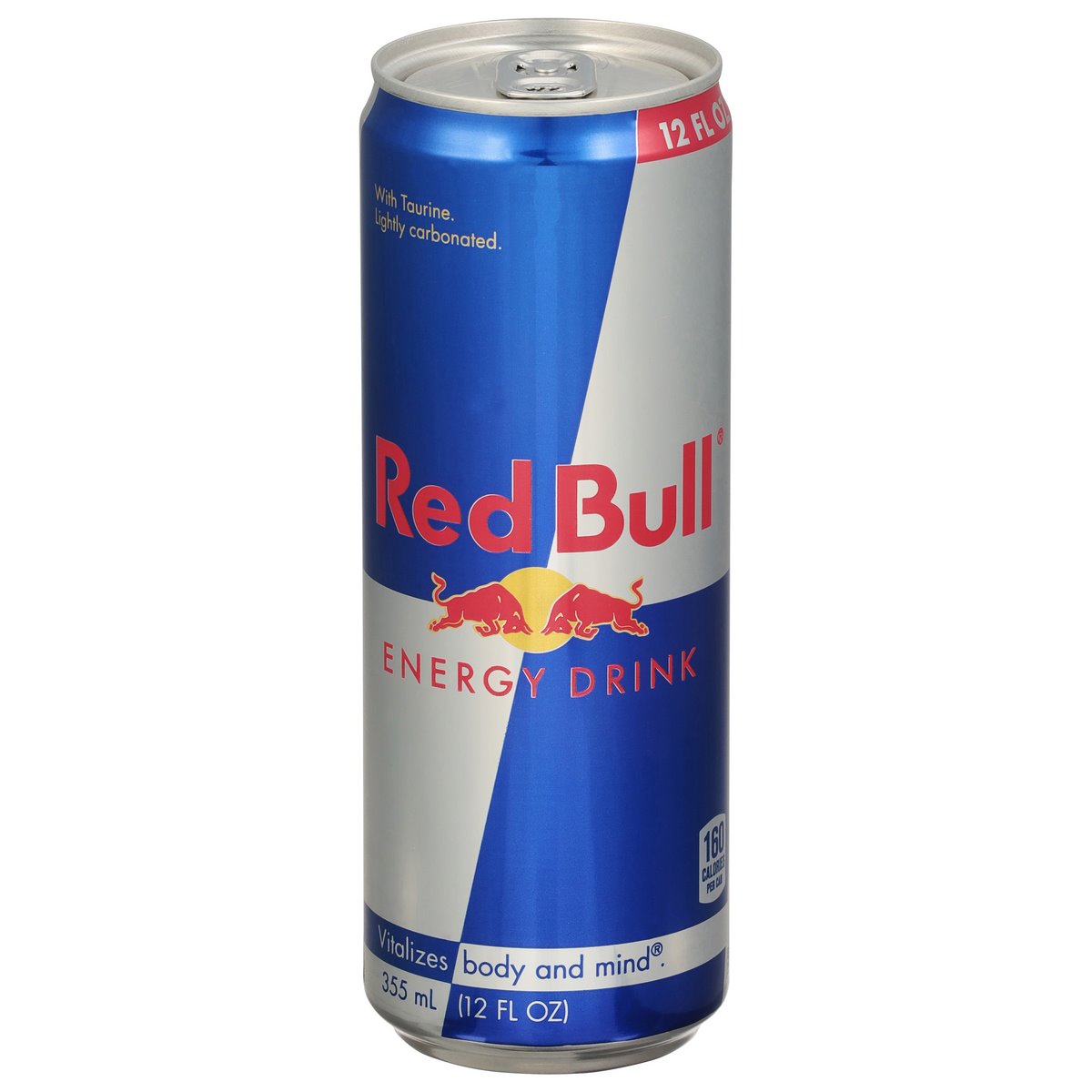
Red Bull
Red Bull Energy Drink 12 Fl Oz Can
Analysis by Aurascan. The app shows the full breakdown and its sources.
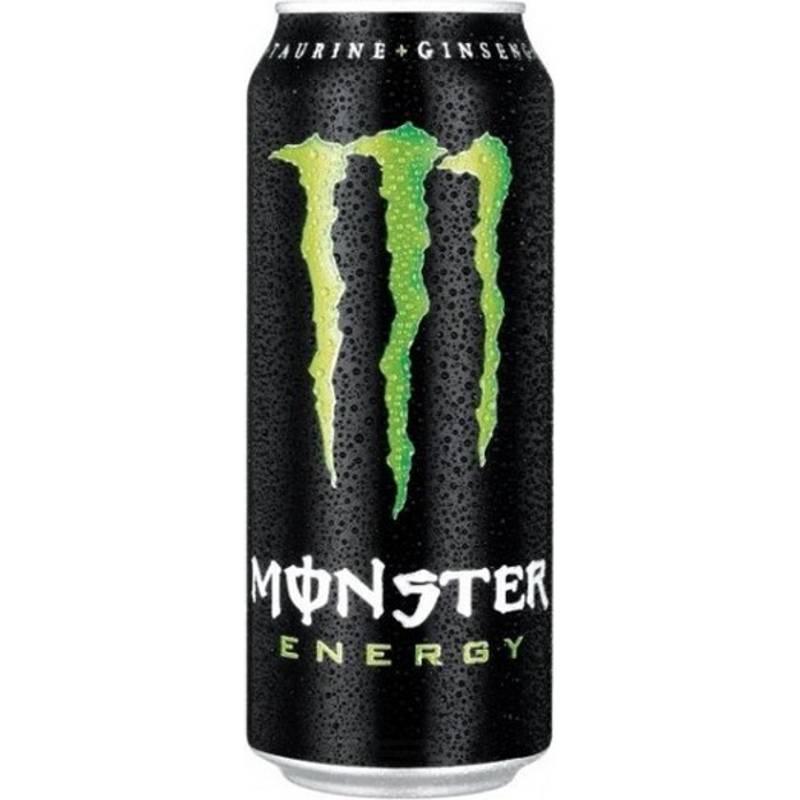
Monster
Monster Energy Drink Green 16 Oz Can
Analysis by Aurascan. The app shows the full breakdown and its sources.
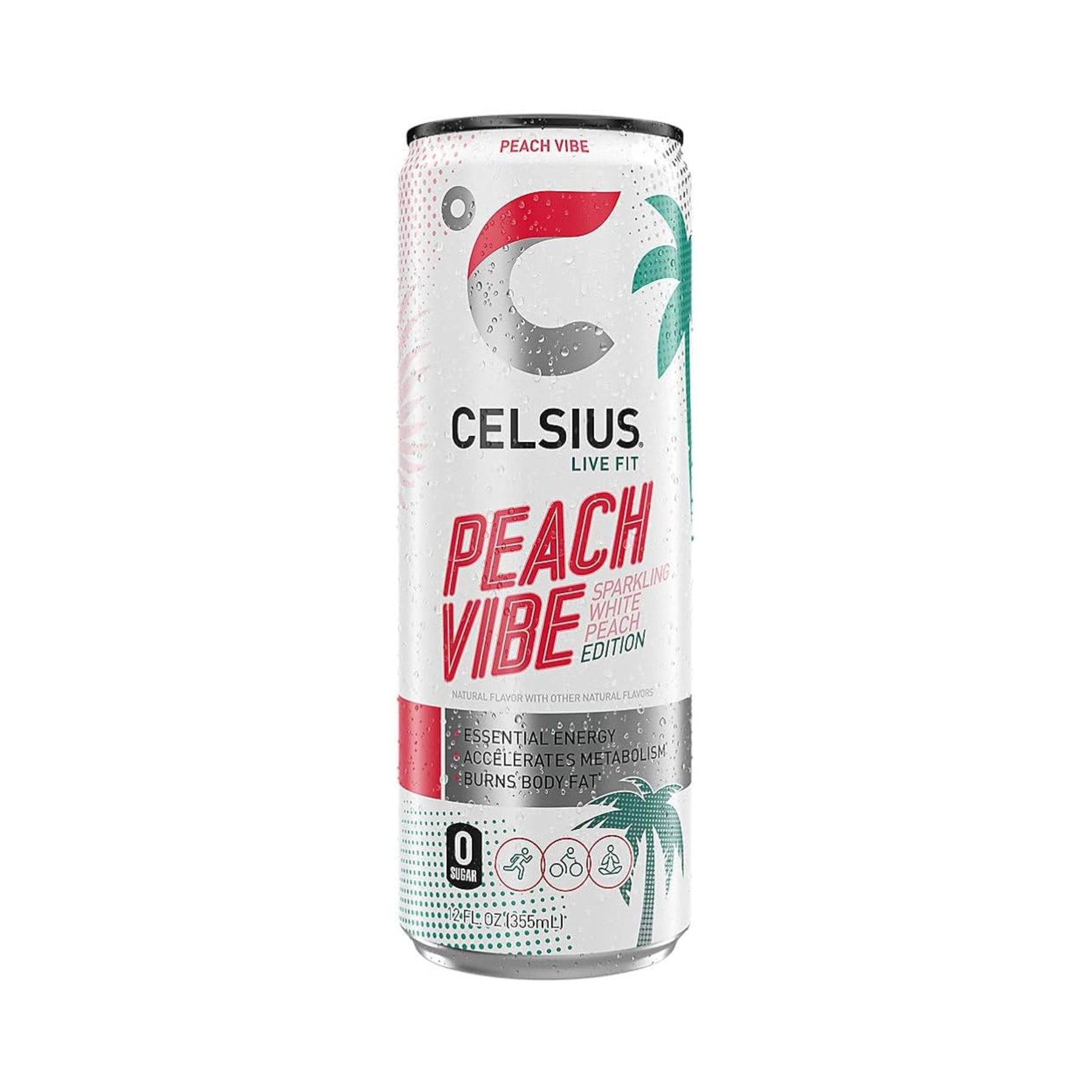
Celsius
Celsius Sparkling Peach Vibe Energy Drink - 12 Fl Oz Can
Analysis by Aurascan. The app shows the full breakdown and its sources.
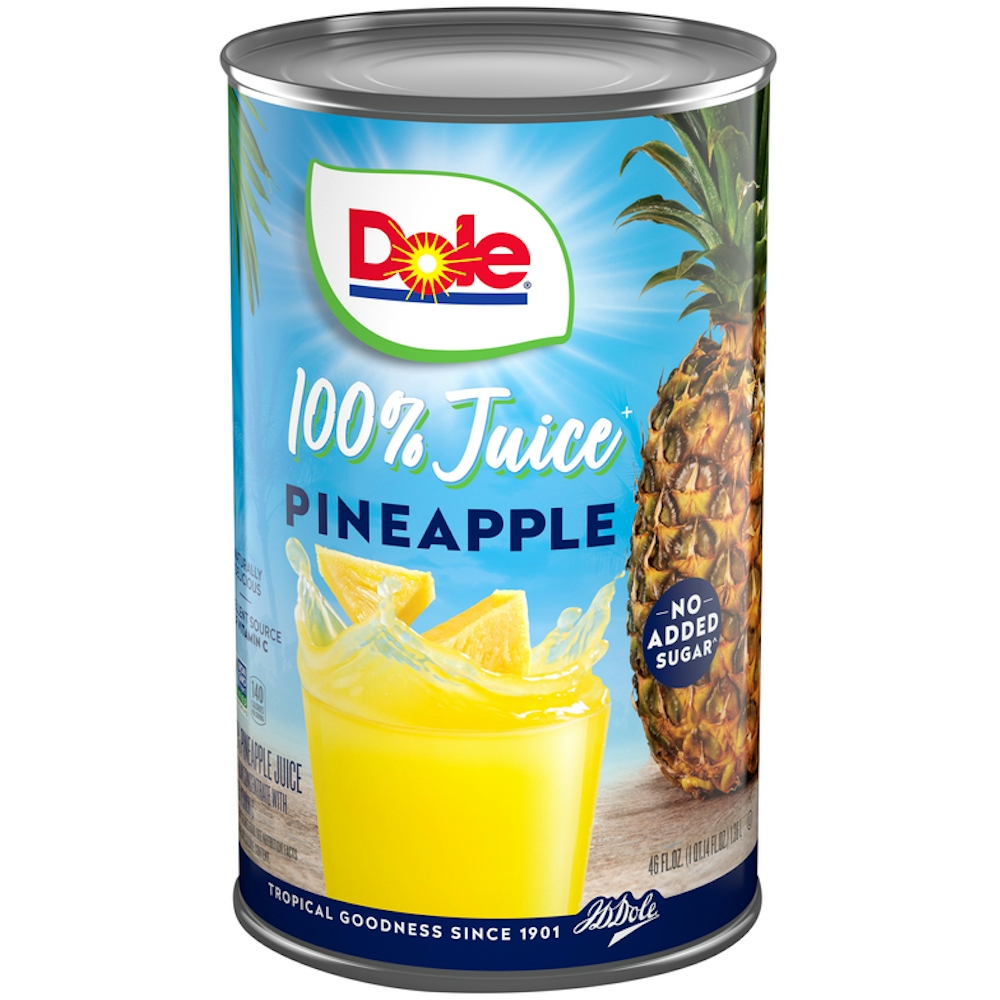
Dole
Dole 100% Pineapple Juice - 46 Fl Oz Can
Analysis by Aurascan. The app shows the full breakdown and its sources.
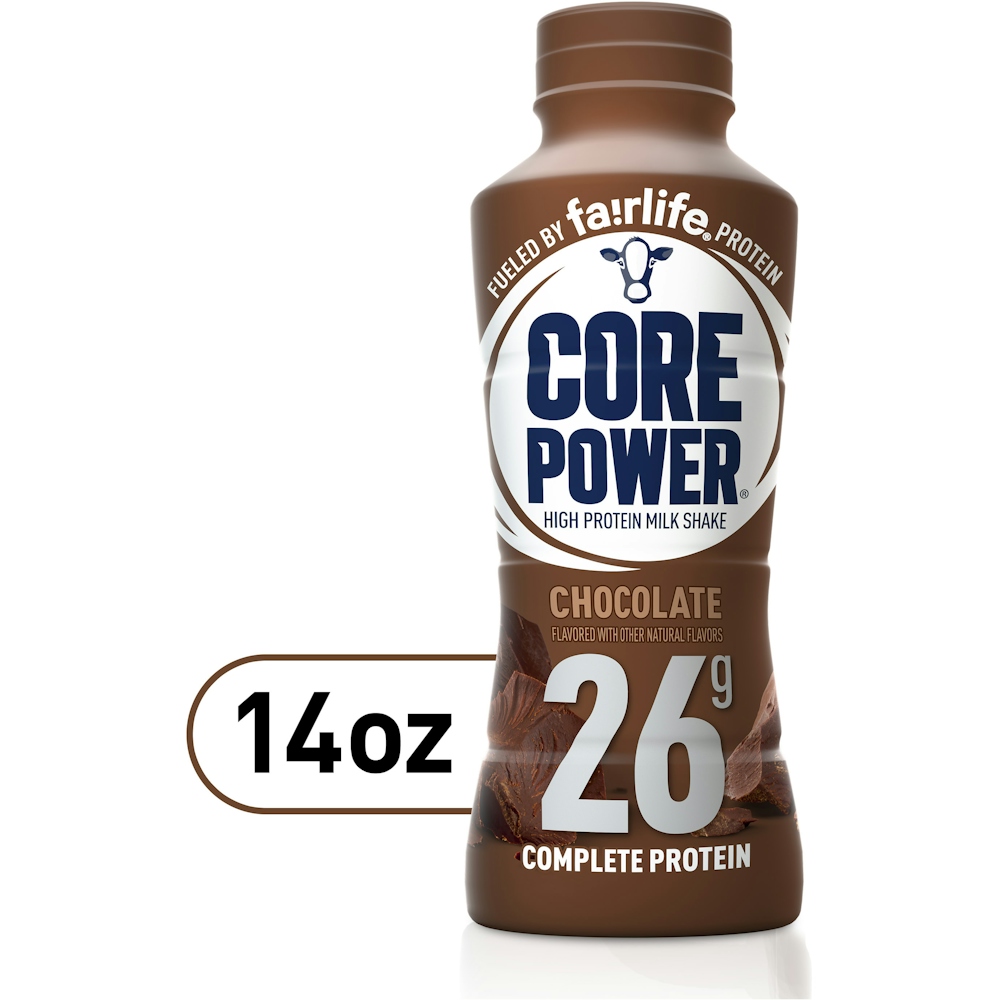
Core Power
Core Power Chocolate High Protein Milk Shake 14 Fl Oz
Analysis by Aurascan. The app shows the full breakdown and its sources.
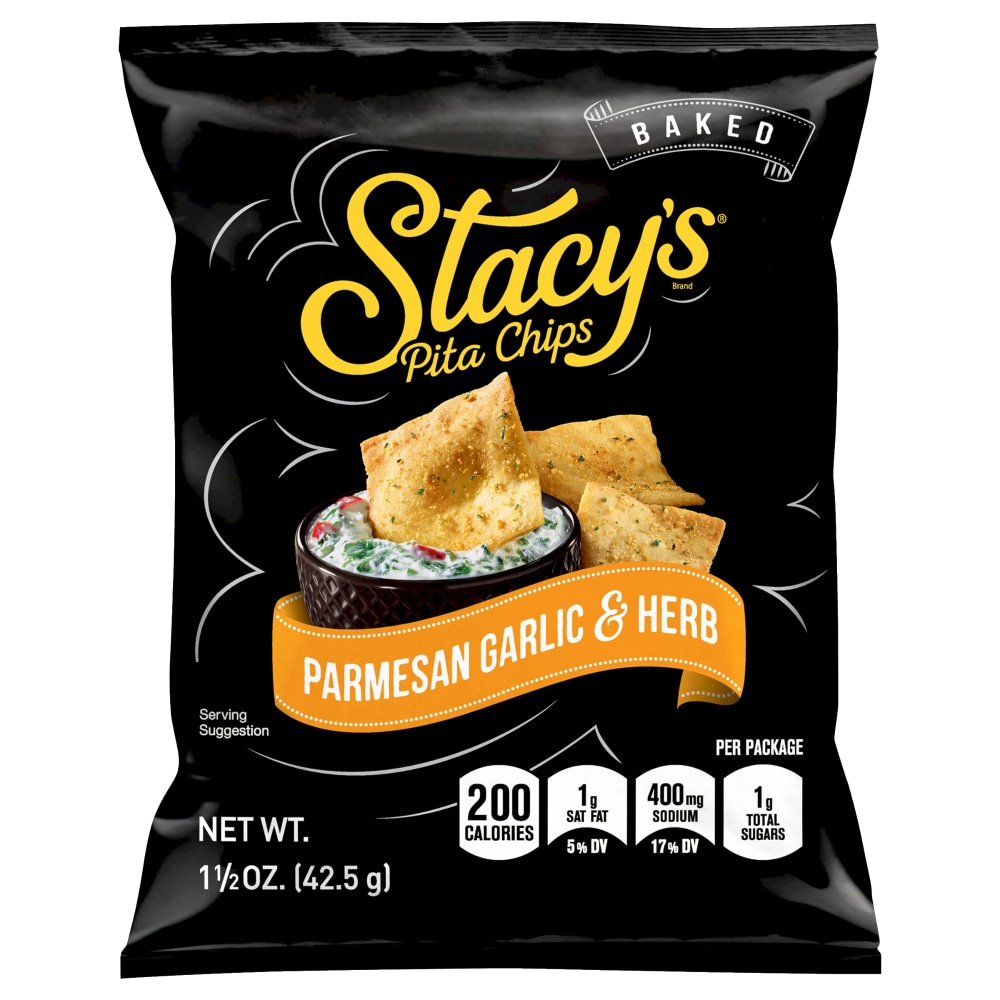
Stacy's
Stacy's Baked, Parmesan Garlic & Herb, Pita Chips
Analysis by Aurascan. The app shows the full breakdown and its sources.
Does the FDA Encourage Fortifying Junk Food?
Seeing long lists of vitamins on energy drinks and processed snacks might lead shoppers to believe that these products are endorsed by public health agencies as wholesome. However, the federal government maintains a clear stance against arbitrary nutrient addition.
Under federal policy statement 21 CFR 104.20(a), the Food and Drug Administration explicitly states that it "does not encourage indiscriminate addition of nutrients to foods, nor does it consider it appropriate to fortify fresh produce; meat, poultry, or fish products; sugars; or snack foods such as candies and carbonated beverages." Furthermore, 21 CFR 104.20(g)(3) establishes that adding nutrients is only appropriate when there is "reasonable assurance that consumption of the food will not result in an excessive intake of the nutrient, considering cumulative amounts from other sources in the diet."
Energy drinks are among the most visible fortified products. Celsius Peach Vibe lists ascorbic acid, calcium pantothenate, pyridoxine hydrochloride, riboflavin, and cyanocobalamin, and Open Food Facts records 2 mg of vitamin B6 per 355 mL serving. Similarly, Monster Energy lists niacinamide, pyridoxine hydrochloride, riboflavin, and cyanocobalamin, while Red Bull contains niacinamide, calcium pantothenate, pyridoxine hydrochloride, and vitamin B12. Adding B vitamins to caffeinated drinks is a formulation choice that FDA fortification policy does not encourage, not evidence that the drink is healthy.
Can Fortified Foods Lead to Excessive Cumulative Vitamin Intake?
Isolated nutrients from several fortified sources can add up. This dietary stacking occurs when an individual consumes fortified breakfast cereal, fortified plant milk, an energy drink, and a daily multivitamin supplement all in one day.
Vitamin B6 shows why stacking matters. Under an extensive safety evaluation by the European Food Safety Authority (EFSA NDA Panel, 2023), regulators concluded that excess vitamin B6 intake has a well-established relationship with the development of peripheral neuropathy, a form of nerve damage. EFSA set a tolerable upper intake level (UL) of 12 mg per day for adults, including pregnant and lactating women, with lower limits of 3.2 to 4.5 mg per day for children aged 1 to 6 years, and 6.1 to 10.7 mg per day for youth aged 7 to 17 years. EFSA concluded that EU populations are unlikely to exceed these ULs, except for regular users of food supplements containing high doses of vitamin B6. One can of Celsius at 2 mg is well under the adult UL; the concern is stacking drinks on top of supplements.
Ingredient lists tell you which forms are added, but they never state the exact milligram quantities. To verify how much of each vitamin you are consuming, you must inspect the Nutrition Facts panel, which lists the daily value percentages and specific weights.
How Should You Compare Fortified Products on the Grocery Shelf?
Navigating fortified foods requires reading both the ingredient list and the Nutrition Facts panel to understand why each compound was included.
- Check for enrichment parentheticals: When you see niacin, reduced iron, thiamin mononitrate, riboflavin, and folic acid inside parentheses after wheat flour, you are looking at the enriched-flour standard of identity (21 CFR 137.165), not a health claim.
- Identify dual-purpose additives: Look closely at ingredients like ascorbic acid. If it appears on Stacy's Pita Chips with the parenthetical note "(antioxidant)", it was added to protect shelf stability, whereas on Dole Pineapple Juice it is labeled as vitamin C (Open Food Facts records 67 mg per 240 mL serving).
- Account for cumulative exposure: If you already take a daily multivitamin, check the vitamin percentages on energy drinks, protein shakes, and functional waters so your combined daily intake stays within reasonable limits. Vitamins, like sugars, can hide in plain sight; see Added Sugar Has Dozens of Label Names: The Ones to Know.
- Distinguish marketing from nutrition: The presence of synthetic vitamins in a sugary carbonated beverage or ultra-processed snack does not transform the underlying product into a health food, as FDA fortification policy makes clear.
It is important to note what available evidence cannot establish. The regulations cited here do not address whether synthetic forms such as cyanocobalamin or folic acid behave differently from the forms found naturally in food for healthy people. Furthermore, standard ingredient lists do not disclose whether manufacturers use the D- or DL- racemic mixtures of compounds like calcium pantothenate. Consumers seeking personalized nutritional advice should consult registered dietitians or healthcare professionals.
Scan preview
Core Power
Core Power Chocolate High Protein Milk Shake 14 Fl Oz
FILTERED LOW FAT GRADE A MILK · NATURAL FLAVORS · CARRAGEENAN
Standout ingredient: VITAMIN D3
Analysis by Aurascan. The app shows the full breakdown and its sources.
Try Aurascan
See what is really in the food you buy.
Common questions
- Why does enriched flour always list the same five vitamins and minerals?
- Under US federal standard 21 CFR 137.165, enriched wheat flour is legally required to contain specific amounts of thiamin, riboflavin, niacin, folic acid, and reduced iron to be sold as enriched flour.
- Is pyridoxine hydrochloride safe to consume in energy drinks?
- Pyridoxine hydrochloride is a synthetic salt of vitamin B6 affirmed as GRAS (generally recognized as safe) as a nutrient supplement under 21 CFR 184.1676. However, consuming multiple fortified drinks alongside supplements can lead to cumulative exposure. The European Food Safety Authority's tolerable upper intake level for adults is 12 mg per day, based on the risk of peripheral neuropathy.
- Does the FDA approve adding vitamins to candy and soda?
- Under 21 CFR 104.20, the FDA explicitly discourages the indiscriminate fortification of snack foods, candies, and carbonated beverages, stating that it does not consider fortifying them appropriate.
- What is the difference between ascorbic acid as a vitamin versus an antioxidant?
- Ascorbic acid is vitamin C, but it can be added for a different job. The label's parenthetical tells you which: Dole 100% Pineapple Juice lists "ascorbic acid (vitamin C)", while Stacy's pita chips list "ascorbic acid (antioxidant)", a preservative role.
- Can I tell how many milligrams of a vitamin are in a food from the ingredient list alone?
- No. US ingredient lists disclose which vitamin compounds are present in order of predominance by weight, but they do not list milligram amounts. You must check the Nutrition Facts panel for specific vitamin quantities and daily value percentages.
Sources
- 21 CFR 137.165 - Enriched flour (law.cornell.edu)
- 21 CFR 104.20 - Fortification policy (law.cornell.edu)
- Scientific opinion on the tolerable upper intake level for vitamin B6 (pmc.ncbi.nlm.nih.gov)
- 21 CFR 184.1535 - Niacinamide (law.cornell.edu)
- 21 CFR 184.1676 - Pyridoxine hydrochloride (law.cornell.edu)
- 21 CFR 184.1945 - Vitamin B12 (law.cornell.edu)
- 21 CFR 184.1878 - Thiamine mononitrate (law.cornell.edu)
- 21 CFR 184.1695 - Riboflavin (law.cornell.edu)
- 21 CFR 184.1212 - Calcium pantothenate (law.cornell.edu)
- 21 CFR 182.3013 - Ascorbic acid (law.cornell.edu)
- 21 CFR 184.1930 - Vitamin A (law.cornell.edu)
- 21 CFR 184.1950 - Vitamin D (law.cornell.edu)
- 21 CFR 172.345 - Folic acid (folacin) (law.cornell.edu)
In this series
Guide
Mono- and Diglycerides: Hidden Trans Fat or Harmless Emulsifier?Guide
Guar Gum: The Seed Fiber Thickening Your FoodGuide
Emulsifiers on Ingredient Lists Explained: Lecithin to Polysorbate 80Guide
Preservatives on Ingredient Lists Explained: Benzoate to BHAGuide
Seed Oils on a Label: What It Tells You, What It Doesn'tGuide
E Numbers Explained: The EU Code for US Additives
Related guides
Guides
Sodium Beyond Salt: 6 Scanned Labels With Sodium AdditivesSprite lists no salt but two sodium compounds. How MSG, baking soda, sodium citrate and sodium benzoate show up on 6 scanned labels, and what FDA says.
Comparisons
Gatorade vs Powerade: Sugar, Sodium and ElectrolytesPer 12 fl oz Powerade lists 240mg sodium and 80mg potassium; Gatorade 160mg and 50mg. Compare sugars, HFCS vs sugar and dextrose, dyes and additives.
Comparisons
Chobani vs Fage Greek Yogurt: Protein, Sugar and CulturesChobani Nonfat Plain vs Fage Total 0% Greek yogurt: protein per 3/4 cup, sugar, sodium, live cultures and the one-line ingredient lists compared.
Try it on your own groceries
Scan your next label with Aurascan
Point the camera at any ingredient list and get the same evidence-graded read you see here.
Open the scannerGet food recall alerts + a weekly digest
An email when a food recall is announced, plus one weekly roundup of label news and new guides.
We email a confirmation link first - nothing is sent until you click it. Unsubscribe anytime. Privacy