
Ingredient Reviews · September 27, 2026 · 8 min read
Mono- and Diglycerides: Hidden Trans Fat or Harmless Emulsifier?
Mono- and diglycerides (E 471) are in bread, peanut butter and chips. What regulators say, the trans-fat myth, and the cohort data.
By Chris Carrillo · Reviewed by Armin Rad, Co-Founder & CTO, Aurascan · September 27, 2026
Every article is checked against primary sources before publication. How we review
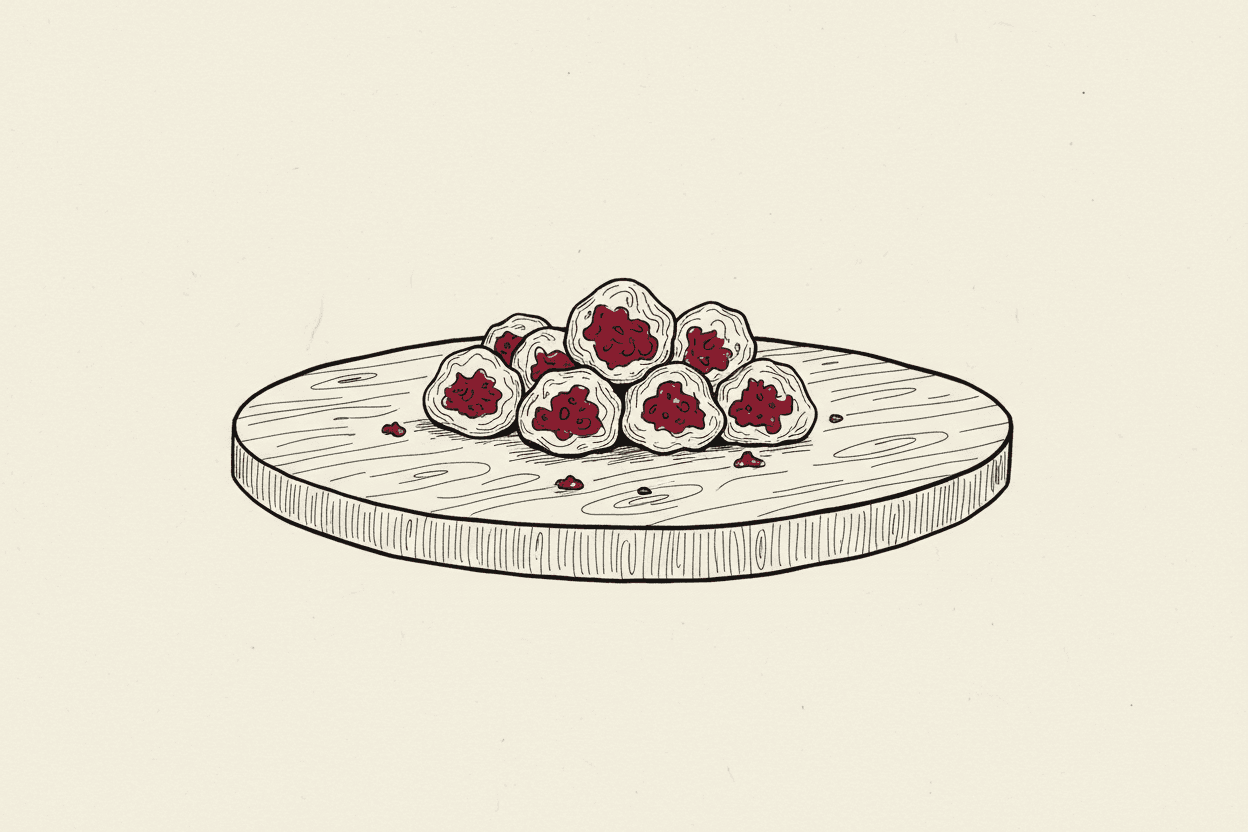
Mono- and diglycerides (E 471) are common fat-derived emulsifiers that prevent oil separation and improve shelf life in packaged foods. The FDA lists them as GRAS and EFSA saw no need for a numerical daily limit. They are digested like normal fats, but observational studies link high intakes to modest cardiovascular and cancer correlations without proving causation.
Key takeaways
- Primary role: Common emulsifiers and dough strengtheners that stabilize texture and prevent oil separation in packaged goods.
- Regulatory verdict: Generally Recognized as Safe (GRAS) in the U.S. under 21 CFR 184.1505 and approved in the EU as E 471 without a numerical daily limit.
- Label reality: They do not bypass trans fat definitions, but foods with less than 0.5 grams per serving can legally round down to 0 grams.
- Source uncertainty: Can be derived from vegetable oils or animal fats, meaning shoppers cannot verify if they are strictly vegan from the label alone.
What are mono- and diglycerides?
Mono- and diglycerides are lipid molecules composed of a glycerol backbone bound to either one (monoglyceride) or two (diglyceride) fatty acid chains. In contrast, standard dietary fats, such as olive oil, butter, or canola oil, consist primarily of triglycerides, which have three fatty acid chains attached to glycerol. Small amounts also occur naturally in fats and oils, and your own body produces them when it digests fat.
In the food supply, mono- and diglycerides are widely utilized as emulsifiers. Because one end of the molecule interacts with water while the fatty acid tails interact with lipids, they can bind oil and water together into stable, smooth textures. Understanding how these substances compare to other texturizers is a common topic in Emulsifiers on Ingredient Lists Explained: Lecithin to Polysorbate 80. In the European Union, the additive is designated under the additive code E 471, as outlined in our overview of E Numbers Explained: The EU Code for US Additives.
What are mono- and diglycerides used for in food?
Food manufacturers rely on mono- and diglycerides to maintain consistent textures, extend shelf stability, and prevent separation over long storage periods. Without an emulsifier, natural oils frequently float to the surface of spreads, while baked goods lose moisture and turn stale quickly.
Common commercial functions include:
- Emulsification: Keeping oils blended into nut butters and sauces so they do not require vigorous stirring before use.
- Dough strengthening: Improving gas retention and bread volume in commercial baking, resulting in a softer crumb.
- Texture softening: Retarding starch retrogradation to keep packaged tortillas, sandwich breads, and buns tender over shelf life.
- Aeration and foam stabilization: Providing smooth structure in whipped toppings, frozen dairy desserts, and processed snack crisps.
Everyday grocery staples frequently contain this ingredient. You will commonly find it on the ingredient panel of items such as Jif Creamy Peanut Butter, Pringles potato crisps (including variations like Hot Honey), shelf-stable flour tortillas, and commercially sliced breads. In spreads, it prevents a pool of oil from gathering at the top of the jar, ensuring a uniform consistency from the first scoop to the bottom.
Scan preview
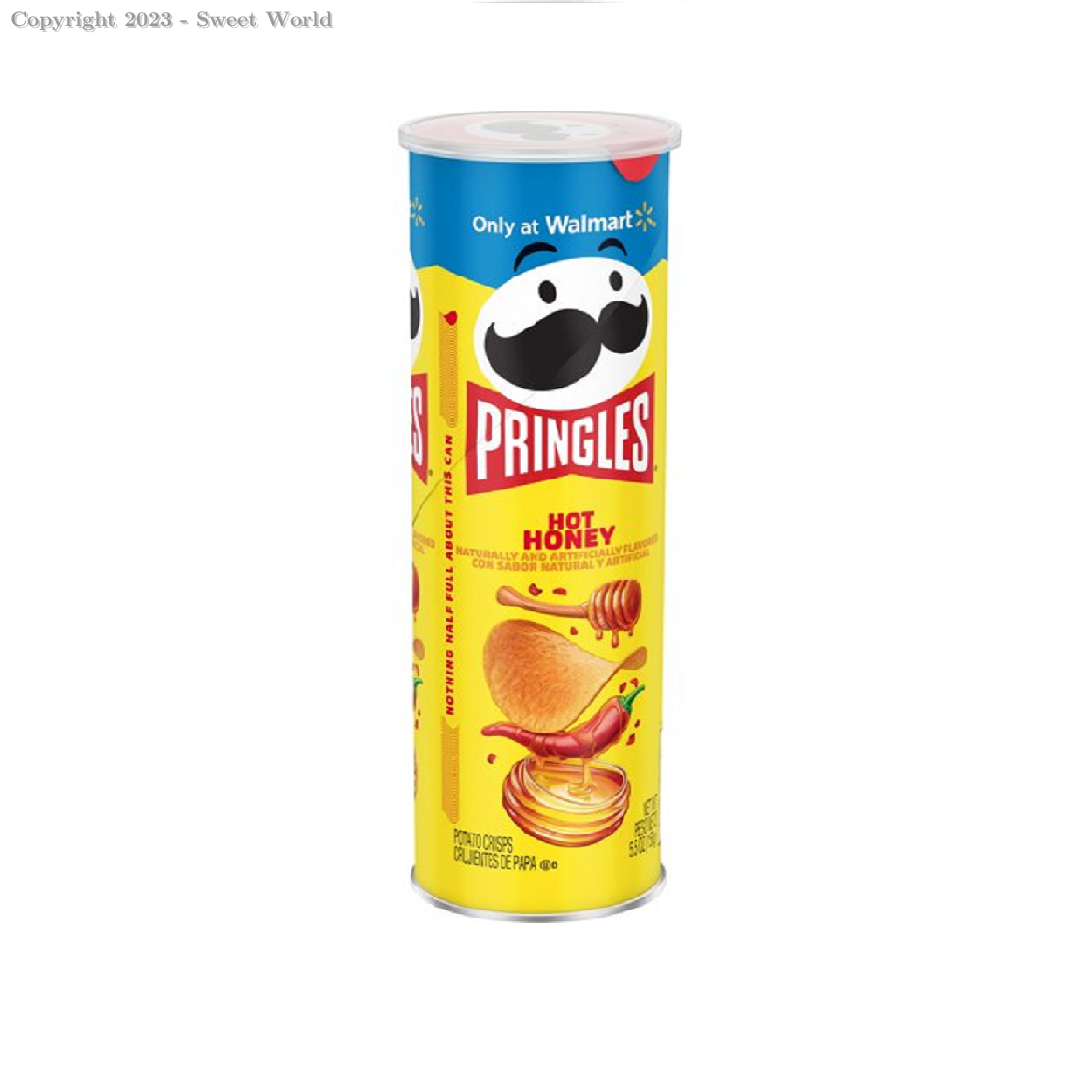
Pringles
Pringles Potato Crisps Chips, Hot Honey 5.5 Oz
Vegetable Oil · Cornstarch · Natural Flavor
Standout ingredient: Sunflower
Analysis by Aurascan. Sources are listed on the product page.
How are mono- and diglycerides made?
Industrial production of mono- and diglycerides is established through chemical synthesis rather than direct extraction from whole foods. Under United States regulation 21 CFR 184.1505, commercial mono- and diglycerides are produced through the glycerolysis of edible fats or oils. This process involves reacting glycerin with fats, oils, or isolated fatty acids, typically with an alkaline catalyst.
The resulting commercial blend must contain at least 90 percent glycerides according to federal standards. The starting fat can be a plant oil or an animal fat, and the ingredient list usually does not say which.
Are mono- and diglycerides safe according to regulators?
Mono- and diglycerides are Generally Recognized as Safe (GRAS) in the United States under 21 CFR 184.1505. The U.S. Food and Drug Administration (FDA) allows their use as emulsifiers and dough strengtheners, among other functions, with no limitation other than current good manufacturing practice (GMP).
In Europe, the European Food Safety Authority (EFSA) completed a thorough re-evaluation of mono- and di-glycerides of fatty acids (E 471) as food additives in 2017. EFSA concluded that there was no need to set a numerical Acceptable Daily Intake (ADI) and found no safety concern at the reported industrial use levels. EFSA also noted that the Joint FAO/WHO Expert Committee on Food Additives (JECFA) had set an ADI of "not limited" in 1973. EFSA reasoned that once consumed, mono- and diglycerides undergo ordinary enzymatic hydrolysis in the gastrointestinal tract, breaking down into free fatty acids and glycerol just like regular dietary triglycerides. EFSA calculated that at mean exposure levels, E 471 accounts for only about 0.8% to 3.5% of an individual's recommended daily total fat intake.
In a follow-up assessment regarding infants below 16 weeks of age published in 2021, EFSA found that E 471 presents no reason for a safety concern in infant formulas. It did recommend lower limits for arsenic, lead, cadmium and mercury impurities, and new limits for process contaminants like glycidyl fatty acid esters, 3-MCPD, and erucic acid.
Do mono- and diglycerides cause side effects or long-term risks?
A widespread internet claim suggests that mono- and diglycerides function as an unregulated loophole that allows food producers to pack high levels of trans fats into foods without declaring them. This claim misinterprets U.S. labeling laws. Under 21 CFR 101.9, the FDA defines total fat as total lipid fatty acids expressed as triglycerides, and defines trans fat as the sum of all unsaturated fatty acids containing one or more isolated non-conjugated double bonds in a trans configuration. The federal regulation does not exempt fatty acids simply because they are bound within a monoglyceride or diglyceride rather than a triglyceride.
The reason a package can list 0 grams of trans fat while containing mono- and diglycerides is the same rounding rule that applies to every food: under 21 CFR 101.9, if a single serving contains less than 0.5 grams of trans fat, the manufacturer is legally allowed to declare the amount as zero. In its 2017 review, EFSA noted that E 471 can be made from hydrogenated fats or oils that contain significant amounts of trans fatty acids, and advised the European Commission to consider trans-fat limits in the E 471 specifications. No US rule requires the label to say which fat was used.
Beyond processing considerations, recent epidemiological research from France has examined potential associations between emulsifier consumption and chronic conditions. In the large observational NutriNet-Sante cohort, which followed roughly 92,000 to 95,000 French adults (predominantly women):
- A 2024 study in PLoS Medicine found that higher intake of E 471 was associated with a higher risk of overall cancer (Hazard Ratio [HR] 1.15, 95% Confidence Interval [CI] 1.04 to 1.27), breast cancer (HR 1.24, 95% CI 1.03 to 1.51), and prostate cancer (HR 1.46, 95% CI 1.09 to 1.97) over a median follow-up of 6.7 years.
- A 2023 study published in The BMJ reported that the combined intake of E 471 and E 472 was associated with a higher risk of cardiovascular disease (HR 1.07 per standard deviation increase, 95% CI 1.04 to 1.11).
- A 2024 publication in The Lancet Diabetes & Endocrinology tracking the same cohort observed that E 471 was not among the dietary emulsifiers associated with an elevated risk of developing type 2 diabetes.
It is vital to understand the limitations of these findings. These conclusions originate from a single observational cohort relying on self-reported dietary records. Observational studies cannot prove cause and effect, as individuals who consume higher levels of processed emulsifiers may also share other lifestyle, dietary, or socioeconomic habits that influence disease risk. The hazard ratios are modest and have not yet been replicated in other cohorts.
Who should be cautious with mono- and diglycerides?
EFSA expects mono- and diglycerides to be digested like ordinary dietary fat. However, specific dietary groups face distinct challenges when encountering this additive on a package:
- Vegans and strict vegetarians: Because 21 CFR 184.1505 permits manufacturing from both plant and animal lipids, mono- and diglycerides can be sourced from rendered animal tallow or plant-based oils. Unless a package explicitly carries a third-party vegan certification, the ingredient list alone does not disclose whether animal products were utilized.
- Consumers keeping religious dietary standards: Individuals adhering to Kosher or Halal rules generally require verified certification logos on the packaging, as uncertified mono- and diglycerides could potentially stem from non-compliant animal fats.
- Individuals minimizing ultra-processed foods: While the additive itself has not been demonstrated to cause direct toxicity, it is common in packaged baked goods, snack chips and breads. Those attempting to reduce ultra-processed food intake often use its presence as a marker to select simpler alternatives.
How to spot mono- and diglycerides on a food label
Finding these additives requires checking the ingredient statement rather than the Nutrition Facts table. For broader tips on breaking down product panels, explore How to Read a Food Label: The Ingredient List, Line by Line.
Manufacturers list this additive under a few predictable names:
- "Mono- and diglycerides"
- "Monoglycerides and diglycerides"
- "Distilled monoglycerides"
- "Mono- and diglycerides of fatty acids"
- "E 471" (common on European and international packaging)
Do not expect to see mono- and diglycerides separated in the Nutrition Facts box. Their contribution will simply fold into the total fat and calorie calculations based on the standard lipid content of the serving.
What are common alternatives to mono- and diglycerides?
If you prefer packaged foods made without synthetic glyceride blends, food brands use several alternative stabilizers, gums, and natural lipids to achieve comparable textures:
- Sunflower or soy lecithin: Naturally extracted phospholipid mixtures obtained from seeds that bind water and fat effectively.
- Plant seed gums: Natural soluble fibers such as Guar Gum: The Seed Fiber Thickening Your Food, locust bean gum, or acacia gum that thicken liquids and suspend oils.
- Egg yolks: A traditional whole-food emulsifier rich in natural lecithin, commonly used in fresh dressings, premium mayonnaise, and artisanal ice cream.
- No emulsifier at all: Natural peanut butters made solely with roasted peanuts and salt omit emulsifiers entirely, requiring consumers to stir the separated oil layer manually.
Scan your next grocery purchase with the Aurascan app to see whether it contains mono- and diglycerides, and what the evidence says about each ingredient on the list.
Try Aurascan
See what is really in the food you buy.
Common questions
- Are mono- and diglycerides considered trans fats?
- No, mono- and diglycerides are not classified as trans fats by definition, although they can contain trans fatty acids if made from hydrogenated fats or oils. Under U.S. FDA regulations (21 CFR 101.9), their fatty acids are counted toward lipid disclosures, but products containing less than 0.5 grams of trans fat per serving are legally permitted to round down to 0 grams on the Nutrition Facts label.
- Are mono- and diglycerides vegan?
- Mono- and diglycerides can be either vegan or animal-derived. They are produced through the glycerolysis of fats, which can come from plant oils like soy and palm or animal fats like beef tallow. Because ingredient lists rarely state the biological source, shoppers looking for strictly plant-based products should search for a certified vegan label.
- Why are mono- and diglycerides added to peanut butter?
- In processed commercial peanut butters, mono- and diglycerides act as emulsifiers and stabilizers. They prevent the natural peanut oil from separating and floating to the top of the jar, maintaining a consistent, spreadable texture without the need for manual stirring.
- What is the European code for mono- and diglycerides?
- In the European Union and international food labeling systems, mono- and diglycerides of fatty acids are designated by the additive code E 471.
- Has EFSA established an acceptable daily intake (ADI) for E 471?
- No. In its 2017 re-evaluation and 2021 follow-up, the European Food Safety Authority (EFSA) concluded that an explicit numerical ADI was not necessary. EFSA noted that dietary mono- and diglycerides break down during normal digestion into glycerol and free fatty acids, just like conventional dietary fats.
- Did recent studies link mono- and diglycerides to cancer or heart disease?
- Large observational studies from the French NutriNet-Sante cohort reported modest statistical correlations between higher E 471 consumption and increased rates of overall, breast, and prostate cancers, as well as cardiovascular outcomes. However, observational research cannot establish direct cause and effect, and these findings have not been replicated in controlled human trials.
Sources
- 21 CFR 184.1505 -- Mono- and diglycerides (law.cornell.edu)
- 21 CFR 101.9 -- Food labeling: nutrition labeling of food (law.cornell.edu)
- Re-evaluation of mono- and di-glycerides of fatty acids (E 471) as food additives (pmc.ncbi.nlm.nih.gov)
- Opinion on the re-evaluation of mono- and diglycerides of fatty acids (E 471) as food additive in foods for infants below 16 weeks of age (pmc.ncbi.nlm.nih.gov)
- Food additive emulsifiers and cancer risk: Results from the French prospective NutriNet-Sante cohort (pmc.ncbi.nlm.nih.gov)
- Food additive emulsifiers and risk of cardiovascular disease in the NutriNet-Sante cohort (pmc.ncbi.nlm.nih.gov)
- Food additive emulsifiers and risk of type 2 diabetes: results from the prospective NutriNet-Sante cohort (pubmed.ncbi.nlm.nih.gov)
In this series
Guide
Guar Gum: The Seed Fiber Thickening Your FoodGuide
Emulsifiers on Ingredient Lists Explained: Lecithin to Polysorbate 80Guide
Preservatives on Ingredient Lists Explained: Benzoate to BHAGuide
Seed Oils on a Label: What It Tells You, What It Doesn'tGuide
E Numbers Explained: The EU Code for US AdditivesGuide
How to Read a Food Label: The Ingredient List, Line by Line
Related guides
Ingredient Reviews
Guar Gum: The Seed Fiber Thickening Your FoodGuar gum (E 412) is a seed-derived fiber that thickens ice cream, sauces and gluten-free bakes. What FDA and EFSA say, plus the diet-pill history.
Guides
Emulsifiers on Ingredient Lists Explained: Lecithin to Polysorbate 80What emulsifiers and stabilisers do, which names to look for on a label, and what the first human trial of five emulsifiers actually found about gut health.
Guides
Preservatives on Ingredient Lists Explained: Benzoate to BHASodium benzoate, potassium sorbate, sulfites, nitrite, BHA, BHT, TBHQ, EDTA and the antioxidants: what each does, how US rules treat it, and how to spot it on a label.
Try it on your own groceries
Scan your next label with Aurascan
Point the camera at any ingredient list and get the same evidence-graded read you see here.
Open the scannerLabel-reading intel, weekly.
What changed on food labels this week — bans, recalls, and new guides.