
Ingredient Reviews · October 1, 2026 · 8 min read
Whey on Food Labels: What It Is and Who Should Watch It
Whey shows up in chips, ice cream bars and protein powders. What the FDA says it is, why it signals milk and lactose, and which scanned labels list it.
By Chris Carrillo · Reviewed by Armin Rad, Co-Founder & CTO, Aurascan · October 1, 2026
Every article is checked against primary sources before publication. How we review
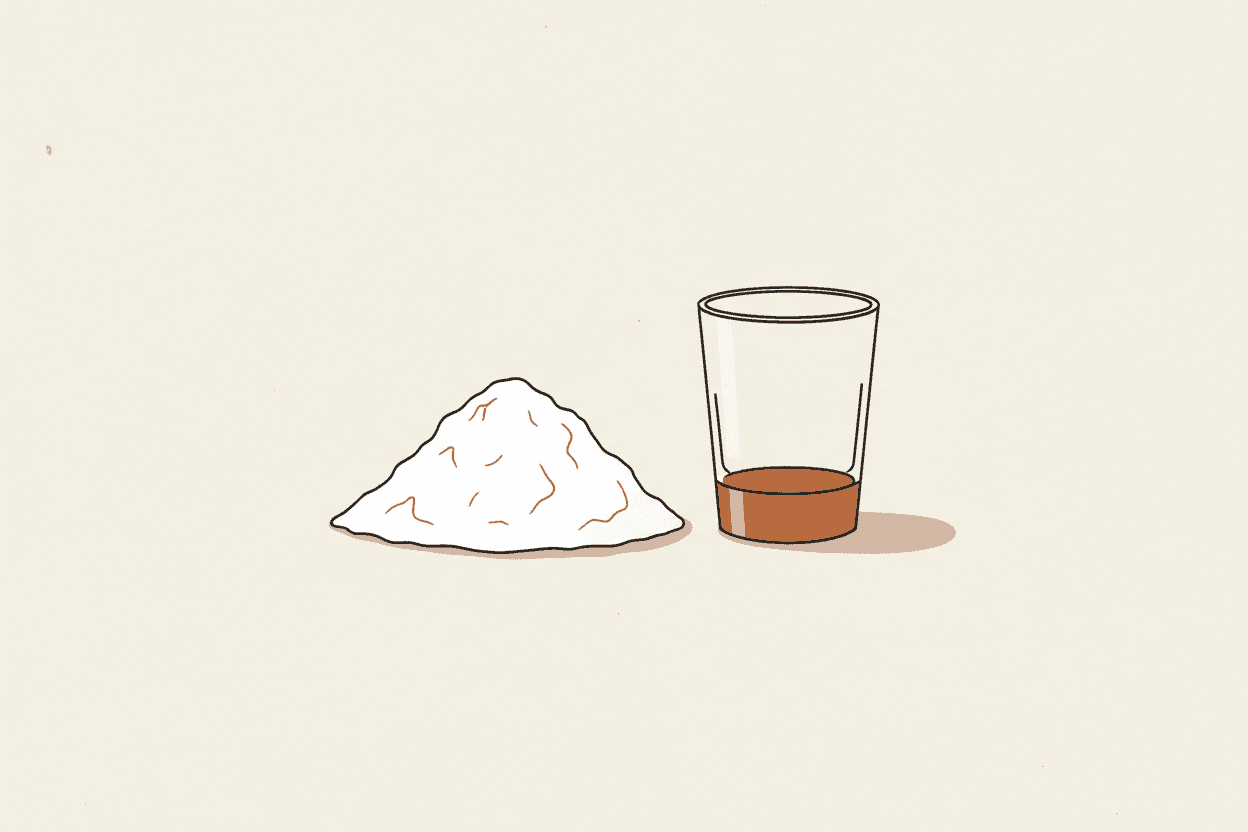
Whey is the dairy liquid obtained by separating the coagulum from milk during cheesemaking that food manufacturers process into dry powders, concentrates, and isolates. It appears across grocery store shelves in everything from high-protein fitness shakes to savory snack chips and frozen desserts. Because it is derived directly from cow's milk, it is a critical ingredient to identify for anyone managing dairy allergies or lactose intolerance.
Key takeaways:
- Whey is defined by federal standards as the liquid obtained by separating the coagulum from milk during cheesemaking, affirmed as Generally Recognized as Safe (GRAS).
- Whey protein concentrate (WPC) must contain not less than 25 percent protein by dry weight, whereas whey protein isolate (WPI) undergoes further non-protein constituent removal.
- Because it originates from cow's milk, whey is subject to mandatory major food allergen labeling in the United States.
- Standard whey and whey protein concentrate naturally retain milk components, meaning they can cause digestive upset for individuals with lactose intolerance.
- Packaged foods often list whey alongside dairy ingredients or seasoning blends, though manufacturers do not disclose their proprietary functional formulations.
What Is Whey and Where Does It Come From?
When milk is curdled during the commercial production of cheese, it separates into two distinct parts: solid curds and a residual liquid. The solid curd becomes cheese, while the remaining liquid is whey. Under federal standards codified in 21 CFR 184.1979, the United States Food and Drug Administration (FDA) defines whey as the liquid substance obtained by separating the coagulum from milk, cream, or skim milk in cheesemaking.
Regulators divide raw whey into two basic forms depending on the acidity of the process. Sweet whey comes from cheesemaking procedures where an insignificant amount of lactose is converted to lactic acid. Acid whey comes from procedures where a significant amount of lactose is converted to lactic acid, or through direct acidification.
Federal standards require that all whey used in commercial food products must originate from pasteurized milk or undergo pasteurization before use. When this liquid is partially stripped of water, it is classified as concentrated whey. When water is removed, leaving all other constituents in the same relative proportions as the original liquid, it is dried whey. In finished food ingredient statements, the regulations specify that whey, concentrated whey, or dried whey must simply be listed as "whey."
Scan preview
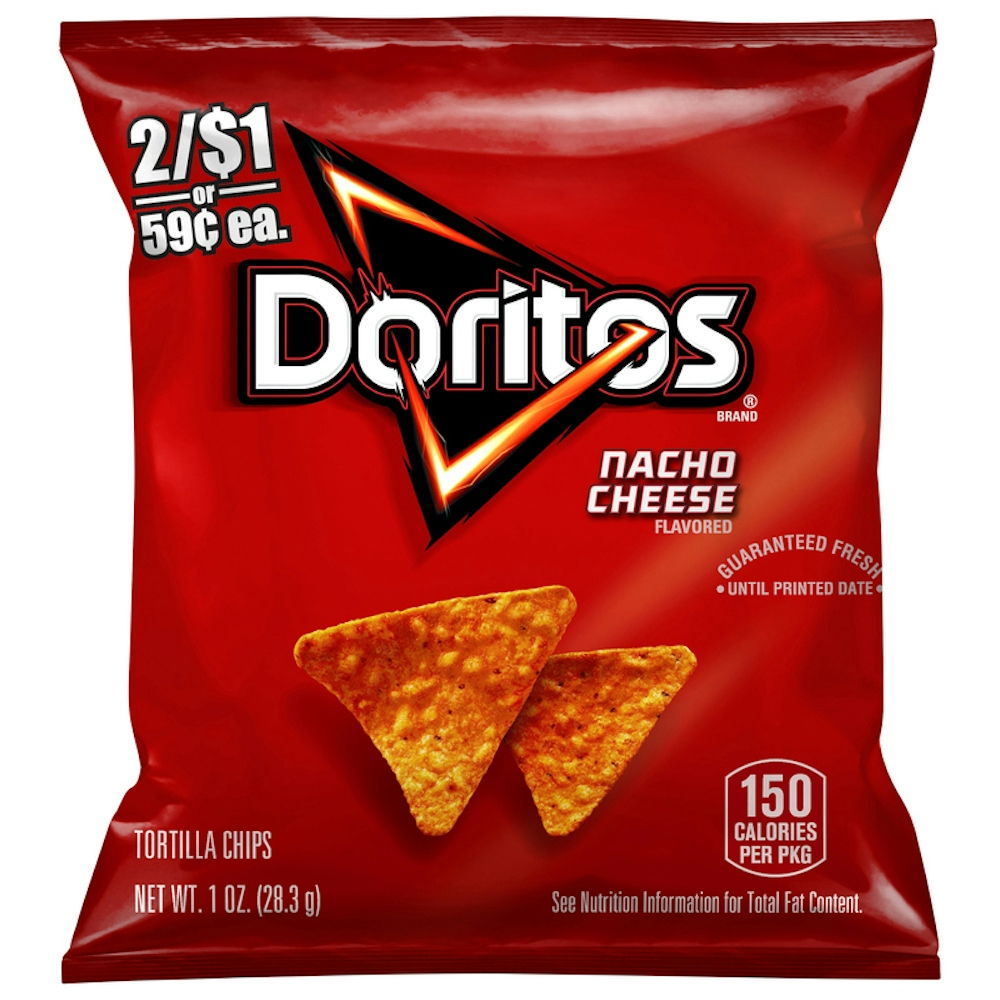
Doritos
Doritos Tortilla Chips Nacho Cheese Flavored - 1 Ounce
SOYBEAN · SUNFLOWER OIL · MILK
Standout ingredient: GARLIC POWDER
Analysis by Aurascan. The app shows the full breakdown and its sources.
How Are Whey, Whey Protein Concentrate, and Isolate Made?
To turn this liquid into functional ingredients, processors use industrial physical separation technologies.
Under 21 CFR 184.1979c, whey protein concentrate is legally defined as the substance obtained by the removal of sufficient nonprotein constituents from whey so that the finished dry product contains not less than 25 percent protein. Manufacturers produce whey protein concentrate using physical separation techniques such as precipitation, filtration, or dialysis. Federal rules dictate that this ingredient must be listed on a finished package specifically as "whey protein concentrate."
Whey protein isolate represents a further processed form of dairy filtration. To make an isolate, manufacturers apply additional physical separation techniques to remove additional non-protein constituents, including fats and milk sugars. Unlike basic whey and whey protein concentrate, there is no separate identity section in 21 CFR establishing an individual standard of identity for whey protein isolate. Both forms, however, provide concentrated protein fractions derived from the same initial dairy stream.
Why Is Whey Used in Packaged Foods and Shakes?
Shoppers often expect to find whey exclusively in bodybuilding supplements and workout tubs, but it frequently appears in everyday grocery items. Its presence across diverse categories reflects both its nutritional density in fitness products and its broad inclusion across processed consumer packaged goods.
In sports nutrition, whey is sold as a protein supplement, and it has been studied that way. A clinical study by Tang et al. (2009, PMID 19589961) evaluated healthy young men performing unilateral leg resistance exercise followed by the ingestion of drinks containing 10 grams of essential amino acids as whey hydrolysate, micellar casein, or soy protein isolate. The researchers found that mixed muscle protein synthesis after whey hydrolysate was approximately 93 percent greater than casein at rest and approximately 122 percent greater than casein after exercise, as well as approximately 31 percent greater than soy after exercise. It is critical to note that this was an acute, small study of six participants per group looking specifically at whey hydrolysate rather than the standard whey powders used in commercial snack foods.
On a broader scale, a systematic review and meta-analysis of randomized controlled trials by Morton et al. (2018, PMID 28698222) evaluated 49 studies with 1,863 participants engaging in resistance training for at least six weeks alongside protein supplementation. The analysis revealed that protein supplementation increased one-repetition maximum (1-RM) strength by an average of 2.49 kg (95% CI 0.64 to 4.33) and fat-free mass by 0.30 kg (95% CI 0.09 to 0.52). However, the study noted that fat-free mass gains plateaued beyond total dietary protein intakes of roughly 1.62 g/kg/day, and the efficacy of supplementation diminished with increasing participant age. The Morton review evaluated protein supplements in general rather than isolating whey alone.
Outside sports nutrition, whey appears in everyday packaged foods, including the chips and ice cream bars below. Specific commercial brand reasons for choosing whey over other dairy ingredients or thickeners are proprietary and not disclosed on product packaging. For broader context on understanding label panels and additive declarations, see How to Read a Food Label: The Ingredient List, Line by Line.
Roundup
4 scanned labels that list whey
Doritos
Doritos Tortilla Chips Nacho Cheese Flavored - 1 Ounce
Analysis by Aurascan. The app shows the full breakdown and its sources.
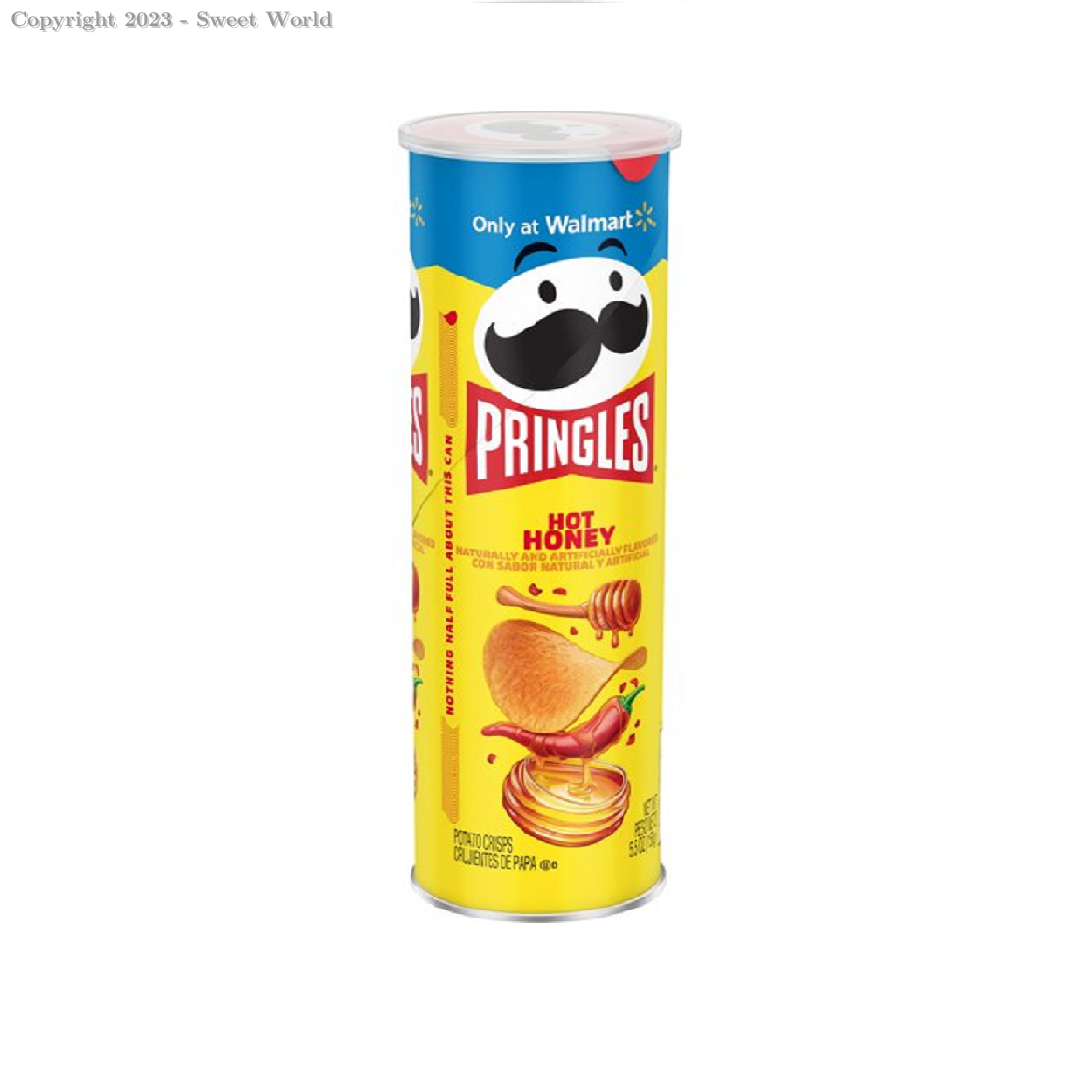
Pringles
Pringles Potato Crisps Chips, Hot Honey 5.5 Oz
Analysis by Aurascan. The app shows the full breakdown and its sources.
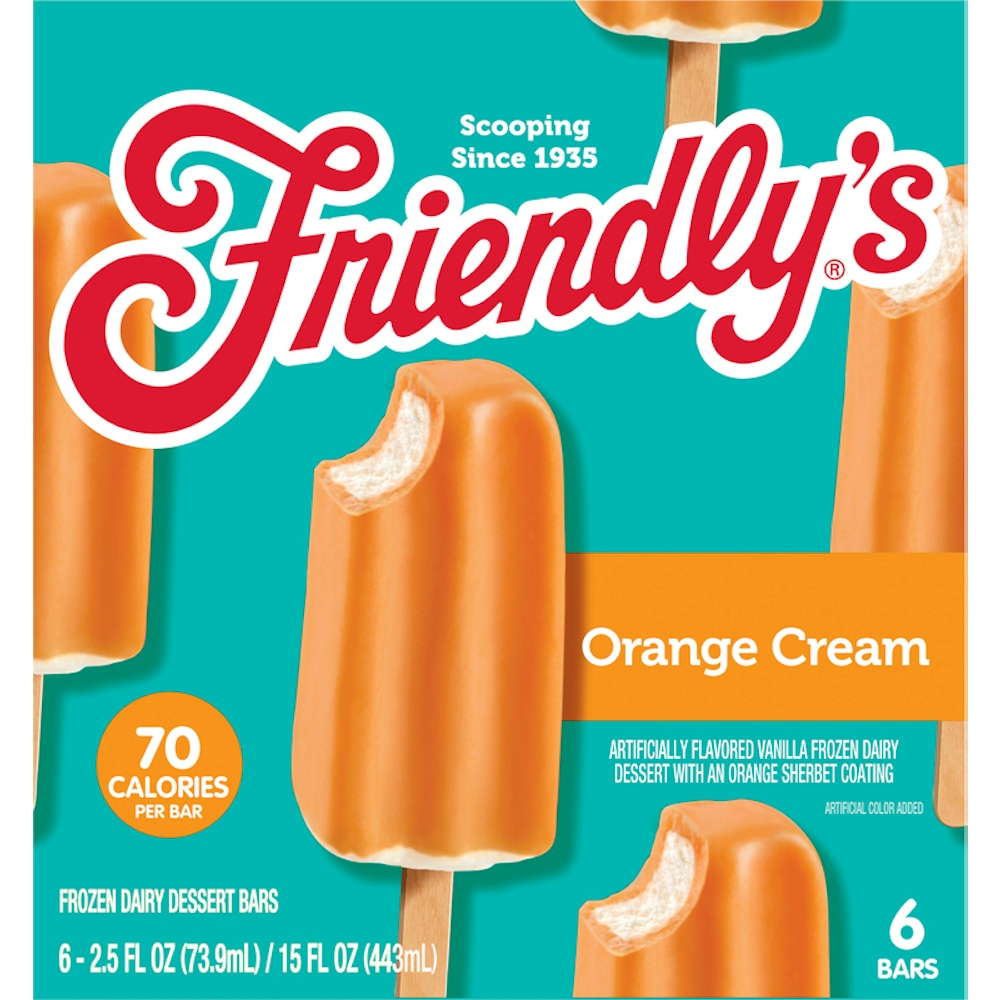
Friendly's
Friendly's Ice Cream Bars, Orange Creme
Analysis by Aurascan. The app shows the full breakdown and its sources.
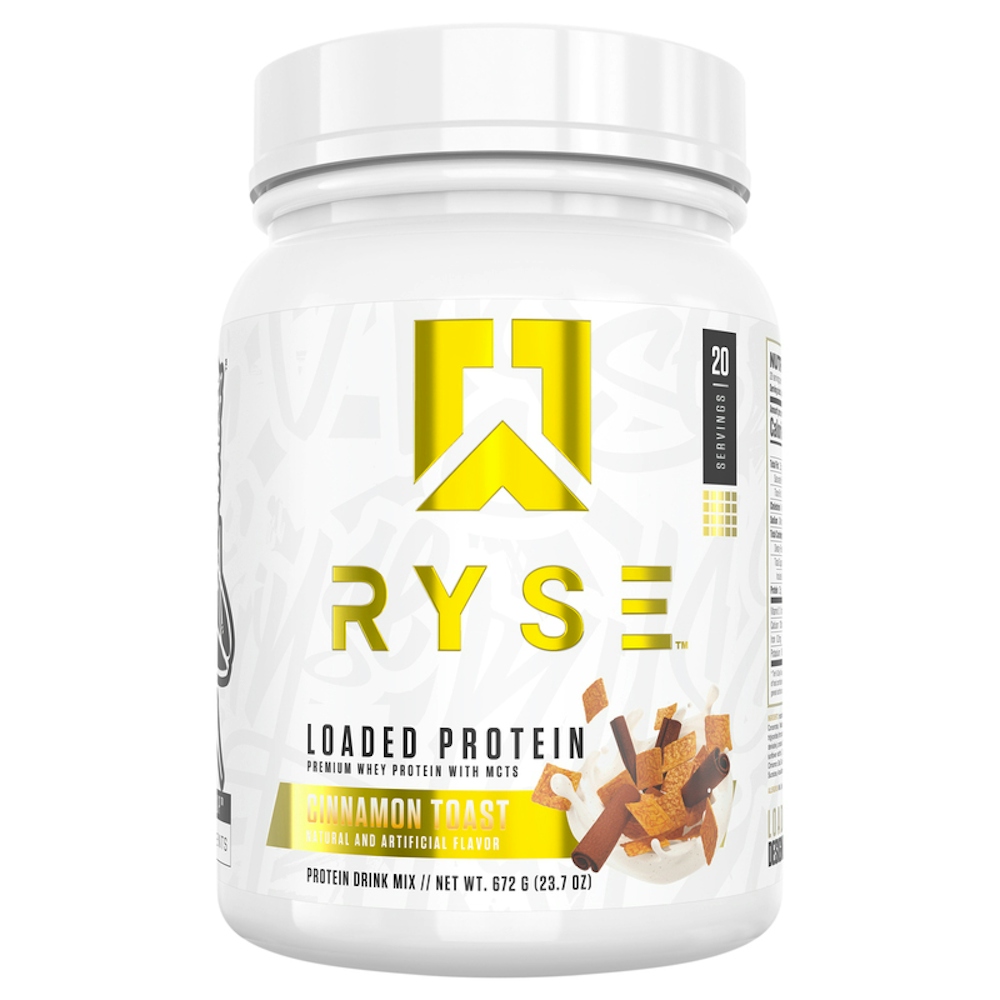
Ryse
Ryse Protein Drink Mix, Cinnamon Toast, Loaded Protein, 23.7 Ounce
Analysis by Aurascan. The app shows the full breakdown and its sources.
Is Whey Safe and How Is It Regulated?
In the United States, whey (21 CFR 184.1979) and whey protein concentrate (21 CFR 184.1979c) are affirmed as Generally Recognized as Safe (GRAS) substances under Part 184 of Title 21. Regulators permit their addition to foods in accordance with current good manufacturing practice (GMP), provided the ingredients meet established compositional and pasteurization requirements.
Who Should Avoid Whey? Allergies and Lactose Intolerance
Although whey is safe for the broader public, two distinct medical conditions require strict caution: cow's milk protein allergy and lactose intolerance.
According to the FDA food allergies guidance, milk is one of the nine major food allergens recognized by federal law. Because whey is derived directly from milk, any product containing whey, concentrated whey, whey protein concentrate, or whey protein isolate poses a serious hazard to individuals with a true milk allergy. Exposure can trigger severe allergic reactions, including hives, swelling, gastrointestinal distress, and life-threatening anaphylaxis. Individuals with diagnosed dairy allergies must avoid all forms of whey entirely, regardless of how heavily filtered or processed the powder claims to be.
Lactose intolerance involves a different bodily mechanism. It is a non-allergic digestive limitation caused by a deficiency of lactase, the enzyme required to digest the milk sugar lactose. The NIH/NIDDK lactose intolerance nutrition guidance lists whey, curds, milk, and milk by-products as specific ingredient-list terms that indicate a product contains lactose. NIH also lists protein powders and bars among foods that may contain lactose.
The presence of lactose varies across whey ingredients due to the degree of processing applied:
- Whey / Dried Whey: Retains the natural lactose present in the original cheese liquid stream.
- Whey Protein Concentrate (WPC): Retains residual lactose alongside protein, fat, and minerals in amounts that depend on manufacturing separation steps.
- Whey Protein Isolate (WPI): Undergoes additional non-protein constituent removal compared to standard concentrates, though residual dairy sugars may still be present.
Because manufacturers do not disclose exact lactose percentages on standard food labels and individual sensitivity thresholds vary, consumers cannot determine precise digestive outcomes without direct guidance from a clinician.
How to Spot Whey on an Ingredient Label
Because whey serves distinct purposes across different categories, spotting it requires checking both the ingredient list and the allergen warning statement. Understanding these disclosures is similar to tracking other common food components; for broader context, see Emulsifiers on Ingredient Lists Explained: Lecithin to Polysorbate 80.
On snack foods, whey is often listed as a secondary ingredient or placed in the seasoning blend. For example, the ingredient statement for Doritos Nacho Cheese (Open Food Facts barcode 028400090896) lists "WHEY" and, separately, "WHEY PROTEIN CONCENTRATE" alongside buttermilk, cheddar cheese, romano cheese, lactose, and skim milk, concluding with the mandatory declaration: "CONTAINS MILK INGREDIENTS." Conversely, Pringles Hot Honey (barcode 038000276453) lists "WHEY" down in its "contains 2% or less" section, supported by the statement "CONTAINS MILK AND WHEAT INGREDIENTS."
In frozen dairy cases, Friendly's Orange Cream Ice Cream Bars (barcode 029839100170) include "whey" in an ingredient deck containing milk, sugar, water, cream, corn syrup, skim milk solids, high fructose corn syrup, and orange pulp. In contrast, in dedicated fitness products like Ryse Loaded Protein Cinnamon Toast (barcode 850041914503), "Whey Protein Isolate" appears as the very first ingredient, followed immediately by "Whey Protein Concentrate."
When reading labels, do not assume every dairy-sounding phrase indicates isolated whey. For instance, Barebells Chocolate Dough lists "milk proteins," and Core Power Chocolate lists "FILTERED LOW FAT GRADE A MILK." While these contain dairy fractions, neither lists "whey" by name, and shoppers should not assume they are identical to separated whey ingredients. Furthermore, packaged labels rarely disclose the exact gram amount or percentage of whey present, nor do they specify whether the component is sweet whey or acid whey unless stated by the brand.
Limits of the evidence
Scientific evidence cannot establish how any single individual will tolerate specific whey fractions, nor can it predict symptom thresholds for varying degrees of lactose intolerance. The muscle studies above looked at protein supplements in young men and training adults rather than the general population consuming snack foods containing whey. In addition, exact commercial formulation rationales for incorporating whey are proprietary. Check the Nutrition Facts panel and ingredient statements on your purchases to verify allergen declarations and nutritional values, and consult a qualified healthcare professional regarding personal dietary requirements. To see where whey sits on a label in your own pantry, scan it with the Aurascan app.
Try Aurascan
See what is really in the food you buy.
Quiz
Ryse Loaded Protein lists whey protein isolate first. Would you keep it in your pantry?
Guess before you scroll.
Reveal Aurascan's verdict
Aurascan says: Flagged
The main flag is INSTANTIZED WHEY PROTEIN ISOLATE.
Common questions
- What is whey on an ingredient list?
- Whey on an ingredient list refers to the dairy substance obtained by separating liquid from curds during cheesemaking. Under FDA regulations (21 CFR 184.1979), dried whey or concentrated whey must be identified simply as 'whey' on packaged food labels.
- What is the difference between whey protein concentrate and whey protein isolate?
- Under 21 CFR 184.1979c, whey protein concentrate is filtered to contain not less than 25 percent protein by dry weight. Whey protein isolate undergoes further filtration to remove additional non-protein constituents, including fats and carbohydrates, though both originate from the same dairy stream.
- Does whey contain lactose?
- Yes. Standard liquid whey, dried whey, and whey protein concentrate naturally contain lactose, a milk sugar identified by the NIH as causing digestive upset in lactose-intolerant individuals. Whey protein isolate undergoes further filtration to reduce non-protein constituents, but residual dairy sugars may remain.
- Is whey safe for people with milk allergies?
- No. Whey is derived directly from cow's milk, which is legally recognized as one of the nine major food allergens in the United States. Anyone with a diagnosed cow's milk protein allergy must avoid whey in all forms, including concentrates and isolates.
- Why is whey added to packaged foods?
- Whey appears in packaged foods ranging from protein powders to savory snacks and baked goods. While fitness supplements use it for protein fortification, specific commercial reasons for adding whey to everyday packaged foods are proprietary manufacturer formulations that are not disclosed on ingredient labels.
- How can I tell if a product has whey on the label?
- Check the ingredient statement for terms like 'whey,' 'whey protein concentrate,' or 'whey protein isolate.' In the United States, foods containing whey must declare milk as an allergen, either in a 'Contains' statement such as 'Contains Milk' or next to the ingredient name.
Sources
- 21 CFR 184.1979 - Whey (ecfr.gov)
- 21 CFR 184.1979c - Whey protein concentrate (ecfr.gov)
- Food Allergies (fda.gov)
- Eating, Diet, & Nutrition for Lactose Intolerance (niddk.nih.gov)
- Ingestion of whey hydrolysate, casein, or soy protein isolate: effects on mixed muscle protein synthesis (pubmed.ncbi.nlm.nih.gov)
- A systematic review, meta-analysis and meta-regression of the effect of protein supplementation on resistance training-induced gains in muscle mass and strength in healthy adults (pmc.ncbi.nlm.nih.gov)
In this series
Guide
Niacinamide, Cyanocobalamin: Vitamin Names on Labels DecodedGuide
Mono- and Diglycerides: Hidden Trans Fat or Harmless Emulsifier?Guide
Guar Gum: The Seed Fiber Thickening Your FoodGuide
Emulsifiers on Ingredient Lists Explained: Lecithin to Polysorbate 80Guide
Preservatives on Ingredient Lists Explained: Benzoate to BHAGuide
Seed Oils on a Label: What It Tells You, What It Doesn't
Related guides
Comparisons
Chobani vs Fage Greek Yogurt: Protein, Sugar and CulturesChobani Nonfat Plain vs Fage Total 0% Greek yogurt: protein per 3/4 cup, sugar, sodium, live cultures and the one-line ingredient lists compared.
Comparisons
Fage Total 0% vs Core Power: Two Milk-Protein Labels ComparedBoth start with milk. Fage lists 2 ingredients, Core Power lists 13. We compare cultures vs lactase, four sweeteners, gums and what the US yogurt rule says.
Comparisons
Gatorade vs Powerade: Sugar, Sodium and ElectrolytesPer 12 fl oz Powerade lists 240mg sodium and 80mg potassium; Gatorade 160mg and 50mg. Compare sugars, HFCS vs sugar and dextrose, dyes and additives.
Try it on your own groceries
Scan your next label with Aurascan
Point the camera at any ingredient list and get the same evidence-graded read you see here.
Open the scannerGet food recall alerts + a weekly digest
An email when a food recall is announced, plus one weekly roundup of label news and new guides.
We email a confirmation link first - nothing is sent until you click it. Unsubscribe anytime. Privacy