
Guides · September 18, 2026 · 10 min read
5 Snacks and Sodas Scanned for Artificial Dyes
Fanta Orange, Fanta Pineapple, Doritos Nacho Cheese and Friendly’s Orange Cream bars all carry certified dyes. Tillamook uses annatto instead. All five labels, scanned.
By Chris Carrillo · Reviewed by Armin Rad, Co-Founder & CTO, Aurascan · September 18, 2026
Every article is checked against primary sources before publication. How we review
Scanning everyday grocery items reveals that synthetic dyes like Red 40 and Yellow 5 appear in sodas, candies, and savory chips. Brands use these petroleum-derived colors for visual brightness, while clean options rely on exempt plant pigments like annatto. Checking ingredient lists helps you spot certified dyes, clouding agents, and chemical stabilizers.
Key takeaways:
- Many iconic sodas and chips rely on petroleum-derived certified dyes, notably Yellow 6, Yellow 5, and Red 40, to maintain consistent visual appeal.
- Certified synthetic dyes are commonly paired with functional stabilizers like modified food starch, glycerol ester of rosin, or sucrose acetate isobutyrate.
- Naturally derived options exist; color additives exempt from certification, such as annatto, deliver rich hues without synthetic dye certification.
- State-level legislation, including California's AB 2316, is reshaping school nutrition policies by restricting six synthetic dyes starting in late 2027.
How Do We Select and Scan Everyday Grocery Items?
To see how synthetic dyes appear in real-world pantries, we examined eight popular packaged foods and beverages across major grocery categories: carbonated soft drinks, savory chips, frozen novelties, shelf-stable snacks, and dairy desserts. Our selection criteria target high-distribution items that represent distinct formulation approaches, from multi-dye synthetic blends to plant-derived pigments. To explore the broader framework of international labeling, see E Numbers Explained: The EU Code for US Additives.
For each product, we look directly at the ingredient statement, naming the colorants exactly as the manufacturer prints them on the package. We also evaluate the secondary additives that help disperse or protect those colors, such as weighing agents, emulsifiers, and preservatives. According to the FDA Color Additives Questions and Answers for Consumers, certified color additives are synthetic chemicals batch-analyzed by federal labs to ensure safety. For a deeper background on parsing packaging, see our guide on How to Read a Food Label: The Ingredient List, Line by Line.
Roundup
5 labels, scanned for dyes

Fanta
Fanta Orange Soda Soft Drink, Bottle - 20 Fluid Ounce
Analysis by Aurascan. Sources are listed on the product page.

Fanta
Fanta Pineapple Soda Bottles
Analysis by Aurascan. Sources are listed on the product page.
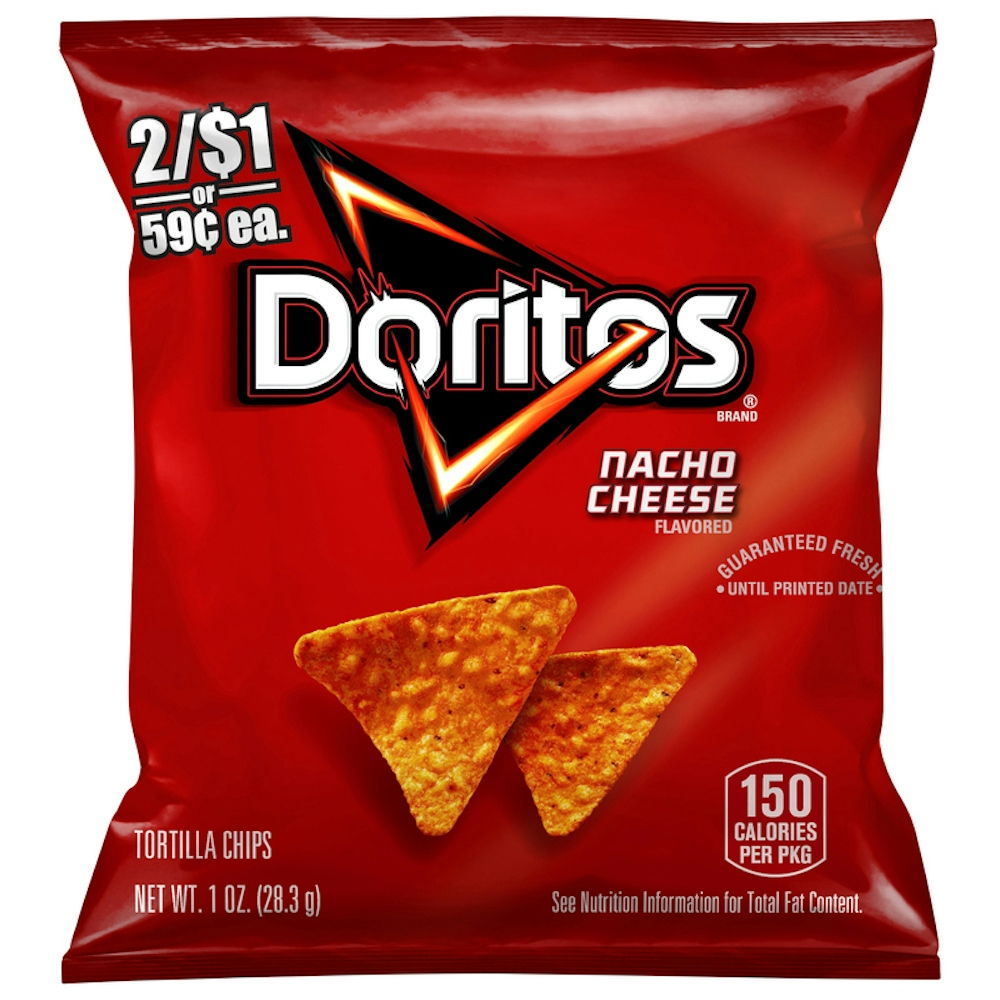
Doritos
Doritos Tortilla Chips Nacho Cheese Flavored - 1 Ounce
Analysis by Aurascan. Sources are listed on the product page.
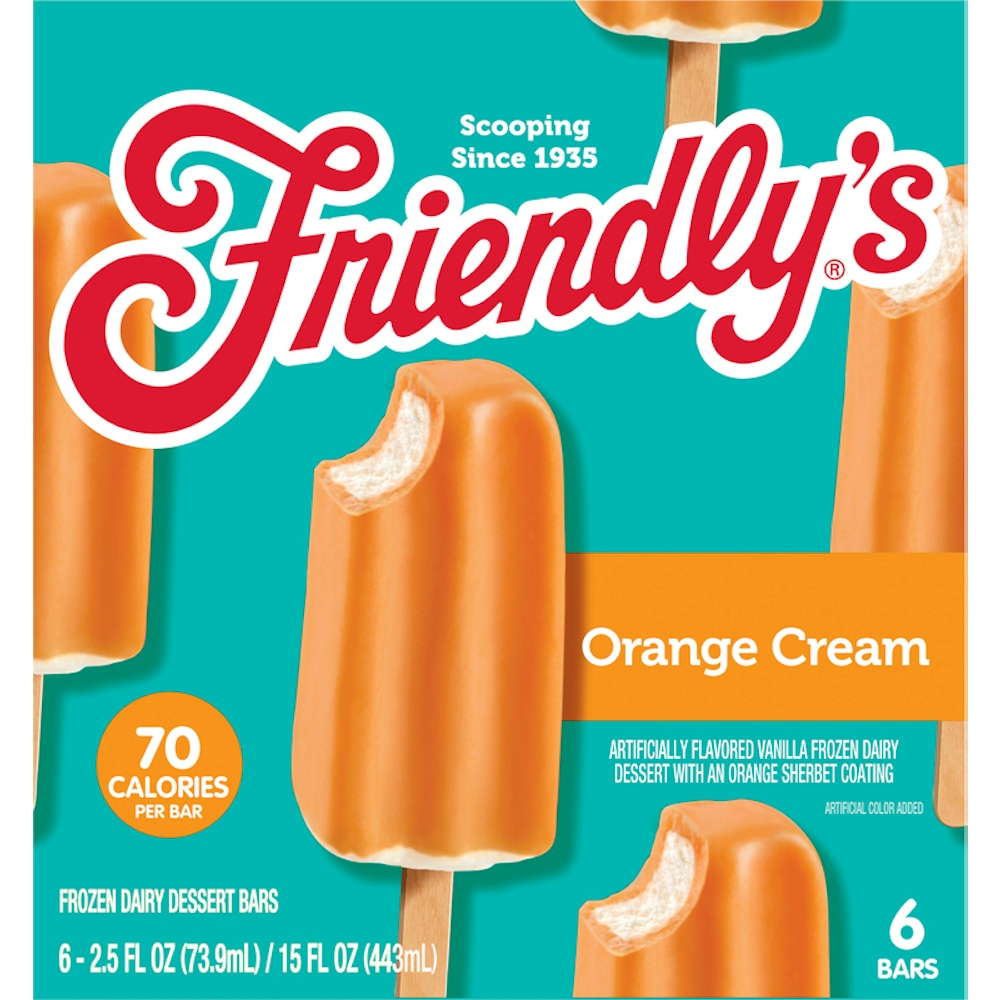
Friendly's
Friendly's Ice Cream Bars, Orange Creme
Analysis by Aurascan. Sources are listed on the product page.
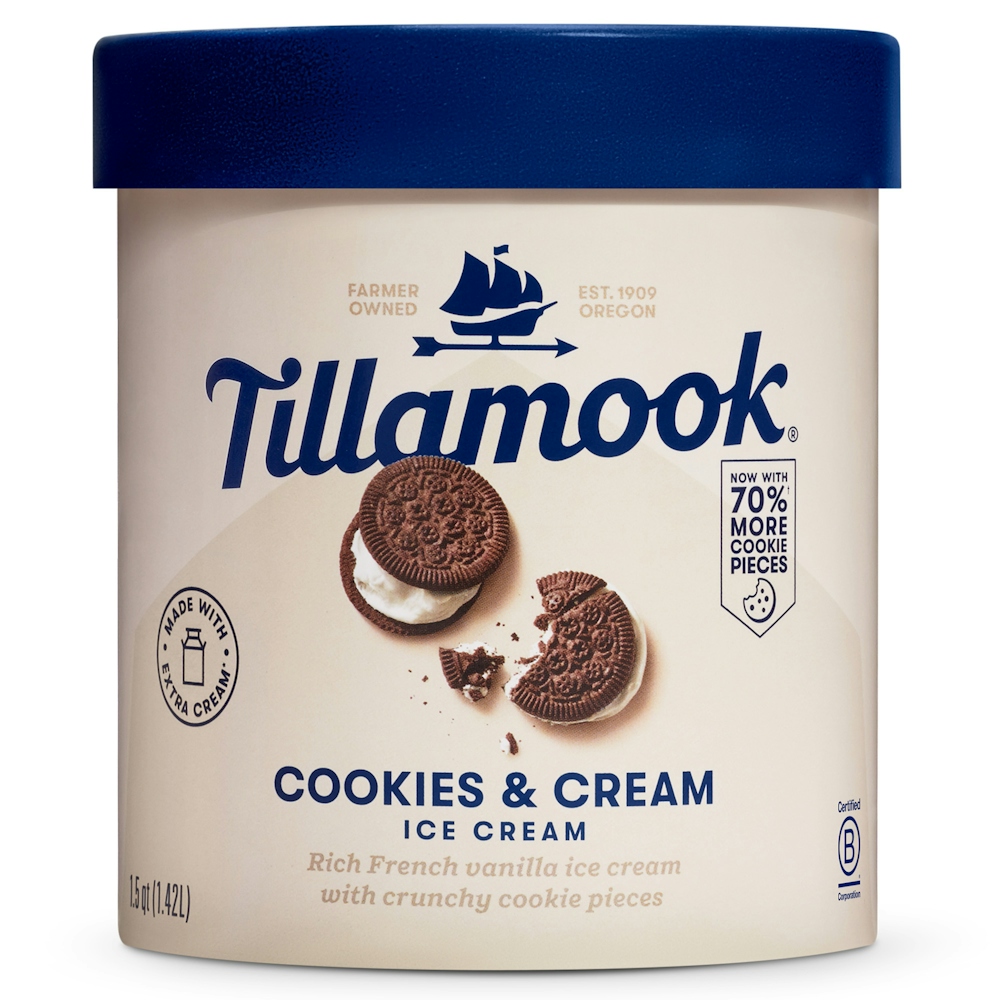
Tillamook
Tillamook Cookies And Cream Ice Cream, 48fl-oz
Analysis by Aurascan. Sources are listed on the product page.
1. Fanta Orange
Fanta Orange achieves its recognizable neon glow by blending two petroleum-derived certified synthetic dyes: Yellow 6 and Red 40. Under federal labeling rules, manufacturers must declare these certified batch colors by their specific common names rather than masking them behind generic terms like artificial color. For a full breakdown of this soda's formulation, check out Is Fanta Orange Clean? Every Ingredient, Scanned, or explore how it compares to clear citrus alternatives in Fanta Orange vs Sprite: Why One Has Dyes and One Doesn't.
Beyond the colorants themselves, achieving the visual appearance of real orange juice in a clear soda requires complex chemistry. Fanta Orange incorporates modified food starch and glycerol ester of rosin. These ingredients serve as weighting agents and clouding agents. Glycerol ester of rosin adjusts the density of citrus flavor oils, preventing them from floating to the surface of the bottle while keeping the beverage consistently cloudy and evenly tinted from the first sip to the last.
What to look for on the label: Check the ingredient list directly beneath the carbonated water and high fructose corn syrup for "Yellow 6" and "Red 40". You will also spot "Glycerol Ester of Rosin" listed near the end of the statement, functioning as the stabilizing density adjuster for the dye and oil matrix.
2. Fanta Pineapple
Fanta Pineapple presents another common combination of certified color additives: Yellow 5 (tartrazine) and Yellow 6. This pairing creates a warm, tropical golden shade designed to mimic the core of a freshly sliced pineapple. The federal regulatory standard described in FDA Color Additives in Foods mandates that Yellow 5 be declared by name rather than hidden under a generic colour term, because a small number of people react to it with hives or other allergic-type symptoms.
To stabilize its flavor and aesthetic presentation, Fanta Pineapple pairs its synthetic dyes with potassium sorbate and sucrose acetate isobutyrate (SAIB). Potassium sorbate is an antimicrobial preservative that extends shelf stability by inhibiting yeast and mold growth. Sucrose acetate isobutyrate acts as an emulsifier and density adjuster, similar to glycerol ester of rosin, preventing citrus oil rings around the bottleneck and ensuring the dyes stay evenly dispersed throughout the liquid matrix.
What to look for on the label: Inspect the end of the ingredient line for "Yellow 5" and "Yellow 6" alongside "Sucrose Acetate Isobutyrate". The specific naming of Yellow 5 is legally mandatory due to known sensitivity concerns, making it easy to spot before purchase.
3. Doritos Nacho Cheese
Artificial food dyes are not limited to bright confections and sodas; they are deeply entrenched in savory snacks. On a bag of Doritos Nacho Cheese, the ingredient statement lists artificial color with Yellow 6, Yellow 5, and Red 40 declared specifically. This triple-dye mixture provides the signature heavy orange dust that coats each corn tortilla chip, reinforcing the impression of rich melted cheddar cheese.
The synthetic dyes in Doritos do not work alone. They are embedded in a complex seasoning blend alongside powerful savory flavor enhancers: monosodium glutamate (MSG), disodium inosinate, and disodium guanylate. Disodium inosinate and disodium guanylate work synergistically with MSG to create an intense umami flavor profile that lingers on the palate. For more comparisons across packaged snack categories, see 5 Lunchbox Snacks Scanned: String Cheese to Fig Bars.
What to look for on the label: Scan the seasoning sub-panel printed after Cheddar Cheese. You will find "Artificial Color (Including Yellow 6, Yellow 5, Red 40)" grouped beside flavor enhancers like "Monosodium Glutamate". Check the panel to verify that all three certified colors are present.
4. Friendly's Orange Cream Bars
Frozen novelties frequently depend on certified synthetic colorants to maintain their visual appeal at low storage temperatures. Friendly's Orange Cream Bars feature an outer sherbet shell encasing a vanilla ice cream center. The vibrant exterior shell lists Red 40 and Yellow 6 on its ingredient panel, combining the two to create a punchy, citrus-like hue that contrasts sharply with the white ice cream core.
In frozen sherbet matrices, synthetic dyes provide batch-to-batch consistency and resist fading under supermarket freezer display lights. When consumers inspect the ingredient list on the back of the box, these certified colors are typically found in the sub-list describing the orange sherbet formulation. Checking the full list reveals how the dyes are held in suspension across a matrix of water, sweeteners, milk solids, and vegetable gums.
What to look for on the label: Examine the sherbet portion of the dual-ingredient declaration on the carton. Look for "Red 40" and "Yellow 6" nestled among guar gum, locust bean gum, and citric acid, which prevent ice crystallization and preserve color uniformity.
Quiz
Is a bottle of Fanta Orange clean?
Guess before you scroll.
Reveal Aurascan's verdict
Aurascan says: Flagged
The main flag is High Fructose Corn Syrup.
5. Mountain Dew
Mountain Dew represents one of the most visible uses of Yellow 5 in the beverage sector. Its radioactive yellow-green hue is entirely synthetic, formulated by combining carbonated water, concentrated orange juice, and certified Yellow 5. The high acidity from citric acid and the presence of citrus oils require specialized emulsification to prevent the bright tint from separating during distribution.
To keep its flavor oils and Yellow 5 homogeneously mixed, Mountain Dew utilizes modified food starch and calcium disodium EDTA. The starch functions as an emulsifying cloud agent, while calcium disodium EDTA acts as a chelating agent to protect flavor and prevent color degradation triggered by trace metal ions in the water supply. Compare this with other soft drinks in Sprite vs Fresca: Sugar, Sweeteners and Preservatives.
What to look for on the label: Search the ingredient text on the bottle neck or back panel for "Yellow 5". It will typically appear right before or after "Natural Flavor" and preservatives like "Sodium Benzoate".
6. Cheetos Crunchy Cheese Flavored Snacks
Cheetos Crunchy snacks are famous for leaving a vivid neon-orange residue on fingers. That iconic color is achieved through an engineered blend of Yellow 6 and artificial colors incorporated into the cheese seasoning powder. The dye binds to enriched cornmeal and hydrogenated vegetable oils, ensuring an opaque, saturated finish across every individual piece.
In addition to Yellow 6, the seasoning relies on whey, cheddar cheese, salt, and artificial colors to mimic an aged dairy hue. Lactic acid and citric acid are added to provide a sharp dairy tang, while the synthetic dyes ensure the snack does not appear pale or gray after high-heat extrusion and frying.
What to look for on the label: Read the cheese seasoning breakdown inside parentheses. Look specifically for "Yellow 6" and "Artificial Color", which appear directly alongside "Whey", "Cheddar Cheese", and "Canola Oil".
7. Skittles Original Chewy Candy
Skittles Original features a multi-colored candy shell that spans nearly the entire spectrum of federally approved synthetic colorants. The exterior glaze of the assorted fruit flavors relies on a blend of Red 40 Lake, Yellow 5 Lake, Yellow 6 Lake, Blue 1 Lake, Blue 2 Lake, and titanium dioxide. The lake forms of these dyes are insoluble pigments created by precipitating soluble dyes with an aluminum substrate, providing an opaque candy coating.
Titanium dioxide was historically used as an underlying white brightening agent to make the subsequent color layers pop, though formulations have evolved in response to global regulatory shifts. The outer shell is further finished with carnauba wax to impart a high-gloss protective sheen that seals in the synthetic pigments.
What to look for on the label: Check the final lines of the candy wrapper's ingredient statement for the phrase "Color (Includes Red 40 Lake, Yellow 5 Lake, Yellow 6 Lake, Blue 1 Lake, Blue 2 Lake, Titanium Dioxide)". Lake declarations signify insoluble dye formulations used for hard exterior coatings.
8. Tillamook Cookies and Cream
Tillamook Cookies and Cream serves as a valuable counter-example in packaged dairy. While many ice cream makers deploy synthetic Yellow 5 or Yellow 6 to simulate the warmth of whole cream and egg yolks, Tillamook's ingredient statement lists annatto. Annatto extract is derived from the seeds of the achiote tree (Bixa orellana) and is classified by the FDA as a color additive exempt from certification. For an ingredient-level look at this product, read Is Tillamook Cookies and Cream Clean? The Label, Scanned, or explore simpler dairy formulations in Tillamook vs Häagen-Dazs: 5 Ingredients Against 30.
Exempt color additives do not require batch testing by federal labs, making them a popular natural alternative for manufacturers reformulating away from petroleum-based colorings. Annatto contains carotenoid pigments that lend dairy products a gentle, buttery ivory or yellow shade without the use of Red 40 or Yellow 5. Exploring labels across brands reveals that simple ingredient lists can achieve high visual appeal using plant-derived pigments, as seen in 5 Grocery Staples With the Shortest Labels, Scanned and Nature's Bakery Fig Bar vs KIND: Which Bar Label Is Cleaner?.
What to look for on the label: Review the ice cream base ingredients. You will see "Annatto (Color)" or "Colored with Annatto" instead of numeric FD&C dyes, indicating the use of a plant-derived seed extract rather than petroleum-derived synthetics. For related protein and snack bar scans, check Is the Barebells Chocolate Dough Bar Clean? Scanned.
Why Are State and Federal Regulators Scrutinizing Dyes?
As of September 18, 2026, synthetic food dyes face unprecedented state scrutiny alongside active federal review. In September 2024, California enacted the California School Food Safety Act (AB 2316), as reported by the Los Angeles Times. This legislation prohibits public schools across the state from serving or selling foods and beverages containing six synthetic dyes: Red 40, Yellow 5, Yellow 6, Blue 1, Blue 2, and Green 3. The prohibition takes effect on December 31, 2027, driven by state health evaluations examining behavioral responses in young consumers.
At the federal level, the FDA and HHS introduced an April 2025 initiative to encourage phasing out petroleum-derived dyes. How widespread are these dyes? A survey of 810 grocery products marketed to children found that 43.2 percent contained artificial food colors, led by Red 40 (29.8 percent), Blue 1 (24.2 percent), Yellow 5 (20.5 percent) and Yellow 6 (19.5 percent); candies and fruit-flavoured snacks were above 94 percent, while plain produce had none. For context on emerging nutrition policies, see FDA's Front-of-Package Nutrition Box Is Still Not Final.
Scientific evidence has clear limitations: clinical trials cannot establish that synthetic food dyes affect every child or adult in the same manner. While meta-analyses note behavioral changes in sensitive subgroups, individual susceptibility varies widely across the general population, and significant scientific uncertainty remains regarding lifetime cumulative exposure thresholds.
How Can You Spot Artificial Dyes on Food Labels?
Navigating artificial colorants in the grocery store comes down to reading the fine print beneath the Nutrition Facts panel. Here is a practical checklist for identifying dyes on your next shopping trip:
- Search for FD&C names: Look for declarations like "FD&C Yellow No. 5", "Yellow 6", or "Red 40". Regulators require batch-certified synthetic dyes to be named individually.
- Differentiate exempt colors: Look for plant extracts like annatto, beta-carotene, turmeric, vegetable juice, or paprika. These are exempt from federal certification.
- Look beyond the candy aisle: As seen in Doritos Nacho Cheese and Cheetos, savory snacks, flavored crackers, and shelf-stable dressings frequently incorporate certified dyes.
- Notice accompanying additives: Weighing agents (sucrose acetate isobutyrate, glycerol ester of rosin) and flavor enhancers often accompany dye systems in sodas and snacks.
Try Aurascan
See what is really in the food you buy.
Common questions
- What are the most common artificial dyes in everyday snacks and sodas?
- The most widely used certified synthetic food dyes in packaged snacks and beverages are Red 40, Yellow 5 (tartrazine), and Yellow 6 (sunset yellow). These petroleum-derived colorants appear in carbonated soft drinks, cheese-flavored chips, candy, and frozen novelties.
- Why does the FDA require Yellow 5 to be named specifically on packaging?
- The FDA mandates that Yellow 5 be declared by name because clinical studies demonstrated that a small percentage of the population experiences allergic-type symptoms, including hives, swelling, and itching, after consuming it.
- What is the California School Food Safety Act (AB 2316)?
- Signed into law in September 2024, California AB 2316 bans public schools from serving foods containing six synthetic food dyes (Red 40, Yellow 5, Yellow 6, Blue 1, Blue 2, and Green 3) starting December 31, 2027, due to concerns regarding neurobehavioral effects in children.
- What is the difference between certified colors and exempt colors?
- Certified color additives are synthetic, petroleum-derived compounds that must undergo laboratory batch certification by the FDA before sale. Exempt color additives are derived from natural sources, such as plants, minerals, or animals (like annatto, beet juice, and turmeric), and do not require individual batch testing.
- Why do orange sodas contain glycerol ester of rosin or modified starch alongside dyes?
- Glycerol ester of rosin and modified food starch act as weighting and clouding agents. They adjust the density of citrus flavor oils to keep them dispersed evenly throughout the beverage, preventing separation and creating an authentic cloudy visual appearance.
- What does the FDA public tracker show regarding petroleum-based dyes?
- Following the April 2025 HHS and FDA initiative to encourage the phase-out of petroleum-based dyes, the FDA established a public tracker for voluntary company commitments. The tracker currently shows an uneven split: several confectioners have pledged transitions to botanical extracts, while many savory snack and soda manufacturers have not yet set formal deadlines.
Sources
- Color Additives Questions and Answers for Consumers (fda.gov)
- Color Additives in Foods (fda.gov)
- Newsom signs bill to expel six food dyes from California public schools (latimes.com)
- A review of the association between artificial food coloring and ADHD symptoms in children (pubmed.ncbi.nlm.nih.gov)
- Tracking Food Industry Pledges to Remove Petroleum-Based Food Dyes (fda.gov)
In this series
Guide
E Numbers Explained: The EU Code for US AdditivesGuide
How to Read a Food Label: The Ingredient List, Line by LineGuide
Tillamook vs Häagen-Dazs: 5 Ingredients Against 30Guide
Fanta Orange vs Sprite: Why One Has Dyes and One Doesn'tGuide
Is the Barebells Chocolate Dough Bar Clean? ScannedGuide
Is Tillamook Cookies and Cream Clean? The Label, Scanned
Related guides
Latest News
'No Artificial Colors' Has a New Meaning on US LabelsSince February 2026 the FDA lets brands claim 'no artificial colors' as long as no certified petroleum dyes are used, even with beet or turmeric added. How to read it.
Guides
Emulsifiers on Ingredient Lists Explained: Lecithin to Polysorbate 80What emulsifiers and stabilisers do, which names to look for on a label, and what the first human trial of five emulsifiers actually found about gut health.
Guides
Preservatives on Ingredient Lists Explained: Benzoate to BHASodium benzoate, potassium sorbate, sulfites, nitrite, BHA, BHT, TBHQ, EDTA and the antioxidants: what each does, how US rules treat it, and how to spot it on a label.
Try it on your own groceries
Scan your next label with Aurascan
Point the camera at any ingredient list and get the same evidence-graded read you see here.
Open the scannerLabel-reading intel, weekly.
What changed on food labels this week — bans, recalls, and new guides.