
Guides · October 3, 2026 · 7 min read
Sweetener Stacks: 4 Scanned Drinks That Blend Sweeteners
Core Power, Ryse, Fresca and Monster each list two or more sweeteners. See which ones, how sweet each is per FDA, and what the PKU warning on Fresca means.
By Chris Carrillo · Reviewed by Armin Rad, Co-Founder & CTO, Aurascan · October 3, 2026
Every article is checked against primary sources before publication. How we review

Many drinks list two, three or even four sweetening ingredients instead of one. The FDA notes that acesulfame potassium "is often combined with other sweeteners," but none of the four brands below explains why it chose its particular blend. This guide walks through four scanned drinks, using their Open Food Facts listings, to show which sweeteners each one stacks and what the label rules say about them.
Key takeaways
- Drinks often combine sweeteners such as acesulfame potassium, sucralose, aspartame and plant-derived sweeteners; the amount of each is not disclosed.
- The four drinks show three patterns: two high-intensity sweeteners together (Ryse, Fresca), plant-derived plus high-intensity sweeteners (Core Power), and sugars plus a high-intensity sweetener (Monster).
- The FDA lists or reviews each high-intensity sweetener on its own; the rules do not deal with blends as a unit.
- Products containing aspartame carry mandatory warning statements to protect consumers with phenylketonuria (PKU).
How we picked these four
We looked at scanned drinks that have live Aurascan previews and kept the ones whose Open Food Facts listing names at least two sweetening ingredients. Celsius Peach Vibe lists only sucralose, and Red Bull lists sucrose and glucose without a high-intensity sweetener, so neither made the list.
Roundup
4 scanned drinks that blend sweeteners
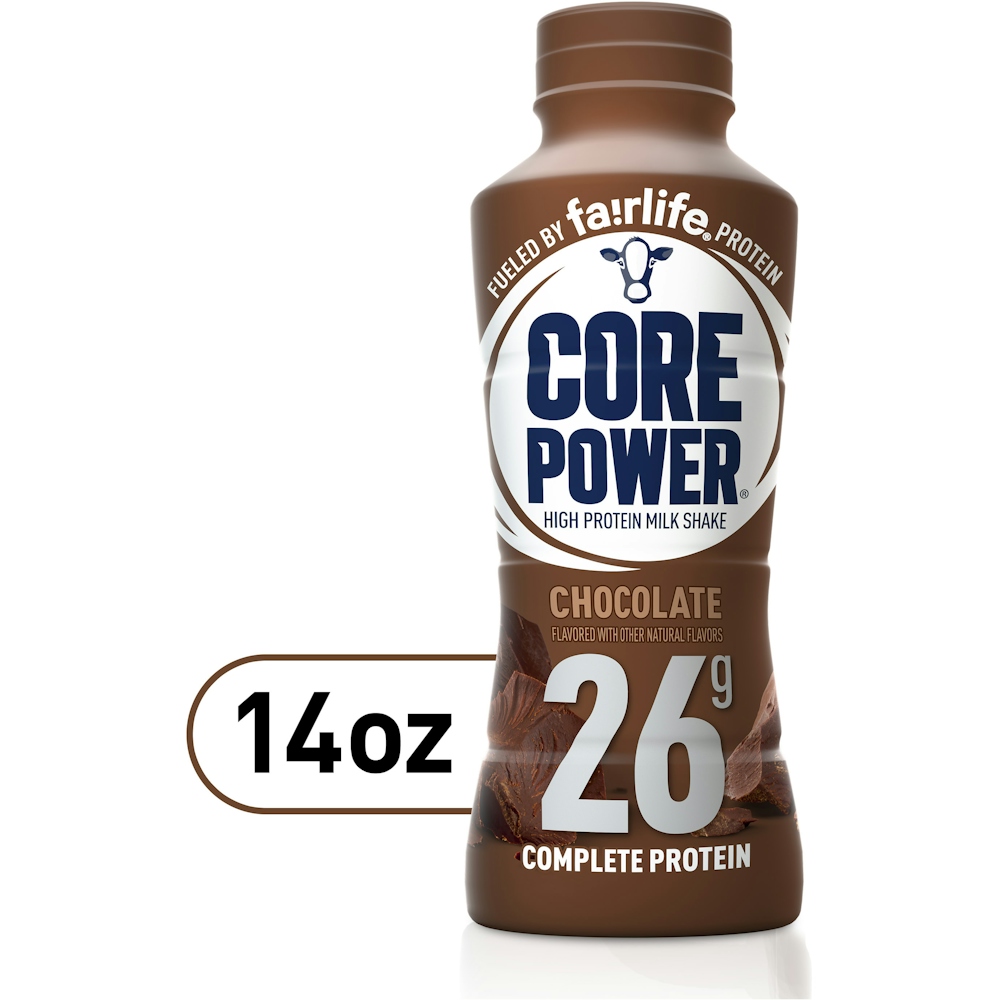
Core Power
Core Power Chocolate High Protein Milk Shake 14 Fl Oz
Analysis by Aurascan. The app shows the full breakdown and its sources.
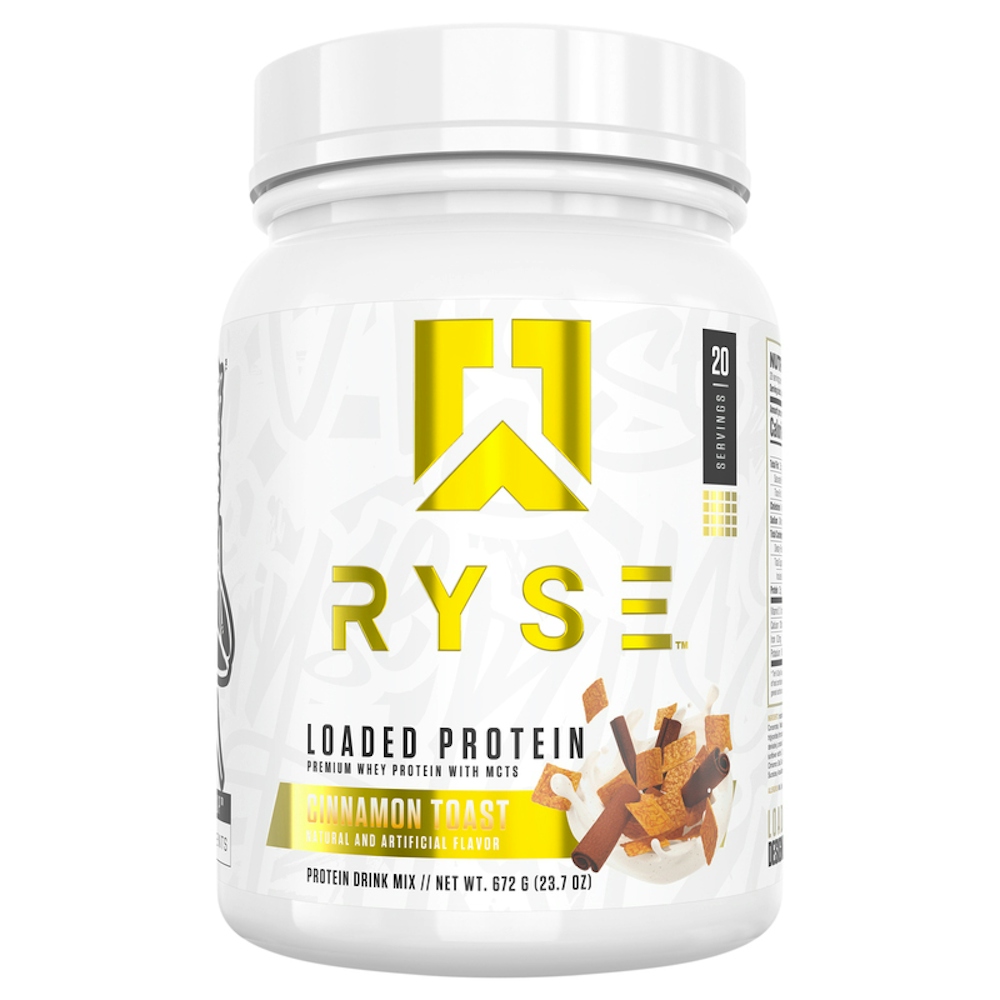
Ryse
Ryse Protein Drink Mix, Cinnamon Toast, Loaded Protein, 23.7 Ounce
Analysis by Aurascan. The app shows the full breakdown and its sources.
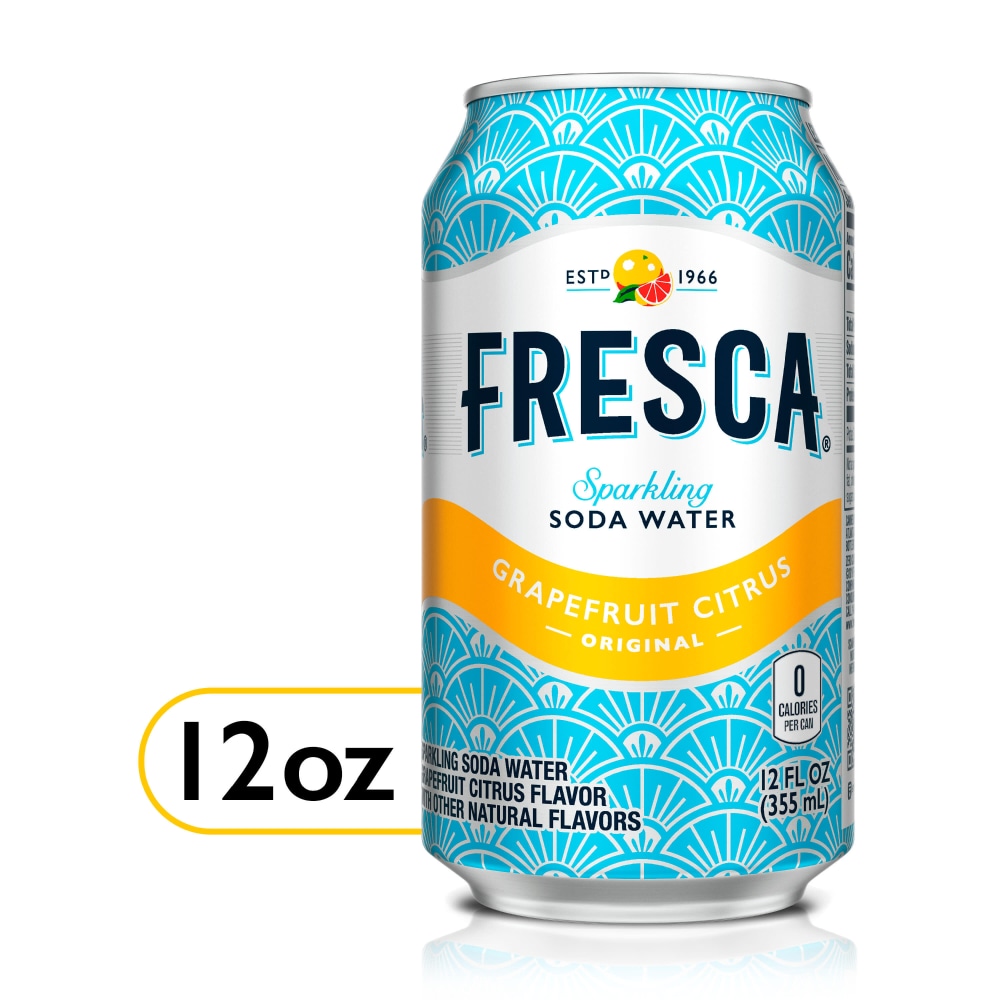
Fresca
Fresca Grapefruit Citrus Sparkling Soda Water
Analysis by Aurascan. The app shows the full breakdown and its sources.
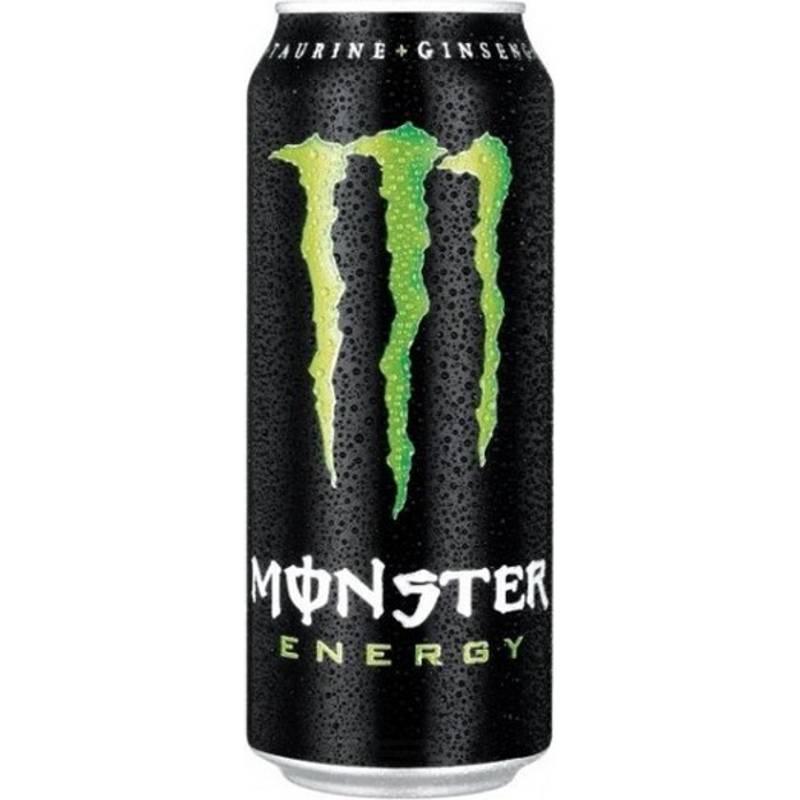
Monster
Monster Energy Drink Green 16 Oz Can
Analysis by Aurascan. The app shows the full breakdown and its sources.
Why Do Beverage Brands Blend Multiple Sweeteners?
According to the U.S. Food and Drug Administration (FDA) in its guidance on aspartame and other sweeteners in food, acesulfame potassium "is about 200 times sweeter than table sugar and is often combined with other sweeteners." The FDA does not say why in that line. The usual industry explanation is taste: each sweetener has its own strength and flavor, and combining them can bring the overall taste closer to sugar's. The strengths differ a lot. Per the same FDA page, sucralose is about 600 times sweeter than table sugar and aspartame about 200 times; steviol glycosides are reported to be 200 to 400 times sweeter, and monk fruit extract 100 to 250 times sweeter depending on its mogroside content. Stacking several sugars is a separate habit, covered in 6 Scanned Labels That List Sugar More Than One Way.
For readers exploring individual sweetener safety and biology, our detailed guides examine ingredients separately: check out our reviews on sucralose, acesulfame potassium, aspartame, and steviol glycosides.
Scan preview
Core Power
Core Power Chocolate High Protein Milk Shake 14 Fl Oz
FILTERED LOW FAT GRADE A MILK · NATURAL FLAVORS · CARRAGEENAN
Standout ingredient: VITAMIN D3
Analysis by Aurascan. The app shows the full breakdown and its sources.
1. Core Power High Protein Milk Shake Chocolate
- Product identity: Core Power High Protein Milk Shake Chocolate (Barcode: 811620021951)
- Sweetening components: Monk fruit juice concentrate, stevia leaf extract, acesulfame potassium, sucralose
According to its Open Food Facts listing, the ingredient text reads:
"FILTERED LOW FAT GRADE A MILK, ALKALIZED COCOA, NATURAL FLAVORS, MONK FRUIT JUICE CONCENTRATE, STEVIA LEAF EXTRACT, CARRAGEENAN, CELLULOSE GEL, CELLULOSE GUM, ACESULFAME POTASSIUM, SUCRALOSE, LACTASE ENZYME, VITAMIN A PALMITATE, VITAMIN D3."
Why it made the list
This ready-to-drink milk shake lists four sweetening ingredients, the most of the four drinks: two plant-derived (monk fruit juice concentrate and stevia leaf extract) and two high-intensity sweeteners listed under FDA food additive rules (acesulfame potassium and sucralose).
What to look for in the Open Food Facts listing
The Open Food Facts listing identifies monk fruit juice concentrate, which originates from the same fruit as purified monk fruit extract, though the exact mogroside concentration is not disclosed. The purity level and specific steviol glycoside profile of the stevia extract are likewise not stated. Both acesulfame potassium and sucralose appear further down the declaration. The exact milligram quantity of each sweetening agent is not disclosed in the Open Food Facts listing; check the Nutrition Facts panel for sugar and carbohydrate amounts.
2. Ryse Loaded Protein Cinnamon Toast Drink Mix
- Product identity: Ryse Loaded Protein Cinnamon Toast drink mix (Barcode: 850041914503)
- Sweetening components: Sucralose, acesulfame potassium
According to its Open Food Facts listing, the ingredient text reads:
"Whey Protein Isolate, Whey Protein Concentrate, MCT Oil Powder (Medium Chain Triglycerides, Gum Acacia), Organic Agave Inulin, Natural Flavors, Artificial Flavors, Ground Cinnamon, Salt, Gum Blend (Cellulose Gum, Xanthan Gum, Carrageenan), Sucralose, Soy Lecithin, Sunflower Lecithin, Acesulfame Potassium"
Why it made the list
This powdered mix pairs sucralose with acesulfame potassium. The list also includes organic agave inulin, but inulin is a fiber, not a sweetener, so it is not counted here.
What to look for in the Open Food Facts listing
Sucralose and acesulfame potassium are listed separately toward the end of the ingredient entry, separated by emulsifiers like soy and sunflower lecithin. The precise ratio between sucralose and acesulfame potassium is not disclosed in the text. Those two are the only sweeteners the listing names; it lists no sugar, syrup or plant-derived sweetener.
Quiz
Fresca pairs aspartame with acesulfame potassium and carries a PKU warning. Would you drink it?
Guess before you scroll.
Reveal Aurascan's verdict
Aurascan says: Flagged
The main flag is Citric Acid.
3. Fresca Sparkling Soda Water Grapefruit Citrus
- Product identity: Fresca Sparkling Soda Water Grapefruit Citrus (Barcode: 049000002485)
- Sweetening components: Aspartame, acesulfame potassium
According to its Open Food Facts listing, the ingredient text reads:
"carbonated water, citric acid, concentrated grapefruit juice, potassium citrate, aspartame, potassium sorbate (to protect tasté), acacia gum, acesulfame potassium, natural flavors, glycerol ester of rosin, potassium benzoate and calcium disodium edta (to protect taste), carob bean gum. phenylketonurics: contains phenylalanine"
(Note: The typo "tasté" appears directly in the Open Food Facts source record.)
Why it made the list
Fresca's listing pairs aspartame with acesulfame potassium. Apart from concentrated grapefruit juice, it names no sugar or syrup.
What to look for in the Open Food Facts listing
Under federal food standards outlined in 21 CFR 172.804, the label of any food containing aspartame must bear the statement "PHENYLKETONURICS: CONTAINS PHENYLALANINE." The Open Food Facts listing concludes with the required advisory: "phenylketonurics: contains phenylalanine." As the FDA notes, people with difficulty metabolizing phenylalanine due to the rare genetic disorder phenylketonuria (PKU) should avoid or restrict aspartame. Consumers reviewing citrus drinks will find aspartame positioned near the middle of the list and acesulfame potassium a few items later, after acacia gum.
4. Monster Energy Green
- Product identity: Monster Energy (green) (Barcode: 070847811169)
- Sweetening components: Sugar, glucose, sucralose
According to its Open Food Facts listing, the ingredient text reads:
"carbonated water, sugar, glucose, citric acid, natural flavors, taurine, sodium citrate, color added, panax ginseng extract, l-carnitine l-tartrate, caffeine, sorbic acid (preservative), benzoic acid (preservative), niacinamide (vit, b3), sucralose, salt, d-glucuronolactone, inositol, guarana extract, pyridoxine hydrochloride (vit, b6), riboflavin (vit, b2), maltodextrin, cyanocobalamin (vit, b12)"
Why it made the list
Unlike the other three, Monster Energy Green mixes sugars with a high-intensity sweetener: it lists two sugars (sugar and glucose) plus sucralose. It is not a sugar-free drink. Monster does not say what the sucralose adds.
What to look for in the Open Food Facts listing
Sugar and glucose are the second and third ingredients, right after carbonated water, so each is present in a greater amount by weight than every ingredient listed after it. Sucralose appears substantially later, situated between niacinamide and table salt. The Open Food Facts listing does not disclose the specific proportion of sweetness delivered by the caloric sugars versus the sucralose. Check the Nutrition Facts panel on the can for total and added sugars.
What FDA rules say about these sweeteners
Here is how each high-intensity sweetener in these drinks is handled under US rules:
- Acesulfame Potassium: Authorized under 21 CFR 172.800, which establishes that it "may be safely used as a general-purpose sweetener and flavor enhancer in foods generally, except in meat and poultry."
- Sucralose: Authorized under 21 CFR 172.831, permitting use "as a sweetener in foods generally, in accordance with current good manufacturing practice."
- Aspartame: Regulated under 21 CFR 172.804 with clear labeling requirements regarding phenylalanine content.
- Plant-derived sweeteners: The FDA has responded with "no questions" to GRAS conclusions for certain high-purity steviol glycosides and for monk fruit extract (SGFE). Core Power's listing says "monk fruit juice concentrate," which comes from the same fruit but is not described as SGFE.
Evidence limitations: regulators assess sweeteners one at a time, and the amounts in these drinks are not disclosed, so the listings cannot tell you how much of each sweetener a serving delivers or how a particular blend affects any one person.
How to Use This List When Checking Ingredients
When reviewing stacked sweeteners on beverage containers, keep these practical steps in mind:
- Read the whole list: Do not assume a high-protein or low-calorie drink uses only one sweetener. Look for secondary names like acesulfame potassium or sucralose positioned among stabilizers and flavorings.
- Separate sugars from high-intensity sweeteners: Formulations like Monster Energy combine caloric sugars (sugar, glucose) with high-intensity non-nutritive sweeteners. Check the Nutrition Facts panel alongside the ingredient list to determine caloric content.
- Look for the PKU statement: For individuals with PKU, verify whether the required phenylalanine disclosure appears at the base of the list, signaling the presence of aspartame.
- Know the plant-derived names: Look for terms like "stevia leaf extract" or "monk fruit juice concentrate." Remember that juice concentrates originate from the parent fruit but may differ in concentration from isolated extract preparations.
To see every sweetener in a drink explained one by one, with its sources, scan the can or tub with the Aurascan app.
Try Aurascan
See what is really in the food you buy.
Quiz
Monster lists sugar, glucose and sucralose together. Does mixing sugar with a sweetener change your pick?
Guess before you scroll.
Reveal Aurascan's verdict
Aurascan says: Flagged
The main flag is SUGAR.
Common questions
- Why do beverage companies blend two or more sweeteners?
- The FDA notes that acesulfame potassium is about 200 times sweeter than sugar and "is often combined with other sweeteners." The usual industry explanation is taste, but none of the four brands here explains its own blend.
- Is monk fruit juice concentrate the same as monk fruit extract?
- Not necessarily. Both come from monk fruit (Siraitia grosvenorii). The FDA's sweetener page describes monk fruit extract (SGFE), whose sweetness depends on its mogroside content. Core Power's listing names monk fruit juice concentrate, and its mogroside content is not disclosed.
- Why does Fresca have a warning about phenylalanine?
- Fresca contains aspartame. Under 21 CFR 172.804, the label of any food containing aspartame must bear the statement 'PHENYLKETONURICS: CONTAINS PHENYLALANINE' for people with phenylketonuria (PKU), a rare disorder that impairs phenylalanine metabolism.
- Does Monster Energy Green contain both sugar and artificial sweeteners?
- Yes. According to its Open Food Facts listing, Monster Energy Green contains caloric sugars (sugar and glucose) alongside sucralose, so it is not a sugar-free drink.
- Do product listings state how much sweetener is added?
- No. Ingredient lists are ordered by weight, but none of these four listings states how many milligrams of each sweetener a serving contains.
Sources
- Aspartame and Other Sweeteners in Food (fda.gov)
- 21 CFR 172.800 - Acesulfame potassium (ecfr.gov)
- 21 CFR 172.831 - Sucralose (ecfr.gov)
- 21 CFR 172.804 - Aspartame (ecfr.gov)
- Open Food Facts: Core Power High Protein Milk Shake Chocolate (world.openfoodfacts.org)
- Open Food Facts: Ryse Loaded Protein Cinnamon Toast (world.openfoodfacts.org)
- Open Food Facts: Fresca Sparkling Soda Water Grapefruit Citrus (world.openfoodfacts.org)
- Open Food Facts: Monster Energy (world.openfoodfacts.org)
In this series
Guide
EFSA: no safety concern for new enzyme-made Reb MGuide
6 Scanned Labels That List Sugar More Than One WayGuide
Sweeteners in Urine and Breast Cancer: What a New Study FoundGuide
Sucralose and Gut Bacteria: New Review of 10 Human TrialsGuide
Does Stevia Spike Insulin? New Trials and an EFSA Reb M OpinionGuide
Sorbitol: Why "Sugar-Free" Can Upset Your Stomach
Related guides
Comparisons
Barebells vs Ryse Loaded Protein: Two Sucralose Labels ComparedBoth use sucralose. Barebells adds maltitol and polydextrose; Ryse adds ace-K, agave inulin and a carrageenan gum blend. What FDA and EFSA say.
Latest News
Acesulfame K at High Doses Disrupts Zebrafish LarvaeA zebrafish study tied very high acesulfame K (ace-K) doses to developmental and movement changes in larvae; the authors say it is hazard data, not a risk estimate.
Latest News
Cyclamate Worsened Colitis in Mice, New Study ReportsA mouse study found the sweetener sodium cyclamate made chemically induced colitis worse. Cyclamate is banned in US food but used in many other countries.
Try it on your own groceries
Scan your next label with Aurascan
Point the camera at any ingredient list and get the same evidence-graded read you see here.
Open the scannerGet food recall alerts + a weekly digest
An email when a food recall is announced, plus one weekly roundup of label news and new guides.
We email a confirmation link first - nothing is sent until you click it. Unsubscribe anytime. Privacy