
Ingredient Reviews · September 4, 2026 · Updated October 8, 2026 · 8 min read
What Is Sucralose? Uses, Safety, Baking Risks, and Labels
Learn what sucralose is, how it is made, its regulatory status, potential baking risks, gut microbiome effects, and how to read tabletop sweetener labels.
By Chris Carrillo · Reviewed by Armin Rad, Co-Founder & CTO, Aurascan · October 8, 2026
Every article is checked against primary sources before publication. How we review
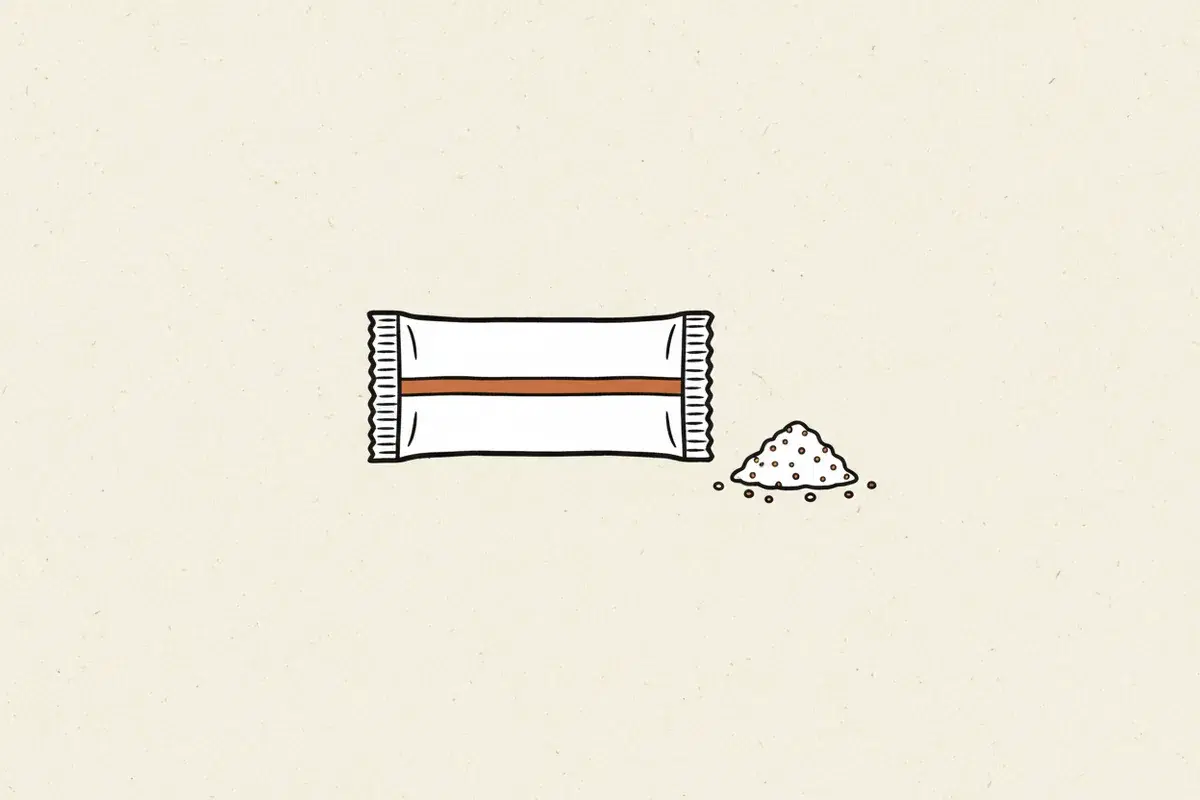
Sucralose is a zero-calorie artificial sweetener made by chemically modifying table sugar to deliver 600 times the sweetness of sucrose without calories. Global food safety authorities, including the FDA and EFSA, consider authorized dietary uses safe, though recent scientific evaluations raise questions about high-heat baking stability and gut microbiome interactions.
Key takeaways:
- Sucralose (additive code E 955) is an ultra-processed high-intensity sweetener created by replacing three hydroxyl groups on sugar molecules with chlorine atoms.
- Major regulatory agencies confirm standard dietary consumption is safe, setting acceptable daily intakes at 5 mg/kg body weight (FDA) and 15 mg/kg body weight (EFSA).
- High-heat baking with sucralose may trigger thermal degradation and generate chlorinated byproducts, leading food authorities to decline expanded use in industrial bakery goods.
- Tabletop packets sold under brand names like Splenda contain bulking fillers such as maltodextrin or dextrose, which contribute small amounts of digestible carbohydrates.
- Emerging clinical trials indicate that while sucralose is not acutely toxic, routine high intake may alter gut microbiome composition and acute post-meal insulin release in certain individuals.
What Is Sucralose and How Is It Made?
Sucralose is a synthetic, non-nutritive sweetener derived directly from sucrose (standard table sugar). Although its chemical structure originates from natural sugar, the finished compound is an ultra-processed substance created through a multi-step chemical synthesis. During manufacturing, three specific hydroxyl (hydrogen-oxygen) groups on the sucrose molecule are selectively replaced with three chlorine atoms.
This chlorination process fundamentally changes how the human body interacts with the molecule. The resulting compound, trichlorogalactosucrose, binds tightly to sweet-taste receptors on the tongue, creating an intensely sweet perception roughly 600 times stronger than sucrose. Because of this molecular modification, human digestive enzymes cannot break down the bonds to convert the molecule into usable energy.
When consumed, the vast majority of swallowed sucralose passes directly through the gastrointestinal tract without being absorbed or metabolized. The minor fraction (roughly 11% to 15%) that enters the bloodstream is filtered out intact by the kidneys and eliminated in urine. Because it does not break down into calories, it provides a sweet taste without contributing to total caloric intake.
Why Is Sucralose Used in Foods and Drinks?
Food manufacturers rely heavily on sucralose because it offers exceptional sweetening power, long shelf stability, and a sensory profile that closely mimics sugar compared to older artificial sweeteners like saccharin. Because it is 600 times sweeter than sucrose, only microscopic quantities are needed to sweeten large batches of beverages, dairy products, and packaged snacks.
Unlike natural sugars, oral bacteria cannot ferment sucralose. Dental research, including human plaque pH studies, shows the compound does not feed cavity-causing bacteria in the mouth, meaning it prevents the acid production that breaks down tooth enamel. This non-cariogenic property makes it a staple ingredient in sugar-free chewing gums, toothpastes, mouthwashes, and throat lozenges.
You will frequently encounter sucralose in diet sodas, protein powders, energy drinks, low-calorie yogurts, sugar-free syrups, and meal replacement bars. It is often combined with other non-nutritive sweeteners like acesulfame potassium (Ace-K) to create a synergistic sweetness curve that masks lingering aftertastes. If you are comparing sugar-free formulations, exploring Coca-Cola Light vs. Coca-Cola: Ingredients Compared provides practical context on how different zero-calorie sweetening systems are built.
Is Sucralose Safe? FDA and EFSA Regulatory Status
As of September 4, 2026, sucralose remains fully approved as a safe food additive globally, with no bans enacted by the US Food and Drug Administration (FDA) or the European Food Safety Authority (EFSA). The FDA maintains an Acceptable Daily Intake (ADI) of 5 milligrams per kilogram of body weight per day (mg/kg bw/day), while the EFSA established an ADI of 15 mg/kg bw/day.
In February 2026, the European Food Safety Authority re-evaluation of sucralose reaffirmed that currently authorized uses remain safe and left the 15 mg/kg ADI unchanged. Furthermore, modern bioassays on the genotoxicity and mutagenicity of commercial-grade sucralose confirmed that the pure additive is not genotoxic (does not damage cellular DNA) in modern test systems.
To exceed the FDA daily limit, a 60-kilogram (132-pound) adult would need to consume more than 300 milligrams of pure sucralose daily, which equates to roughly 25 to 30 individual tabletop packets or several liters of diet soda every day. Regulators emphasize that typical consumer intake remains well below these safety thresholds.
Can You Bake with Sucralose? High-Heat Stability and Byproducts
For decades, sucralose was marketed as a heat-stable alternative to aspartame, which degrades and loses sweetness when heated. While pure sucralose retains sweetness in moderate cooking applications, recent toxicology research shows that exposing sucralose to prolonged high temperatures (above 120°C or 248°F) can cause chemical breakdown.
When heated in the presence of lipids (fats) or glycerol, sucralose can undergo thermal degradation, releasing chlorinated organic compounds such as chloropropanols (including 3-MCPD), as shown in thermal degradation studies. These thermal byproducts have known toxicological concerns when consumed regularly at elevated levels.
This risk led to major regulatory caution in Europe. In its February 2026 assessment, the EFSA declined to approve an application for the extended use of sucralose in industrial fine bakery wares. The authority cited insufficient data to rule out the formation of hazardous chlorinated degradation products during commercial high-temperature baking. Home bakers using tabletop sucralose for low-temperature cooking face lower absolute exposure, but prolonged, high-heat roasting or baking with sucralose is no longer viewed as completely inert.
Does Sucralose Affect the Gut Microbiome or Blood Sugar?
Although pure sucralose contains no carbohydrates, clinical investigations reveal that it is not biologically invisible inside the gastrointestinal tract. Because most sucralose remains unabsorbed, it travels the entire length of the intestines, coming into direct contact with the gut microbiome.
According to research on the effect of non-nutritive sweeteners on the gut microbiome and glycemic response, ten weeks of sucralose intake altered gut bacteria in healthy young adults (reducing Lactobacillus acidophilus and increasing Blautia) and raised post-meal insulin and glucose responses. By contrast, a seven-day controlled trial in the British Journal of Nutrition on sucralose consumption and metabolic response found that high-dose sucralose did not alter glycaemic control, insulin resistance, or the gut microbiome in healthy adults, so the evidence remains mixed.
These metabolic and microbiome observations align with broader public health reviews. The World Health Organization (WHO) non-sugar sweetener advisory emphasizes that non-sugar sweeteners like sucralose do not confer long-term weight reduction or positive cardiometabolic benefits and may carry potential risks with sustained, heavy intake. Just as consumers monitor additives like emulsifiers in our review Is Carrageenan Safe? Uses, Safety, and Regulatory Status, sweetening additives warrant thoughtful moderation.
Mountain Dew Zero Sugar and Diet Mountain Dew both pair sucralose with aspartame and acesulfame potassium; see Mountain Dew Zero Sugar vs Diet Mountain Dew.
Side Effects and Who Should Be Cautious with Sucralose
For the vast majority of healthy adults, moderate sucralose consumption does not cause acute adverse reactions. However, sensitive populations and individuals with specific health conditions should exercise caution:
- People with digestive disorders: Individuals with Irritable Bowel Syndrome (IBS), Crohn's disease, or small intestinal bacterial overgrowth (SIBO) may experience gas, bloating, and altered bowel habits from the microbial shifts induced by high sucralose intake.
- Individuals managing insulin resistance: Because some trials suggest sucralose may alter post-meal insulin responses, people with prediabetes or type 2 diabetes should monitor how products containing non-nutritive sweeteners affect their post-meal glucose readings.
- Individuals with respiratory sensitivities: Industrial safety data notes that inhaling dry, airborne sucralose dust during manufacturing can cause upper airway irritation, though finished food products carry no such inhalation risk.
It is important to emphasize scientific limitations: current evidence cannot establish universal clinical outcomes for every individual. Long-term human studies examining reproductive health markers or chronic autoimmune endpoints remain limited, meaning individual tolerances vary significantly.
How to Spot Sucralose and Hidden Fillers on Ingredient Labels
Identifying sucralose on ingredient panels requires looking beyond front-of-package claims like "Zero Sugar" or "Naturally Sweetened." To verify what is inside your food, check the ingredient list using this checklist:
- Label names: Look for "sucralose" or its European food additive code, "E 955."
- Tabletop packet bulking agents: Pure sucralose is too potent to fill a standard small paper packet. Tabletop sweeteners (such as yellow-packet Splenda) use bulking agents like maltodextrin or dextrose as carriers. These fillers are simple carbohydrates that contribute approximately 3 to 4 calories and nearly 1 gram of carbohydrate per packet, which can accumulate if using several packets daily.
- Liquid versus powder forms: Liquid sweetener drops typically use water, citric acid, and preservatives instead of maltodextrin, avoiding the hidden carbohydrate content found in dry packets.
- Compound ingredient lists: Protein bars and health snacks frequently blend sucralose with sugar alcohols (erythritol, maltitol) or synthetic flavors. If you want to understand how flavor mixtures are identified on packaged goods, read What Are Natural Flavors? Uses, Labels, and Safety Explained.
Other common food ingredients also undergo strict regulatory review for consumer transparency. For example, you can learn about additive scrutiny in What Is Red 40? Uses, Safety, and Pending FDA Regulations, check bleaching agent evaluations in Is Benzoyl Peroxide Safe? Stability, Regulation, and Safety, or explore dietary proteins in What Is Gluten? Uses, Health Effects, and Labeling Explained.
What Are the Best Alternatives to Sucralose?
If you prefer to avoid synthetic chlorinated sweeteners, several alternative sweetening options exist across different categories:
- Stevia (Rebaudioside A / Steviol Glycosides): A natural, plant-derived high-intensity sweetener extracted from the leaves of Stevia rebaudiana. It is heat-stable and calorie-free, though some individuals notice a mild licorice-like aftertaste.
- Monk Fruit Extract (Luo Han Guo): Derived from the mogrosides in monk fruit, this zero-calorie sweetener provides clean sweetness without the chlorinated chemistry of sucralose and performs well in warm beverages.
- Allulose: A rare sugar found naturally in figs and raisins that provides roughly 70% of the sweetness of table sugar with minimal calories (0.4 kcal/g). Allulose caramelizes and behaves like sugar in baking without spiking blood glucose.
- Erythritol: A sugar alcohol that delivers 70% of sugar's sweetness with near-zero calories, though high consumption can cause mild digestive upset in sensitive stomachs.
Common questions
- Does sucralose raise blood sugar or insulin levels?
- Pure sucralose contains no carbohydrates and does not directly raise blood glucose. However, some clinical studies suggest that regular sucralose intake may alter post-meal insulin responses in some individuals, while other short-term trials found no effect.
- Is sucralose safe for pregnant women?
- Regulatory agencies like the FDA and EFSA classify sucralose as safe during pregnancy within the acceptable daily intake. However, because trace amounts can cross the placenta, pregnant individuals may choose to consume it in moderation.
- Is Splenda the exact same thing as sucralose?
- Sucralose is the pure chemical sweetener, while Splenda is a brand name. Splenda tabletop packets contain pure sucralose blended with bulking fillers like maltodextrin and dextrose, which add minor calories and carbohydrates.
- What happens if you bake with sucralose?
- While sucralose retains its sweet taste at moderate heat, exposing it to temperatures above 120°C (248°F) in the presence of fats can cause thermal breakdown, potentially forming chlorinated byproducts like chloropropanols.
- Does sucralose harm healthy gut bacteria?
- Emerging human and animal research indicates that regular, high-dose consumption of sucralose can alter the balance of gut microbiota, for example decreasing Lactobacillus acidophilus and increasing Blautia in one ten-week human trial.
- Is sucralose banned in Europe?
- No. Sucralose (E 955) is approved in the European Union. In 2026, EFSA reaffirmed its safety for authorized food uses, although it declined to expand approvals for high-heat commercial bakery goods.
Sources
- EFSA finds sucralose safe when used as currently authorised but cannot confirm safety of extending its use (efsa.europa.eu)
- The Effect of Non-Nutritive Sweeteners on the Gut Microbiome and Glycemic Response (pmc.ncbi.nlm.nih.gov)
- Genotoxicity and mutagenicity of commercial-grade sucralose: No concerns in modern bioassays (pubmed.ncbi.nlm.nih.gov)
- Short-term impact of sucralose consumption on the metabolic response and gut microbiome of healthy adults (cambridge.org)
- Effect of sucralose--alone or bulked with maltodextrin and/or dextrose--on plaque pH in humans (pubmed.ncbi.nlm.nih.gov)
- Thermal degradation of sucralose: a combination of analytical methods to determine stability and chlorinated byproducts (pmc.ncbi.nlm.nih.gov)
In this series
Guide
Coca-Cola Light vs. Coca-Cola: Ingredients ComparedGuide
What Are Natural Flavors? Uses, Labels, and Safety ExplainedGuide
Is Benzoyl Peroxide Safe? Stability, Regulation, and SafetyGuide
Is Carrageenan Safe? Uses, Safety, and Regulatory StatusGuide
What Is Red 40? Uses, Safety, and Pending FDA RegulationsGuide
What Is Gluten? Uses, Health Effects, and Labeling Explained
Related guides
Comparisons
Does Prego Have Added Sugar? Yes, 4 g vs Ragú's <1 gPrego Traditional lists 4 g added sugar per 1/2 cup; Ragú Old World Style Traditional lists under 1 g. Sodium, oil and ingredient order compared.
Comparisons
Do Stauffer's Animal Crackers Have HFCS? Barnum's Don'tStauffer's Original Animal Crackers list high fructose corn syrup; Barnum's list sugar, dextrose and fructose. Both carry 7g added sugars per serving.
Comparisons
Which Has More Fiber, Metamucil or Benefiber? 6 g EachBoth labels list 6 g fiber per serving. Metamucil is psyllium (5 g soluble) with aspartame or 16 g sugar plus Yellow 6; Benefiber is just wheat dextrin (6 g soluble).
Try it on your own groceries
Scan your next label with Aurascan
Point the camera at any ingredient list and get the same evidence-graded read you see here.
Open the scannerGet food recall alerts + a weekly digest
An email when a food recall is announced, plus one weekly roundup of label news and new guides.
We email a confirmation link first - nothing is sent until you click it. Unsubscribe anytime. Privacy