
Latest News · September 27, 2026 · 8 min read
Does Stevia Spike Insulin? New Trials and an EFSA Reb M Opinion
Two September 2026 trials found no insulin or blood sugar effect from stevia or acesulfame-K, and EFSA cleared a new Reb M process. The caveats.
By Chris Carrillo · Reviewed by Armin Rad, Co-Founder & CTO, Aurascan · September 27, 2026
Every article is checked against primary sources before publication. How we review

A randomized crossover trial published September 1, 2026 found that a single stevia drink produced the same blood sugar, insulin and gut-hormone responses as plain water, in adults with normal weight, overweight or type 2 diabetes. The trial was funded by Cargill, a stevia producer. On September 17, the European Food Safety Authority (EFSA) published an opinion finding no safety concern for a new enzymatic way of making rebaudioside M (Reb M).
Key takeaways:
- A September 1, 2026 randomized crossover trial found that one stevia drink did not change glucose, insulin or gut hormones compared with water over 180 minutes, including in adults with type 2 diabetes. It was funded by Cargill.
- A small SWEET trial sub-study published September 2, 2026 (16 people completed it) found no differences between an acesulfame-K/cyclamate drink and water in fat burning, carbohydrate burning, glucose or insulin.
- On September 17, 2026, EFSA concluded that high-purity Reb M produced through enzymatic bioconversion using genetically modified E. coli-derived enzymes poses no safety concern.
- EFSA's opinion covers a manufacturing process, not stevia's health effects. It recommends a separate EU specification entry rather than amending E 960c, and it is not yet an EU authorisation.
- Tabletop stevia products frequently contain bulking agents such as erythritol or dextrose, meaning shoppers must read full ingredient panels rather than front-of-package claims.
What happened
On September 1, 2026, researchers published a randomized crossover trial in the Journal of Nutrition testing whether steviol glycosides alter human endocrine responses. By Scott CE, Maki KC and colleagues (registered as NCT05287906), the trial enrolled three cohorts of 23 adults each: participants with normal weight, individuals classified as overweight or living with obesity, and adults with diagnosed type 2 diabetes. Each subject consumed four separate test beverages: plain water, a beverage with 75.6 mg steviol equivalents, a caloric control with 30 g of glucose, and a mixed drink containing both stevia and 30 g of glucose.
Over a 180-minute post-consumption window, investigators took repeated blood draws to analyze glucose, insulin, glucagon, glucose-dependent insulinotropic polypeptide (GIP), glucagon-like peptide-1 (GLP-1), and peptide YY (PYY). Participants also recorded appetite sensations and ate an ad-libitum meal. Responses to the stevia drink did not differ significantly from water in any of the three groups. When stevia was combined with 30 g of glucose, it did not alter the hormonal or glycemic curves produced by glucose alone. The study was funded by Cargill Inc., a commercial producer of steviol glycoside sweeteners.
One day later, on September 2, 2026, Nutrients published a secondary analysis from the long-term SWEET project (Andersen SSH, Kjolbaek L, Halford JCG, Harrold JA, Raben A). Funded under EU Horizon 2020 grant 774293, the sub-study compared beverages sweetened with acesulfame-K and cyclamate against water. Testing was conducted at baseline, after two months of weight loss, and after four months of weight maintenance. Of 26 people recruited, 16 completed the final test day. Investigators observed no differences between sweetener and water arms in fat oxidation, carbohydrate oxidation, energy expenditure, blood glucose, or insulin levels.
On September 17, 2026, EFSA's Panel on Food Additives and Flavourings published a scientific opinion in the EFSA Journal on a modified manufacturing process for rebaudioside M. Addressing a submission for purified Reb M containing more than 95% Reb M, the panel concluded the substance presents no safety concern when derived from purified stevia leaf extracts using biocatalytic enzymes sourced from a genetically modified Escherichia coli K-12 strain.
What changed?
The opinion covers a new way of making Reb M: purified steviol glycosides extracted from stevia leaves are converted into Reb M using three enzymes produced by a genetically modified E. coli K-12 strain (DSM 35119). As detailed in the EFSA Journal opinion, EFSA found that no viable cells or DNA of the production strain remain in the final product, and that at least 99% of the enzyme solids are removed. Because the resulting Reb M has the same physicochemical characteristics as the Reb M already covered by E 960c, EFSA applied the toxicology data from its earlier evaluations. Rather than amending the existing specifications for enzymatically produced steviol glycosides (E 960c), EFSA recommended a new entry in the EU additive specifications regulation (EU No 231/2012).
This administrative recommendation is an evaluation of manufacturing purity and process safety, not a novel clinical review of stevia or an immediate European Union authorization. Using the new process in EU foods still depends on the European Commission adding it to the specifications. The opinion did not revisit the existing acceptable daily intake (ADI) for steviol glycosides, 4 mg per kg of body weight per day expressed as steviol equivalents.
On the metabolic front, the Journal of Nutrition trial speaks to a common worry: that sweet taste alone prompts the body to release insulin. Here, a single stevia drink did not raise insulin or gut hormones on its own, and adding stevia to 30 g of glucose did not change the response to the glucose. The SWEET sub-study found no differences for an acesulfame-K/cyclamate drink on fat and carbohydrate burning. Both are short-term tests of a drink, so they speak to acute effects only.
Scan preview
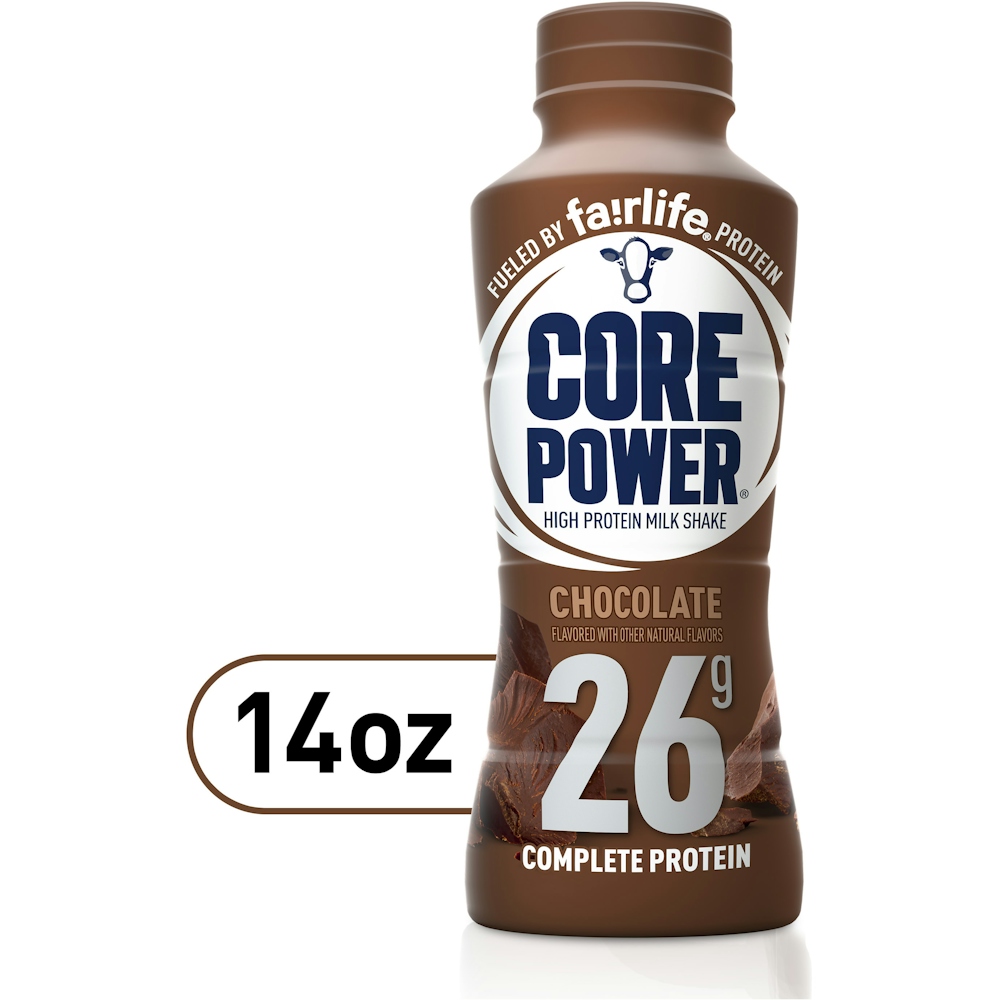
Core Power
Core Power Chocolate High Protein Milk Shake 14 Fl Oz
FILTERED LOW FAT GRADE A MILK · NATURAL FLAVORS · ALKALIZED COCOA POWDER
Standout ingredient: ACESULFAME POTASSIUM
Analysis by Aurascan. Sources are listed on the product page.
Who is affected?
The latest findings primarily impact consumers who monitor metabolic health markers, particularly individuals managing type 2 diabetes, insulin resistance, or metabolic syndrome.
For manufacturers, the EFSA opinion matters because Reb M is only a minor glycoside in the stevia leaf, which is why companies have developed conversion and fermentation routes to make it. The opinion is a step toward, not the same as, EU approval of this particular route.
Readers comparing plant-based sweeteners can also see our Stevia vs Monk Fruit comparison.
What it means for shoppers?
For consumers navigating supermarket aisles, the scientific data on pure stevia does not always match what is inside a commercial retail packet. The new trial found that a stevia drink did not alter blood glucose or insulin, but tabletop products sold in packets or shaker jars are often not pure stevia extract. Steviol glycosides are 200 to 400 times sweeter than table sugar, according to FDA, so manufacturers often add bulking agents to match the volume of sugar. Drinks often combine several sweeteners too: the Core Power chocolate shake shown above lists monk fruit juice concentrate, stevia leaf extract, acesulfame potassium and sucralose, so a study of stevia alone does not describe the whole drink.
When inspecting packaged foods, check the ingredient list for the following identifiers:
- Specific stevia designations: stevia leaf extract, steviol glycosides, rebaudioside A, Reb M, or European additive code E 960.
- Bulking agents and polyols: erythritol, isomalt, or other sugar alcohols added to mimic bulk texture.
- Carbohydrate carriers: dextrose or maltodextrin, which are digestible carbohydrates.
Shoppers monitoring blood sugar should read past front-of-package banners like "Zero Calorie Stevia Sweetener". If a single-serve packet uses dextrose or maltodextrin as its carrier, it adds a small amount of digestible carbohydrate. Our guide to added sugar names on labels lists the carriers to look for, and our steviol glycosides review covers stevia's regulatory history.
The background
Steviol glycosides have been used as sweeteners for years; JECFA (2008) and EFSA (2010) set an acceptable daily intake of 4 mg per kg of body weight per day, expressed as steviol equivalents, and FDA has not questioned GRAS notices for high-purity (at least 95%) steviol glycosides. FDA does not consider stevia leaf or crude stevia extracts GRAS. Early commercial stevia sweeteners were mostly rebaudioside A; manufacturers have since turned to minor glycosides such as Reb M.
Because Reb M is only a minor component of the leaf, companies developed other production routes, including fermentation and enzymatic conversion of other leaf glycosides. EFSA assesses each new production route separately, which is why this opinion exists.
Simultaneously, questions regarding whether non-nutritive sweeteners affect metabolic regulation have persisted in public discussions. Some observational cohorts suggested potential links between sweetener use and long-term metabolic dysregulation, leading consumers to wonder if the sweet taste itself triggers premature insulin secretion. Controlled experimental trials like the September 1, 2026 Scott et al. study in the Journal of Nutrition and the September 2, 2026 Andersen et al. publication in Nutrients directly address these questions by isolating acute human physiological responses under clinical observation.
Important limits remain. The September 1 trial examined acute postprandial responses over 180 minutes following a single intake. The SWEET sub-study, while tracking participants across months, was constrained by a small completion sample of just 16 individuals. Current human trials cannot establish lifetime health outcomes, and they do not resolve lingering scientific questions regarding chronic, years-long alterations to the human gut microbiome, cardiovascular outcomes, or oncological endpoints .
What to watch next
After EFSA's opinion, the decision passes to the European Commission and EU member states. Watch for whether and when a new specification entry for this Reb M process is formally adopted.
In the clinical domain, the open questions are long-term ones: neither trial measured gut microbiome, heart or cancer outcomes, the stevia trial tested a single drink and was industry-funded, and the SWEET sub-study had 16 completers. If you want to see which sweeteners a product actually uses, scan it with the Aurascan app, which lists each ingredient with the evidence behind it.
Try Aurascan
See what is really in the food you buy.
Common questions
- Does stevia cause an insulin spike in people with type 2 diabetes?
- A September 1, 2026 randomized crossover trial in the Journal of Nutrition showed that a single dose of stevia (75.6 mg steviol equivalents) produced no difference in insulin or blood glucose compared to water in adults with type 2 diabetes, normal weight, or overweight/obesity. The trial was funded by Cargill, a stevia producer.
- What did EFSA decide regarding Reb M in September 2026?
- EFSA's Food Additives and Flavourings Panel determined that high-purity Reb M produced through enzymatic bioconversion using enzymes from a GM E. coli K-12 strain poses no safety concern, recommending a distinct specification entry.
- Is Reb M made with genetically modified bacteria safe to eat?
- EFSA confirmed that the enzymatic production process leaves no viable cells or DNA of the GM E. coli production strain in the purified end product, which contains over 95% Reb M.
- Why do some commercial stevia packets raise blood sugar?
- FDA says sweeteners generally will not raise blood sugar, but commercial tabletop packets often mix stevia with bulking agents such as dextrose or maltodextrin, which are carbohydrates that carry a glycemic impact.
- What is the acceptable daily intake (ADI) for stevia?
- JECFA and the European Food Safety Authority (EFSA) set an acceptable daily intake of 4 mg per kilogram of body weight per day, expressed as steviol equivalents. FDA refers to the JECFA ADI when it reviews GRAS notices for high-purity steviol glycosides.
- Does stevia increase appetite or trigger gut hormones?
- In the September 1, 2026 clinical study, stevia did not alter gut satiety hormones including GLP-1, GIP, or PYY, and it did not increase post-drink appetite scores or ad-libitum calorie intake compared to water.
Sources
- Postprandial Glycemic, Insulinemic, and Incretin Responses to Stevia in Adults: A Randomized Crossover Trial (pubmed.ncbi.nlm.nih.gov)
- Acute Effects of Sweeteners on Substrate Oxidation and Energy Expenditure: A SWEET Sub-Study (pubmed.ncbi.nlm.nih.gov)
- Safety evaluation of the modification of specifications for steviol glycosides: Rebaudioside M produced by enzymatic bioconversion (pubmed.ncbi.nlm.nih.gov)
In this series
Guide
Sorbitol: Why "Sugar-Free" Can Upset Your StomachGuide
Erythritol and Heart Risk: Blood Levels Fell and Risk Scores ImprovedGuide
Allulose 'Zero Sugar' Lawsuits Spread to KIND, Liquid Death, DavidGuide
Court Says Allulose Is a Sugar. 'Zero Sugar' Labels Are in TroubleGuide
Added Sugar Has Dozens of Label Names: The Ones to KnowGuide
Allulose vs Erythritol: Which Sugar Substitute Is Better?
Related guides
Latest News
Erythritol and Heart Risk: Blood Levels Fell and Risk Scores ImprovedA new analysis of a 2-year diet trial found falling blood erythritol tracked better heart-risk scores. Why blood erythritol is not the same as the sweetener you eat.
Latest News
Allulose 'Zero Sugar' Lawsuits Spread to KIND, Liquid Death, DavidAfter the Seventh Circuit's Chobani ruling, new class actions target allulose-sweetened bars and drinks sold as zero sugar. What the label rules say and what to check.
Latest News
Court Says Allulose Is a Sugar. 'Zero Sugar' Labels Are in TroubleThe Seventh Circuit revived a Chobani 'zero sugar' lawsuit, holding allulose counts as total sugar under FDA rules. What this means for sugar-free claims on labels.
Try it on your own groceries
Scan your next label with Aurascan
Point the camera at any ingredient list and get the same evidence-graded read you see here.
Open the scannerLabel-reading intel, weekly.
What changed on food labels this week — bans, recalls, and new guides.