
Guides · October 2, 2026 · 8 min read
6 Scanned Labels That List Sugar More Than One Way
Sugar, fructose, honey, molasses: some labels list four sweeteners. Six scanned products, how ingredient order works, and where the Added Sugars total lives.
By Chris Carrillo · Reviewed by Armin Rad, Co-Founder & CTO, Aurascan · October 2, 2026
Every article is checked against primary sources before publication. How we review
Packaged food labels frequently split caloric sweeteners into multiple separate names, making individual sweeteners appear further down the ingredients list. While food regulations require ingredients to be listed by predominance of weight, only the mandatory Added Sugars line on the Nutrition Facts panel shows the true combined amount. Examining scanned labels from snacks to energy drinks reveals how multiple forms of sugar accumulate quickly across a single serving.
Key takeaways:
- Sweeteners are often listed under several distinct names, such as cane sugar, molasses, corn syrup, or fructose, which distributes their weight across the ingredient deck.
- Savory snacks and products highlighting whole grains can carry multiple distinct sugars despite not tasting like traditional desserts.
- Ingredient lists reflect order by weight, but the mandatory "Includes X g Added Sugars" line is the only place revealing total added sweetener content.
- Reviewing both the ingredient panel and the Nutrition Facts values helps you evaluate your intake against health recommendations.
Selection Criteria: How Products Were Ranked
Under federal labeling regulations codified in 21 CFR 101.4(a)(1), ingredients must be declared in descending order of predominance by weight. When a food manufacturer formulates a product with a single caloric sweetener, that ingredient often sits near the top of the list. However, if a recipe uses two, three, or four different sweeteners, each sweetener is weighed and listed independently. Because each sweetener is listed by its own name and weight, several smaller sugar entries can each sit lower in the list than one combined entry would. That is how the rule works; it says nothing about why any brand uses several sweeteners.
Products in this roundup are ranked by the number of distinct caloric sweetener names on their Open Food Facts ingredient lists, from four down to two. Ingredient lists and nutrition figures come from each product's Open Food Facts entry, and current packages may differ. Added sugars are declared on the Nutrition Facts panel as "Includes X g Added Sugars" under 21 CFR 101.9(c)(6)(iii).
As the FDA Added Sugars Guidance explains, added sugars include sugars added during processing, sugars from syrups and honey, and concentrated juices, while naturally occurring sugars in milk and plain fruits are excluded. The Daily Value (DV) is set at 50 grams per day based on a 2,000-calorie diet, consistent with federal advice to keep added sugars under 10% of total calories. Meanwhile, the World Health Organization (WHO) recommends reducing free sugars to below 10% of total energy intake, noting that a further reduction below 5% (roughly 25 grams) provides additional benefits.
For the full list of names sugar goes by, see Added Sugar Has Dozens of Label Names: The Ones to Know.
Roundup
6 scanned labels with more than one sugar
Pringles
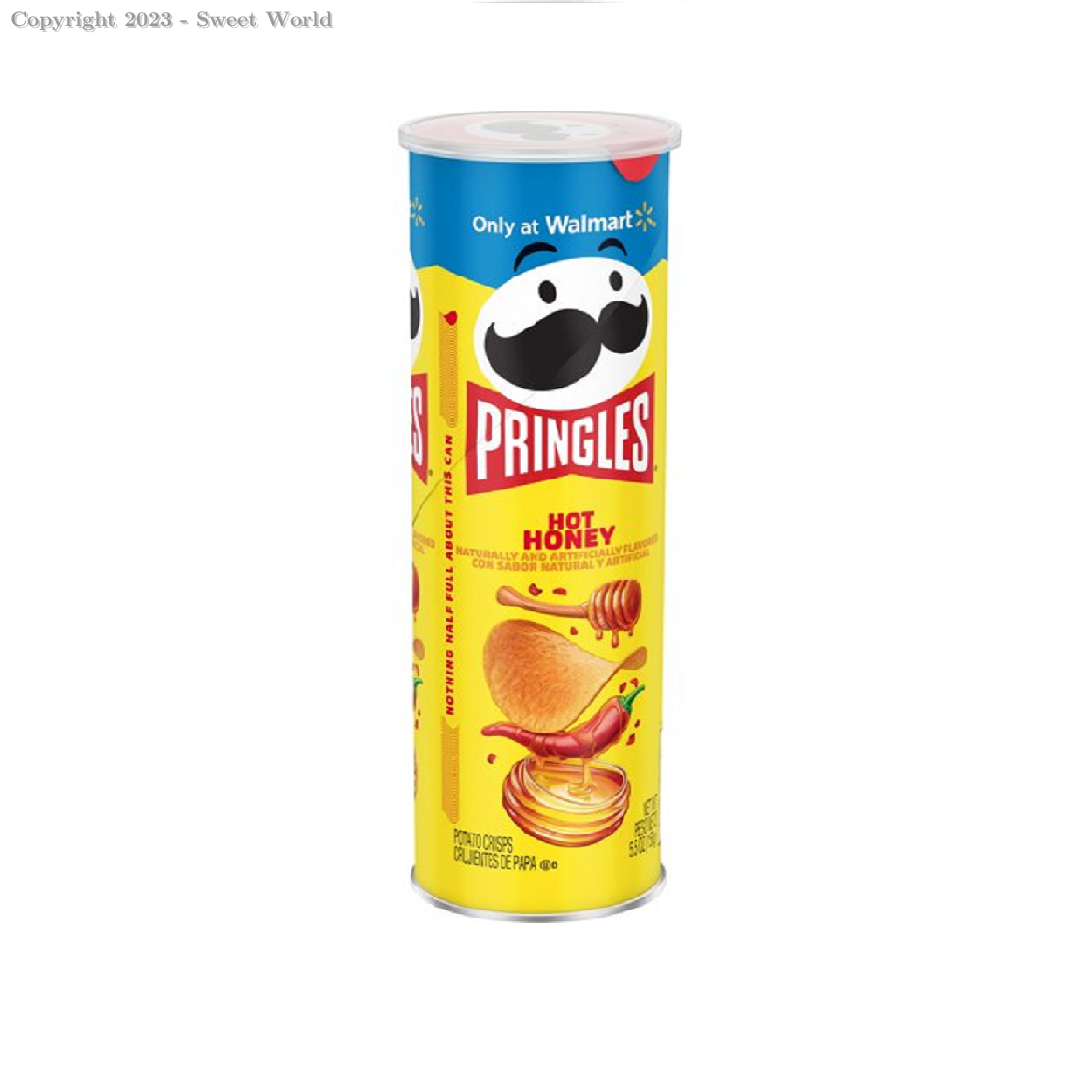
Pringles Potato Crisps Chips, Hot Honey 5.5 Oz
Analysis by Aurascan. The app shows the full breakdown and its sources.
Friendly's
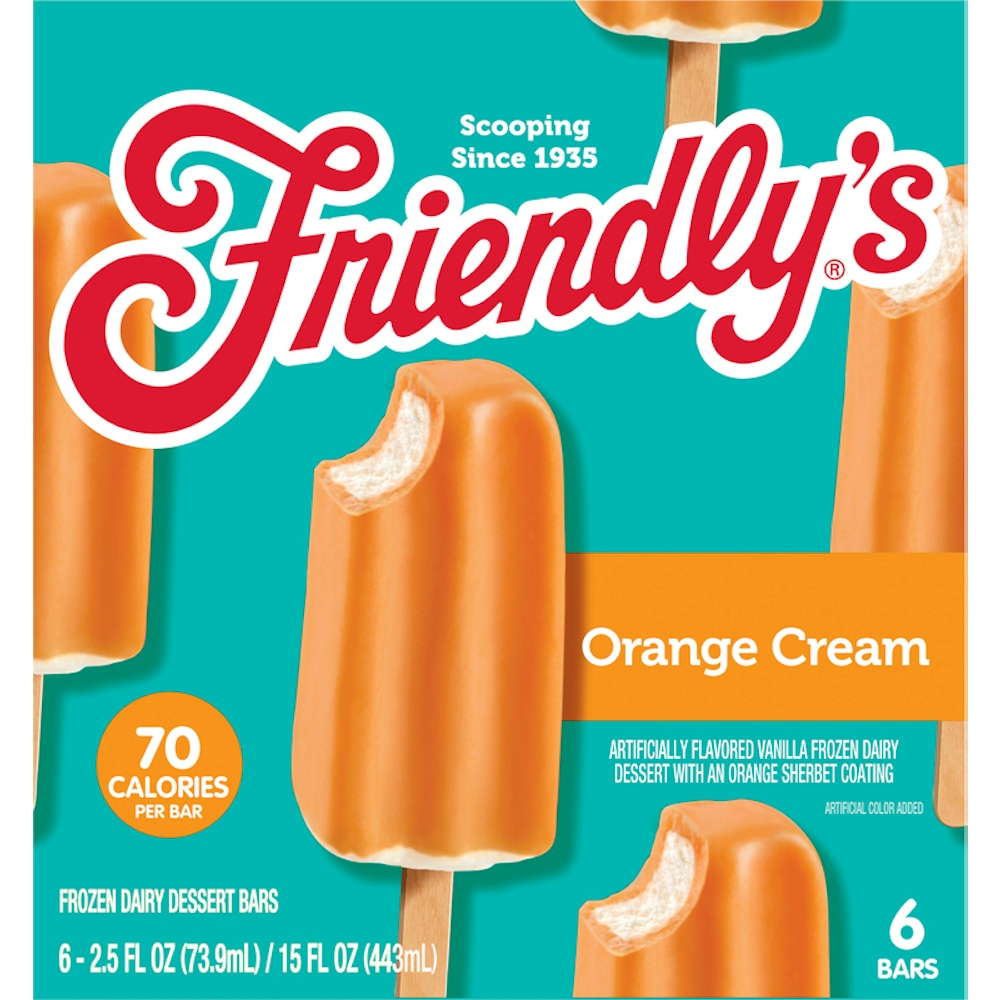
Friendly's Ice Cream Bars, Orange Creme
Analysis by Aurascan. The app shows the full breakdown and its sources.
Nature's Bakery
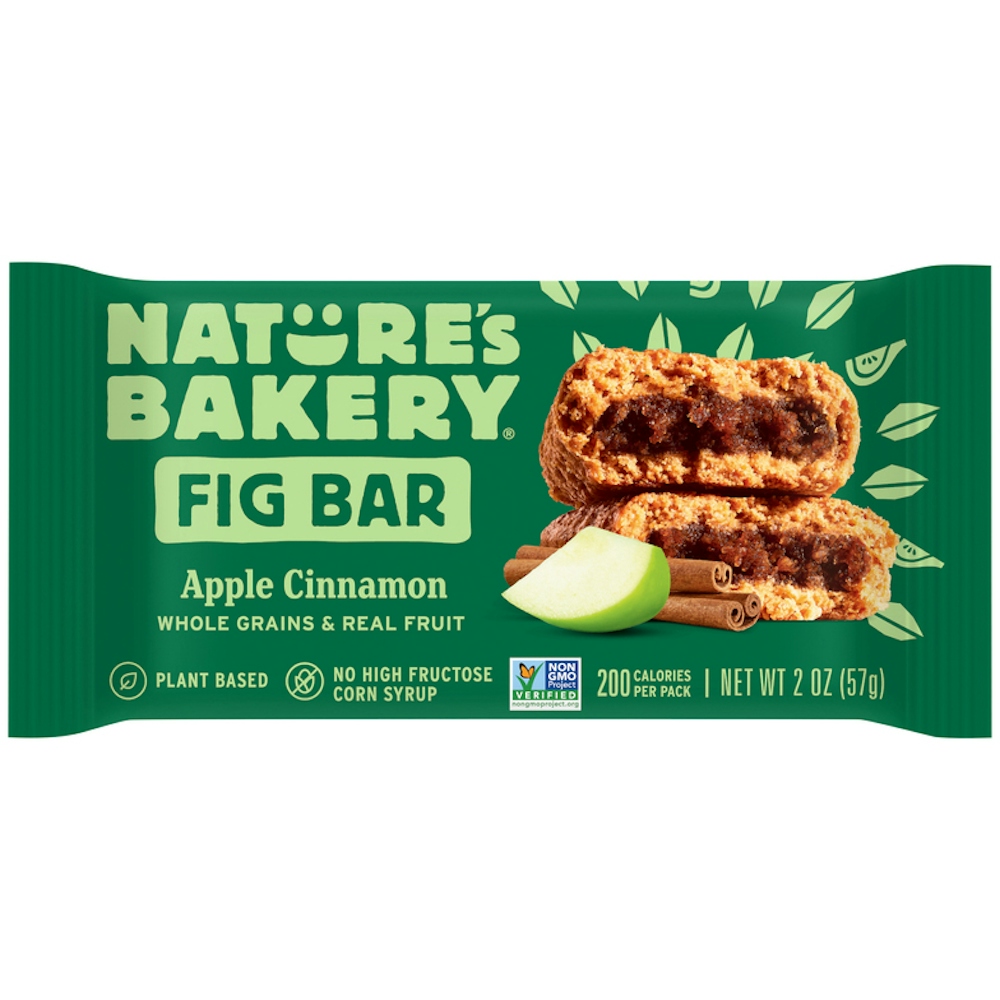
Nature's Bakery Whole Wheat Apple Cinnamon Fig Bar
Analysis by Aurascan. The app shows the full breakdown and its sources.
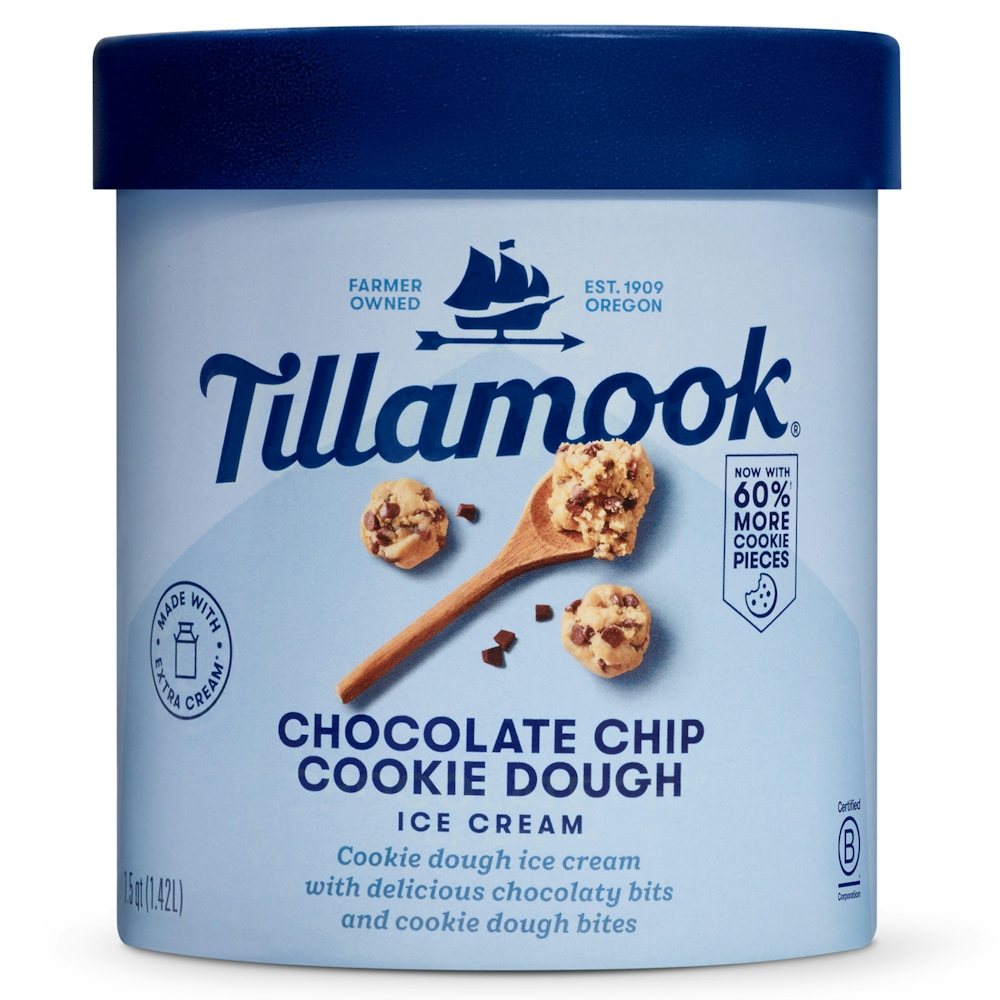
Tillamook
Tillamook Ice Cream, Chocolate Chip Cookie Dough
Analysis by Aurascan. The app shows the full breakdown and its sources.
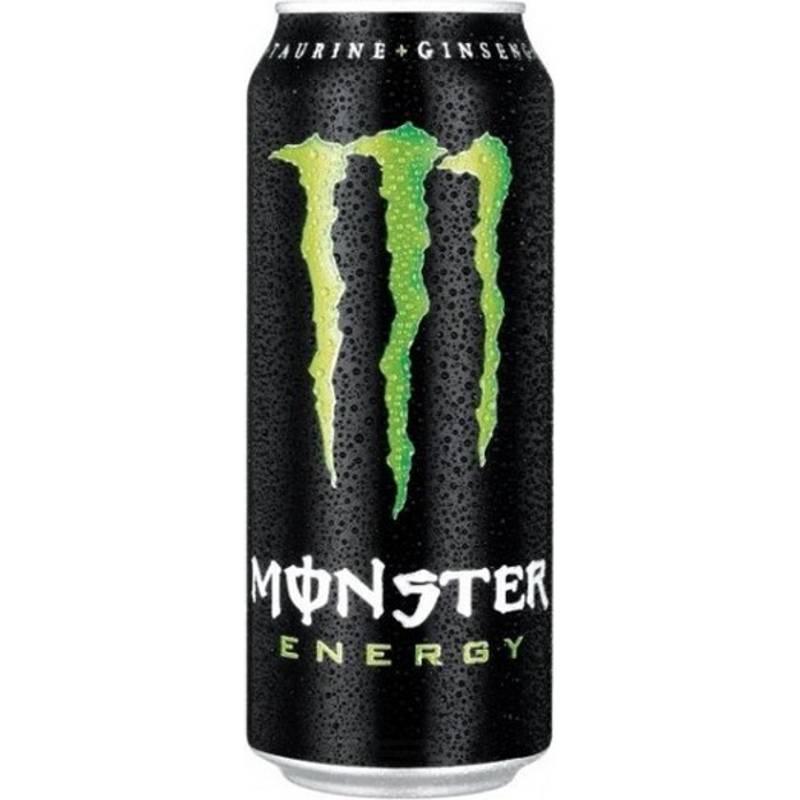
Monster
Monster Energy Drink Green 16 Oz Can
Analysis by Aurascan. The app shows the full breakdown and its sources.
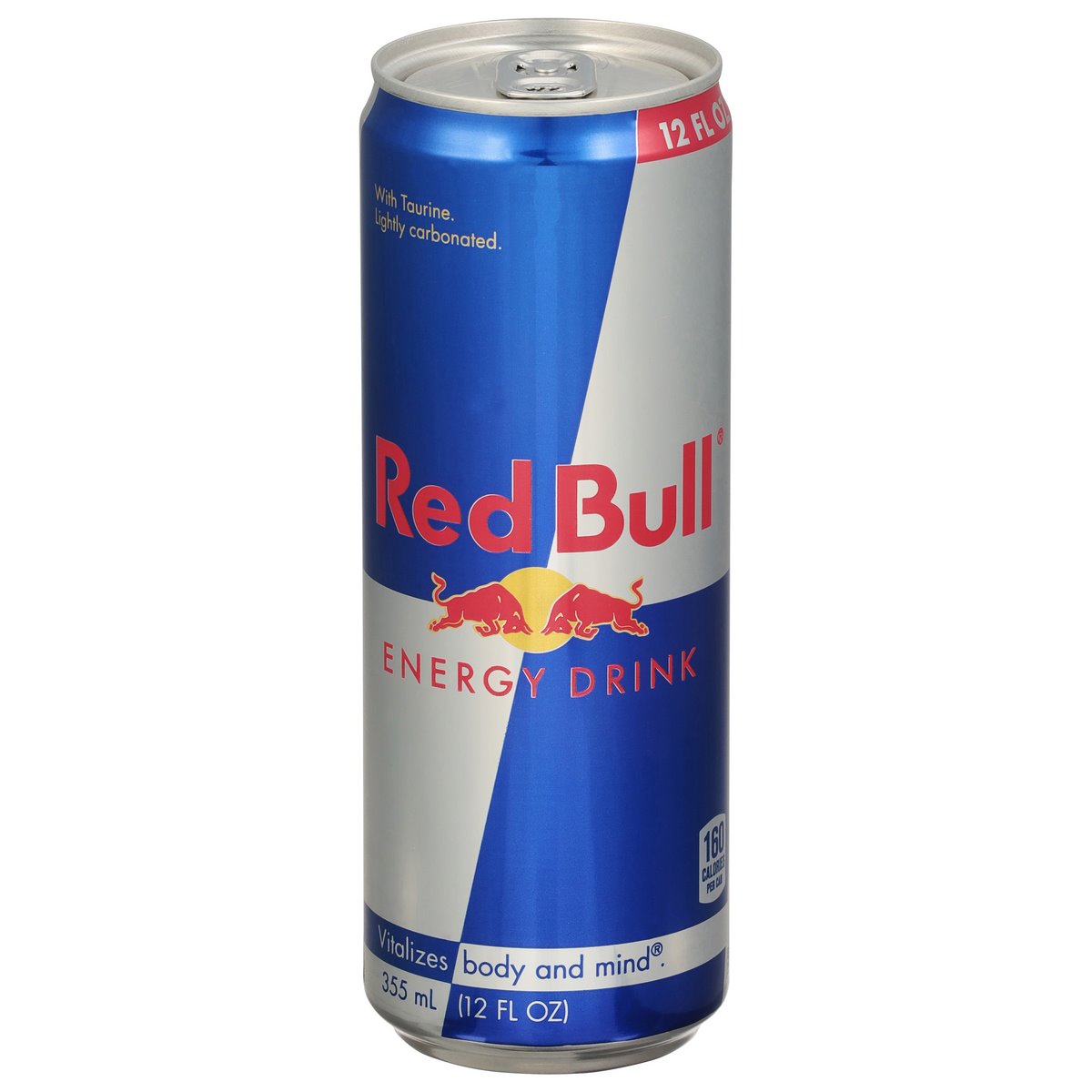
Red Bull
Red Bull Energy Drink 12 Fl Oz Can
Analysis by Aurascan. The app shows the full breakdown and its sources.
1. Pringles Hot Honey: 4 Sweetener Names in a Savory Snack
Pringles Hot Honey crisps present a clear example of multiple caloric sweeteners appearing in a savory, spiced snack. According to Open Food Facts record 038000276453, the ingredient list reads:
"DRIED POTATOES, VEGETABLE OIL (CORN, COTTONSEED, HIGH OLEIC SOYBEAN, AND/OR SUNFLOWER), DEGERMINATED YELLOW CORN FLOUR, CORNSTARCH, RICE FLOUR, SUGAR, MALTODEXTRIN, MONO-AND DIGLYCERIDES CONTAINS 2% OR LESS OF SALT, FRUCTOSE, HONEY, MOLASSES, CAYENNE PEPPER SAUCE (AGED CAYENNE RED PEPPERS, VINEGAR SOLIDS, SALT, GARLIC POWDER), SPICES, NATURAL FLAVOR, WHEY, PAPRIKA EXTRACT COLOR, WHEAT STARCH. CONTAINS MILK AND WHEAT INGREDIENTS."
In this formulation, four distinct caloric sweeteners are present: sugar in the primary ingredient list, followed by fructose, honey, and molasses grouped in the "contains 2% or less" section. Under 21 CFR 101.4(a)(2), ingredients present at 2 percent or less may be listed in any order after an appropriate header. While the product also contains maltodextrin, maltodextrin is not counted as a sugar name here (for more on this carbohydrate, see our explainer Is Maltodextrin Bad for You? Blood Sugar, Gluten, and Labels).
Per Open Food Facts, a 28 g serving (about 14 crisps) provides 150 calories, 2 g of total sugars, and 1 g of added sugars. Even though the absolute amount of sugar per serving is modest, four separate sweetener terms are used across the label.
2. Friendly's Orange Cream Ice Cream Bars: 3 Sweeteners and 15g Added Sugar
Friendly's Orange Cream Ice Cream Bars (Open Food Facts 029839100170) state the following ingredients:
"Milk, sugar, water, cream, corn syrup, skim milk solids, high fructose corn syrup, whey, orange pulp, natural flavors, concentrated orange juice, vanilla extract, citric acid, guar gum, mono and diglycerides, carob bean gum, cellulose gum, carrageenan, pectin, yellow 6."
This label contains three distinct sugar ingredients:
- Sugar (listed as the 2nd ingredient)
- Corn syrup (listed as the 5th ingredient)
- High fructose corn syrup (listed as the 7th ingredient)
The recipe also contains concentrated orange juice. Whether that juice concentrate counts toward added sugars depends on federal juice concentration rules, so it is excluded from our sweetener count. Based on Open Food Facts data per 100 g, these bars contain 19 g of total sugars and 15 g of added sugars. Instead of relying on a single bulk sweetener, the deck features three caloric sweeteners distributed through the top seven entries.
3. Nature's Bakery Whole Wheat Fig Bar: 3 Sugar Forms and 14g Added Sugar
Snack bars built on whole grains and fruit can still list several sugars. Nature's Bakery Whole Wheat Apple Cinnamon Fig Bar (Open Food Facts 047495112559) provides an instructive ingredient deck:
"Whole Wheat Flour, Cane Sugar, Fig Paste, Brown Rice Syrup, Apple Jam (Cane Sugar, Naturally Milled Sugar, Rice Starch, Apple Powder, Evaporated Apples, Glycerin, Natural Flavor, Pectin, Citric Acid, Cinnamon, Locust Bean Gum), Canola Oil, Whole Grain Oats, Glycerin, Fruit Juice (for color), Sea Salt, Natural Flavor, Citric Acid, Baking Soda."
Across this deck, three distinct sugar names appear:
- Cane sugar (present as the 2nd ingredient, and recurring inside the apple jam composite)
- Brown rice syrup (the 4th ingredient)
- Naturally milled sugar (declared inside the apple jam sub-list)
Whole fruit ingredients like fig paste and evaporated apples are also present. Per Open Food Facts, a single 57 g bar provides 200 calories, 19 g of total sugars, and 14 g of added sugars. That 14 g of added sugar represents 28% of the standard 50 g Daily Value in a single bar.
Quiz
Friendly's Orange Cream bars and the Nature's Bakery fig bar each list three sugar names. Which would you pick?
Guess before you scroll.
Reveal Aurascan's verdict
Aurascan says: It's a tie
4. Tillamook Cookie Dough Ice Cream: Split Sugar Entries Reaching 22g Added Sugar
The Open Food Facts entry for Tillamook Chocolate Chip Cookie Dough Ice Cream (barcode 072830081115) displays the following ingredients:
"cream, skim milk, sugar, milk, brown egg yolks, butter, cocoa (processed with alkali), sugar, wheat flour, water, coconut oil, pasteurized molasses, soybean oil, eggs, unsweetened chocolate, vanilla extract, enriched flour, ..." (shortened; the rest of the list includes salt, tara gum, soy lecithin, cocoa butter and natural flavor)
In this list, sugar appears twice (3rd and 8th), along with pasteurized molasses: two distinct sugar names across three list positions. The Open Food Facts entry is scanned text with a few garbled words, so check the current package for exact wording.
Per Open Food Facts, a 95 g serving (2/3 cup) contains 240 calories, 26 g of total sugars, and 22 g of added sugars. That single serving provides 44% of the 50 g Daily Value for added sugars. Häagen-Dazs Vanilla Bean, by contrast, lists a single sweetener: cane sugar.
5. Monster Energy: Dual Sugars Driving Heavy Added Sugar Loads
A 16 fl oz can of Monster Energy Green (Open Food Facts 070847811169) lists:
"carbonated water, sugar, glucose, citric acid, natural flavors, taurine, sodium citrate, color added, panax ginseng extract, l-carnitine l-tartrate, caffeine, sorbic acid (preservative), benzoic acid (preservative), niacinamide (vit, b3), sucralose, salt, d-glucuronolactone, inositol, guarana extract, ..." (shortened)
This formulation features two distinct caloric sugars:
- Sugar (the 2nd ingredient)
- Glucose (the 3rd ingredient)
In addition to these sugars, Monster adds sucralose, a non-nutritive sweetener; we covered a new review of sucralose and gut bacteria separately.
Per Open Food Facts, the 16 fl oz can has 230 calories, 54 g of sugars, and 54 g of added sugars. A single container delivers 108% of the 50 g Daily Value for added sugars. The WHO notes that a single can of sugar-sweetened soda contains up to 40 grams of free sugars; this 16 fl oz can lists 54 g of added sugars.
6. Red Bull Energy Drink: Classic Sugar-Glucose Combination
Red Bull Energy Drink (12 fl oz, Open Food Facts 611269818994) lists two sugars. Its ingredient list states:
"carbonated water, sucrose, glucose, citric acid, taurine, sodium bicarbonate, magnesium carbonate, caffeine, niacinamide, calcium pantothenate, pyridoxine hcl, vitamin b12, natural and artificial flavors, colors"
The two distinct sugars identified are:
- Sucrose (the 2nd ingredient, standard table sugar)
- Glucose (the 3rd ingredient, a simple monosaccharide)
Per Open Food Facts, this 12 fl oz can has 160 calories, 38 g of sugars, and 38 g of added sugars (76% of the 50 g Daily Value). Only two sweetener names, but 38 g of added sugars in one can.
How to Use This List to Decode Grocery Labels
Understanding how sweeteners are declared gives you the ability to evaluate packaged goods quickly. Follow this checklist when reading retail packages:
- Scan the top five ingredients: Notice if multiple forms of caloric sweetener appear early in the deck.
- Look for compound sub-ingredients: Fillings, fruit jams, and inclusions (like cookie dough) frequently contain their own separate sugar lines.
- Check the "Contains 2% or less" section: Savory items often place honey, molasses, or fructose after this marker.
- Always verify the "Includes Added Sugars" line: The ingredient deck shows order of predominance, but only the gram count discloses the total load.
- Compare against your daily targets: A single product containing 22 g or 54 g of added sugar can rapidly exhaust your recommended intake.
Evidence limitations: Ingredient statements only show descending order of predominance by weight; exact gram amounts for each individual sweetener are not disclosed on product packaging. Manufacturers do not state on their labels why they use each sweetener, and current packages may differ from the Open Food Facts entries used here.
To see every sugar name on a label you're holding, scan it with the free Aurascan app, which explains each ingredient one by one with cited evidence.
Try Aurascan
See what is really in the food you buy.
Quiz
Pringles Hot Honey lists sugar, fructose, honey and molasses, with 1 g added sugars per serving. Keep or pass?
Guess before you scroll.
Reveal Aurascan's verdict
Aurascan says: Flagged
The main flag is Dried Potatoes.
Common questions
- What is sugar splitting on food labels?
- Sugar splitting refers to the presence of multiple distinct caloric sweeteners (such as sugar, corn syrup, molasses, or fructose) in a single product. Because FDA regulations require ingredients to be listed in descending order by weight, having multiple separate sweetener ingredients means each individual sweetener weighs less and appears further down the ingredient deck than a single combined sweetener would.
- Where can I find the true amount of sugar in a product?
- The most reliable place to check is the Nutrition Facts panel under 'Total Carbohydrate', specifically the line that reads 'Includes X g Added Sugars'. This line shows the total weight of all added caloric sweeteners combined, regardless of how many separate names appear in the ingredient deck.
- What is the recommended daily limit for added sugars?
- The FDA Daily Value for added sugars is 50 grams per day based on a 2,000-calorie diet (10% of total calories). The World Health Organization recommends keeping free sugars below 10% of total calories, noting that a further reduction below 5% (about 25 grams) offers additional health benefits.
- Are fruit concentrates considered added sugars?
- Under FDA labeling regulations (21 CFR 101.9), sugars from concentrated fruit or vegetable juices that are in excess of what would be expected from the same volume of 100 percent juice are classified and declared as added sugars.
- Does maltodextrin count as an added sugar on the label?
- The FDA texts cited here do not address how maltodextrin is treated on the Added Sugars line, so this roundup does not count it as a sugar name. The Added Sugars line on the package gives the combined total either way.
- Why do products use multiple types of sugar instead of just one?
- The brands in this roundup do not say. An ingredient list only shows each sweetener's position by weight, not why it was chosen or how much of it there is.
Sources
In this series
Guide
Sweeteners in Urine and Breast Cancer: What a New Study FoundGuide
Sucralose and Gut Bacteria: New Review of 10 Human TrialsGuide
Does Stevia Spike Insulin? New Trials and an EFSA Reb M OpinionGuide
Sorbitol: Why "Sugar-Free" Can Upset Your StomachGuide
Erythritol and Heart Risk: Blood Levels Fell and Risk Scores ImprovedGuide
Allulose 'Zero Sugar' Lawsuits Spread to KIND, Liquid Death, David
Related guides
Comparisons
Barebells vs Ryse Loaded Protein: Two Sucralose Labels ComparedBoth use sucralose. Barebells adds maltitol and polydextrose; Ryse adds ace-K, agave inulin and a carrageenan gum blend. What FDA and EFSA say.
Latest News
Cyclamate Worsened Colitis in Mice, New Study ReportsA mouse study found the sweetener sodium cyclamate made chemically induced colitis worse. Cyclamate is banned in US food but used in many other countries.
Latest News
Acesulfame K at High Doses Disrupts Zebrafish LarvaeA zebrafish study tied very high acesulfame K (ace-K) doses to developmental and movement changes in larvae; the authors say it is hazard data, not a risk estimate.
Try it on your own groceries
Scan your next label with Aurascan
Point the camera at any ingredient list and get the same evidence-graded read you see here.
Open the scannerGet food recall alerts + a weekly digest
An email when a food recall is announced, plus one weekly roundup of label news and new guides.
We email a confirmation link first - nothing is sent until you click it. Unsubscribe anytime. Privacy