5 High-Protein Products Scanned: Fage to Barebells
Fage 0% yogurt, Core Power shake, Ryse protein powder, Barebells and KIND bars, scanned: carrageenan, maltitol, sucralose, acesulfame K and gums explained.
ListicleCluster: Protein Snacks5 high-protein products scanned: fage, core power, ryse, barebells and kind
9/14/2026 · 7 min read · Chris Carrillo · Reviewed by Armin Rad, Co-Founder & CTO, Aurascan · Last reviewed 9/14/2026
Written by Chris Carrillo. Reviewed by Armin Rad, Co-Founder & CTO, Aurascan. It cites 5 sources; use the source list and methodology to check the evidence directly.
High-protein products range from minimal two-ingredient whole dairy to heavily engineered snacks containing artificial sweeteners, thickeners, and sugar alcohols. Scanning ingredient panels reveals that protein density often comes with additives like carrageenan, maltitol, sucralose, and acesulfame potassium, which affect individuals differently based on digestive tolerance.
Key takeaways:
Not all high-protein foods rely on additives; whole-food dairy like Fage contains only skim milk and live active cultures with the protein declared on its panel.
Ready-to-drink shakes and protein powders frequently use stabilizers like carrageenan and cellulose gum alongside zero-calorie sweeteners such as sucralose and acesulfame potassium.
Protein bars often swap conventional sugars for sugar alcohols like maltitol or structured fats like palm kernel oil, which can trigger digestive discomfort in sensitive individuals.
FDA and EFSA statuses for the additives on these five labels are unchanged as of mid-September 2026, so individual tolerance is the deciding factor.
How Do We Evaluate Packaged Protein Labels?
When evaluating high-protein packaged items, shoppers often look exclusively at the front-of-package protein number. However, the ingredient list reveals how that protein is delivered, structured, and preserved. To assess these popular options, we evaluated ingredient simplicity, the presence of functional thickeners, the types of non-nutritive sweeteners used, and standard regulatory classifications.
Food additives like emulsifiers, texturizers, and high-intensity sweeteners are widely utilized across the sports nutrition industry to improve shelf life, mouthfeel, and sweetness without adding extra carbohydrate calories. Guidelines outlined by the UC Davis Nutrition sheet emphasize looking at total nutrient density rather than isolated protein numbers alone. As of mid-September 2026, no regulatory bans, product-specific restrictions, or formal safety actions have been enacted by governing bodies such as the U.S. Food and Drug Administration (FDA) or the European Food Safety Authority (EFSA) regarding these commercial high-protein formulations.
Understanding your own tolerance requires looking past the protein grams and reading the fine print. You can see similar sweetener and additive dynamics in our breakdown of Monster vs Red Bull: Caffeine, Sweeteners and Preservatives. Below, we analyze five distinct protein products across yogurt, ready-to-drink shakes, supplement powders, and snack bars.
5 protein products, scanned
Fage
Fage Total All Natural Nonfat Plain Greek Strained Yogurt, 32 Oz
Analysis by Aurascan. Sources are listed on the product page.
1. Is Fage Total 0% the Cleanest Dairy Protein Source?
Fage Total 0% Plain Greek Yogurt serves as a clean benchmark for whole-food protein sources. Its ingredient list is exceptionally short: Grade A pasteurized skim milk and live active yogurt cultures (L. Bulgaricus, S. Thermophilus, L. Acidophilus, Bifidus, L. Casei). There are no added thickeners, stabilizers, or artificial flavor systems.
The protein concentration in traditional Greek yogurt is achieved through mechanical straining, which separates liquid whey from the solid curds to concentrate protein; the container declares the exact protein and natural milk-sugar figures. Because it relies entirely on the natural protein matrix of milk, it contains zero non-nutritive sweeteners or synthetic gums. Clinical evaluations cataloged on PubMed / National Institutes of Health demonstrate the high biological value and muscle protein synthesis efficacy of intact dairy proteins. This makes it an ideal option for consumers who experience digestive sensitivity when consuming industrial emulsifiers or sugar substitutes.
What to look for on the label:
Check that the ingredient deck contains only milk and active cultures.
Avoid flavored varieties if you want to skip added cane sugar, natural flavors, or pectin.
Refer to the Nutrition Facts panel for precise caloric and natural dairy sugar amounts.
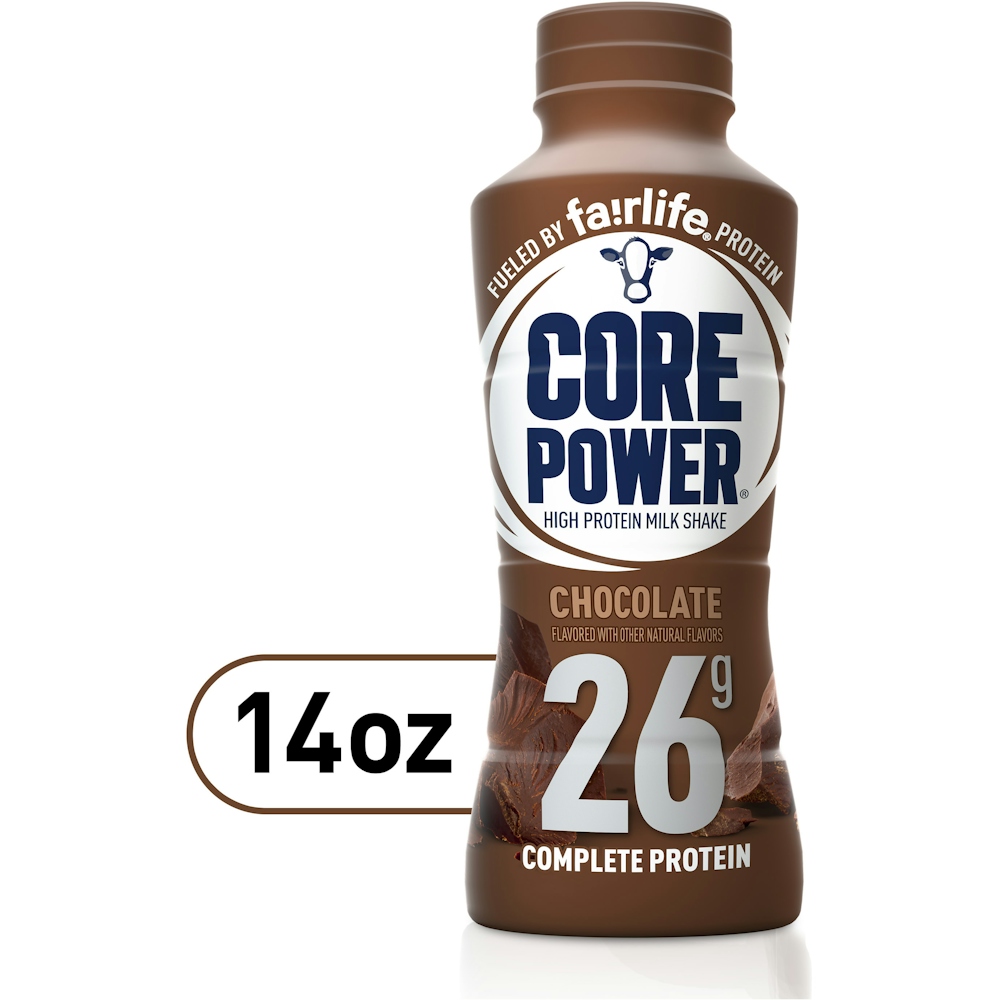
2. Does Fairlife Core Power Rely on Stabilizers and Non-Nutritive Sweeteners?
Fairlife Core Power Chocolate is a shelf-stable ready-to-drink shake built on ultra-filtered milk, with the protein content declared on the 14-fluid-ounce bottle. To achieve a rich chocolate texture that does not separate over time, the formula integrates a complex stabilization system including carrageenan, cellulose gel, and cellulose gum, sweetened with a blend of stevia leaf extract and sucralose alongside natural flavors.
Carrageenan, derived from red seaweed, is widely permitted by regulators to keep dairy proteins suspended evenly (see is carrageenan safe?). However, some consumers report mild gastrointestinal sensitivity to isolated gums and carrageenan. Cellulose gel and gum provide viscosity, mimicking full-fat milk mouthfeel without adding dairy fat.
What to look for on the label:
Carrageenan and cellulose derivatives if you have sensitive digestion.
The dual sweetener combination of stevia leaf extract and sucralose.
Consult the Nutrition Facts panel on the bottle for exact protein and sodium values.
Is Fage Total 0% Greek yogurt clean?
Guess before you scroll.
Reveal Aurascan's verdict
Aurascan says: Mixed
The main flag is Grade A Pasteurized Skimmed Milk.
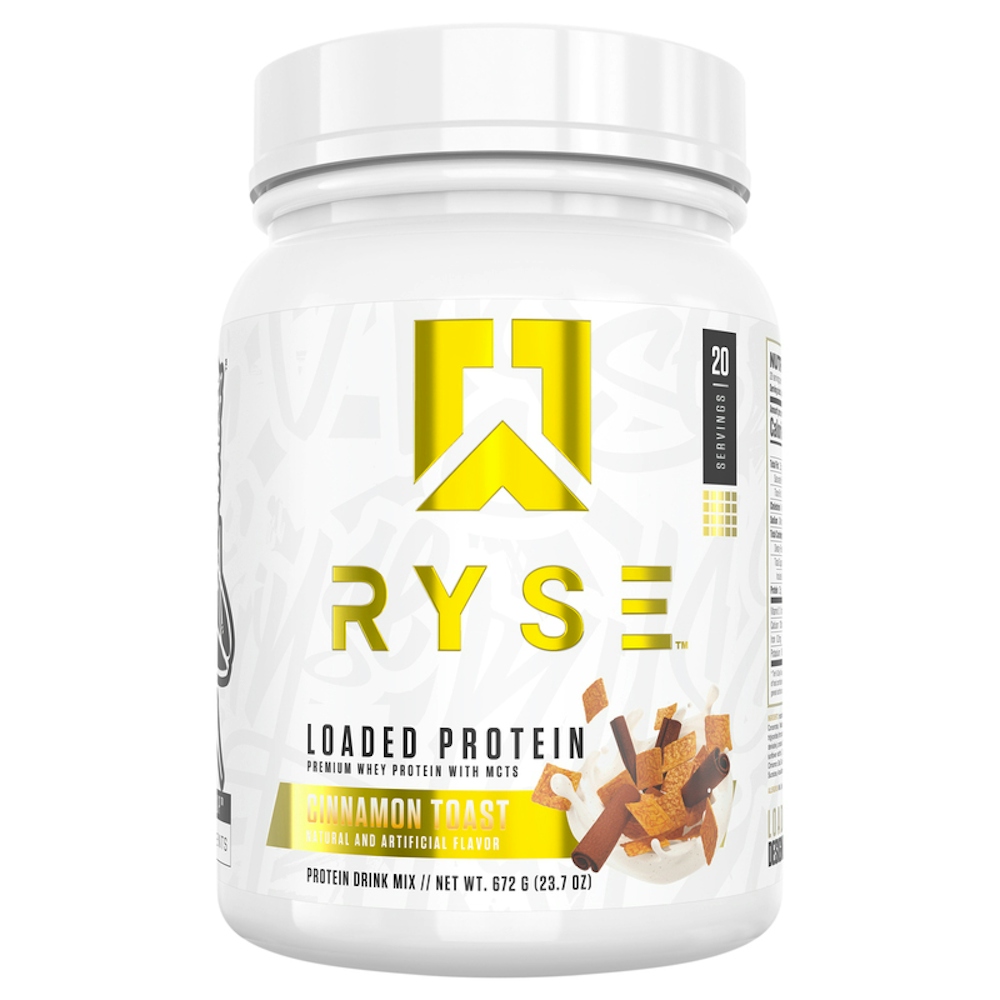
3. How Clean Is Ryse Loaded Protein Powder?
Ryse Loaded Protein Cinnamon Toast Powder relies on a blend of instantized whey protein isolate and whey protein concentrate, with the per-scoop protein declared on the tub. To mimic cereal milk flavor and ensure uniform mixability, the formulation adds natural and artificial flavors, sodium chloride, sucralose, acesulfame potassium, and hydrocolloid gums.
The inclusion of both sucralose and acesulfame potassium (Ace-K) is standard in powdered sports supplements. These high-intensity sweeteners provide sustained sweetness without carbohydrates, measuring several hundred times sweeter than sucrose. Both are approved by regulators within established acceptable daily intake levels, though some consumers prefer to avoid artificial blends. Gums are included to prevent the powder from settling rapidly when mixed with cold water or milk. For the sweeteners themselves, see is sucralose safe? and is acesulfame potassium safe?.
What to look for on the label:
The blend type: whey isolate vs. whey concentrate, which matters for lactose-sensitive users.
High-intensity sweeteners like sucralose and acesulfame potassium.
Refer directly to the canister label for scoop sizing and detailed micronutrient figures.
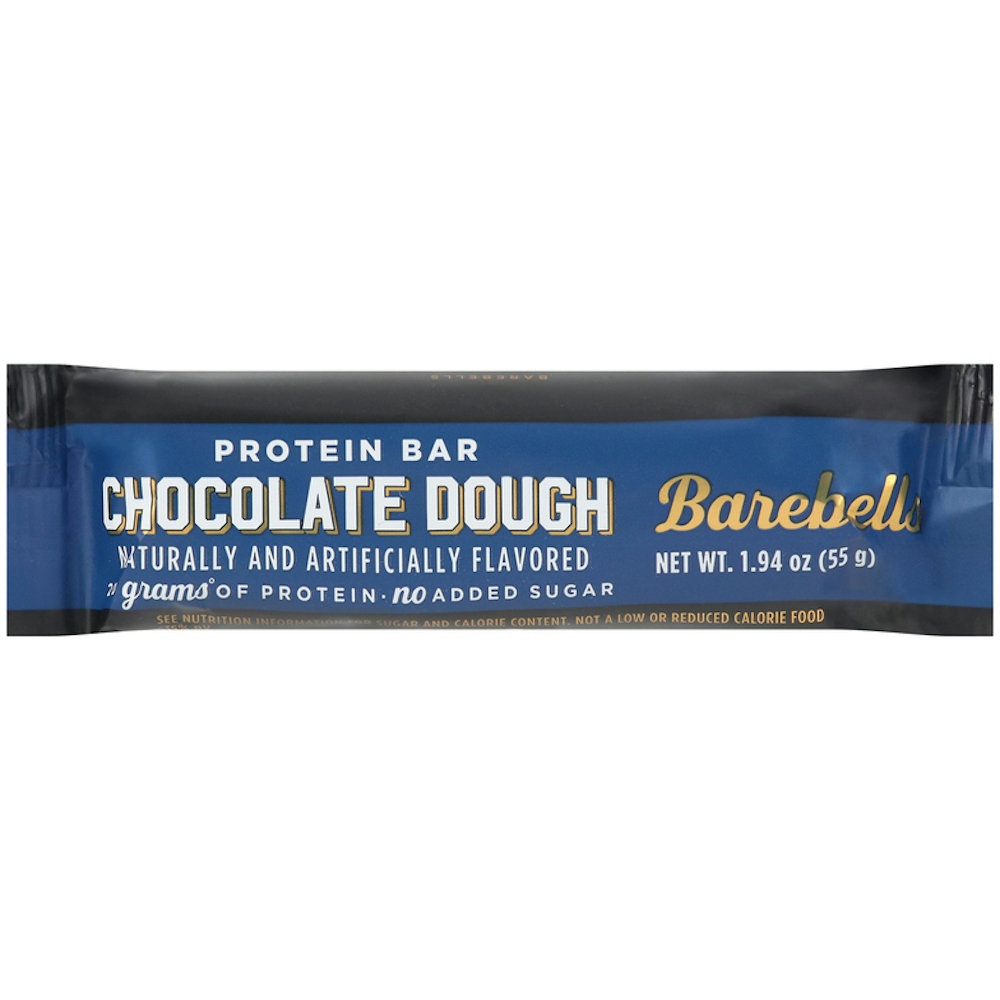
4. What Ingredients Form Barebells Chocolate Dough Protein Bars?
Barebells Chocolate Dough Protein Bar delivers its protein in a 55-gram confectionery format using milk and whey proteins. To keep declared sugar to about a gram while maintaining a soft, chewable texture, the bar utilizes maltitol syrup, polydextrose, and sucralose.
Maltitol is a sugar alcohol (polyol) that provides bulk and sweetness with fewer calories than sucrose. However, polyols are not fully absorbed in the small intestine, meaning they ferment in the colon and can cause bloating, gas, or a laxative effect when consumed in significant quantities. Polydextrose acts as a soluble dietary fiber and bulking agent to create a dense candy-bar consistency without adding simple sugars. General dietary guidelines from the American Heart Association recommend assessing overall saturated fat, fiber, and sodium alongside isolated protein values.
What to look for on the label:
Sugar alcohols listed under total carbohydrates, specifically maltitol.
Soluble fibers such as polydextrose that contribute to the total fiber count.
Check the official packaging wrapper for total fat, carbohydrate, and protein content.
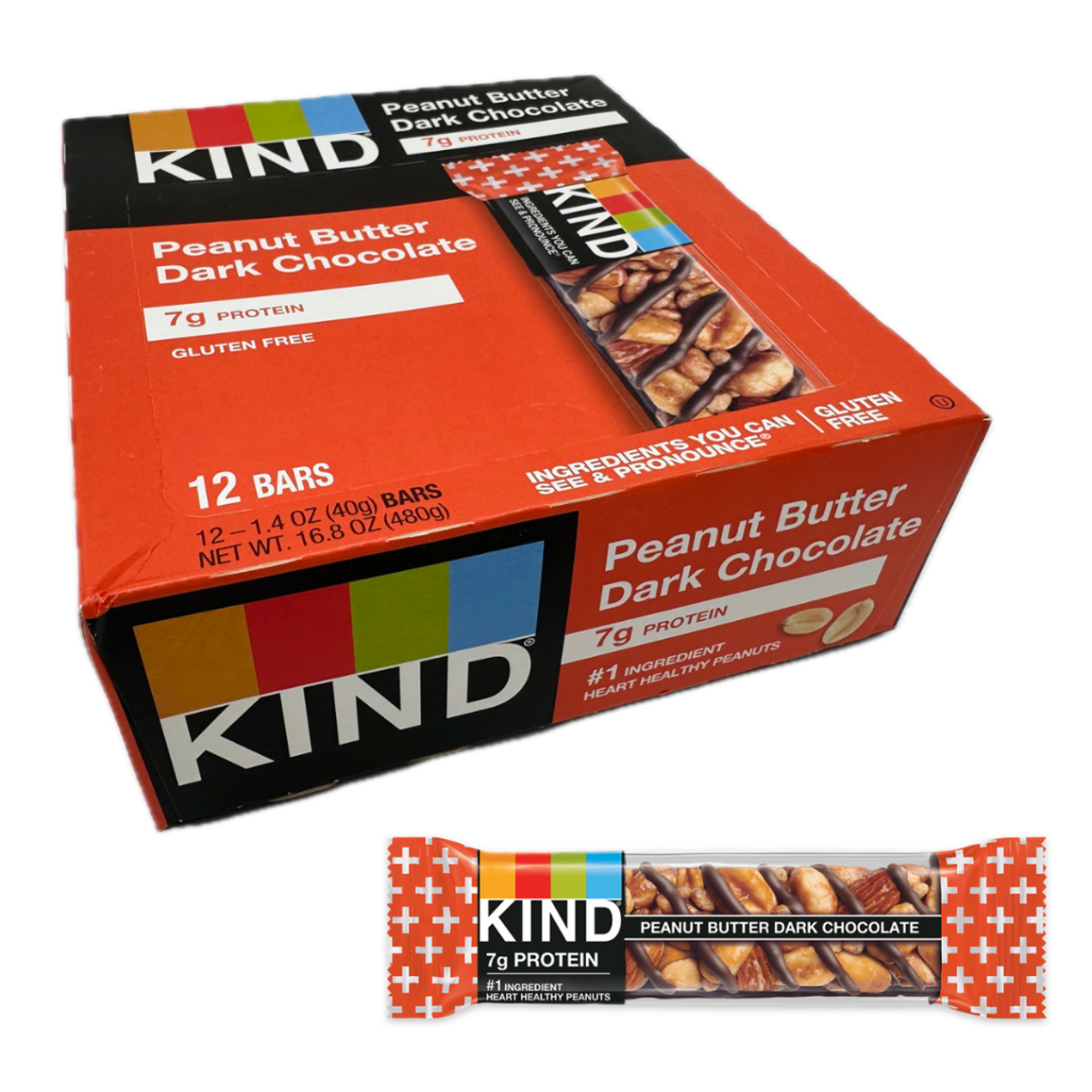
5. How Does KIND Peanut Butter Dark Chocolate Compare on Whole Foods?
KIND Peanut Butter Dark Chocolate Plus Protein Bar takes an intermediate approach between whole foods and engineered isolates, with the protein declared on the 50-gram wrapper. The primary protein contributor is whole peanuts, paired with soy protein isolate. The binding and coating system includes sugar, palm kernel oil, cocoa powder, and soy lecithin as an emulsifier.
Unlike bars relying on polyols, KIND uses conventional sugars, so it avoids sugar-alcohol gastrointestinal distress but carries the added sugar declared on the panel. Palm kernel oil stabilizes the chocolate coating at room temperature and contributes most of the bar's saturated fat. Soy lecithin functions as an emulsifier to keep cocoa solids smoothly blended across the bar surface.
What to look for on the label:
Whole food bases like peanuts versus isolated soy protein.
Palm kernel oil within the chocolate coating.
Review the printed Nutrition Facts panel on the wrapper for total sugars and saturated fat.
How Can Consumers Best Use This High-Protein Label Guide?
When selecting a protein product, matching the ingredient deck to your personal digestive tolerance and dietary preferences is just as critical as hitting your daily protein target. Whole-food options like plain Greek yogurt offer pure nutrition without texturizers, while engineered bars and shakes offer portable convenience through stabilizers and non-nutritive sweeteners.
Scientific evidence cannot establish uniform individual tolerance, as gastrointestinal responses to sugar alcohols, hydrocolloid gums, and dairy isolates vary substantially among individual consumers. Research remains ongoing regarding long-term daily consumption of mixed artificial sweetener matrices. Always read complete ingredient decks rather than relying solely on front-of-package marketing.
Does plain Greek yogurt have fewer additives than protein bars?
Yes. Traditional plain Greek yogurt typically contains only skim milk and active live cultures, whereas most shelf-stable protein bars rely on emulsifiers, sugar alcohols, and texturizers to maintain moisture and flavor.
Why do ready-to-drink protein shakes contain carrageenan and gums?
Carrageenan, cellulose gum, and cellulose gel act as stabilizers and emulsifiers. They prevent the dairy proteins and cocoa particles from separating or settling during transit and storage, ensuring a uniform mouthfeel.
Can sugar alcohols like maltitol cause digestive issues?
Yes. Maltitol is a polyol that is only partially digested in the small intestine. When it reaches the large intestine, bacterial fermentation can lead to gas, bloating, and laxative effects in sensitive individuals.
Are artificial sweeteners like sucralose and acesulfame potassium safe?
Both sucralose and acesulfame potassium are authorized food additives approved by the FDA and EFSA within defined acceptable daily intake limits, though personal preferences and digestive tolerances differ.
What should lactose-sensitive individuals check on protein labels?
Lactose-sensitive shoppers should look for whey protein isolate or plant-based proteins rather than whey protein concentrate or whole milk solids, as isolates undergo extra filtration to remove most residual lactose.
How does Aurascan evaluate high-protein product labels?
Aurascan delivers transparent per-ingredient verdicts (Clean, Mixed, or Flagged) rather than a generic numeric score, cross-referencing ingredient data from Open Food Facts, the USDA, and barcode databases.
See what is in your label
Aurascan turns product labels into plain-English ingredient explanations and source-backed context.
Doritos, Pringles Hot Honey, Baked Lay's, Stacy's pita chips and SkinnyPop, scanned line by line: dyes, MSG, enriched flour, added sugar and one three-ingredient bag.
Diet Coke, Sprite, Fanta Orange, Fanta Pineapple and Fresca, label by label: which sweetener, acid, dye and preservative each one uses and what regulators say.