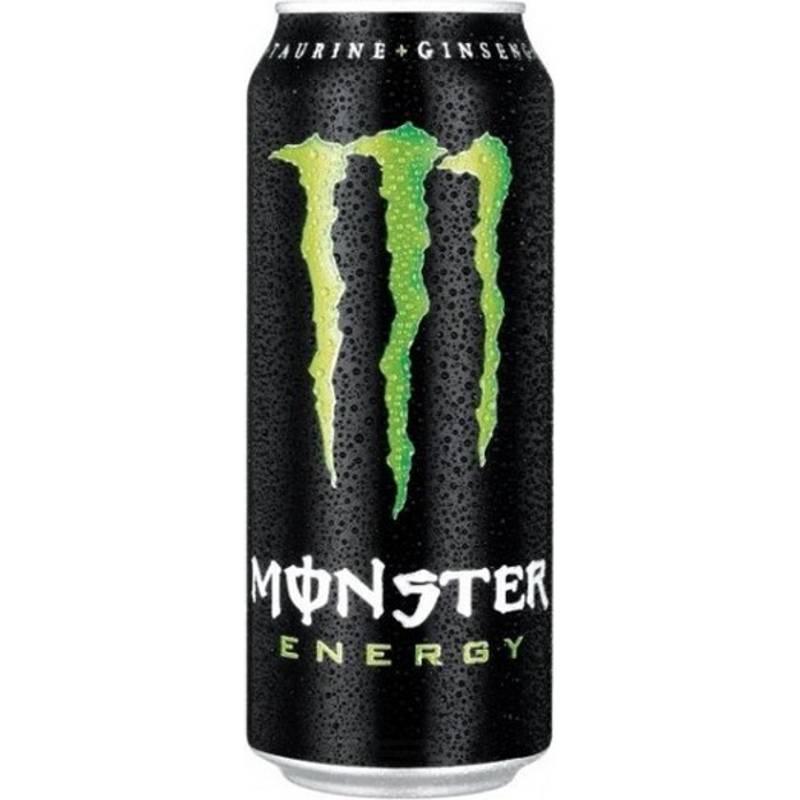
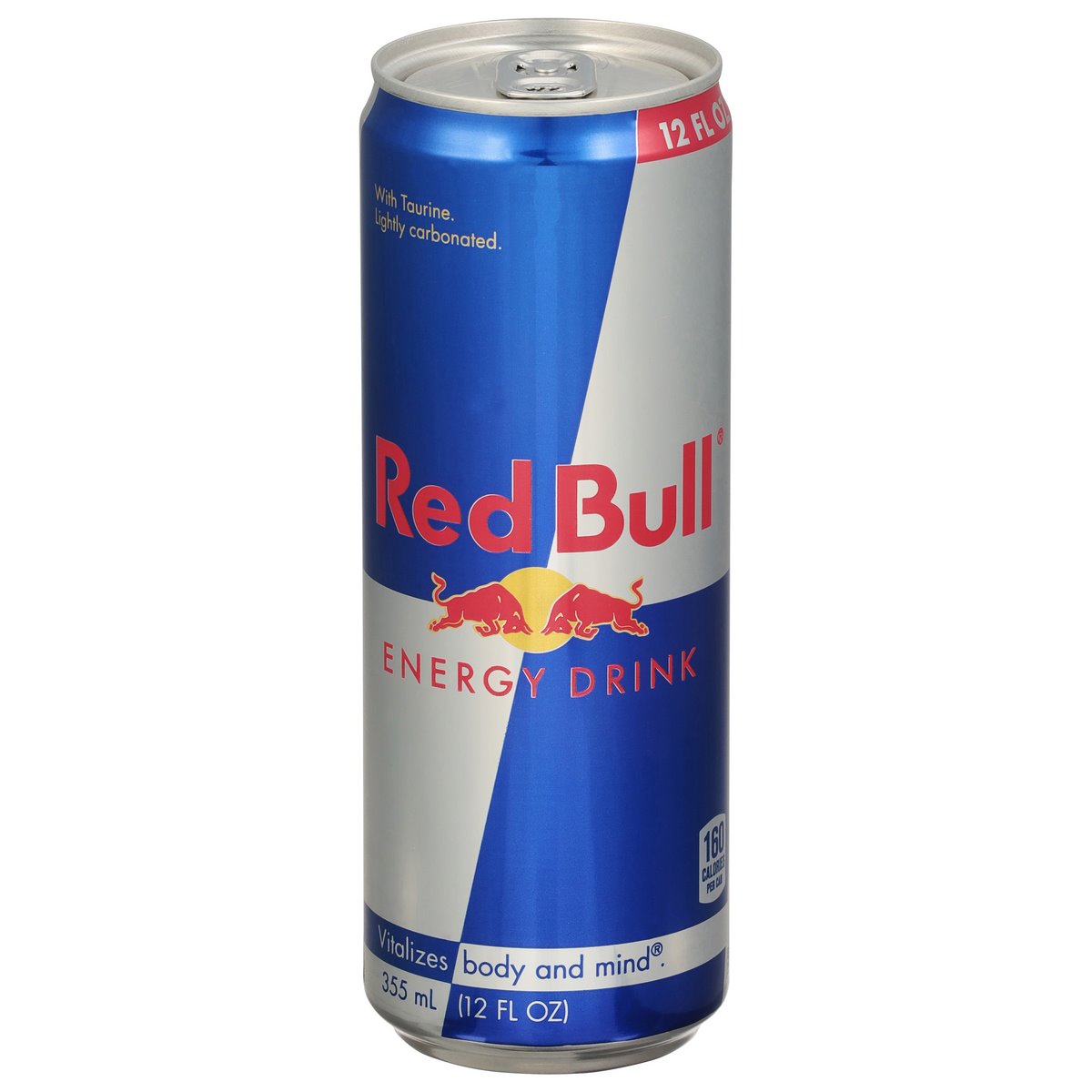
Monster vs Red Bull: Caffeine, Sweeteners and Preservatives
Monster Energy and Red Bull share taurine, B vitamins and caffeine, but only one lists preservatives and sucralose. A label-by-label comparison of the two cans.
ComparisonCluster: Energy Drinksmonster energy vs red bull: ingredients, caffeine and sweeteners compared
9/14/2026 · 8 min read · Chris Carrillo · Reviewed by Armin Rad, Co-Founder & CTO, Aurascan · Last reviewed 9/14/2026
Written by Chris Carrillo. Reviewed by Armin Rad, Co-Founder & CTO, Aurascan. It cites 6 sources; use the source list and methodology to check the evidence directly.
If you want a minimalist formula without chemical preservatives or artificial sweeteners, Red Bull is the cleaner choice, whereas Monster Energy delivers a larger 16-ounce volume with added botanical extracts, synthetic preservatives, and sucralose alongside sugar. Choose Red Bull for the shorter label or Monster for more caffeine per can; neither is a health drink.
While both rely on caffeine, taurine, and B-vitamins as their functional core, their sweetening systems, preservative strategies, and volume formats diverge significantly. Understanding these label differences helps you pick the right beverage for your caffeine tolerance, dietary preferences, and metabolic goals.
Key takeaways
Red Bull maintains a shorter ingredient list without chemical preservatives, relying strictly on simple sugars (sucrose and glucose) and citric acid.
Original green Monster Energy combines added sugars with the non-nutritive sweetener sucralose, alongside chemical preservatives like sorbic acid and benzoic acid.
Monster includes proprietary botanical stimulants such as Panax ginseng root extract and guarana seed extract, which are entirely absent from Red Bull.
Can size dictates actual exposure: a standard 16 fl oz Monster can delivers substantially more total caffeine and liquid volume than an 8.4 fl oz or 12 fl oz Red Bull.
A shorter label does not automatically guarantee safety: overall physiological and cardiovascular response depends heavily on total caffeine and sugar load.
Monster vs Red Bull: Which Energy Drink Has the Better Formula?
When comparing original green Monster Energy (standard 16 fl oz can) and classic Red Bull (standard 12 fl oz can), the choice comes down to formulation complexity versus serving size. Red Bull uses a classic European-style formulation: carbonated water, simple sugars, citric acid, taurine, sodium bicarbonate, magnesium carbonate, caffeine, colors, and B-group vitamins, as detailed in the official Red Bull Energy Drink Ingredients List. It contains no artificial sweeteners or synthetic chemical preservatives.
In contrast, Monster Energy utilizes an extended functional complex. Alongside carbonated water and simple sugars, Monster adds the high-intensity artificial sweetener sucralose, maltodextrin, Panax ginseng extract, L-carnitine L-tartrate, guarana extract, inositol, and two distinct preservatives: sorbic acid and benzoic acid, as cataloged in the Monster Energy Drink 16 oz Can Ingredients and Nutrition panel and independently verified on the Open Food Facts Monster Energy Drink Label Analysis.
However, consumers should recognize that a shorter ingredient deck does not inherently equate to overall health, superior nutritional value, or absolute safety. While Red Bull avoids synthetic preservatives and artificial sweeteners, a single can still delivers a substantial load of simple refined sugars and concentrated caffeine. Both beverages introduce significant cardiovascular and glycemic demands, meaning that fewer listed ingredients does not eliminate the physiological impact of consuming high-potency stimulants and concentrated carbohydrates.
Which can has the cleaner label: Monster or Red Bull?
Guess before you scroll.
Reveal Aurascan's verdict
Aurascan says: It's a tie
How Much Caffeine Is in Monster Energy vs Red Bull?
Caffeine delivers the primary stimulant effect in both beverages. However, their physical packaging designs create very different consumption experiences. Red Bull's 12 fl oz can states a declared caffeine content of 114 mg (amounting to approximately 9.5 mg of caffeine per fluid ounce, matching the 80 mg found in its 8.4 fl oz can). Monster Energy's standard 16 fl oz can declares approximately 160 mg of total caffeine per can (about 10 mg per fluid ounce).
While their caffeine concentration per ounce is nearly identical, drinking an entire standard can of Monster delivers roughly 40 percent more total caffeine in a single sitting due solely to package volume. Furthermore, Monster includes guarana seed extract in its proprietary blend. Guarana seeds naturally contain caffeine, which contributes to the beverage's total stimulant profile.
In 2026, regulatory scrutiny of high-caffeine ready-to-drink beverages has accelerated. According to the Scientific Opinion on the Safety of Caffeine, single doses of caffeine up to 200 mg and daily intakes up to 400 mg do not raise safety concerns for healthy adults. The UK has moved to restrict sales of high-caffeine energy drinks to under-16s, and the US FDA has put caffeine-content labeling guidance on its 2026 agenda. Learn more about upcoming regulatory changes in FDA Puts Caffeine Labeling on Its 2026 Agenda: What Cans Hide.
Analysis by Aurascan. Sources are listed on the product page.
What Sweeteners and Sugars Do Monster and Red Bull Use?
Both beverages rely on simple carbohydrates for rapid energy delivery, but their sweetening methodologies differ markedly. Red Bull sweetens its classic formula exclusively with sucrose (table sugar) and glucose derived from sugar beet. It contains no artificial, non-nutritive, or sugar-alcohol sweeteners in its regular recipe.
Monster Energy employs a dual-sweetening strategy. In addition to glucose and sucrose, Monster includes sucralose, a chlorinated high-intensity artificial sweetener that is roughly 600 times sweeter than sucrose. Monster pairs this with maltodextrin to modify mouthfeel. The addition of sucralose allows the beverage to achieve an intense sweet profile without driving total carbohydrate content even higher, though it means consumers looking to avoid artificial sweeteners cannot consume standard green Monster.
For exact sugar grams, total calories, and carbohydrate counts, consumers should always consult the specific Nutrition Facts panel on the physical can, as exact formulations can vary slightly across international markets. You can also explore how regulators assess sweetener salts in EFSA Clears the Aspartame-Acesulfame Salt (E 962).
Analysis by Aurascan. Sources are listed on the product page.
Are the Botanicals in Monster More Effective Than Red Bull?
Monster Energy distinguishes itself by formulating a multi-component "Energy Blend." The most prominent functional additions include:
Panax Ginseng Root Extract: A traditional adaptogenic botanical containing ginsenosides, studied for potential effects on mental alertness and physical fatigue.
Guarana Seed Extract (Paullinia cupana): A botanical native to the Amazon basin containing natural methylxanthines, primarily caffeine, theobromine, and theophylline.
L-Carnitine L-Tartrate: An amino acid derivative involved in cellular energy production by transporting fatty acids into mitochondria.
Red Bull contains none of these botanical extracts. It relies strictly on its synthesized core matrix: caffeine, taurine, and B-vitamins. If you prefer to avoid supplemental herbs, secondary stimulant compounds, or complex amino acid complexes with limited synergistic clinical trials, Red Bull presents a more streamlined formulation.
Why Does Monster Contain Preservatives While Red Bull Does Not?
Preservative usage represents one of the starkest ingredient divergences between the two brands. Red Bull lists no synthetic chemical preservatives on its label. Instead, it achieves shelf stability and carbonation balance through citric acid, sodium bicarbonate, and magnesium carbonate, combined with standard industrial canning and pasteurization processes.
Monster Energy includes two widely used chemical preservatives:
Sorbic Acid: An antimicrobial agent used to inhibit molds and yeasts.
Benzoic Acid: An antibacterial and antifungal preservative that operates most effectively at acidic pH levels.
Neither label names its colors: Red Bull lists "colors" and Monster lists "color added." While both sorbic acid and benzoic acid are recognized as safe within established regulatory thresholds by the US FDA and EFSA, individuals aiming to minimize artificial chemical additives in their diet will notice Red Bull's cleaner preservative profile. For the preservatives themselves, see is sodium benzoate safe? and is potassium sorbate safe?.
How Do Taurine and B-Vitamins Compare Between Both Brands?
Despite their formulation divergences, Monster and Red Bull share an almost identical baseline micronutrient and amino acid foundation. Both products include significant amounts of synthetic B-complex vitamins, typically including:
Niacinamide (Vitamin B3): Supports general cellular energy metabolism.
Pyridoxine HCl (Vitamin B6): Functions as a coenzyme in amino acid and glycogen breakdown.
Riboflavin (Vitamin B2): Involved in energy production pathways.
Cyanocobalamin (Vitamin B12): Essential for red blood cell formation and neurological function.
Both formulas also rely on taurine, a sulfur-containing amino sulfonic acid naturally present in meat, seafood, and human tissues. Taurine plays physiological roles in bile salt formation, osmoregulation, and neuromuscular function. Red Bull and Monster use synthetic taurine that is suitable for vegetarians. Comprehensive risk assessments highlighted in medical reviews like Health Effects of Energy Drinks on Children, Adolescents, and Young Adults have evaluated energy drink matrices, while regulatory panels note that taurine exposure at standard commercial levels does not pose toxicological concerns for healthy adults.
Which Energy Drink Should You Choose for Your Routine?
Choosing between Monster Energy and Red Bull depends on your priorities regarding label simplicity, volume, and additive exposure.
Choose Red Bull if:
You prefer a simpler, shorter ingredient deck without chemical preservatives like benzoic or sorbic acid.
You want to avoid non-nutritive, artificial sweeteners like sucralose.
You prefer a smaller volume format (8.4 fl oz or 12 fl oz) with a moderate absolute caffeine dose.
You want to avoid supplemental botanical extracts like ginseng and guarana.
Choose Monster Energy if:
You prefer a larger 16 fl oz volume format for extended hydration during demanding tasks.
You want functional botanicals like Panax ginseng and L-carnitine included in your drink.
You are seeking a higher total caffeine payload (approximately 160 mg per can).
Important Evidence Limitations and Sensitive Populations
Clinical evidence cannot establish how every individual will metabolize combined high doses of caffeine, taurine, and botanical extracts. Physiological tolerance varies widely based on body mass, genetics, hepatic enzyme activity, and existing cardiovascular conditions. Energy drinks containing high caffeine concentrations are not recommended for children, pregnant or nursing women, or individuals with caffeine hypersensitivity or cardiac arrhythmias.
Does Monster Energy have more caffeine than Red Bull?
Yes, on a per-can basis. A standard 16 fl oz can of original Monster Energy contains approximately 160 mg of caffeine, whereas a 12 fl oz can of Red Bull contains 114 mg (and an 8.4 fl oz can contains 80 mg). However, their caffeine concentration per fluid ounce is very similar (around 9.5 to 10 mg per oz).
Does original Monster Energy have artificial sweeteners?
Yes. Original green Monster Energy contains both added sugars (glucose and sucrose) and the artificial non-nutritive sweetener sucralose. In contrast, regular Red Bull is sweetened solely with sucrose and glucose.
Why does Monster Energy have preservatives while Red Bull does not?
Monster Energy includes sorbic acid and benzoic acid to prevent microbial growth and extend shelf life across its complex blend of sugars, fruit-derived compounds, and botanical extracts. Red Bull relies on carbonation, citric acid buffering, and pasteurization to maintain shelf stability without chemical preservatives.
Is the taurine in Red Bull and Monster sourced from animals?
No. The taurine used in both Red Bull and Monster Energy is produced synthetically via chemical synthesis to guarantee consistent quality and safety. It is completely suitable for vegetarians and vegans.
What botanical extracts are in Monster that Red Bull lacks?
Monster Energy includes Panax ginseng root extract and guarana seed extract in its proprietary energy blend. Red Bull does not contain any herbal or botanical stimulant extracts in its original recipe.
Does a shorter ingredient list make Red Bull healthier than Monster?
Not necessarily. While Red Bull contains fewer synthetic preservatives and no artificial sweeteners, it still delivers significant quantities of simple sugars and concentrated caffeine. Overall health impact depends heavily on total sugar intake, total caffeine dose, and individual cardiovascular tolerance.
See what is in your label
Aurascan turns product labels into plain-English ingredient explanations and source-backed context.
Red Bull vs Celsius from the real labels: 80 mg vs 200 mg caffeine, sugar vs sucralose, taurine, B vitamins and botanicals. Guess the cleaner can, then see the scan.
Mountain Dew Zero Sugar has more caffeine than Diet Mountain Dew; both use aspartame, Ace-K and sucralose plus Yellow 5. Ingredients, PKU warning and taste compared.
Celsius Sparkling Peach Vibe is sugar-free and vitamin-fortified, but the label carries sucralose, a caffeine blend and vegetable-juice color. Every ingredient explained.