
Guides · October 7, 2026 · 10 min read
Color Added vs Named Colors: 6 Scanned Labels Without FD&C Dyes
Annatto, paprika extract, fruit juice, or just color added: how 6 scanned products name colors that skip FDA batch certification, and what 21 CFR 101.22 allows.
By Chris Carrillo · Reviewed by Armin Rad, Co-Founder & CTO, Aurascan · October 7, 2026
Every article is checked against primary sources before publication. How we review
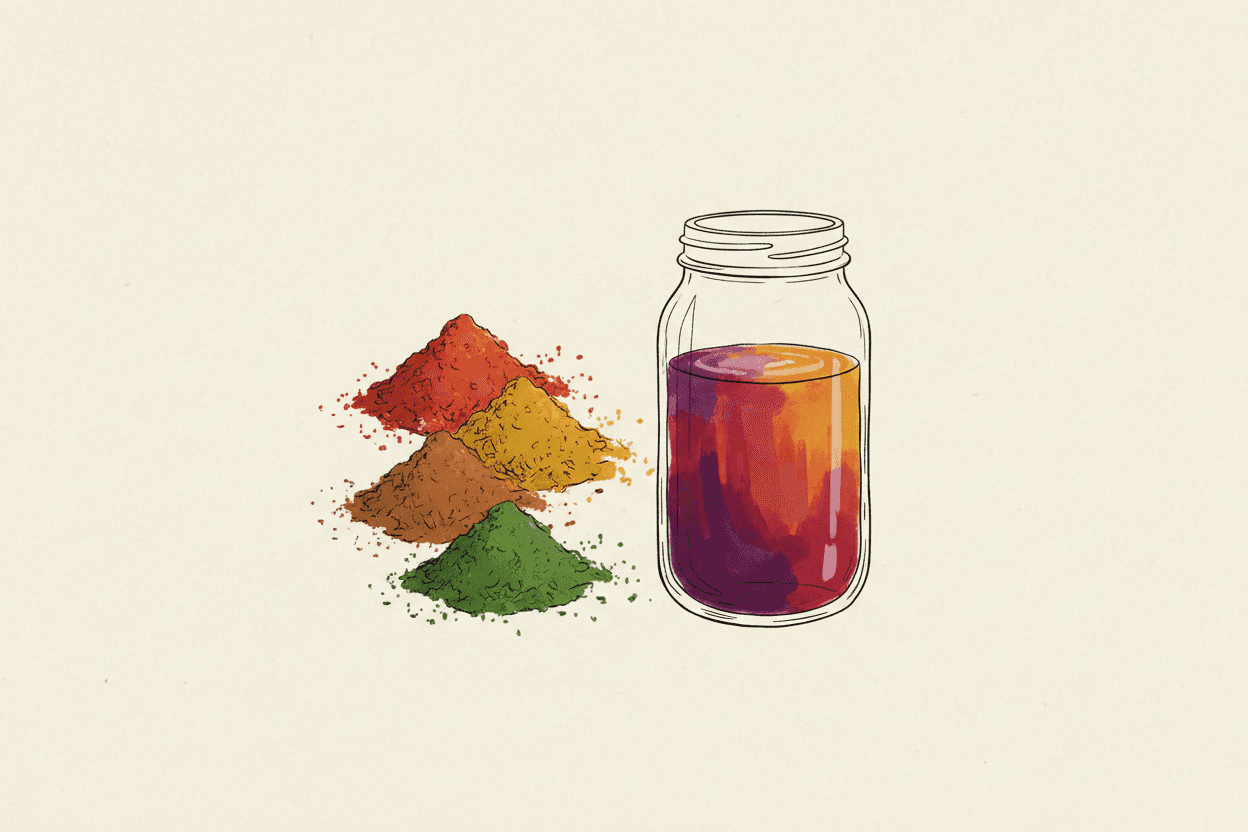
Exempt-from-certification food colors are pigments derived from plant, animal, or mineral sources that do not require mandatory batch certification by the U.S. Food and Drug Administration (FDA). However, under federal law, adding any pigment to food legally constitutes a color additive, and labeling rules give brands wide freedom in how they declare these ingredients. A review of six scanned product listings shows that manufacturers identify these colors in distinct ways, ranging from specific plant names to completely anonymous phrases like "color added."
Key takeaways
- Under 21 CFR Part 73 and 21 CFR 101.22, exempt color additives do not require batch certification, but they still require FDA pre-market safety approval.
- Under 21 CFR 101.22(a)(4), "artificial color" means any color additive as defined in 21 CFR 70.3(f), so even annatto or fruit juice used for color is legally a color additive.
- Manufacturers can declare exempt colors by specific name, by function (such as "paprika extract color"), or collectively using generic phrases like "color added" unless an ingredient with allergen concerns, such as cochineal extract, is used.
- Generic terms prevent shoppers from identifying the exact botanical or chemical source of the coloring from the ingredient list alone.
What Are Exempt-From-Certification Colors Under FDA Rules?
In the United States, color additives fall into two distinct regulatory groups established by the FDA: certified colors and colors exempt from certification. Certified color additives are synthetic, petroleum-derived chemical dyes, such as Yellow 6. FDA says certified color additives are required to undergo certification every time a new batch is manufactured.
In contrast, color additives exempt from certification, cataloged under 21 CFR Part 73, are pigments sourced from vegetables, animals, or minerals. Examples include annatto extract, dehydrated beets, fruit juice, and paprika oleoresin. These colors are not subject to batch certification. According to the FDA's consumer Q&A on color additives, "Although exempt color additives are not subject to batch certification requirements, they are still color additives and FDA must approve them before they can be used in foods."
Critically, an exempt status does not mean an ingredient is unregulated or automatically considered natural by law. Under 21 CFR 70.3(f), a color additive is any dye, pigment, or other substance extracted, isolated, or synthesized from vegetable, animal, mineral, or other sources that imparts color when added to a food. Furthermore, 21 CFR 101.22(a)(4) says "The term artificial color or artificial coloring means any 'color additive' as defined in § 70.3(f)."
Federal policy is part of the backdrop. On April 22, 2025, the U.S. Department of Health and Human Services (HHS) and the FDA announced an initiative establishing a national standard and timeline for the food industry to transition away from petroleum-based synthetic dyes toward natural alternatives. The agency noted it was working with food manufacturers to eliminate six remaining synthetic dyes and fast-tracking reviews of alternatives such as calcium phosphate, Galdieria extract blue, gardenia blue and butterfly pea flower extract. The phase-out is a request to industry, not a ban.
Roundup
6 scanned products that color without FD&C dyes
Lay's
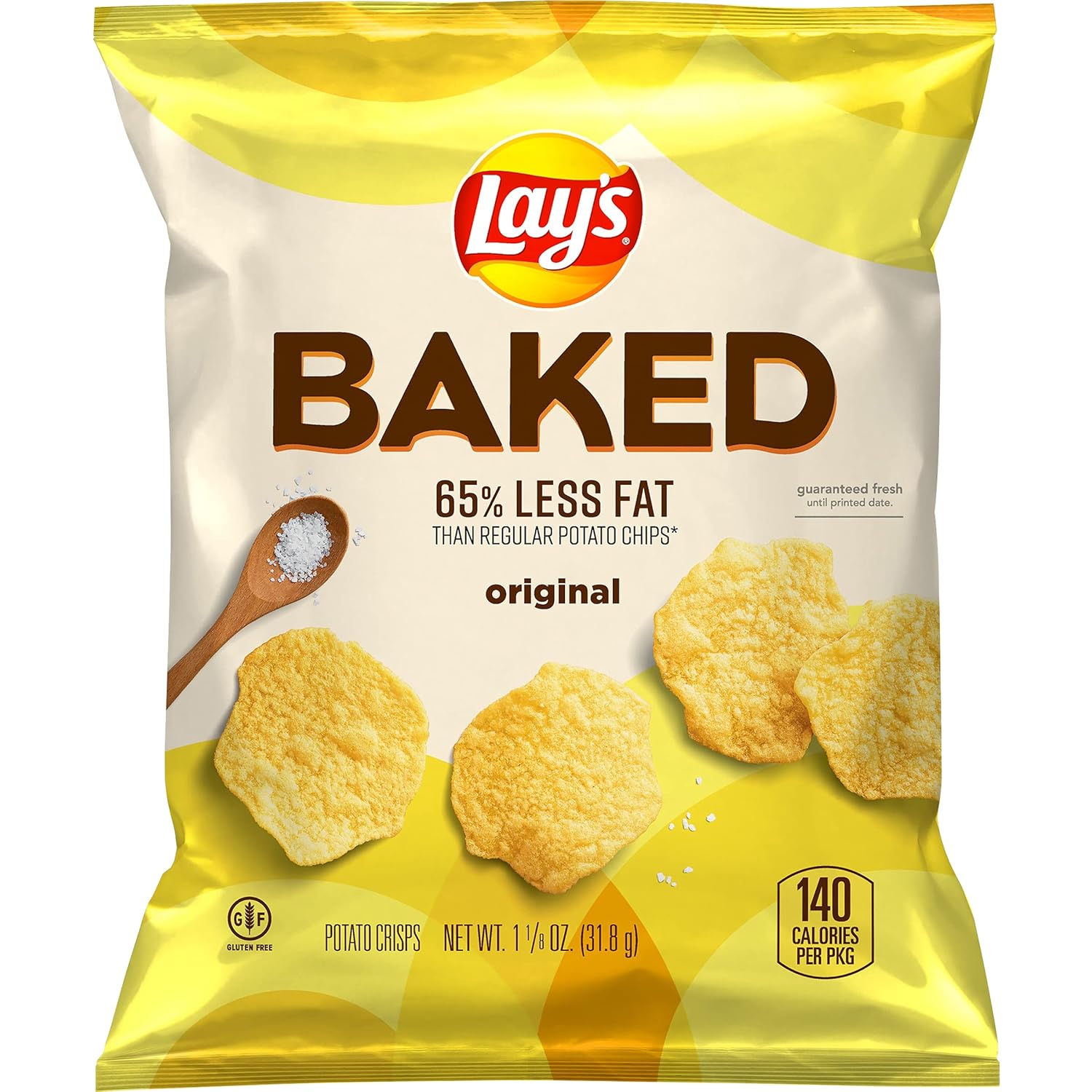
Lay's Oven Baked Potato Crisps, Original, 1.125 Oz
Analysis by Aurascan. The app shows the full breakdown and its sources.
Pringles
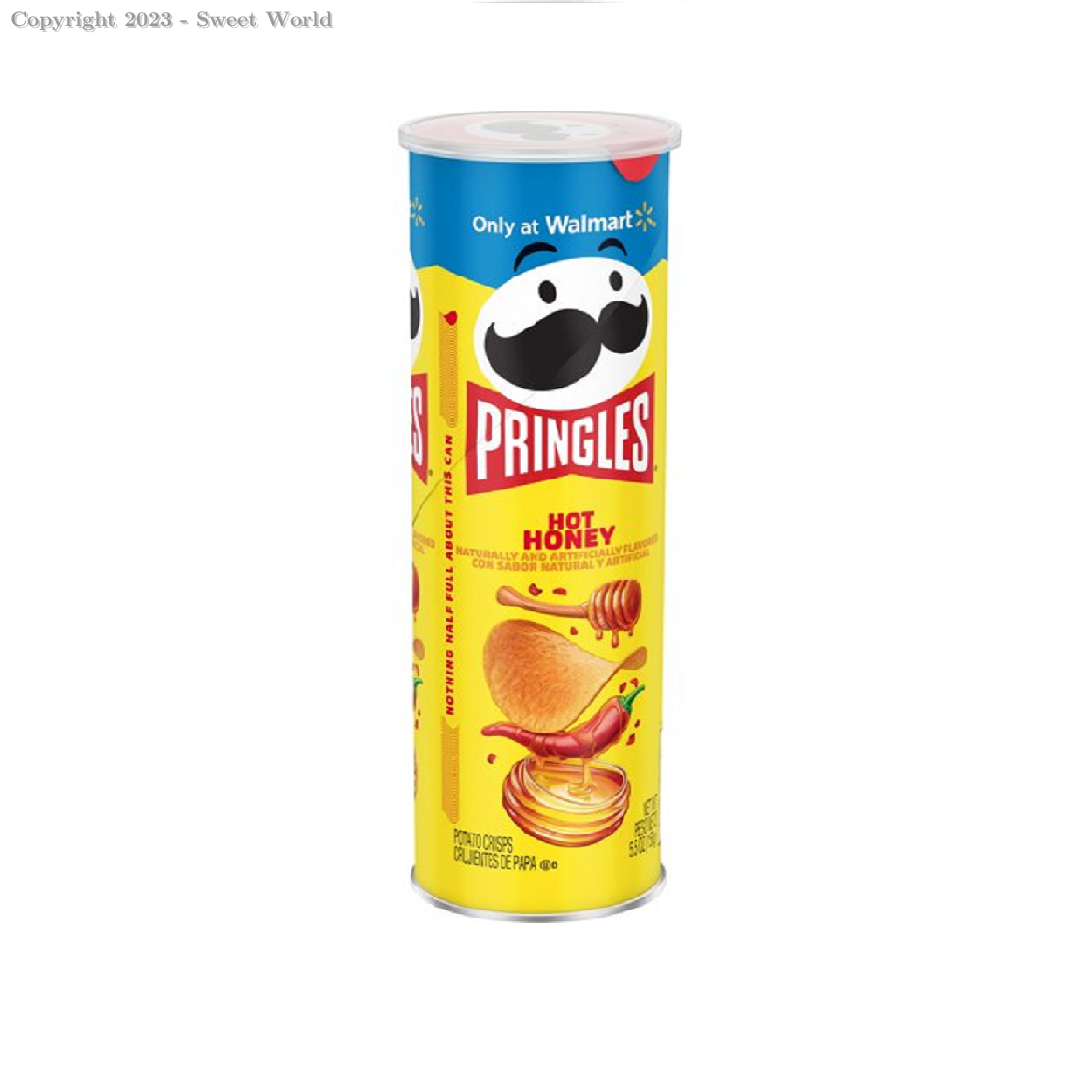
Pringles Potato Crisps Chips, Hot Honey 5.5 Oz
Analysis by Aurascan. The app shows the full breakdown and its sources.
Tillamook
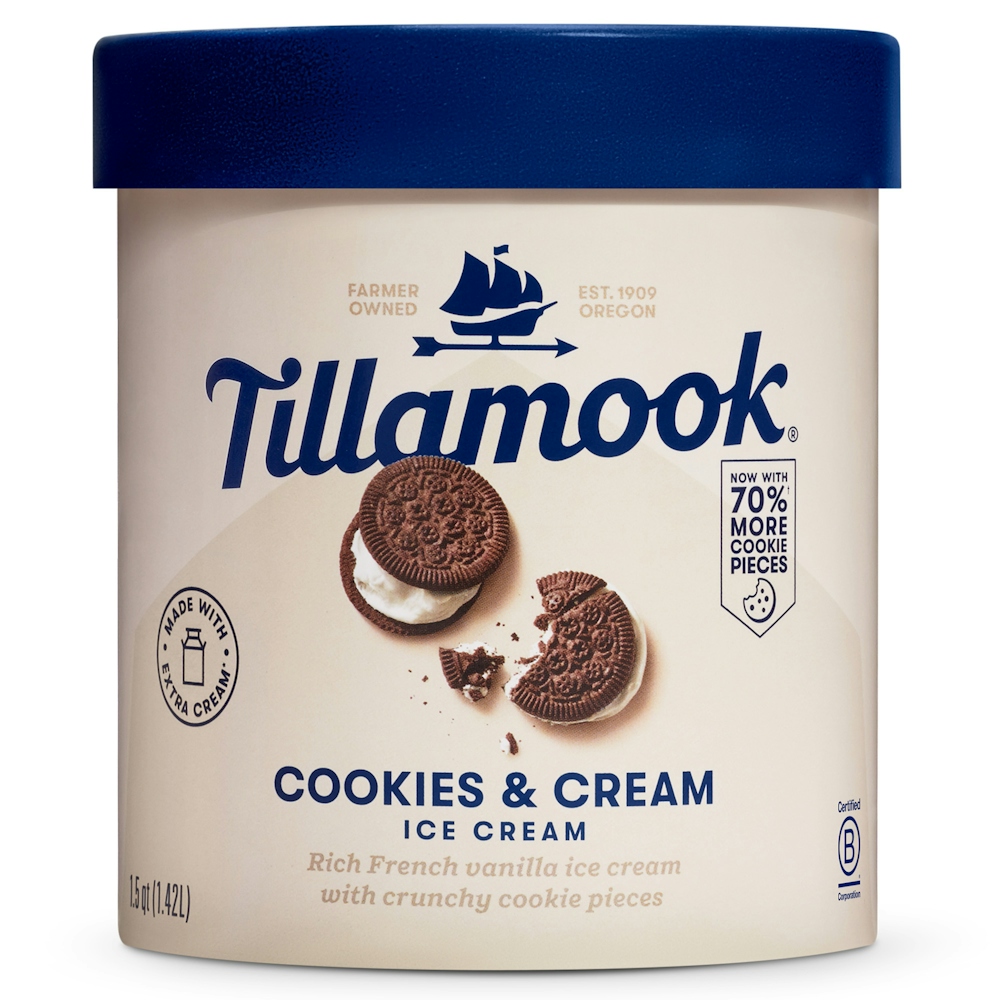
Tillamook Cookies And Cream Ice Cream, 48fl-oz
Analysis by Aurascan. The app shows the full breakdown and its sources.
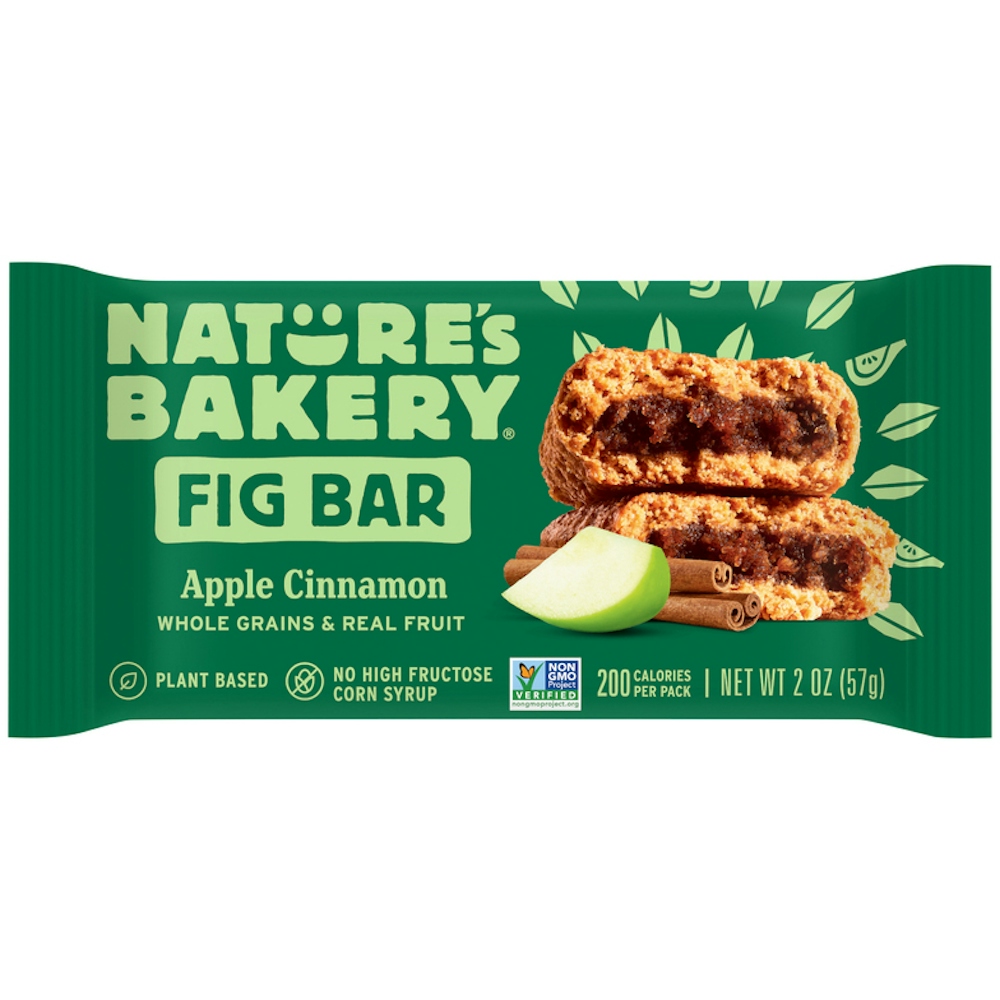
Nature's Bakery
Nature's Bakery Whole Wheat Apple Cinnamon Fig Bar
Analysis by Aurascan. The app shows the full breakdown and its sources.
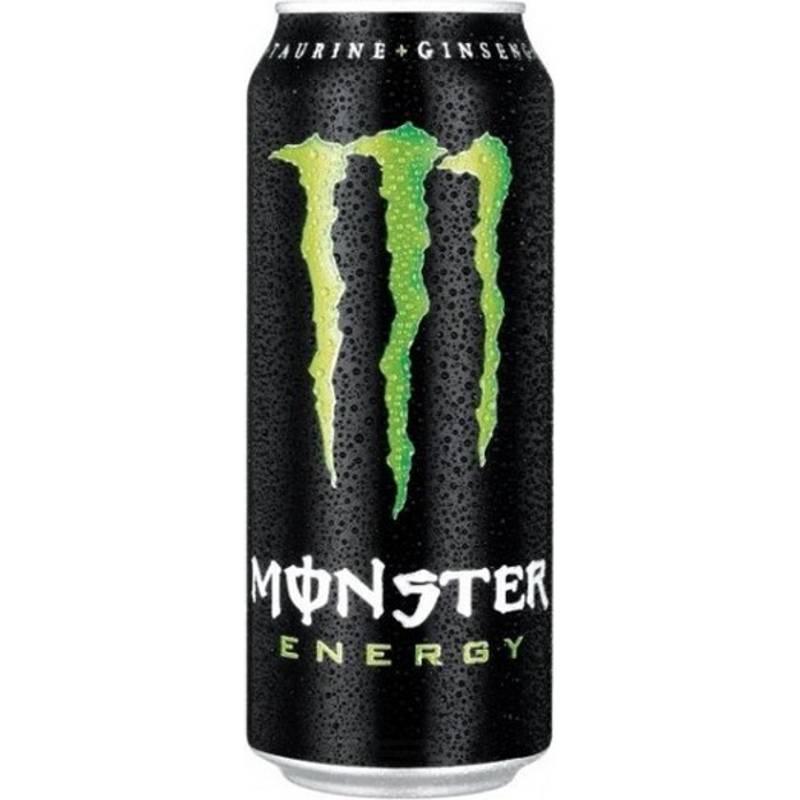
Monster
Monster Energy Drink Green 16 Oz Can
Analysis by Aurascan. The app shows the full breakdown and its sources.
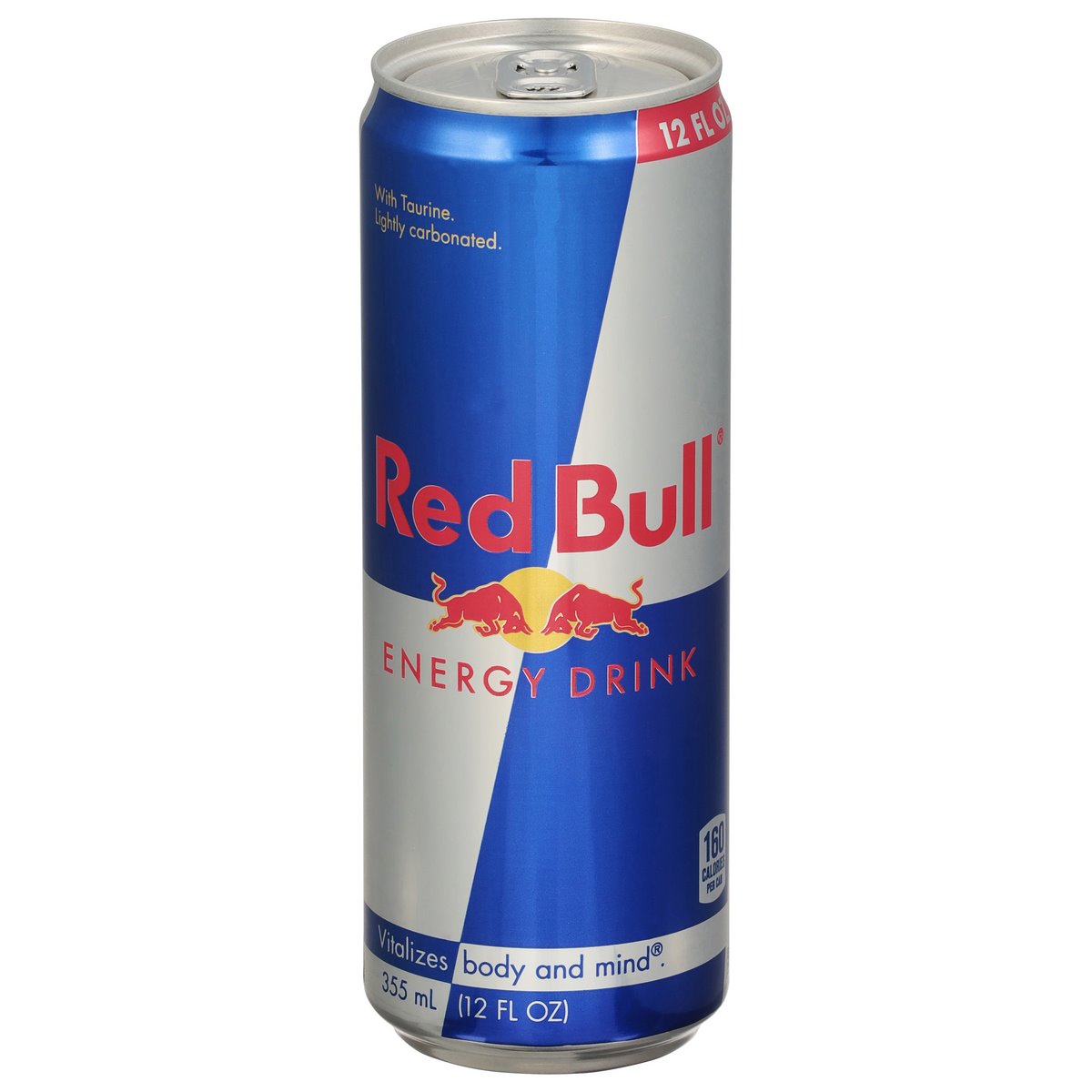
Red Bull
Red Bull Energy Drink 12 Fl Oz Can
Analysis by Aurascan. The app shows the full breakdown and its sources.
How Label Rules (21 CFR 101.22) Allow Different Phrasings
The ingredient list declaration for exempt colors is governed by 21 CFR 101.22. This regulation creates substantial flexibility for food manufacturers, resulting in noticeably different naming styles on grocery shelves.
Under 21 CFR 101.22(k)(1), any color additive subject to certification must always be declared by its specific regulatory name, such as Yellow 5 or Red 40, as discussed in our guide on artificial dyes in snacks scanned. However, for colors exempt from certification, 21 CFR 101.22(k)(2) allows brands several options:
- The specific common or usual name of the color additive listed in 21 CFR Part 73 (such as "annatto extract").
- A functional phrase combining the source and function, matching the pattern "Colored with " or " color" (such as "paprika extract color").
- Collective generic terms such as "Artificial Color," "Artificial Color Added," or "Color Added," or an equally informative term, without naming the specific pigment.
The FDA notes one major exception to this collective naming rule: carmine and cochineal extract. FDA says that "because of potential allergic reactions in some people, carmine/cochineal extract are required to be identified by name on food labels" rather than grouped under a term like "color added."
Dairy products carry additional exemptions. Under 21 CFR 101.22(k)(3), when coloring is added to butter, cheese, or ice cream, it need not be declared in the ingredient list unless a regulation in part 73 or part 74 requires it. Nonetheless, the regulation explicitly notes that voluntary declaration of all colorings in these dairy foods is recommended by the agency.
To see how these regulations operate in practice, we examined six scanned listings from the Open Food Facts database, fetched on October 6, 2026. None of these products contain certified synthetic FD&C dyes, but each uses a different permitted labeling approach.
Quiz
One names annatto extracts, the other just says color added. Which listing tells you where its color comes from?
Guess before you scroll.
Reveal Aurascan's verdict
Aurascan says: It's a tie
Annatto Extracts in Lay's Baked and Tillamook Ice Cream
Annatto extract is regulated under 21 CFR 73.30 as a color additive prepared from annatto seed, Bixa orellana L. The regulation lists several permitted extractants, including alkaline aqueous solution, edible vegetable oils or fats, ethyl alcohol and solvents such as hexane (with residue limits), with strict limits on heavy metals such as arsenic (maximum 3 ppm) and lead (maximum 10 ppm). FDA lists annatto extract as a yellow color, and EFSA refers to bixin and norbixin as annatto's colouring principles; our review of Annatto: The Seed Color in Cheese and Snacks covers it in more depth.
In our scanned lineup, two products use annatto, but each declares it under a different permitted format:
-
Lay's Oven Baked Original Potato Crisps (barcode 028400071888): The Open Food Facts listing reveals the following ingredient declaration: "dried potatoes, corn starch, corn oil, sugar, sea salt, soy lecithin, dextrose, annatto extracts." Here, the brand chooses to name the color solely by its botanical source, listed as the final component of eight ingredients, without any functional descriptor like "color" or "added."
-
Tillamook Cookies & Cream Ice Cream (barcode 072830081054): The Open Food Facts listing shows an ingredient sequence starting with dairy and bakery components and ending with ". natural flavor, citric acid, annatto (color), xanthan gum, locust bean gum." In this listing, the manufacturer includes the parenthetical descriptor "(color)" alongside the botanical name. Because ice cream is eligible for color declaration exemptions under 21 CFR 101.22(k)(3), Tillamook naming annatto is consistent with FDA's recommendation that colorings in ice cream be declared voluntarily. The listing does not tell us whether a declaration was required.
On safety, a 2019 opinion from the European Food Safety Authority (EFSA) FAF Panel recapped the acceptable daily intakes set in 2016: 6 mg bixin per kg body weight per day and 0.3 mg norbixin per kg body weight per day. For norbixin, the ADI was reached at the high (p95) exposure level for toddlers in one country's refined scenario; considering the uncertainties and the "very likely overestimation of the exposure," the panel concluded the level of exposure "does not raise a health concern." The Open Food Facts listings do not disclose whether the annatto extracts in these two items are standardized around bixin or norbixin, nor do they specify the extraction solvents used during processing.
Paprika Extract Color in Pringles Hot Honey
Paprika-based colors are listed under two separate regulations in 21 CFR Part 73: ground dried paprika under 21 CFR 73.340, and paprika oleoresin under 21 CFR 73.345, which isolates both color and flavor principles using solvent extraction.
Our third scanned item illustrates how functional descriptors and spice rules intersect on a snack label:
- Pringles Hot Honey (barcode 038000276453): The English portion of the Open Food Facts listing reads: ". CONTAINS 2% OR LESS OF SALT, FRUCTOSE, HONEY, MOLASSES, CAYENE PEPPER SAUCE (AGED CAYENNE RED PEPPERS, VINEGAR SOLIDS, SALT GARLIC POWDER), SPICES, NATURAL FLAVOR, WHEY, PAPRIKA EXTRACT COLOR, WHEAT STARCH."
This listing demonstrates the "____ color" phrasing authorized by 21 CFR 101.22(k)(2). By writing "paprika extract color," the listing names both the source and the fact that it is there as a color. It does not say whether the ingredient falls under the paprika or the paprika oleoresin listing. Furthermore, this separate disclosure relates directly to the spice rule in 21 CFR 101.22(a)(2), which specifies that spices that also serve as coloring agents (such as paprika, turmeric, and saffron) must be declared as "spice and coloring" unless declared by their specific common or usual name. The Open Food Facts listing lists "SPICES" and "PAPRIKA EXTRACT COLOR" as separate entries, though the exact botanical constituents within the general "SPICES" entry are not disclosed.
Fruit Juice (for Color) in Nature's Bakery Fig Bars
Another widely used category of exempt colorants is fruit juice, regulated under 21 CFR 73.250. This regulation authorizes color additives prepared either by expressing the liquid from mature, edible fruits or by the water infusion of dried fruit. The regulation adds: "The color additive may be concentrated or dried."
- Nature's Bakery Whole Wheat Apple Cinnamon Fig Bar (barcode 047495112559): The Open Food Facts listing includes the declaration: ". Glycerin, Fruit Juice (for color), Sea Salt, Natural Flavor, Citric Acid, Baking Soda."
This phrasing reflects a category-level disclosure. The words "(for color)" tell you why the juice is there. The listing does not say which fruit the juice comes from or how much is used.
Mystery Naming: 'Color Added' in Monster and Red Bull
While the previous examples disclose their botanical roots, the remaining two scanned products rely on generic declarations permitted under 21 CFR 101.22(k)(2):
-
Monster Energy (green) (barcode 070847811169): The Open Food Facts listing displays: "carbonated water, sugar, glucose, citric acid, natural flavors, taurine, sodium citrate, color added, panax ginseng extract, ." Here, "color added" appears as the eighth ingredient. The listing names no source for the color; "Color Added" is one of the generic terms 21 CFR 101.22(k)(2) allows for colors exempt from certification.
-
Red Bull Energy Drink (barcode 611269818994): The Open Food Facts listing displays: "carbonated water, sucrose, glucose, citric acid, taurine, sodium bicarbonate, magnesium carbonate, caffeine, niacinamide, calcium pantothenate, pyridoxine hcl, vitamin b12, natural and artificial flavors, colors," concluding with the bare word "colors,"
Both energy drink transcriptions in the Open Food Facts database end with trailing commas, indicating the text transcription may be cut off. It cannot be verified from the listing alone whether Red Bull's phrasing of "colors" is intended to meet the "equally informative term" provision of 21 CFR 101.22(k)(2). Neither listing discloses which color additive is used or how much.
Quiz
Red Bull's listing ends with just colors, naming no source. Is that enough for you to buy it?
Guess before you scroll.
Reveal Aurascan's verdict
Aurascan says: Flagged
The main flag is SUCROSE.
How to Compare and Evaluate Color Additives on Food Labels
Evaluating food colorings requires distinguishing between how an ingredient is regulated and how it is phrased on packaging. When reviewing ingredient declarations across grocery categories, keep the following label patterns in mind:
- Certified vs. Exempt: Certified dyes (like Red 40 or Yellow 6) must always appear by their specific regulatory name. The generic options in 21 CFR 101.22(k)(2), such as "color added," apply to colors that are not subject to certification.
- Source Disclosed vs. Hidden: Ingredients like "annatto extract," "beet juice," or "paprika extract color" inform you of the exact agricultural plant used. Generic listings like "color added" conceal the underlying botanical or mineral source entirely.
- Functional Clarification: Parenthetical notes like "(for color)" or "paprika extract color" help distinguish between coloring substances and characterizing ingredients, a topic explored further in our guide to ingredient function labels scanned. Similarly, understanding how juices serve as visual additives rather than juice ingredients is detailed in our guide to fruit and juice on ingredient lists scanned.
- Allergen Caveat: Carmine and cochineal extract must always be named due to allergen safety rules; they cannot legally hide behind "color added."
- Dairy Exceptions: Butter, cheese, and ice cream can legally omit added colors under 21 CFR 101.22(k)(3), making voluntary disclosures like Tillamook's a helpful transparency feature.
Evidence limitations exist when analyzing exempt food colors. Regulatory listings and ingredient text cannot establish individual allergic sensitivities, metabolic responses in unstudied populations, or the precise concentration of pigments in a given recipe. Exempt status is a regulatory category, not a health verdict: FDA's own page says these are still color additives that need approval.
Try Aurascan
See what is really in the food you buy.
Common questions
- Are exempt-from-certification food colors natural?
- Under FDA regulations (21 CFR 101.22 and 21 CFR 70.3), any substance added to impart color to a food is legally defined as an artificial color or color additive. FDA's consumer page says exempt colors include pigments from natural sources such as vegetables, minerals or animals, but they are still color additives that FDA must approve before use.
- Why do some labels just say 'color added' instead of naming the plant?
- Under 21 CFR 101.22(k)(2), manufacturers using colors exempt from certification are legally permitted to declare them using generic terms such as 'artificial color,' 'artificial color added,' 'color added' or an equally informative term. They are not required to name the specific botanical source, with the exception of carmine and cochineal extract.
- Why must carmine and cochineal extract be named on food labels?
- The FDA mandates that carmine and cochineal extract be declared explicitly by name under 21 CFR 101.22 because of potential allergic reactions in some people. They are barred from being hidden under generic terms like 'color added.'
- Do exempt colors undergo testing before being sold?
- Exempt-from-certification colors do not undergo individual batch testing in FDA laboratories, unlike petroleum-based certified dyes. However, FDA must still approve them, and each has a listing in 21 CFR Part 73; annatto extract's listing, for example, limits arsenic to 3 ppm and lead to 10 ppm.
- Can ice cream and cheese contain colorings without listing them?
- Yes. Under 21 CFR 101.22(k)(3), colorings added to butter, cheese, or ice cream do not legally need to be declared on the ingredient list unless a regulation in part 73 or part 74 requires it. The FDA does, however, officially recommend that manufacturers voluntarily declare them.
- What is the difference between certified and exempt color additives?
- Certified color additives are synthetic dyes synthesized primarily from petroleum that require mandatory batch testing and certification by the FDA. Exempt color additives are derived from plant, animal, or mineral sources and do not require individual batch testing, though both groups must receive FDA safety approval.
Sources
- 21 CFR 101.22 - Foods; labeling of spices, flavorings, colorings and chemical preservatives (ecfr.gov)
- Color Additives Questions and Answers for Consumers (fda.gov)
- Safety of annatto E and exposure to bixin and norbixin (E 160b) (pmc.ncbi.nlm.nih.gov)
- HHS and FDA Announce Steps to Transition from Synthetic Dyes (fda.gov)
- Summary of Color Additives for Use in the United States in Foods, Drugs, Cosmetics, and Medical Devices (fda.gov)
In this series
Guide
Sunset Yellow in Pregnancy: New Rat Study Finds Few EffectsGuide
Fanta Orange vs Friendly's Orange Cream: Two Yellow 6 LabelsGuide
Gatorade Recall: 122,021 Cases Had Undeclared Yellow DyesGuide
Doritos Nacho Cheese vs Pringles Hot Honey: Label CheckGuide
Unlisted Dyes and Sulfites Trigger Three FDA RecallsGuide
Digested Titanium Dioxide Damaged Gut Cells in a Lab Study
Related guides
Latest News
Sunset Yellow in Pregnancy: New Rat Study Finds Few EffectsA new rat study of the dye Sunset Yellow (Yellow 6) during pregnancy found no harm to mothers or fetal growth, with one preliminary finding at the highest dose.
Guides
Sodium Beyond Salt: 6 Scanned Labels With Sodium AdditivesSprite lists no salt but two sodium compounds. How MSG, baking soda, sodium citrate and sodium benzoate show up on 6 scanned labels, and what FDA says.
Comparisons
Gatorade vs Powerade: Sugar, Sodium and ElectrolytesPer 12 fl oz Powerade lists 240mg sodium and 80mg potassium; Gatorade 160mg and 50mg. Compare sugars, HFCS vs sugar and dextrose, dyes and additives.
Try it on your own groceries
Scan your next label with Aurascan
Point the camera at any ingredient list and get the same evidence-graded read you see here.
Open the scannerGet food recall alerts + a weekly digest
An email when a food recall is announced, plus one weekly roundup of label news and new guides.
We email a confirmation link first - nothing is sent until you click it. Unsubscribe anytime. Privacy