
Ingredient Reviews · October 5, 2026 · 9 min read
Cocoa Processed With Alkali: What Dutch Cocoa Means on Labels
Six scanned products list cocoa or chocolate processed with alkali. What the alkali step is, what US and EU rules allow, and what it does to flavanols.
By Chris Carrillo · Reviewed by Armin Rad, Co-Founder & CTO, Aurascan · October 5, 2026
Every article is checked against primary sources before publication. How we review

Cocoa processed with alkali, also called Dutch-process or alkalized cocoa, is cocoa made from cacao nibs or beans that were heated with an alkali such as potassium carbonate. Both US and EU rules permit it. In the US, the cocoa standards of identity require the name to carry the statement "Processed with alkali." The trade-off documented in the sources below is lower flavanol content than natural cocoa.
Key takeaways
- Alkalized cocoa is made by heating cacao nibs or beans with permitted alkali ingredients, such as potassium carbonate.
- US cocoa standards (21 CFR 163) allow alkali as an optional ingredient with a "Processed with alkali" statement, and EU rules authorise carbonates and hydroxides in cocoa and chocolate products up to a cap.
- In an industry survey of commercial cocoa powders, flavanol content fell as alkalization increased.
- Ingredient lists show it as "cocoa processed with alkali" or "alkalized cocoa," including in ice creams, a snack bar and a protein shake we scanned.
What is cocoa processed with alkali?
Cocoa processed with alkali is cocoa made from cacao nibs or beans that were heated with one or more permitted alkali ingredients. Natural cocoa powders are mildly acidic: one industry survey measured their extractable pH at 5.3 to 5.8, while alkalized powders ranged from pH 6.50 to 7.61 and higher, depending on how heavily they were treated.
In the United States, standards of identity established under the Code of Federal Regulations govern these cacao products. Under 21 CFR 163.110, cacao nibs or cacao beans may be processed by heating with approved optional alkali ingredients. These permissible alkaline agents include ammonium, potassium, or sodium bicarbonate, carbonate, or hydroxide, as well as magnesium carbonate or oxide. These salts may be added directly or in an aqueous solution. The regulation caps the total quantity: for each 100 parts by weight of cacao nibs, the neutralizing value of the alkali ingredients cannot exceed that of 3 parts by weight of anhydrous potassium carbonate. The standard also permits phosphoric acid, citric acid, and L-tartaric acid as neutralizing agents.
The same alkalization allowances apply downstream to other cacao standards. 21 CFR 163.112 sets the identity for breakfast cocoa, which contains not less than 22 percent cacao fat, while 21 CFR 163.113 applies to standard or medium-fat cocoa containing between 10 percent and 22 percent fat. Furthermore, 21 CFR 163.111 applies to chocolate liquor (also known as chocolate, unsweetened chocolate, or bitter chocolate), allowing the use of alkalized nibs or cocoas during its preparation.
Roundup
Scanned products that list cocoa or chocolate processed with alkali

Haagen-Dazs
Haagen-Dazs Chocolate Ice Cream - 14 Fl Oz
Analysis by Aurascan. The app shows the full breakdown and its sources.
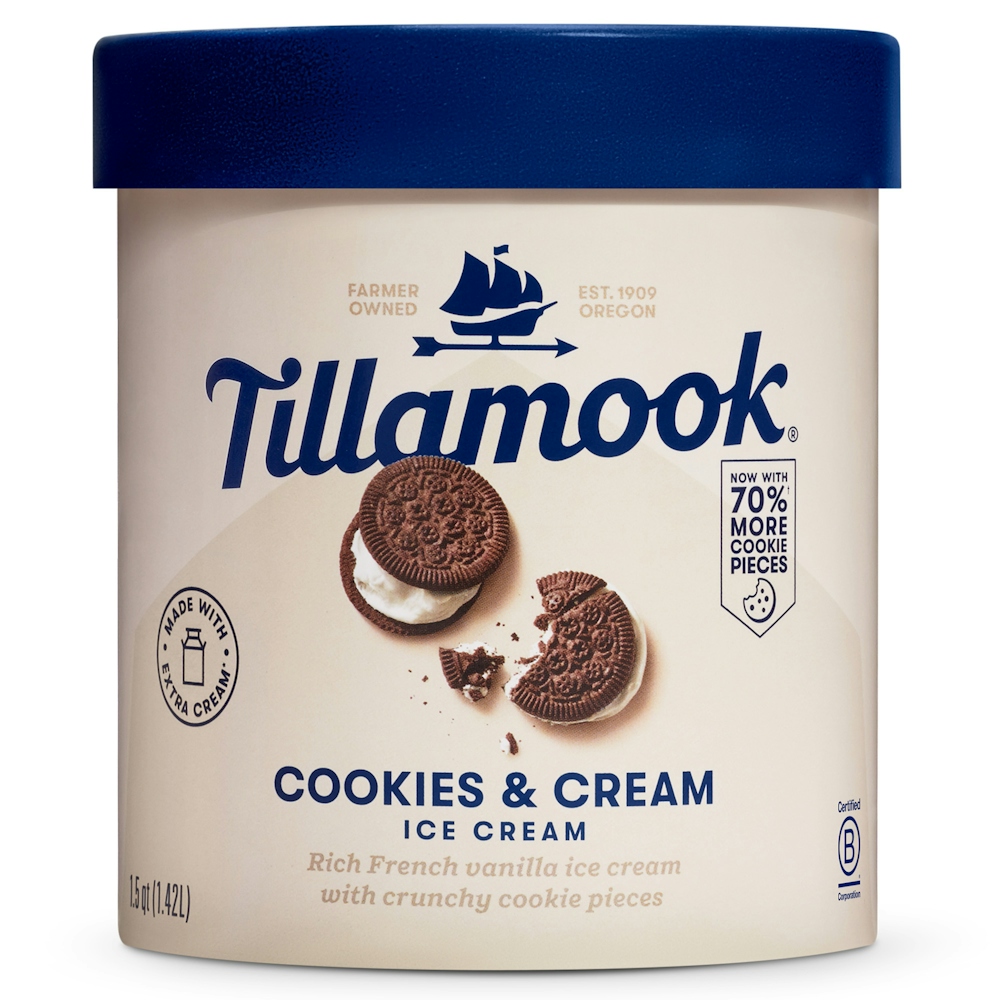
Tillamook
Tillamook Cookies And Cream Ice Cream, 48fl-oz
Analysis by Aurascan. The app shows the full breakdown and its sources.
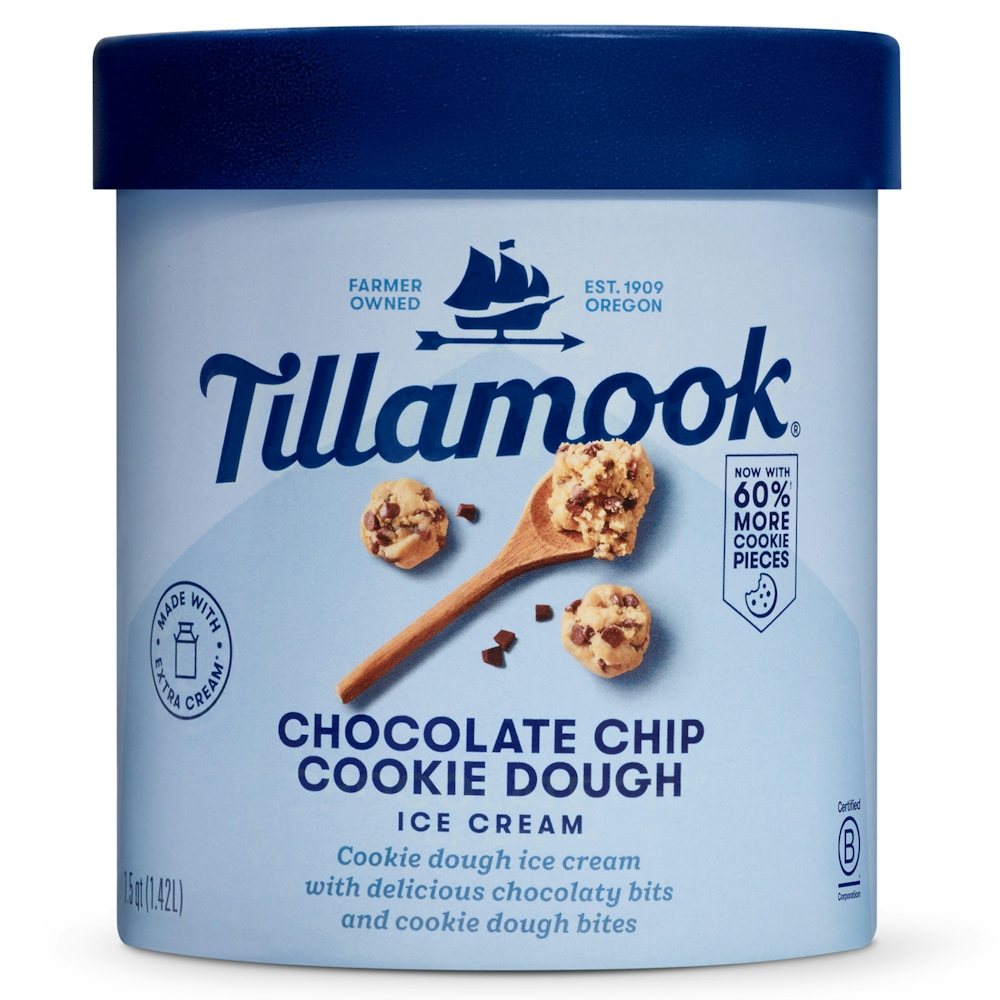
Tillamook
Tillamook Ice Cream, Chocolate Chip Cookie Dough
Analysis by Aurascan. The app shows the full breakdown and its sources.
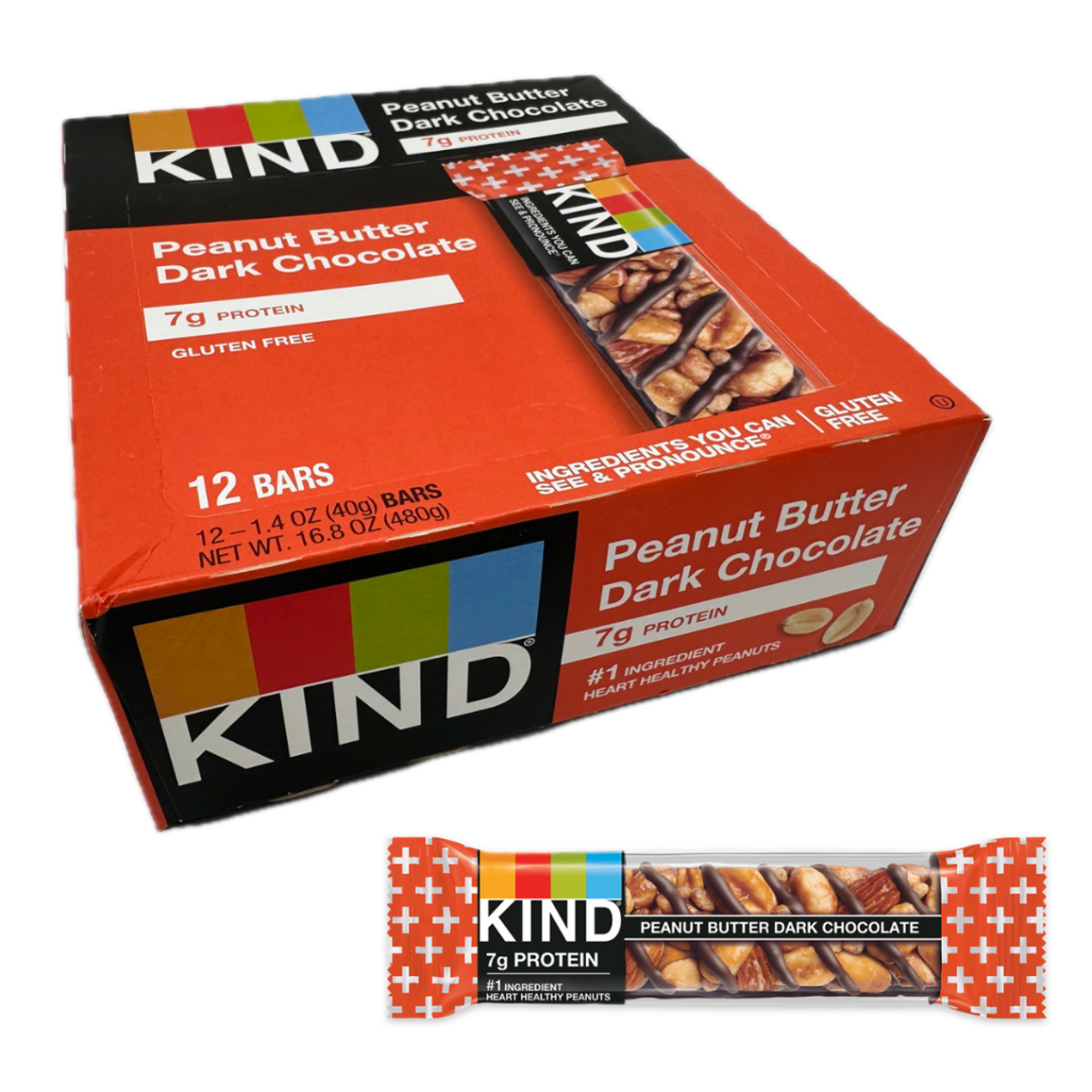
Kind
Kind Bar - Peanut Butter Dark Chocolate Plus Protein
Analysis by Aurascan. The app shows the full breakdown and its sources.
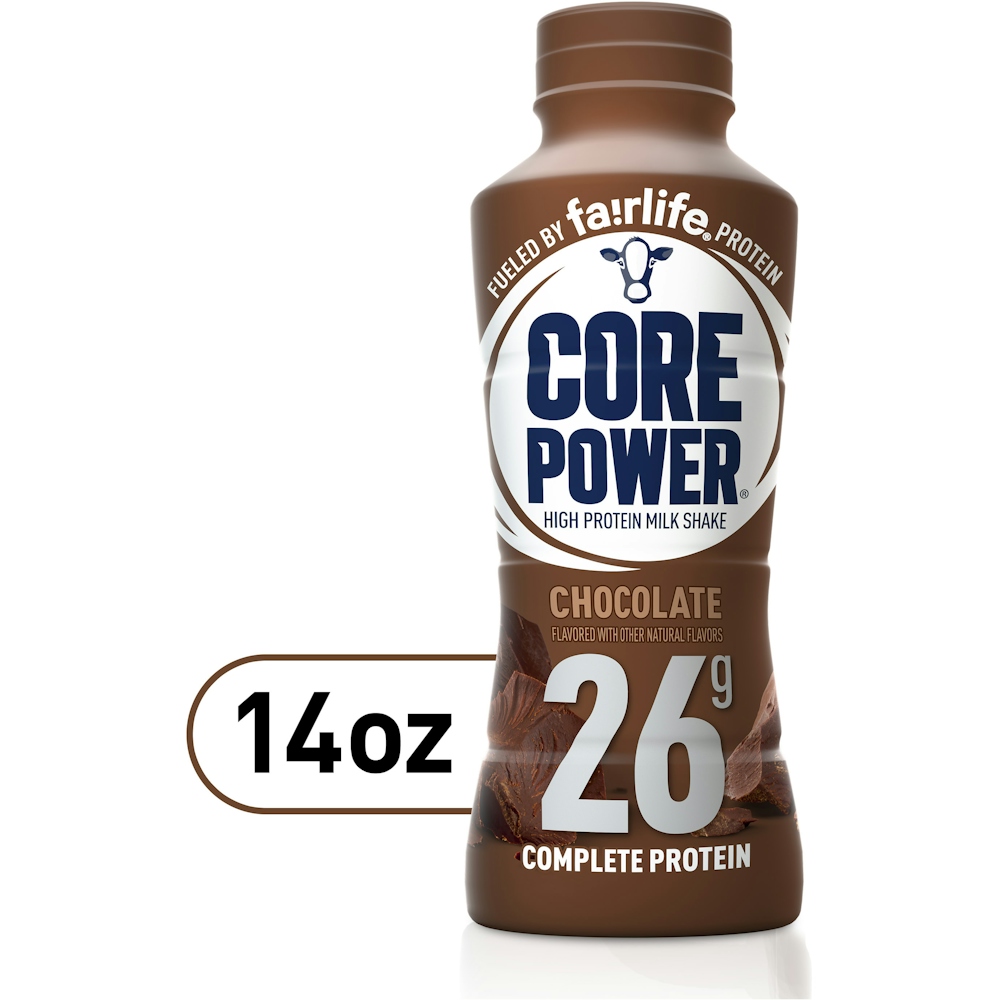
Core Power
Core Power Chocolate High Protein Milk Shake 14 Fl Oz
Analysis by Aurascan. The app shows the full breakdown and its sources.
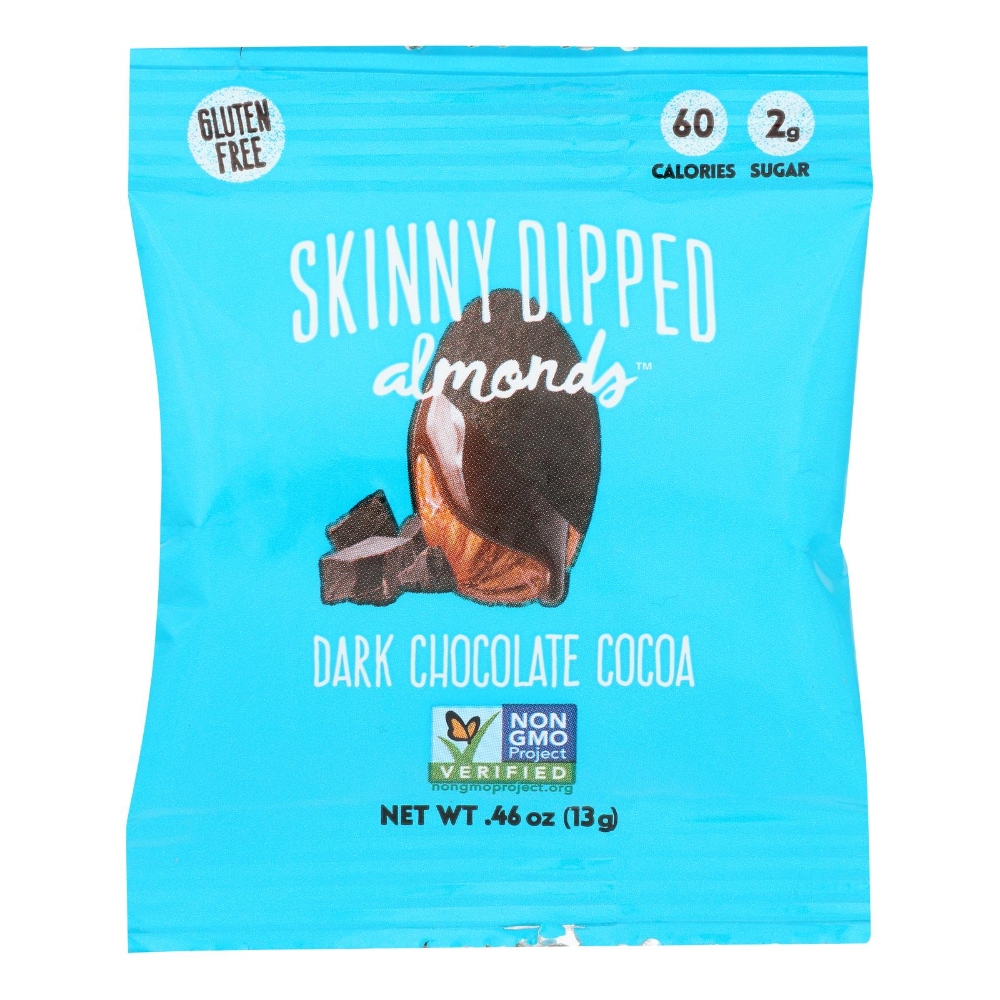
Skinny Dipped Almonds
Skinny Dipped Almonds SkinnyDipped Dark Chocolate Cocoa Covered - Case Of 24/.46
Analysis by Aurascan. The app shows the full breakdown and its sources.
How is Dutch-process cocoa made?
The US standards describe the process in plain terms. Under 21 CFR 163.110, the cacao nibs, or the cacao beans they come from, "may be processed by heating with one or more of the optional alkali ingredients" the regulation lists. Cocoa itself is then made by pulverizing what remains after part of the cacao fat has been removed from ground cacao nibs, which is how 21 CFR 163.112 defines breakfast cocoa.
The alkali salts themselves are ordinary food substances. Under 21 CFR 184.1619, potassium carbonate is affirmed as Generally Recognized as Safe (GRAS) and is "used in food with no limitation other than current good manufacturing practice." Alkalizing raises the cocoa's pH. In the industry survey discussed below, lightly treated powders measured pH 6.50 to 7.20, medium-treated 7.21 to 7.60, and heavily treated 7.61 and higher.
None of the products in this article says which alkali was used or how heavily its cocoa was treated.
Scan preview
Core Power
Core Power Chocolate High Protein Milk Shake 14 Fl Oz
FILTERED LOW FAT GRADE A MILK · NATURAL FLAVORS · CARRAGEENAN
Standout ingredient: VITAMIN D3
Analysis by Aurascan. The app shows the full breakdown and its sources.
What is cocoa processed with alkali used for in food?
The sources reviewed here do not say why any particular manufacturer chose alkalized cocoa. What they do show is how widely the ingredient appears. The survey described below also notes that alkali-processed cocoas come in different shades: it measured both "brown/black and red/brown alkali-processed cocoas."
The Open Food Facts listing for Haagen-Dazs Chocolate Ice Cream (barcode 074570014002) shows "cocoa processed with alkali" as the fourth of five ingredients, after cream, skim milk, and cane sugar and before egg yolks.
The Open Food Facts listing for Tillamook Cookies & Cream Ice Cream (barcode 072830081054) includes "cocoa (processed with alkali)" in a much longer list that also contains wheat flour, vanilla extract, and gums such as guar gum, xanthan gum, and locust bean gum (see Locust Bean Gum: Is It Safe? What 4 Scanned Labels Show).
Quiz
One lists cocoa processed with alkali, the other lists unsweetened chocolate processed with alkali. Which one is the chocolate?
Guess before you scroll.
Reveal Aurascan's verdict
Aurascan says: It's a tie
Is cocoa processed with alkali safe to consume?
Both the US and the EU permit cocoa processed with alkali, and both cap how much alkali can be used.
Under 21 CFR 184.1619, potassium carbonate, one of the permitted alkalis, is affirmed as GRAS. In the European Union, Directive 2000/36/EC defines cocoa powder as powder from cleaned, shelled and roasted cocoa beans containing not less than 20 percent cocoa butter on a dry-matter basis and not more than 9 percent water. Under Commission Regulation (EU) No 1129/2011, the additives authorised in food category 05.1 (cocoa and chocolate products) include E 170 (calcium carbonate), E 500 to 504 (carbonates), E 524 to 528 (hydroxides), and E 530 (magnesium oxide), with a footnote cap of 7 percent on dry matter, without fat, expressed as potassium carbonates. That is the 2011 text as adopted; later amendments were not checked for this article.
The US cap is set per 100 parts by weight of cacao nibs and the EU cap on fat-free dry matter, so the two numbers cannot be compared directly. Both allow carbonate and hydroxide salts. The US "Processed with alkali" statement is a naming requirement under the standard of identity, not a safety warning.
What alkalizing does to flavanols
The trade-off documented in these sources is nutritional: alkalized cocoa powders contain fewer flavanols than natural cocoa powders.
An industry survey whose first author was affiliated with the Hershey Center for Health and Nutrition at The Hershey Company (Miller et al., 2008, J Agric Food Chem) measured representative commercial cocoa powders. Natural cocoas had an extractable pH of 5.3 to 5.8 and an average total flavanol content of 34.6 +/- 6.8 mg/g. The alkalized powders averaged less:
- Lightly processed cocoa: 13.8 +/- 7.3 mg/g average flavanol content.
- Medium processed cocoa: 7.8 +/- 4.0 mg/g average flavanol content.
- Heavily processed cocoa: 3.9 +/- 1.8 mg/g average flavanol content.
These are measurements of cocoa powders, not of finished foods. The authors reported that flavanols showed "a linear decrease as the extractable pH of the cocoa powder increased." None of the six products in this article discloses its flavanol content.
In a February 3, 2023 Constituent Update, FDA announced a qualified health claim for cocoa flavanols in high flavanol cocoa powder and reduced risk of cardiovascular disease, saying "there is very limited credible scientific evidence" for it. The petition was submitted on behalf of Barry Callebaut AG. The claim covers "high flavanol cocoa powder, which contains at least 4% of naturally conserved cocoa flavanols," and FDA said: "The claim does not apply to regular cocoa powder, foods containing regular cocoa powder, or other food products made from cacao beans, such as chocolate." In its February 1, 2023 letter of enforcement discretion, FDA noted: "Flavanol content of cacao products is dependent upon the cultivar, origin, agricultural practices, and postharvest practices and processing."
In Europe, the European Food Safety Authority (EFSA) assessed a claim application from Barry Callebaut Belgium in 2012 (EFSA Journal 2012;10(7):2809). Its panel found that "a cause and effect relationship has been established between the consumption of cocoa flavanols and maintenance of normal endothelium-dependent vasodilation," and said 200 mg of cocoa flavanols a day is needed for the effect, an amount that "could be provided by 2.5 g of high-flavanol cocoa powder or 10 g of high-flavanol dark chocolate." Both the FDA claim and the EFSA opinion concern specially made high-flavanol cocoa. None of the six products below claims to contain it.
How to spot alkalized cocoa on food labels
Under 21 CFR 163.110(c)(1), the name of cacao nibs processed with alkali must be accompanied by the statement "Processed with alkali" or "Processed with _____," the blank filled with the specific alkali ingredient. The cocoa and chocolate liquor standards (21 CFR 163.111 to 163.113) carry the same naming rule. However, label wording across store products varies in practice.
Here is how alkalized cocoa appears in six products we scanned, based on their Open Food Facts listings:
- Haagen-Dazs Chocolate Ice Cream (barcode 074570014002): The Open Food Facts listing shows "cocoa processed with alkali" as the fourth of five ingredients.
- Tillamook Cookies & Cream Ice Cream (barcode 072830081054): The listing contains "cocoa (processed with alkali)" within a longer list that also includes milk ingredients, flours, and gums.
- Tillamook Chocolate Chip Cookie Dough Ice Cream (barcode 072830081115): The Open Food Facts listing includes "cocoa (processed with alkali)" and separately lists "unsweetened. chocolate" without alkali phrasing.
- KIND Peanut Butter Dark Chocolate + Protein bar (barcode 602652170560): The listing uses the phrase "alkalized cocoa" and also lists unsweetened chocolate, with no alkali wording, plus chicory root fiber (see Inulin and Chicory Root Fiber: What the Label Means).
- Core Power Chocolate High Protein Milk Shake (barcode 811620021951): The Open Food Facts listing features "ALKALIZED COCOA" as the second ingredient, immediately following filtered low-fat milk, representing the highest ingredient position among these six products.
- SkinnyDipped Dark Chocolate Cocoa Almonds (barcode 865797000059): The listing displays "Unsweetened Chocolate* Processed With Alkali" inside the dark chocolate ingredient, while a separate "Cocoa Powder*" at the end of the list carries no alkali wording.
Four of the six listings use the standard's phrase "processed with alkali"; KIND and Core Power use "alkalized cocoa." Furthermore, none of the six Open Food Facts listings discloses the specific alkaline salt used, the processing intensity (light, medium, or heavy), the total quantity of cocoa, or the final flavanol content. In the SkinnyDipped listing, the text does not explain what the asterisks indicate.
How to tell natural cocoa from alkalized cocoa
If you would rather choose cocoa that was not alkalized, the US standards give you the clue: when an alkali is used, the name must be accompanied by "Processed with alkali" or by the name of the specific alkali.
- Natural cocoa: In the Miller survey, natural cocoa powders had the highest flavanol content, averaging 34.6 mg/g.
- High flavanol cocoa powder: This is the specially made cocoa that FDA's qualified health claim covers, containing at least 4% naturally conserved cocoa flavanols. FDA says the claim does not apply to regular cocoa powder or chocolate.
- Ingredient position: Among the six products above, Core Power lists alkalized cocoa second, the highest position; Haagen-Dazs lists it fourth of five.
Ingredient lists do not show how much cocoa a product contains or how many flavanols survived processing. You can scan a chocolate product with the Aurascan app to see each ingredient, including alkalized cocoa, explained one by one with cited sources.
Try Aurascan
See what is really in the food you buy.
Common questions
- Why is cocoa processed with alkali?
- US cocoa standards allow cacao nibs or beans to be heated with alkali ingredients such as potassium carbonate as an optional step. Natural cocoa powders are mildly acidic (pH 5.3 to 5.8 in one survey), and alkalizing raises the pH. The sources reviewed here do not say why individual manufacturers use it.
- Is cocoa processed with alkali safe?
- It is permitted in both the US and the EU. US cocoa standards (21 CFR 163) allow alkali ingredients with a "Processed with alkali" statement, and potassium carbonate is affirmed GRAS under 21 CFR 184.1619. In the EU, carbonates and hydroxides are authorised in cocoa and chocolate products under Regulation (EU) No 1129/2011, up to a cap.
- Does Dutch processing destroy cocoa antioxidants?
- It lowers them. An industry survey published in the Journal of Agricultural and Food Chemistry in 2008 found average flavanol contents of 34.6 mg/g in natural cocoa powders, 13.8 mg/g in lightly alkalized, 7.8 mg/g in medium and 3.9 mg/g in heavily alkalized powders.
- How do you know if cocoa on a label is alkalized?
- Check the ingredient list. US cocoa standards require the name to be accompanied by 'Processed with alkali' or by the name of the specific alkali used. Some listings, such as KIND's and Core Power's, use the wording 'alkalized cocoa' instead.
- Do these products make a cocoa flavanol health claim?
- None of the six products discussed here claims to contain high flavanol cocoa. FDA's qualified health claim covers only high flavanol cocoa powder with at least 4% naturally conserved cocoa flavanols, and FDA says it does not apply to regular cocoa powder or chocolate.
Sources
- 21 CFR 163.110 - Cacao nibs (ecfr.gov)
- 21 CFR 163.113 - Cocoa (ecfr.gov)
- Impact of alkalization on the antioxidant and flavanol content of commercial cocoa powders (europepmc.org)
- FDA Announces Qualified Health Claim for Cocoa Flavanols in High Flavanol Cocoa Powder (fda.gov)
- Scientific Opinion on the substantiation of a health claim related to cocoa flavanols (pmc.ncbi.nlm.nih.gov)
- Directive 2000/36/EC relating to cocoa and chocolate products intended for human consumption (eur-lex.europa.eu)
- 21 CFR 163.111 - Chocolate liquor (ecfr.gov)
- 21 CFR 163.112 - Breakfast cocoa (ecfr.gov)
- 21 CFR 184.1619 - Potassium carbonate (ecfr.gov)
- Letter of enforcement discretion: qualified health claim for cocoa flavanols (Docket FDA-2019-Q-0806) (fda.gov)
- Commission Regulation (EU) No 1129/2011 (Annex II to Regulation (EC) No 1333/2008) (eur-lex.europa.eu)
In this series
Guide
Acacia Gum (Gum Arabic): What It Is and Why FDA Calls It FiberGuide
Inulin and Chicory Root Fiber: What the Label MeansGuide
Sugary drinks and ADHD symptoms: what a new review foundGuide
Caffeine on Food Labels: How Much Is Too Much?Guide
Ultra-Processed Food Trials: Weight Gain Clear, Cause Less SoGuide
Toddler Diets and Toxic Metals: What a Swedish Study Found
Related guides
Ingredient Reviews
Glycerol Ester of Rosin: The Pine Ingredient in Fanta and FrescaFanta Orange and Fresca both list glycerol ester of rosin. What this pine-derived ester gum is, the US 100 ppm drink cap, and EFSA's 2023 ADI.
Ingredient Reviews
Pectin: The Fruit Fiber in Friendly's Bars and Nature's BakeryFriendly's Orange Cream bars and Nature's Bakery fig bars both list pectin. What it is, where it comes from, its US GRAS and fiber status, and EFSA's view.
Comparisons
Coffee mate vs International Delight: Ingredients and SugarCoffee mate vs International Delight French Vanilla creamer: soybean/canola oil vs palm oil, sugar per tablespoon, carrageenan and the other additives on each label.
Try it on your own groceries
Scan your next label with Aurascan
Point the camera at any ingredient list and get the same evidence-graded read you see here.
Open the scannerGet food recall alerts + a weekly digest
An email when a food recall is announced, plus one weekly roundup of label news and new guides.
We email a confirmation link first - nothing is sent until you click it. Unsubscribe anytime. Privacy