
Ingredient Reviews · October 4, 2026 · 7 min read
Acacia Gum (Gum Arabic): What It Is and Why FDA Calls It Fiber
Acacia gum appears in Fresca and inside Ryse's MCT oil powder. What the tree gum is, its GRAS limits, FDA's 2021 fiber decision and what EFSA found.
By Chris Carrillo · Reviewed by Armin Rad, Co-Founder & CTO, Aurascan · October 4, 2026
Every article is checked against primary sources before publication. How we review
Acacia gum, also sold as gum arabic or gum acacia, is the dried gummy exudate of acacia trees. In the United States it is affirmed as Generally Recognized as Safe (GRAS), with maximum use levels set by food category. In the EU, the European Food Safety Authority (EFSA) concluded in 2017 that it needs no numerical acceptable daily intake (ADI). The FDA has also said it intends to add acacia gum to its regulatory definition of dietary fiber. In studies EFSA reviewed, very large daily doses caused flatulence in some adults.
Key takeaways:
- Acacia gum (also known as gum arabic or gum acacia) is a dried tree exudate affirmed as GRAS by the FDA; EFSA and JECFA found no need for a numerical ADI.
- In 2021 the FDA said it intends to add acacia gum to its dietary fiber definition, citing evidence that it can help reduce blood glucose and insulin after a carbohydrate-containing meal. Until then, brands may count it as fiber under FDA enforcement discretion.
- U.S. rules permit it as an emulsifier, flavoring adjuvant, formulation aid, stabilizer and thickener. The Open Food Facts listings for Fresca and Ryse do not say which job it does in either product.
- In studies EFSA reviewed, adults tolerated up to 30 grams a day for up to 18 days, though some reported flatulence.
What is acacia gum (gum arabic) and how is it made?
Acacia gum comes from trees of various species of the genus Acacia, in the Leguminosae family. U.S. federal regulation 21 CFR 184.1330 defines acacia (gum arabic) as the dried gummy exudate from stems and branches of those trees. The same regulation treats "gum arabic" and "acacia" as one ingredient, and the FDA's 2021 fiber update adds a third name, "gum acacia."
Roundup
Scanned products that list acacia gum
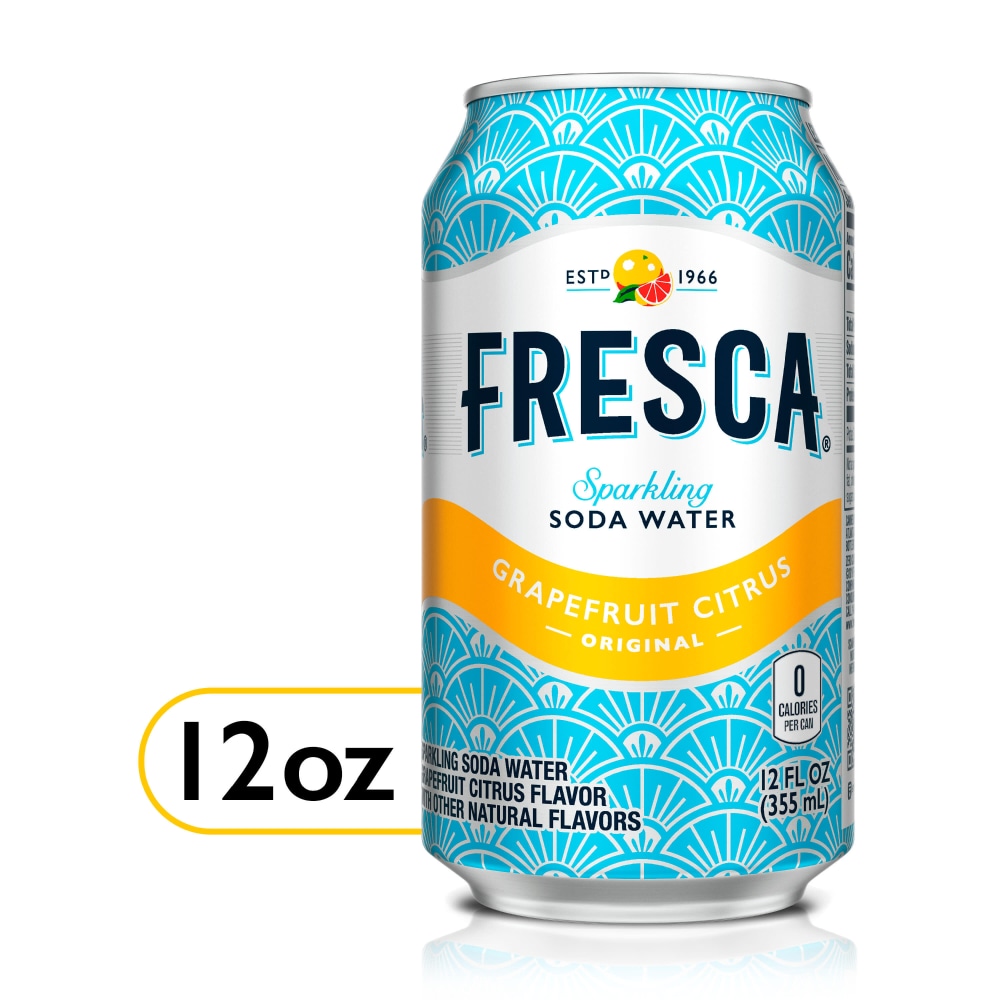
Fresca
Fresca Grapefruit Citrus Sparkling Soda Water
Analysis by Aurascan. The app shows the full breakdown and its sources.
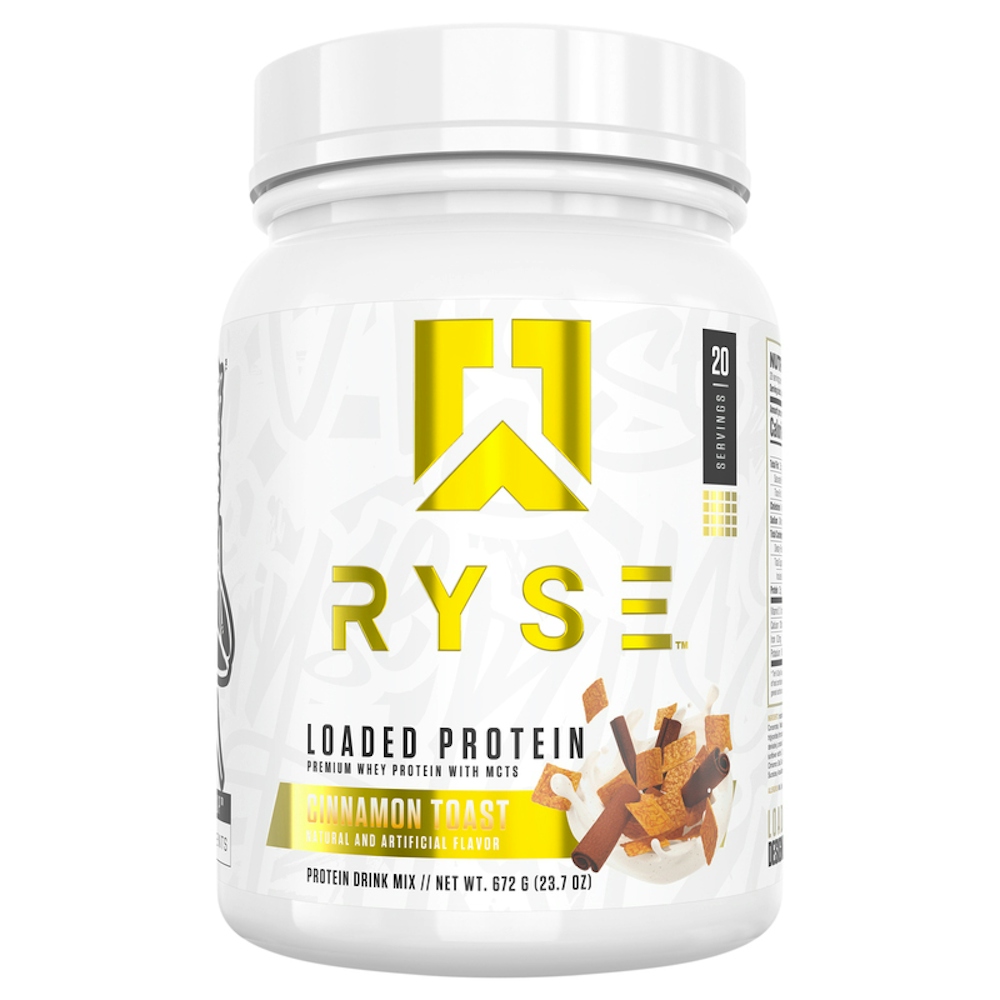
Ryse
Ryse Protein Drink Mix, Cinnamon Toast, Loaded Protein, 23.7 Ounce
Analysis by Aurascan. The app shows the full breakdown and its sources.
What is acacia gum used for in packaged foods?
In packaged foods, U.S. rules allow acacia gum to do several technical jobs. Under 21 CFR 184.1330, the ingredient is affirmed as Generally Recognized as Safe (GRAS) for several specific functional categories, including serving as an emulsifier and emulsifier salt, flavoring agent and adjuvant, formulation aid, and stabilizer and thickener. The regulation sets specific maximum usage levels by food category as served, such as 2.0 percent in beverages and beverage bases, up to 85.0 percent in soft candy, 46.5 percent in hard candy and cough drops, and 1.0 percent in all other food categories.
Two scanned products show how it appears on ingredient lists:
- In the Open Food Facts listing for Fresca Sparkling Soda Water Grapefruit Citrus (barcode 049000002485), acacia gum appears as the 7th item in the main ingredient list: "carbonated water, citric acid, concentrated grapefruit juice, potassium citrate, aspartame, potassium sorbate (to protect tasté), acacia gum, acesulfame potassium, natural flavors, glycerol ester of rosin, potassium benzoate and calcium disodium edta (to protect taste), carob bean gum." The exact technological function of acacia gum in this specific formulation is not disclosed in the listing.
- In the Open Food Facts listing for Ryse Loaded Protein Cinnamon Toast drink mix (barcode 850041914503), the ingredient list shows: "Whey Protein Isolate, Whey Protein Concentrate, MCT Oil Powder (Medium Chain Triglycerides, Gum Acacia), Organic Agave Inulin, Natural Flavors, Artificial Flavors, Ground Cinnamon, Salt, Gum Blend (Cellulose Gum, Xanthan Gum, Carrageenan), Sucralose, Soy Lecithin, Sunflower Lecithin, Acesulfame Potassium." Here, gum acacia appears only as a sub-ingredient inside the MCT oil powder rather than as a standalone ingredient. The listing does not disclose how much is used or what job it does in that powder.
Scan preview
Fresca
Fresca Grapefruit Citrus Sparkling Soda Water
Citric Acid · Concentrated Grapefruit Juice · Potassium Citrate
Analysis by Aurascan. The app shows the full breakdown and its sources.
Is acacia gum safe to consume?
EFSA's ANS Panel addressed this in its re-evaluation of acacia gum (E 414) as a food additive. The panel noted that the Joint FAO/WHO Expert Committee on Food Additives (JECFA) evaluated acacia gum in 1982 and 1990 and, based on the lack of adverse effects in the available toxicity studies, allocated an ADI of "not specified." The panel also noted that acacia gum is unlikely to be absorbed intact and is only slightly fermented by intestinal microbiota.
The panel added that oral intakes of up to 30,000 mg (30 grams) per person per day, roughly 430 mg per kilogram of body weight per day, for up to 18 days were well tolerated in adults. Some people experienced flatulence, which the panel considered undesirable but not an adverse effect. It concluded that there is no need for a numerical ADI for acacia gum (E 414) and no safety concern for the general population at the refined exposure assessment of its use as a food additive.
Quiz
One lists acacia gum on its own, the other hides gum acacia inside a sub-ingredient. Which one hides it?
Guess before you scroll.
Reveal Aurascan's verdict
Aurascan says: It's a tie
Why did the FDA classify acacia gum as a dietary fiber?
Beyond its traditional technical role as a food additive, acacia gum has gained prominence as a source of dietary fiber. On December 17, 2021, the FDA announced it had granted a citizen petition on acacia (gum arabic) as a dietary fiber. The petition had been submitted jointly by commercial gum suppliers Nexira, Alland & Robert, and Importers Service Corporation.
Under FDA labeling rules, isolated or non-digestible carbohydrates can only be counted as dietary fiber on the Nutrition Facts label if they demonstrate an established beneficial physiological effect on human health. Following its review, the FDA determined that available scientific evidence supports that gum acacia can help reduce blood glucose and insulin levels after it is consumed alongside a meal containing carbohydrates that raise blood glucose.
As clarified in the FDA Questions and Answers on Dietary Fiber, acacia gum is not yet formally codified in the regulatory fiber definition under 21 CFR 101.9(c)(6)(i). Instead, pending final rulemaking, the FDA exercises enforcement discretion, permitting manufacturers to include acacia gum in the dietary fiber declaration on Nutrition Facts and Supplement Facts panels. Shoppers should note that this physiological effect was documented specifically in the context of a carbohydrate-containing meal; it is not an authorized disease-prevention health claim and implies no therapeutic benefit from individual commercial products.
What do studies say about tolerance and gut effects?
EFSA's panel describes acacia gum as unlikely to be absorbed intact and only slightly fermented by gut bacteria. The flatulence it noted came from very large daily intakes; the sources here do not describe what happens at the amounts used in a single packaged food.
One small human study looked at gram-level doses. In a trial published in the British Journal of Nutrition by Calame et al. (2008), healthy volunteers drank 5, 10, 20 or 40 grams per day of a commercial gum arabic (EmulGold) in water for up to 4 weeks, with water as a negative control and 10 grams of inulin as a positive control. Compared with the water control, numbers of Bifidobacteria and Lactobacilli were significantly higher 4 weeks after consumption, with the authors putting the optimal dose at around 10 grams, and they reported no significant drawback during the study. The abstract does not state the number of participants, and the findings reflect gram-level doses, not the undisclosed amounts in a can of soda or a scoop of protein powder.
Scientific limitations remain: available literature cannot establish exact individual tolerance thresholds across diverse real-world diets, nor can it predict how specific individuals will respond to complex proprietary gum blends in multi-ingredient foods.
How to spot acacia gum on ingredient lists
Spotting acacia gum on a package means knowing its names. These are the ones you are most likely to see:
- Acacia gum (as seen in the Open Food Facts listing for Fresca Sparkling Soda Water)
- Gum acacia (as seen as a sub-ingredient of MCT oil powder in Ryse Loaded Protein)
- Gum arabic
- Acacia
- E 414 (its EU food additive number)
Pay attention to sub-ingredients: in Ryse, gum acacia appears only inside the parentheses after MCT oil powder, so a quick look at the main list can miss it. Neither listing says what job the gum does or how much is used. If a product also lists other added fibers such as inulin and chicory root fiber, check the Dietary Fiber line on the Nutrition Facts panel; the FDA lets brands count acacia gum there under enforcement discretion, but the listings do not show whether these brands do.
Related gums and fibers on the same labels
Acacia gum is one of several gums that show up on ingredient lists. To see how they appear across scanned products, read our guide to food gums on scanned food labels.
- Locust bean gum: Fresca's listing also names "carob bean gum," another name for locust bean gum. See our locust bean gum review.
- Guar gum: another common food gum; see our guar gum review.
- Xanthan gum: listed in Ryse's gum blend alongside cellulose gum and carrageenan.
- Inulin: Ryse also lists organic agave inulin, another added fiber the FDA lets brands count under enforcement discretion.
Curious where acacia gum turns up in your own pantry? Scan a product with the Aurascan app to see each ingredient explained one by one, with the sources behind it.
Try Aurascan
See what is really in the food you buy.
Common questions
- Are acacia gum and gum arabic the exact same ingredient?
- Yes. Acacia gum, gum arabic, and gum acacia are synonymous names for the same natural tree exudate derived from acacia trees, formally codified under 21 CFR 184.1330.
- Is acacia gum officially approved as a dietary fiber by the FDA?
- The FDA announced in December 2021 that it intends to add acacia gum to the official regulatory definition of dietary fiber. In the interim, the FDA exercises enforcement discretion, permitting brands to count it toward total dietary fiber declarations.
- Does acacia gum cause severe digestive problems?
- In studies EFSA reviewed, adults tolerated up to 30 grams a day for up to 18 days. Some reported flatulence, which the panel called undesirable but not an adverse effect. The sources do not describe effects at the amounts in a single packaged food.
- Can acacia gum help reduce blood sugar spikes?
- The FDA accepted scientific evidence showing that acacia gum can help lower post-meal blood glucose and insulin levels when eaten with a meal containing carbohydrates, which is the basis for its dietary fiber status. It is not an authorized health claim and says nothing about any specific product.
- What foods commonly contain acacia gum?
- U.S. rules allow it across many food categories, with higher caps for soft and hard candy. Among scanned products, the Open Food Facts listings for Fresca (as acacia gum) and Ryse Loaded Protein (as gum acacia inside MCT oil powder) name it.
Sources
- 21 CFR 184.1330 - Acacia (gum arabic) (ecfr.gov)
- FDA Grants Citizen Petition on Acacia (Gum Arabic) as a Dietary Fiber (fda.gov)
- Questions and Answers on Dietary Fiber (fda.gov)
- Re-evaluation of acacia gum (E 414) as a food additive (doi.org)
- Gum arabic establishes prebiotic functionality in healthy human volunteers in a dose-dependent manner (europepmc.org)
In this series
Guide
Inulin and Chicory Root Fiber: What the Label MeansGuide
Sugary drinks and ADHD symptoms: what a new review foundGuide
Caffeine on Food Labels: How Much Is Too Much?Guide
Ultra-Processed Food Trials: Weight Gain Clear, Cause Less SoGuide
Toddler Diets and Toxic Metals: What a Swedish Study FoundGuide
Vegan vs Meat-Rich Diet: Mold Toxins in Urine After 8 Weeks
Related guides
Ingredient Reviews
Glycerol Ester of Rosin: The Pine Ingredient in Fanta and FrescaFanta Orange and Fresca both list glycerol ester of rosin. What this pine-derived ester gum is, the US 100 ppm drink cap, and EFSA's 2023 ADI.
Ingredient Reviews
Pectin: The Fruit Fiber in Friendly's Bars and Nature's BakeryFriendly's Orange Cream bars and Nature's Bakery fig bars both list pectin. What it is, where it comes from, its US GRAS and fiber status, and EFSA's view.
Comparisons
Coffee mate vs International Delight: Ingredients and SugarCoffee mate vs International Delight French Vanilla creamer: soybean/canola oil vs palm oil, sugar per tablespoon, carrageenan and the other additives on each label.
Try it on your own groceries
Scan your next label with Aurascan
Point the camera at any ingredient list and get the same evidence-graded read you see here.
Open the scannerGet food recall alerts + a weekly digest
An email when a food recall is announced, plus one weekly roundup of label news and new guides.
We email a confirmation link first - nothing is sent until you click it. Unsubscribe anytime. Privacy