
Ingredient Reviews · October 8, 2026 · 8 min read
Pectin: The Fruit Fiber in Friendly's Bars and Nature's Bakery
Friendly's Orange Cream bars and Nature's Bakery fig bars both list pectin. What it is, where it comes from, its US GRAS and fiber status, and EFSA's view.
By Chris Carrillo · Reviewed by Armin Rad, Co-Founder & CTO, Aurascan · October 8, 2026
Every article is checked against primary sources before publication. How we review
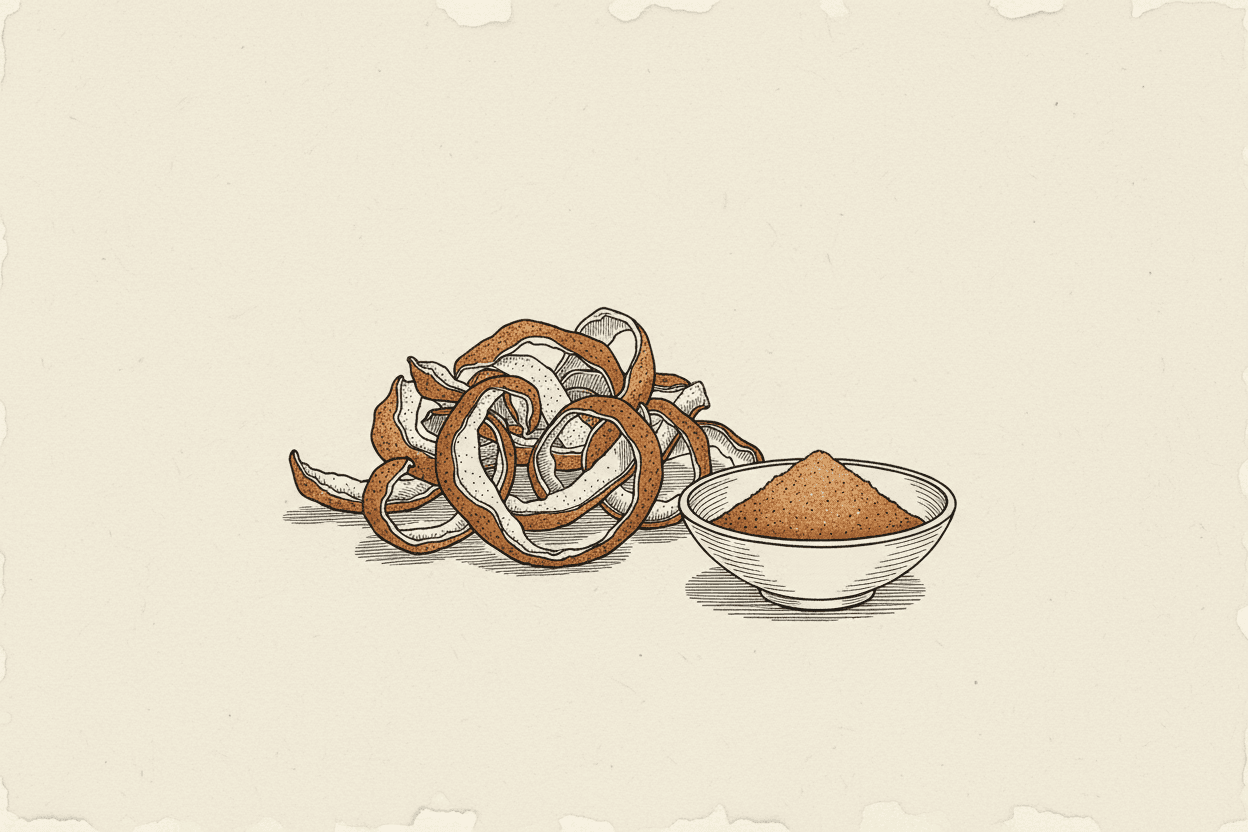
Pectin is a group of complex carbohydrates found in plants. Manufacturers extract it from citrus peel, apple pomace or beet pulp, and FDA lists its uses as an emulsifier, stabilizer and thickener. The United States and the European Union both allow it widely in packaged foods, and FDA counts it as dietary fiber on the Nutrition Facts panel. EFSA found no safety concern for its use as a food additive. In one small human study, 36 grams a day for six weeks was associated with bloating and gas in some volunteers. On the Open Food Facts listings for two scanned products, Friendly's Orange Cream bars and a Nature's Bakery fig bar, pectin shows up in two very different places.
Key Takeaways
- Plant-derived structure: Pectin consists chiefly of partially methylated polygalacturonic acid units and is produced by hot dilute acid extraction, then precipitated with alcohol or recovered as a metal salt.
- Dual regulatory recognition: Affirmed as Generally Recognized as Safe (GRAS) by the FDA under 21 CFR 184.1588 with no limit beyond good manufacturing practice. In the EU it is authorised as E 440i and E 440ii, and EFSA saw no need for a numerical ADI.
- Officially recognized fiber: Pectin is one of seven isolated non-digestible carbohydrates FDA has determined to have physiological effects beneficial to human health, so it counts toward dietary fiber on Nutrition Facts panels.
- Hidden on labels: Pectin may appear in a product's main ingredient list next to other gums, or only inside a compound ingredient such as a fruit jam.
What Is Pectin (E 440i and E 440ii)?
FDA's GRAS rule describes pectins as "a group of complex, high molecular weight polysaccharides found in plants and composed chiefly of partially methylated polygalacturonic acid units" (CAS No. 9000-69-5). The rule covers high-ester pectins, low-ester pectins, amidated pectins, pectinic acids and pectinates.
In the European Union, pectin is food additive E 440i and amidated pectin is E 440ii. EFSA re-evaluated the two together in 2017 and reached the same conclusion for both. Neither of the product listings below says which type of pectin it uses.
Quiz
Both list pectin. Which one lists it only inside a sub-ingredient, not in its main ingredient list?
Guess before you scroll.
Reveal Aurascan's verdict
Aurascan says: It's a tie
How Is Pectin Made?
According to 21 CFR 184.1588, pectin is produced commercially by extracting citrus peel, apple pomace or beet pulp with hot dilute acid, at a pH of 1.0 to 3.5 and a temperature of 70 to 90 degrees Celsius.
The extract is filtered, and pectin is then precipitated from the clear extract with ethanol or isopropanol, or recovered as the copper or aluminum salt. EFSA's 2017 opinion names citrus peels and apple pomace as the main sources for the food additive.
What Is Pectin Used for in Processed Foods?
Under 21 CFR 184.1588, the uses FDA names for pectins are as emulsifiers and as stabilizers and thickeners. Its GRAS status carries no limit other than current good manufacturing practice.
Two places it shows up:
- Fruit preserves and jams: Under 21 CFR 150.160, federal standards of identity for fruit preserves and jams permit optional added pectin in quantities that reasonably compensate for any natural pectin deficiencies in the fruit ingredients.
- Frozen desserts and fruit bars: Friendly's Orange Cream bars list pectin among a run of thickeners, and Nature's Bakery lists it inside its apple jam. Neither listing says what job pectin does in that product. Our guide to Friendly's five thickeners covers the gums it sits next to.
FDA also counts pectin as dietary fiber. Under 21 CFR 101.9(c)(6)(i), the FDA defines dietary fiber and names seven isolated or synthetic non-digestible carbohydrates "determined by FDA to have physiological effects that are beneficial to human health": beta-glucan soluble fiber, psyllium husk, cellulose, guar gum, pectin, locust bean gum and hydroxypropylmethylcellulose. These are included in the dietary fiber amount on the Nutrition Facts panel. Guar gum and locust bean gum (listed as carob bean gum by Friendly's), which appear near pectin on the labels below, are on the same list.
Scan preview
Friendly's
Friendly's Ice Cream Bars, Orange Creme
Sugar · Corn Syrup · Cream
Standout ingredient: Sweetcream Buttermilk
Analysis by Aurascan. The app shows the full breakdown and its sources.
Is Pectin Safe? FDA and EFSA
In the United States, the FDA affirmed pectins as Generally Recognized as Safe (GRAS) in 1983, allowing use in conventional foods with no limitations other than current good manufacturing practice (GMP). The rule, 21 CFR 184.1588, sets no numerical limit.
In the European Union, the European Food Safety Authority (EFSA) re-evaluated pectin (E 440i) and amidated pectin (E 440ii) in a comprehensive 2017 scientific opinion. EFSA's ANS Panel said pectin and amidated pectin would not be absorbed intact, but extensively fermented by intestinal microbiota in animals and humans. A chronic toxicity study in rats showed no adverse effects at doses up to 5,000 milligrams of pectin per kilogram of body weight per day, the highest dose tested. The Panel concluded there is no safety concern for pectin and amidated pectin as food additives for the general population and no need for a numerical Acceptable Daily Intake (ADI). In the EU, both are authorised at quantum satis (as much as technically needed) in almost all food categories, apart from foods for infants and young children and fruit juices and nectars.
A 2021 EFSA follow-up looked at pectins in foods for infants below 16 weeks of age. It recommended tighter specifications for arsenic, lead, cadmium, mercury and sulfur dioxide, new criteria for aluminium and microbes, and lower maximum levels in two categories of special medical-purpose infant foods, because at the current maximum levels an internal methanol dose could lead to adverse effects in infants that young. We have not verified whether those recommendations have been adopted into EU law. That finding is about young infants; it does not apply to ice cream bars or fig bars.
Side Effects: What the Human Data Show
EFSA's 2017 opinion describes pectin as not absorbed intact and extensively fermented by gut microbiota. The panel weighed the human data below.
What it found:
- Abdominal distension and flatus: In a six-week study of five healthy male volunteers, 36,000 milligrams (36 grams) of pectin a day, about 515 mg per kg of body weight, was associated with abdominal distension and increasing flatus in some individuals. The Panel called these effects undesirable, but not adverse.
- Exposure: EFSA's highest estimate of exposure from additive use was up to 442 mg per kg of body weight per day, for toddlers in a brand-loyal 95th-percentile scenario.
- Allergenic potential: The EFSA Panel did not consider E 440i and E 440ii as having allergenic potential.
How to Spot Pectin on Food Labels
Finding pectin on a packaged food panel is not always straightforward. Depending on how a recipe is structured, pectin may appear prominently in the primary ingredient list or hide inside a sub-recipe. Consider two contrasting examples recorded in the Open Food Facts database on October 7, 2026:
Scenario 1: Direct Main-Ingredient Placement
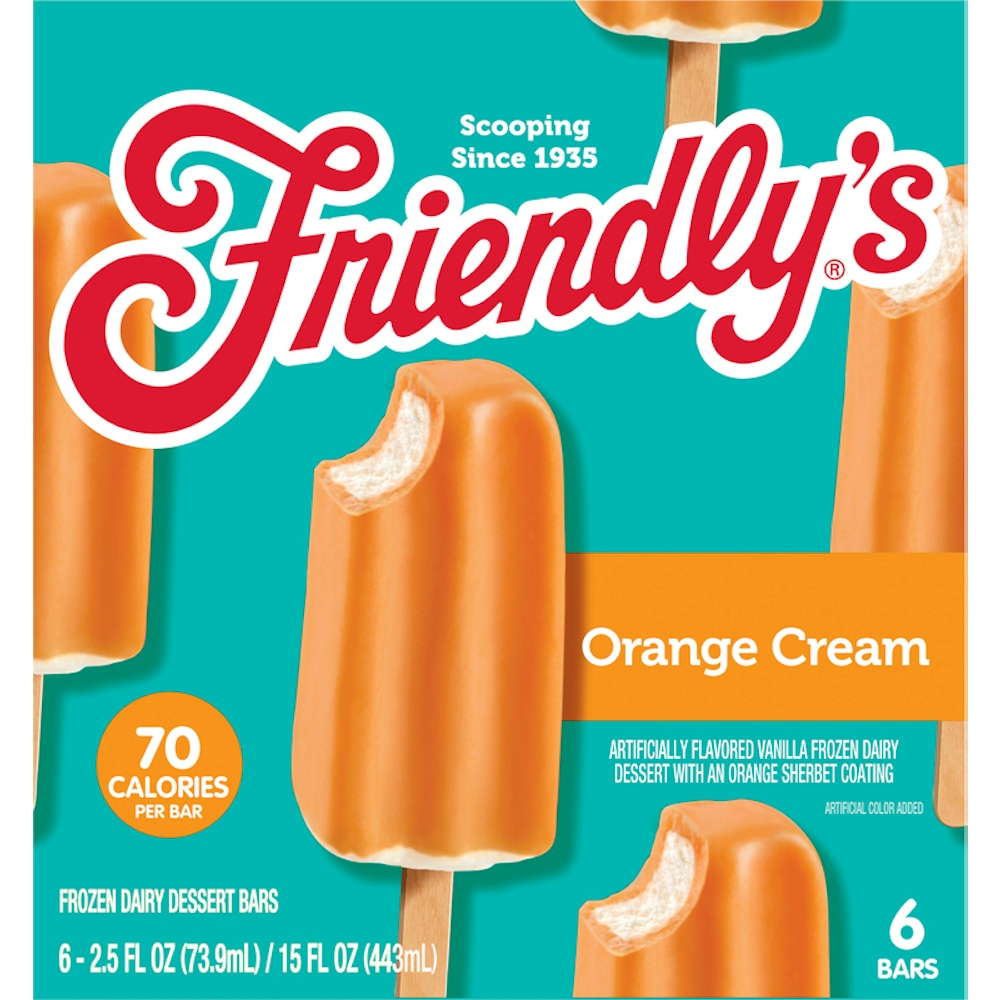
In the Open Food Facts listing for Friendly's Orange Cream Ice Cream Bars (barcode 029839100170), pectin is listed directly in the primary ingredient statement: "Milk, sugar, water, cream, corn syrup, skim milk solids, high fructose corn syrup, whey, orange pulp, natural flavors, concentrated orange juice, vanilla extract, citric acid, guar gum, mono and diglycerides, carob bean gum, cellulose gum, carrageenan, pectin, yellow 6."
Here, pectin appears 19th out of 20 ingredients, situated directly before yellow 6 and closing out a run of thickeners alongside guar gum, carob bean gum, cellulose gum, and carrageenan. The listing contains no "2% or less" grouping statement. The product also contains orange pulp and orange juice concentrate. EFSA notes that pectins occur naturally in fruit and vegetables, but the amount of naturally occurring pectin in the bar is not known.
Scenario 2: Embedded Inside a Sub-Ingredient
In contrast, the Open Food Facts listing for Nature's Bakery Whole Wheat Apple Cinnamon Fig Bar (barcode 047495112559) shows pectin inside a compound ingredient: "Whole Wheat Flour, Cane Sugar, Fig Paste, Brown Rice Syrup, Apple Jam (Cane Sugar, Naturally Milled Sugar, Rice Starch, Apple Powder, Evaporated Apples, Glycerin, Natural Flavor, Pectin, Citric Acid, Cinnamon, Locust Bean Gum), Canola Oil, Whole Grain Oats, Glycerin, Fruit Juice (for color), Sea Salt, Natural Flavor, Citric Acid, Baking Soda."
Pectin is not visible as a top-level ingredient. Instead, it appears as the 8th of 11 sub-ingredients nested inside the "Apple Jam" parenthetical, between natural flavor and citric acid. The product also incorporates fig paste, apple powder, and evaporated apples, but the listing does not say how much pectin comes from the fruit itself.
Neither product listing states the precise quantity of pectin, which functional pectin sub-type was selected, or the botanical source of the additive. When reading ingredient labels, look for:
- Pectin or Pectins
- Amidated pectin
- E 440i or E 440ii, the EU additive numbers
- Parenthetical sub-lists for compound ingredients such as fruit jams
Quiz
Nature's Bakery lists pectin inside its apple jam, in the same sub-list as locust bean gum. Does knowing that change your pick?
Guess before you scroll.
Reveal Aurascan's verdict
Aurascan says: Flagged
The main flag is STONE GROUND WHOLE WHEAT FLOUR.
Pectin and the Other Gums on These Two Labels
On both listings, pectin sits near other gums. Friendly's lists guar gum, carob bean gum, cellulose gum and carrageenan, with mono and diglycerides in the same run, right before pectin. Nature's Bakery lists locust bean gum at the end of the same apple jam sub-list that contains pectin.
Carob bean gum is another name for locust bean gum. Guar gum, locust bean gum and pectin all appear on FDA's list of isolated fibers that count toward dietary fiber. The FDA's dietary fiber Q&A says the May 2016 Nutrition and Supplement Facts final rule identified seven such carbohydrates, pectin among them. Neither listing says how many grams of fiber either product has, or how much comes from pectin.
Limitations and Evidence Boundaries
The human tolerance data EFSA cites come from one six-week study in five healthy men eating 36 grams a day. It does not tell us how smaller amounts affect other groups. Open Food Facts listings and standard ingredient panels do not disclose the exact milligram content of pectin in individual packaged foods, which pectin type was used, or whether it came from apples, citrus or beets. This article is not medical advice.
Curious about the functional stabilizers and thickeners sitting in your pantry? Scan your next packaged product with the Aurascan app to see each ingredient broken down with clear, cited evidence.
Try Aurascan
See what is really in the food you buy.
Common questions
- Is pectin vegan and vegetarian friendly?
- The production method in 21 CFR 184.1588 extracts pectin from plant materials: citrus peel, apple pomace or beet pulp. The foods that contain it may not be vegan. Friendly's Orange Cream bars, for example, list milk and cream.
- Does pectin count as dietary fiber on food labels?
- Yes. Under 21 CFR 101.9(c)(6)(i), pectin is one of seven isolated non-digestible carbohydrates FDA has determined to have physiological effects beneficial to human health, so it is included in the dietary fiber amount on U.S. Nutrition Facts panels.
- What is the difference between E 440i and E 440ii?
- E 440i is pectin and E 440ii is amidated pectin. EFSA re-evaluated both together in 2017 and found no safety concern for either. In the US, amidated pectins fall under the same GRAS rule, 21 CFR 184.1588.
- Can pectin cause allergic reactions?
- The European Food Safety Authority (EFSA) panel that re-evaluated pectin in 2017 did not consider E 440i and E 440ii as having allergenic potential.
- Why do some labels list pectin next to other gums?
- FDA lists pectin's uses as an emulsifier, stabilizer and thickener, and some products list several such ingredients together. Friendly's Orange Cream bars list pectin after guar gum, carob bean gum, cellulose gum and carrageenan. Neither listing reviewed here says what pectin does in that product.
- Are high amounts of pectin harmful?
- EFSA found no safety concern for pectin as a food additive and set no numerical acceptable daily intake (ADI). In a six-week study of five healthy men, 36 grams a day was associated with abdominal distension and increasing flatus in some of them, effects EFSA called undesirable but not adverse.
Sources
- 21 CFR 184.1588 Pectins (ecfr.gov)
- 21 CFR 101.9 Nutrition labeling of food (ecfr.gov)
- 21 CFR 150.160 Fruit preserves and jams (ecfr.gov)
- Questions and Answers on Dietary Fiber (fda.gov)
- Re-evaluation of pectin (E 440i) and amidated pectin (E 440ii) as food additives (pmc.ncbi.nlm.nih.gov)
- Follow-up of the re-evaluation of pectin (E 440i) and amidated pectin (E 440ii) as food additives in foods for infants (pmc.ncbi.nlm.nih.gov)
In this series
Guide
Glycerol Ester of Rosin: The Pine Ingredient in Fanta and FrescaGuide
Do Sweetener Blends Add Up? A New Review Says NoGuide
Cocoa Processed With Alkali: What Dutch Cocoa Means on LabelsGuide
Ultra-Processed Food, Sleep and Type 2 Diabetes RiskGuide
Red Meat vs Plant-Based Meat: 10-Week Trial ResultsGuide
Acacia Gum (Gum Arabic): What It Is and Why FDA Calls It Fiber
Related guides
Comparisons
Coffee mate vs International Delight: Ingredients and SugarCoffee mate vs International Delight French Vanilla creamer: soybean/canola oil vs palm oil, sugar per tablespoon, carrageenan and the other additives on each label.
Latest News
Two Weeks of Ultra-Processed Food Didn't Dull Satiety HormonesA small Dutch trial fed young adults diets of about 95% ultra-processed food for two weeks. Gut fullness hormones did not change, though hunger ratings shifted slightly.
Ingredient Reviews
Glycerol Ester of Rosin: The Pine Ingredient in Fanta and FrescaFanta Orange and Fresca both list glycerol ester of rosin. What this pine-derived ester gum is, the US 100 ppm drink cap, and EFSA's 2023 ADI.
Try it on your own groceries
Scan your next label with Aurascan
Point the camera at any ingredient list and get the same evidence-graded read you see here.
Open the scannerGet food recall alerts + a weekly digest
An email when a food recall is announced, plus one weekly roundup of label news and new guides.
We email a confirmation link first - nothing is sent until you click it. Unsubscribe anytime. Privacy