
Ingredient Reviews · September 29, 2026 · 9 min read
Locust Bean Gum: Is It Safe? What 4 Scanned Labels Show
Locust bean gum (also sold as carob bean gum, E410) thickens ice cream, soda and fig bars. What the FDA and EFSA say, and where it shows up on real labels.
By Chris Carrillo · Reviewed by Armin Rad, Co-Founder & CTO, Aurascan · September 29, 2026
Every article is checked against primary sources before publication. How we review
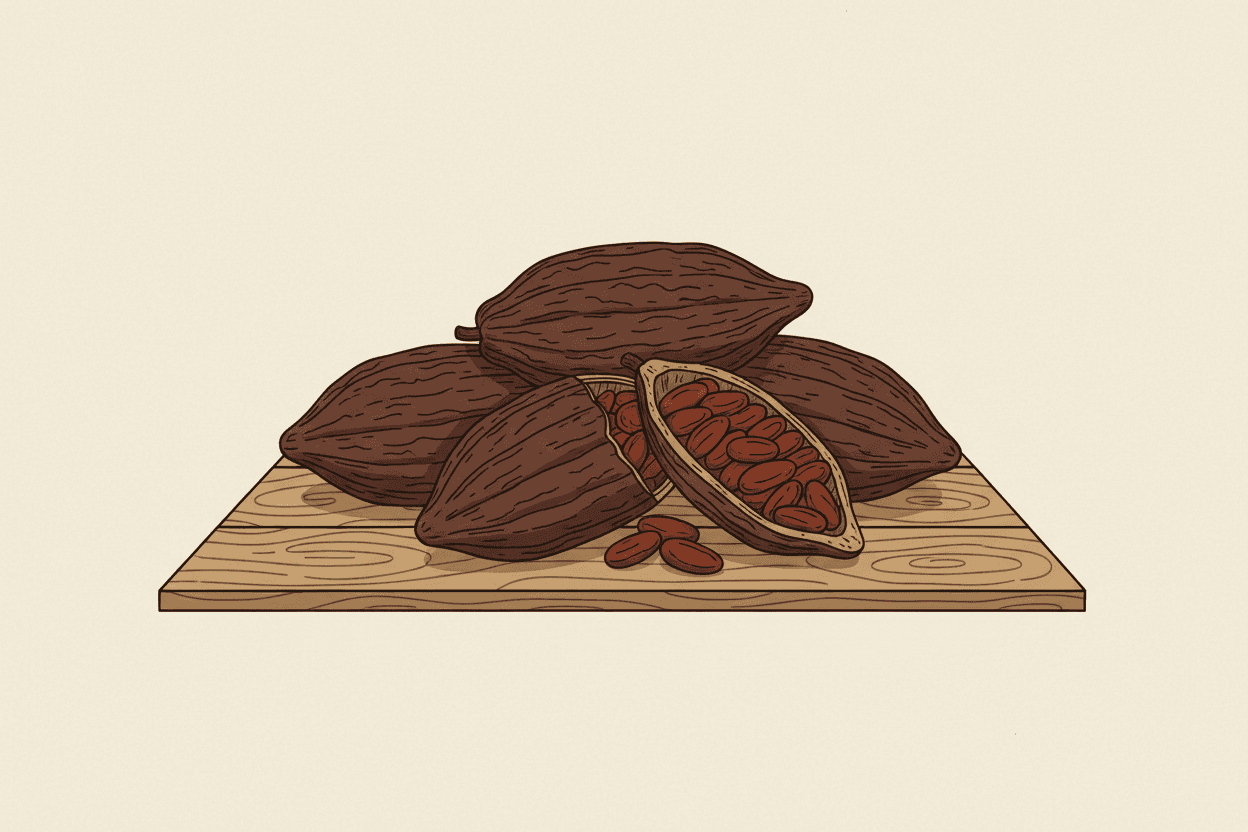
Locust bean gum, also known as carob bean gum or E410, is a natural plant-based thickener extracted from the seeds of the carob tree. The US FDA and the European Food Safety Authority (EFSA) both treat it as safe at permitted levels, and EFSA notes it is not absorbed intact, passing through the gut as a non-digestible fiber. It stabilizes textures in dairy, sauces and frozen desserts.
Key takeaways:
- Locust bean gum and carob bean gum are identical ingredients (E410) derived from the milled endosperm of the carob tree (Ceratonia siliqua).
- Unlike many GRAS ingredients, the FDA regulation (21 CFR 184.1343) sets explicit maximum usage caps across food categories, ranging from 0.15% in baked goods to 0.8% in cheeses.
- JECFA allocated locust bean gum an ADI of "not specified" in 1981, and EFSA concluded in 2017 that no numerical ADI is needed for the general population; foods for special medical purposes for infants were assessed separately in 2023.
- Locust bean gum is frequently combined with ingredients like xanthan gum or carrageenan to produce synergistic, ultra-stable gels at low concentrations.
What is locust bean gum (carob bean gum, E410)?
Locust bean gum is a natural hydrocolloid used throughout the food industry to adjust texture, bind water, and keep liquids from separating. Under US federal regulations defined in 21 CFR 184.1343, the ingredient is formally titled "Locust (carob) bean gum." The regulation defines it as primarily the macerated endosperm of the seed of the locust or carob bean tree, Ceratonia siliqua (Linne), a leguminous evergreen tree, along with lesser quantities of seed coat and germ.
If you see "carob bean gum" on one package and "locust bean gum" on another, they are the exact same substance. In the European Union and other international labeling frameworks, it is identified by the food additive code E 410. EFSA also lists algaroba gum as a synonym.
Chemically, locust bean gum is made of galactomannans, long-chain polysaccharides of mannose and galactose in a ratio of about 4:1, according to EFSA. These large carbohydrate chains dissolve in hot water to create a viscous solution. Because humans lack the digestive enzymes required to break down these complex plant polymers in the small intestine, the gum passes through the upper gastrointestinal tract largely intact, functioning essentially as soluble dietary fiber.
Quiz
Fresca lists carob bean gum, the same thickener as locust bean gum. Guess Aurascan's verdict on the can.
Guess before you scroll.
Reveal Aurascan's verdict
Aurascan says: Flagged
The main flag is Citric Acid.
How is locust bean gum made?
The production of locust bean gum focuses on isolating the carbohydrate-rich interior of the carob seed while removing the outer hull and the reproductive germ. The carob tree produces large brown pods containing hard seeds. Harvested seeds are collected and cleaned before undergoing a de-husking process.
According to EFSA's 2017 re-evaluation, the seeds are dehusked by treating the kernels with dilute sulfuric acid or with thermal mechanical treatments, and the germ is then removed from the surrounding endosperm.
The endosperm is milled and screened into a white to yellowish-white, nearly odourless powder. EFSA notes the gum may also be washed with ethanol or isopropanol to control its microbial load.
What is locust bean gum used for in food?
Locust bean gum functions primarily as a stabilizer, thickener, and texturizer. It binds water exceptionally well, preventing moisture from weeping out of foods (a process known as syneresis). In ice cream and frozen dairy desserts, this water-binding property prevents large ice crystals from forming during temperature fluctuations, helping preserve a creamy texture during storage.
In packaged baked goods, fruit preparations, and pastry fillings, carob bean gum provides structural body and viscosity, keeping fruit gels firm and stopping pie fillings from turning watery. It is also added to nonalcoholic beverages, processed cheeses, and sauces to create a satisfying mouthfeel without introducing fat or altering the intended flavor profile.
One unique physical characteristic of locust bean gum is its synergy with other food hydrocolloids. When combined with ingredients such as xanthan gum, agar, or carrageenan, locust bean gum exhibits a greater than additive increase in viscosity or gel strength. Food scientists take advantage of this interaction by combining tiny fractions of multiple gums, allowing them to achieve firm, resilient gels at far lower overall additive concentrations than if they used a single gum alone.
Roundup
4 scanned labels that list locust (carob) bean gum
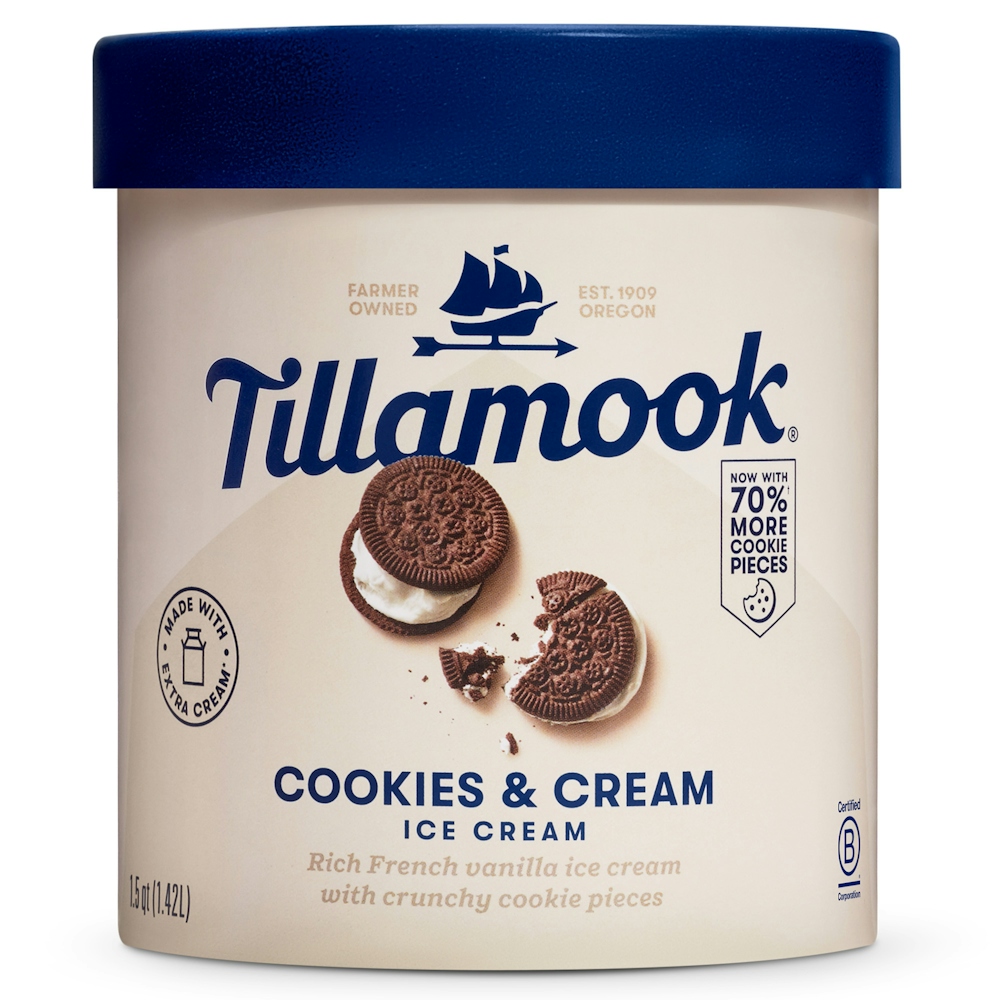
Tillamook
Tillamook Cookies And Cream Ice Cream, 48fl-oz
Analysis by Aurascan. The app shows the full breakdown and its sources.
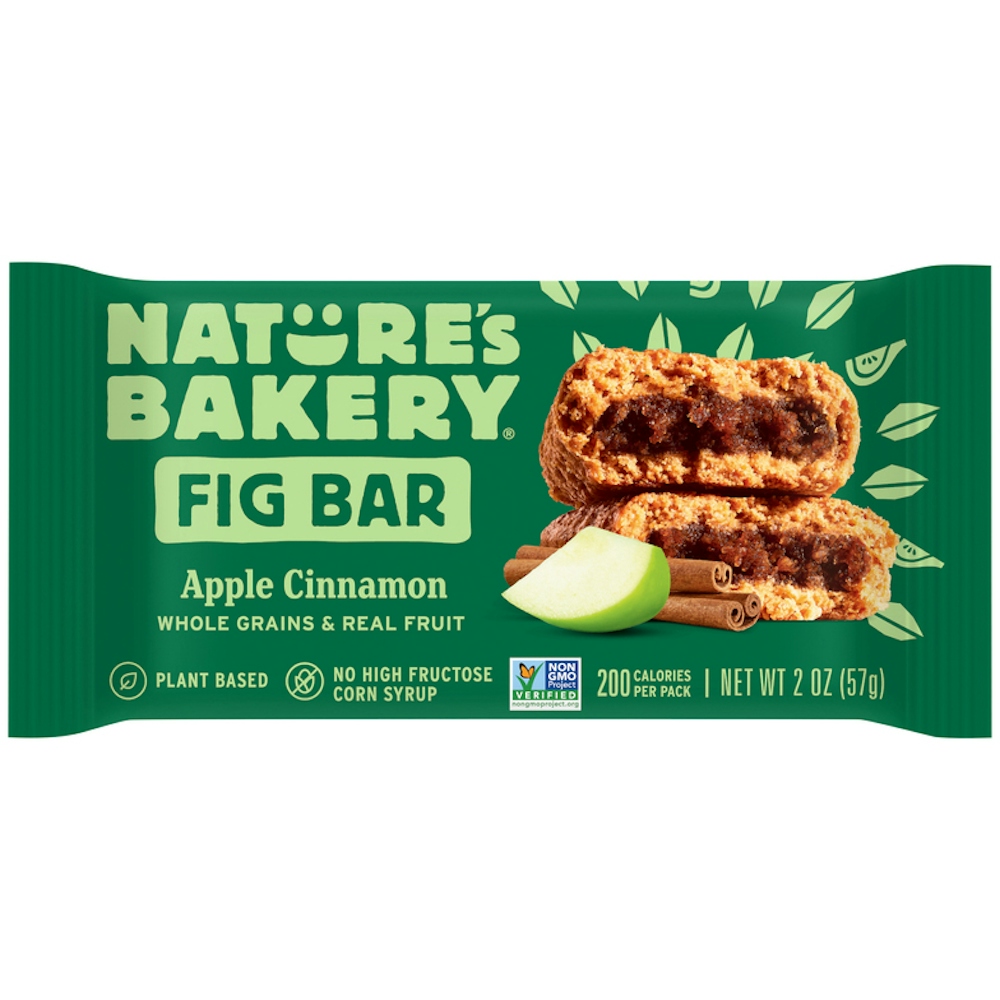
Nature's Bakery
Nature's Bakery Whole Wheat Apple Cinnamon Fig Bar
Analysis by Aurascan. The app shows the full breakdown and its sources.
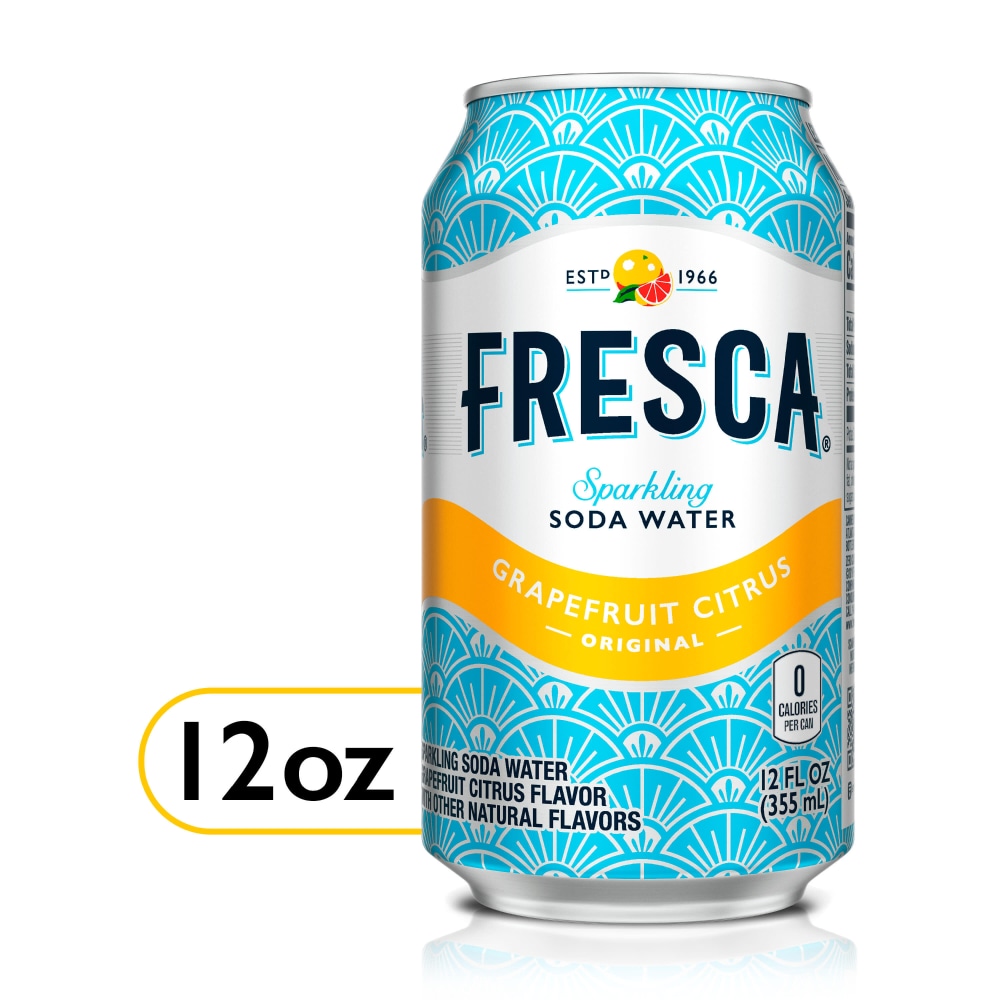
Fresca
Fresca Grapefruit Citrus Sparkling Soda Water
Analysis by Aurascan. The app shows the full breakdown and its sources.
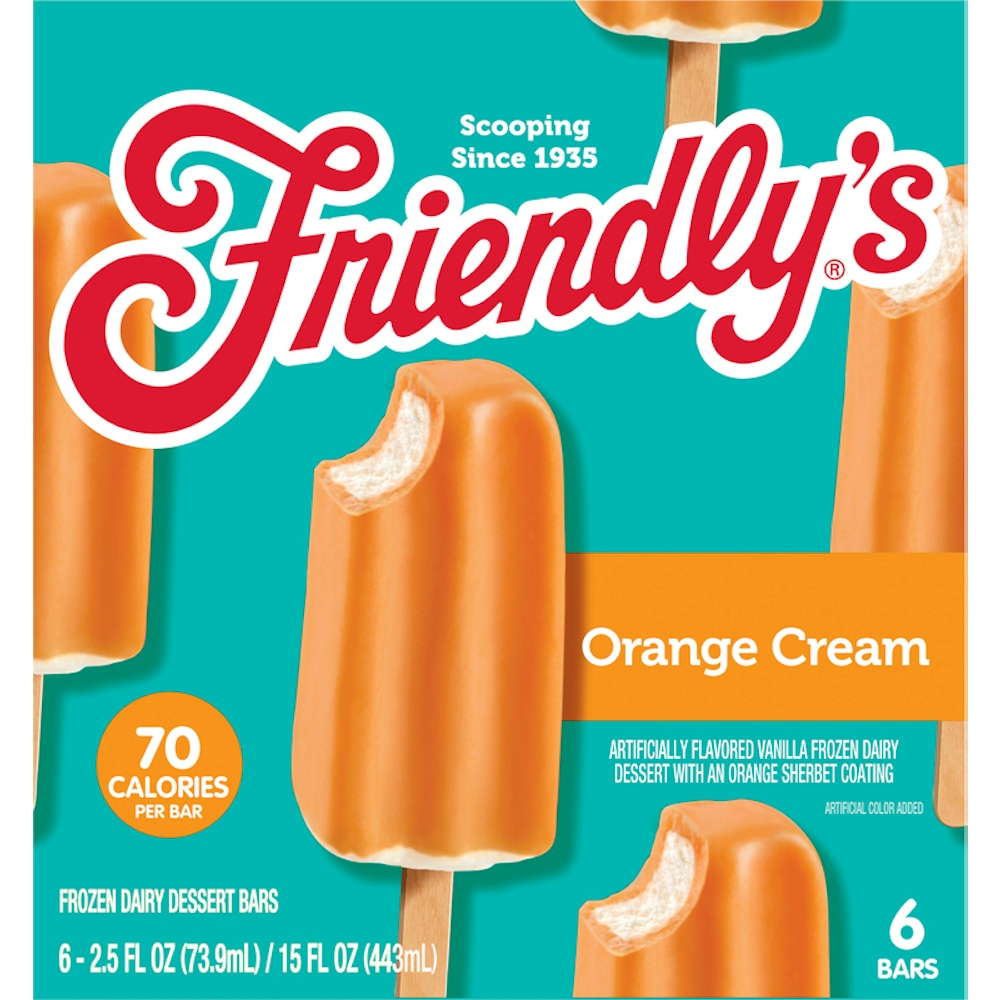
Friendly's
Friendly's Ice Cream Bars, Orange Creme
Analysis by Aurascan. The app shows the full breakdown and its sources.
Is locust bean gum (carob bean gum, E410) safe?
Major international and national food safety bodies have repeatedly reviewed locust bean gum and affirmed its safety for standard food consumption. In the United States, the FDA lists it under 21 CFR 184.1343 as a direct food substance affirmed as Generally Recognized as Safe (GRAS). Unlike many GRAS entries that simply permit use under "current good manufacturing practice," the regulation establishes explicit maximum allowable levels in food as served:
- Baked goods and baking mixes: 0.15%
- Nonalcoholic beverages and beverage bases: 0.25%
- Cheeses: 0.8%
- Gelatins, puddings, and fillings: 0.75%
- Commercial jams and jellies: 0.75%
- All other food categories: 0.5%
In Europe, the EFSA ANS Panel published a comprehensive re-evaluation in 2017. The panel reviewed 90-day rodent toxicity and carcinogenicity studies, finding no adverse effects at the highest doses tested. There were also no concerns identified regarding genotoxicity or reproductive and developmental toxicity. Noting that the gum is not absorbed intact, EFSA concluded that there is no need for a numerical Acceptable Daily Intake (ADI) and that the additive poses no safety concern for the general population at reported food-additive exposure levels. This aligned with the Joint FAO/WHO Expert Committee on Food Additives (JECFA), which allocated an ADI of "not specified" back in 1981.
While standard food exposures are well-tolerated, specialized uses undergo different calculations. In 2023, the EFSA FAF Panel evaluated locust bean gum specifically for use in foods for infants below 16 weeks of age and in foods for special medical purposes for infants and young children. Earlier observations had raised questions about whether locust bean gum might decrease the bioavailability of essential minerals like calcium, iron, and zinc, though subsequent human data did not confirm such an effect. Identifying a reference point of 1,400 mg/kg body weight per day based on reduced blood zinc levels in a piglet study, EFSA applied a margin-of-exposure (MoE) approach. The panel concluded that an MoE above 1 would not raise a safety concern; that was met for toddlers at all exposure levels but only for some of the scenarios and exposure levels for infants. It also supported amending the EU purity specifications.
Clinical research examining thickened infant formulas has also added to the safety record. A randomized controlled trial published by Salvatore and colleagues in 2024 followed 103 full-term infants with regurgitation over an 8-week period. Infants fed an anti-regurgitation formula containing 0.4 g/100 mL of locust bean gum had significantly lower regurgitation frequency than those on an unthickened control formula, without looser or more watery stools. The trial was funded by Danone Nutricia Research, three of its authors work for Nutricia Research, and it was designed to support EFSA's safety re-evaluation of the gum in infant formula.
Does locust bean gum cause side effects, and who should be cautious?
For the vast majority of adults, eating foods containing locust bean gum causes no noticeable symptoms. Because it is non-digestible and fermentable by colonic microflora, consuming very large supplemental amounts can theoretically lead to gastrointestinal effects like bloating, gas, or mild laxation. However, at the sub-1% levels used in packaged groceries, these effects are uncommon.
Populations with sensitive digestive systems, such as individuals navigating irritable bowel syndrome (IBS) or following a strict low-FODMAP diet, may occasionally find that fermentable gums aggravate gut symptoms. Still, clinical evidence directly measuring adverse gut reactions to food-additive doses of locust bean gum in healthy adults remains sparse.
Some marketing sources have promoted locust bean gum as a functional supplement for lowering cholesterol or moderating blood sugar. However, a 2026 systematic review by Juhász and colleagues evaluating 50 randomized controlled trials on metabolic health found only a single trial investigating locust bean gum, compared to 27 trials on guar gum and 20 on fenugreek. While guar gum showed consistent lipid effects, the evidence supporting metabolic health claims for locust bean gum in adults is very thin.
How to spot locust bean gum on a food label
Because ingredient statements in the US and many other jurisdictions list ingredients in descending order of predominance by weight, you can gauge where locust bean gum sits in a recipe by checking its position relative to other items.
In the four labels below, locust bean gum appears at or near the end of the ingredient list, which points to a small amount:
- Tillamook Cookies & Cream Ice Cream: The ingredient statement opens with cream, skim milk, milk and sugar, and locust bean gum is the very last item, listed after three other gums: guar gum, tara gum and xanthan gum (Open Food Facts record for barcode 072830081054).
- Nature's Bakery Apple Cinnamon Fig Bar: Locust bean gum appears inside the sub-ingredient list for the apple jam, alongside pectin and citric acid (Open Food Facts record for barcode 047495112559).
- Fresca Grapefruit Citrus: Listed under the alternate name carob bean gum, it is the last ingredient; acacia gum appears a few items earlier (Open Food Facts record for barcode 049000002485).
- Friendly's Orange Cream Bars: Carob bean gum is listed toward the end of the formula, alongside guar gum, cellulose gum and carrageenan (Open Food Facts record for barcode 029839100170).
Conversely, some brands avoid stabilizers entirely. Haagen-Dazs Vanilla and Chocolate ice creams, for example, list only cream, skim milk, cane sugar and egg yolks plus vanilla or cocoa, with no gums. Note that while ingredient lists reveal the presence and relative ranking of locust bean gum, no consumer food label discloses the exact percentage used, meaning it is impossible to verify whether a product hits the 0.15% to 0.8% regulatory caps from packaging alone.
What are common alternatives to locust bean gum?
Food formulators choose stabilizers based on desired texture, processing conditions, and allergen profiles. When locust bean gum is omitted, manufacturers often select alternative hydrocolloids:
- Guar gum: Extracted from guar beans, this gum dissolves more readily in cold water; locust bean gum swells in cold water but needs heat for maximum solubility, according to EFSA. See our guar gum review.
- Xanthan gum: Produced by bacterial fermentation of sugars, xanthan gum is popular in gluten-free baking and salad dressings. See our xanthan gum review.
- Tara gum: Positioned between guar and locust bean gum in chemical structure, tara gum provides smooth texture and binds water well in frozen desserts.
- Carrageenan: A seaweed-derived polysaccharide used extensively to stabilize dairy beverages and prevent protein separation. Learn more in our review on Is Carrageenan Safe? Uses, Safety, and Regulatory Status.
- Pectin: Derived from citrus peels and apple pomace, pectin is the standard gelling agent in jams and acidic fruit preparations.
If you prefer to avoid all added gums, choosing minimally processed foods or brands formulated strictly with cream, milk, eggs, or simple starches offers a straightforward alternative.
Evidence limitations: While current regulatory evaluations affirm the safety of locust bean gum at permitted levels, human clinical studies evaluating long-term dietary exposure in healthy adults remain scarce. Furthermore, available research has not established whether consuming commercial blends of multiple gums (such as locust bean gum paired with xanthan gum or carrageenan) alters gut microbiota or digestion differently than consuming single gums in isolation. Formula safety conclusions cannot be directly generalized from infant FSMP contexts to standard adult desserts.
Scan preview
Nature's Bakery
Nature's Bakery Whole Wheat Apple Cinnamon Fig Bar
STONE GROUND WHOLE WHEAT FLOUR · DRIED CANE SUGAR · FIG PASTE
Standout ingredient: ROLLED OATS
Analysis by Aurascan. The app shows the full breakdown and its sources.
Try Aurascan
See what is really in the food you buy.
Common questions
- Is locust bean gum the same as carob bean gum?
- Yes. Locust bean gum and carob bean gum are two names for the same ingredient, derived from the seeds of the carob tree (Ceratonia siliqua). In the European Union, both are classified under the food additive code E 410.
- Is locust bean gum safe to eat every day?
- Regulators including the US FDA and the European Food Safety Authority (EFSA) classify locust bean gum as safe. Because it is not absorbed intact into the bloodstream and passes through the digestive tract as soluble fiber, EFSA and JECFA have determined there is no need for a numerical daily intake limit for the general population.
- Why is locust bean gum added to ice cream?
- Locust bean gum binds water molecules, which prevents ice crystals from growing when ice cream melts and refreezes during transport and home storage. It helps preserve a smooth, creamy texture over time.
- Does locust bean gum contain gluten?
- No. Locust bean gum is naturally derived from the seeds of the carob tree, an evergreen legume, and does not contain gluten. However, it can appear in foods that contain wheat or other gluten sources, so checking the entire label is essential.
- Can locust bean gum cause digestive issues?
- In typical food amounts, locust bean gum is generally well-tolerated. However, because it is a non-digestible, fermentable soluble fiber, consuming very large amounts can cause gas, bloating, or loose stools in people with sensitive digestive tracts.
- Is locust bean gum vegan?
- Yes. Locust bean gum is 100% plant-based, harvested from the seeds of the carob tree, making it suitable for vegan and vegetarian diets.
Sources
- 21 CFR 184.1343 - Locust (carob) bean gum (law.cornell.edu)
- Re-evaluation of locust bean gum (E 410) as a food additive (pmc.ncbi.nlm.nih.gov)
- Follow-up of the re-evaluation of locust bean gum (E 410) as a food additive in foods for infants below 16 weeks of age (pmc.ncbi.nlm.nih.gov)
- Tolerance and Safety of an Anti-Regurgitation Formula Containing Locust Bean Gum... (Nutrients 2024, PMID 38542810) (pmc.ncbi.nlm.nih.gov)
- Fenugreek Is Superior to Guar Gum, Locust Bean Gum and Tara Gum for Metabolic Health: A Systematic Review (Nutrients 2026, PMID 42514462) (pmc.ncbi.nlm.nih.gov)
In this series
Guide
Sodium Phosphate in Food: Who Actually Needs to Worry?Guide
Is Silicon Dioxide Bad for You? The Anti-Caking AdditiveGuide
Is Soy Lecithin Safe? Uses, Allergy Facts, and Label NamesGuide
Is Taurine Safe? Energy Drinks, EFSA Limits, and LabelsGuide
What Are Natural Flavors? Uses, Labels, and Safety ExplainedGuide
Is Benzoyl Peroxide Safe? Stability, Regulation, and Safety
Related guides
Ingredient Reviews
Pectin: The Fruit Fiber in Friendly's Bars and Nature's BakeryFriendly's Orange Cream bars and Nature's Bakery fig bars both list pectin. What it is, where it comes from, its US GRAS and fiber status, and EFSA's view.
Ingredient Reviews
Glycerol Ester of Rosin: The Pine Ingredient in Fanta and FrescaFanta Orange and Fresca both list glycerol ester of rosin. What this pine-derived ester gum is, the US 100 ppm drink cap, and EFSA's 2023 ADI.
Comparisons
Coffee mate vs International Delight: Ingredients and SugarCoffee mate vs International Delight French Vanilla creamer: soybean/canola oil vs palm oil, sugar per tablespoon, carrageenan and the other additives on each label.
Try it on your own groceries
Scan your next label with Aurascan
Point the camera at any ingredient list and get the same evidence-graded read you see here.
Open the scannerGet food recall alerts + a weekly digest
An email when a food recall is announced, plus one weekly roundup of label news and new guides.
We email a confirmation link first - nothing is sent until you click it. Unsubscribe anytime. Privacy