
Ingredient Reviews · October 2, 2026 · Updated October 8, 2026 · 8 min read
Caffeine on Food Labels: How Much Is Too Much?
FDA cites 400 mg a day for most adults; EFSA flags 200 mg in one go. What the label must say about caffeine, and what three scanned energy drinks list.
By Chris Carrillo · Reviewed by Armin Rad, Co-Founder & CTO, Aurascan · October 8, 2026
Every article is checked against primary sources before publication. How we review
Caffeine is a stimulant found naturally in coffee, tea and plant extracts such as guarana, and it is also added on its own to drinks and packaged foods. For most healthy adults, major food safety authorities identify up to 400 milligrams per day as an amount not generally associated with negative health effects. However, individual sensitivity varies widely, and while stand-alone added caffeine must appear on U.S. ingredient lists, stating the exact milligram count remains voluntary.
Key takeaways:
- Added caffeine must appear in ingredient lists, but declaring the exact milligram count on U.S. food labels remains voluntary.
- The FDA cites 400 mg a day (about two to three 12 fl oz cups of coffee) as an amount not generally associated with negative effects for most adults, and EFSA reached the same level for healthy adults; rapid intake of around 1,200 mg can cause toxic effects such as seizures.
- Plant extracts such as guarana carry caffeine, so caffeine can enter a product without the word caffeine appearing in the ingredient list.
- The FDA regulates caffeine in cola-type sodas up to a 0.02 percent tolerance under 21 CFR 182.1180, but does not maintain a specific regulation defining caffeine limits for energy drinks.
What is caffeine and how is it added to foods?
Caffeine occurs naturally in coffee and tea, and in plant ingredients such as guarana seed extract and green tea extract that appear on energy-drink labels.
Food manufacturers incorporate caffeine into products in two distinct ways: as an isolated, stand-alone ingredient or through concentrated botanical extracts. Under U.S. labeling rules enforced by the Food and Drug Administration (FDA), all packaged foods are required to list caffeine in the list of ingredients whenever it is added as a stand-alone substance.
However, if caffeine enters a food solely through an ingredient that inherently contains it, such as cocoa powder or chocolate chips, caffeine itself will not appear as a separate line item. Instead, only the parent ingredient is listed. The FDA says there is no difference in the way the body handles caffeine, or in its safety, whether it occurs naturally in coffee and tea or is added to a product.
Roundup
3 scanned energy drinks that list caffeine
Celsius
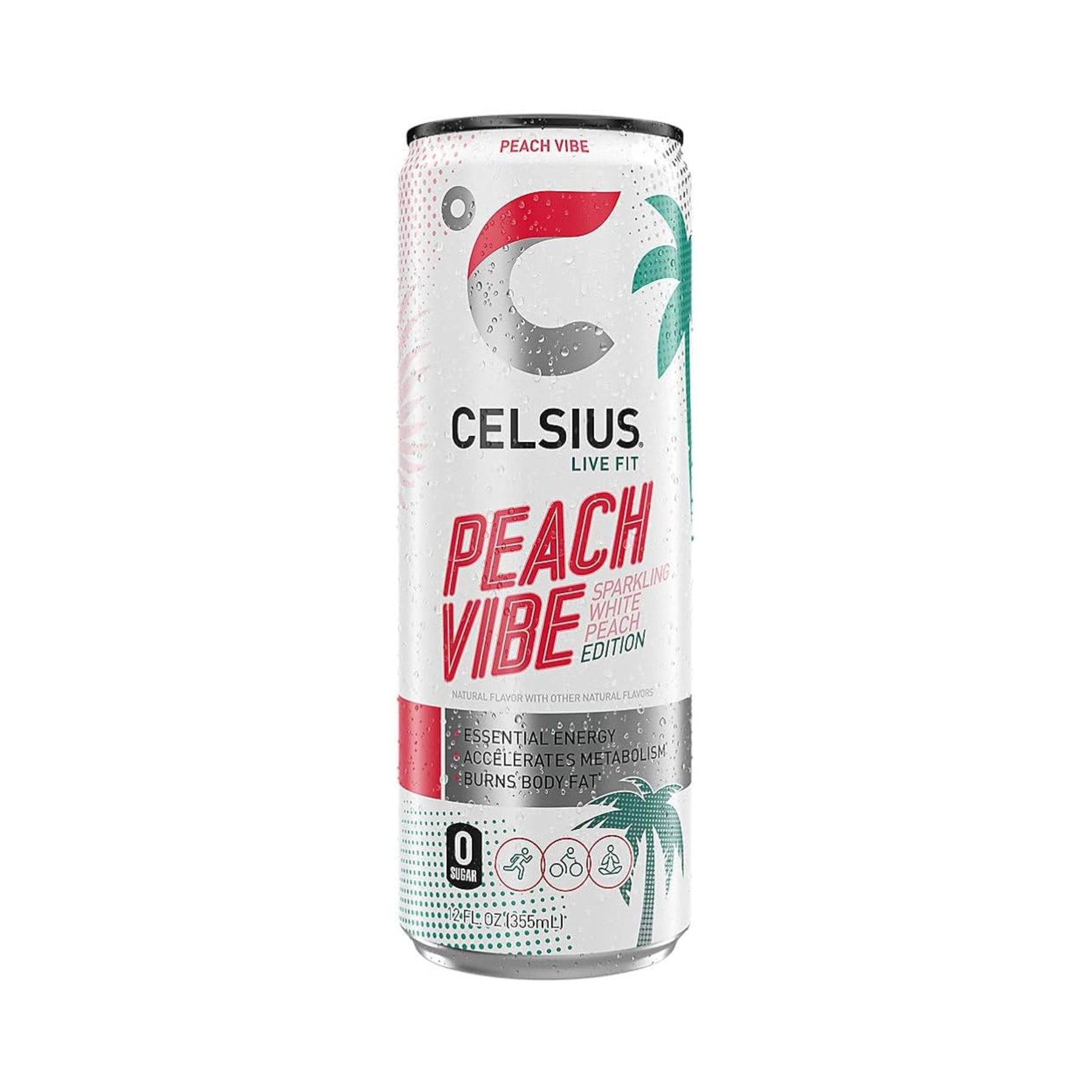
Celsius Sparkling Peach Vibe Energy Drink - 12 Fl Oz Can
Analysis by Aurascan. The app shows the full breakdown and its sources.
Monster
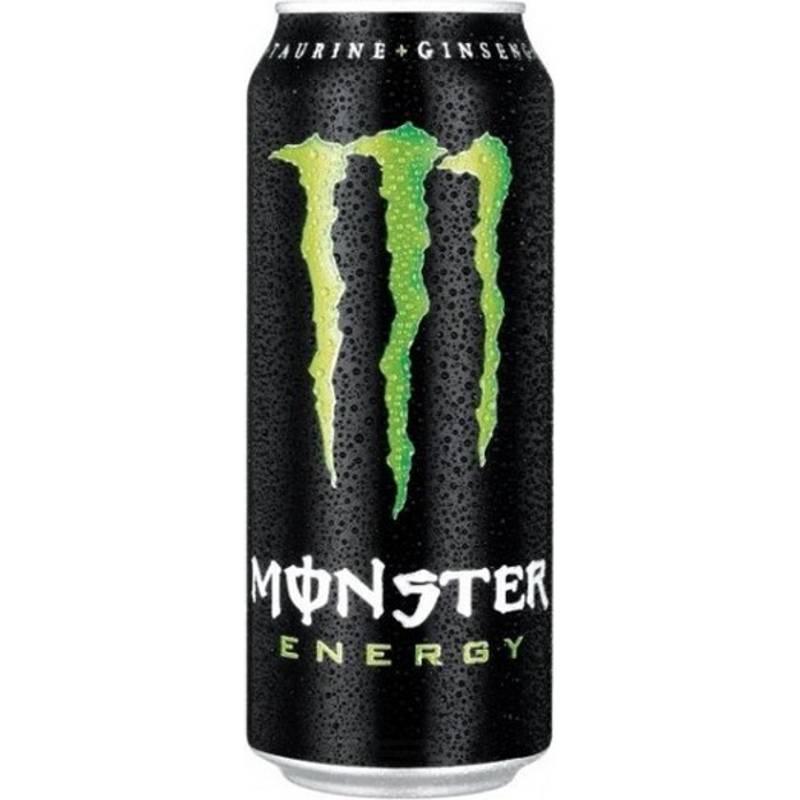
Monster Energy Drink Green 16 Oz Can
Analysis by Aurascan. The app shows the full breakdown and its sources.
Red Bull
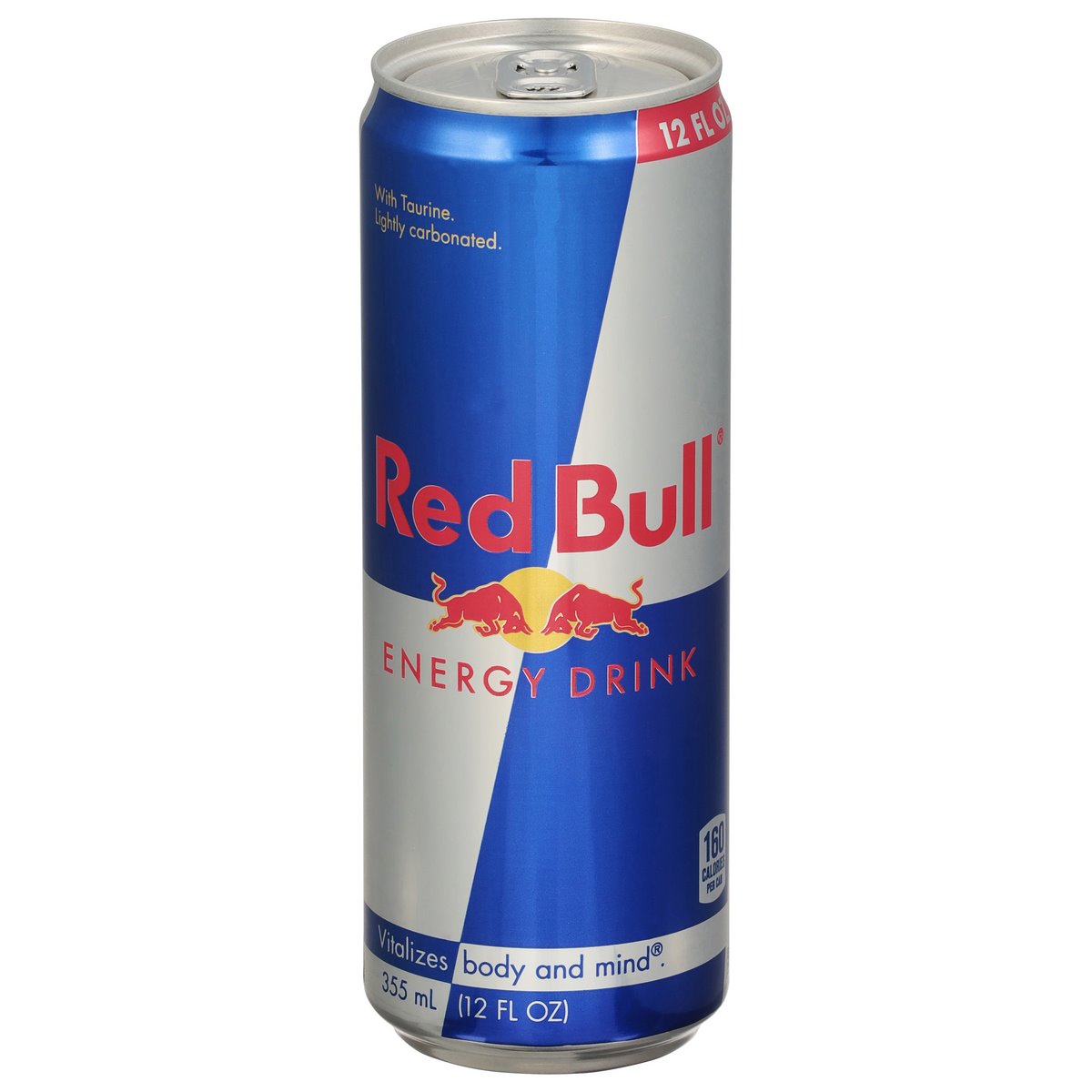
Red Bull Energy Drink 12 Fl Oz Can
Analysis by Aurascan. The app shows the full breakdown and its sources.
What is caffeine used for in beverages and packaged goods?
Under the U.S. Code of Federal Regulations, specifically 21 CFR 182.1180, caffeine is generally recognized as safe (GRAS) when used in cola-type beverages in accordance with good manufacturing practice, with a listed tolerance of 0.02 percent. That tolerance is for cola-type beverages only.
Energy drinks are a common place to find added caffeine. All three scanned cans above also list taurine and B vitamins, and Monster and Celsius add guarana. For a deeper breakdown of common multi-ingredient energy formulations, see our review on whether taurine is safe in energy drinks.
Unlike colas, the FDA does not have a regulation specific to energy drinks. Typical 12-fluid-ounce servings vary significantly across beverage categories according to FDA reference tables:
- Caffeinated soft drinks: 23 to 83 mg
- Green tea: approximately 37 mg
- Black tea: approximately 71 mg
- Regular brewed coffee: 113 to 247 mg
- Energy drinks: 41 to 246 mg per 12 fl oz (and generally 54 to 328 mg per 16 fl oz)
- Decaffeinated coffee: 2 to 15 mg per 8 fl oz
Is caffeine safe? FDA and EFSA daily intake limits
U.S. and European regulators have both looked at how much caffeine healthy adults can have. According to the FDA consumer update Spilling the Beans: How Much Caffeine is Too Much?, an intake of 400 milligrams per day is cited as an amount not generally associated with negative health effects for most healthy adults. That equates to roughly two to three 12-ounce cups of brewed coffee.
The FDA cites a systematic review conducted by Wikoff et al. (2017) published in Food and Chemical Toxicology. Led by the Institute for the Advancement of Food and Nutrition Sciences (IAFNS), an industry-supported science nonprofit, researchers screened over 5,000 articles and evaluated 381 studies. The review concluded that consumption up to 400 mg per day in healthy adults is not associated with overt adverse cardiovascular, behavioral, reproductive and developmental, or acute effects, or with effects on bone status. The authors called for more research on sensitive groups.
The European Food Safety Authority (EFSA) reached a similar conclusion in its 2015 assessment, its first EU-level review of caffeine from all dietary sources, published via an EFSA briefing on caffeine and corresponding EFSA press release. EFSA concluded that:
- Intakes up to 400 mg per day (approximately 5.7 mg per kilogram of body weight) spread throughout the day do not raise safety concerns for healthy adults.
- Single doses up to 200 mg (about 3 mg/kg of body weight) from all sources do not raise safety concerns, even when consumed less than two hours before intense physical exercise.
- Common co-ingredients present in energy drinks do not alter the safety profile of single caffeine doses up to 200 mg.
- Single doses of 100 mg (about 1.4 mg/kg of body weight) may affect sleep duration and patterns in some adults, particularly close to bedtime.
Acute toxicity is distinctly different from daily dietary consumption. The FDA warns that rapid consumption of around 1,200 milligrams of caffeine can trigger toxic effects such as seizures. That amount is less than half a teaspoon of pure caffeine, and the FDA warns that pure and highly concentrated caffeine products can have serious health consequences, including death.
Scan preview
Celsius
Celsius Sparkling Peach Vibe Energy Drink - 12 Fl Oz Can
Citric Acid · Green Tea Extract · Natural Flavor
Standout ingredient: Ascorbic Acid
Analysis by Aurascan. The app shows the full breakdown and its sources.
Caffeine per can varies widely: Celsius lists 200 mg per 12 oz can and Red Bull 80 mg per 8.4 oz can (Red Bull vs Celsius), while Mountain Dew Zero Sugar has 68 mg per 12 oz versus 54 mg in Diet Mountain Dew (Mountain Dew Zero Sugar vs Diet Mountain Dew).
What are the side effects of caffeine and who should be cautious?
The FDA lists these signs of too much caffeine: elevated heart rate, palpitations, elevated blood pressure, insomnia, nervousness, jitters, upset stomach, nausea, and headache.
Some groups get specific advice:
- Pregnant and breastfeeding individuals: EFSA found that up to 200 mg a day from all sources during pregnancy and breastfeeding does not raise safety concerns for the fetus. The Wikoff et al. review used a different comparison point, finding that up to 300 mg a day in healthy pregnant women was generally not associated with adverse reproductive or developmental effects. The FDA advises anyone who is pregnant, trying to conceive, or nursing to consult their healthcare provider directly.
- Children and adolescents: The American Academy of Pediatrics advises against energy drinks for children and adolescents because of their sugar and caffeine levels. The FDA says too much caffeine in children and teens can cause increased heart rate, palpitations, high blood pressure, anxiety, sleep problems, digestive problems and dehydration. EFSA proposed 3 mg per kilogram of body weight per day for children and adolescents, while the Wikoff review, noting limited data, said 2.5 mg/kg per day remains an appropriate recommendation. The Dietary Guidelines say caffeinated drinks should be avoided for children younger than 2.
- Individual metabolic differences: A major limitation of population-level dietary thresholds is that current evidence cannot predict individual biological response. The FDA notes wide variation in how sensitive people are to caffeine and how fast they eliminate it.
How to spot caffeine and hidden guarana on a nutrition label
Decoding caffeine on a packaged food label requires checking both the ingredient statement and voluntary disclosure callouts. Declaring the caffeine amount on a packaged food is voluntary, though many products do it, and restaurants are not required to disclose caffeine at all.
Watch for plant extracts that carry caffeine, such as guarana seed extract and green tea extract. When caffeine comes only from an ingredient like that, caffeine itself won't appear in the ingredient list; the source ingredient will. The FDA says most U.S. energy drinks list the total caffeine from all sources, including guarana, on the label.
Examining popular beverage labels illustrates how varied these declarations are:
- Red Bull Energy Drink (12 fl oz): The manufacturer declares 114 mg of caffeine per 12 fl oz can (80 mg in 8.4 fl oz; 151 mg in 16 fl oz; 198 mg in 20 fl oz). Its ingredient list features carbonated water, sucrose, glucose, citric acid, taurine, sodium bicarbonate, magnesium carbonate, caffeine, niacinamide, calcium pantothenate, pyridoxine HCl, vitamin B12, and flavors. Caffeine is the only caffeine source listed.
- Monster Energy Original Green (16 fl oz): Monster's product page states 160 mg of caffeine, based on 16 fl oz. Its ingredient statement lists both stand-alone caffeine and guarana extract alongside taurine, Panax ginseng extract, and L-carnitine L-tartrate.
- Celsius Sparkling Peach Vibe (12 fl oz): The maker states that each can contains 200 mg of total caffeine, noting that this caffeine comes in part from guarana extract. Its label lists guarana seed extract and green tea extract ahead of isolated caffeine. Celsius' stated 200 mg per can equals the single-dose level EFSA found raises no safety concerns for healthy adults.
To see a side-by-side assessment of energy drink label architecture, read our full comparison of Celsius vs Monster.
None of these manufacturers disclose the exact proportion of caffeine derived from botanical extracts versus added isolated caffeine; they only provide total caffeine figures. Furthermore, label entries on community databases like Open Food Facts can contain typographical errors or inconsistent nutrient entries, making it essential to verify information directly against the physical can.
Lower-caffeine options from the FDA's figures
If you want less caffeine, the FDA's own figures show how much the usual swaps carry:
- Decaf coffee: typically 2 to 15 mg per 8 fl oz.
- Tea: green tea about 37 mg and black tea about 71 mg per 12 fl oz, against 113 to 247 mg for regular brewed coffee.
To check whether a can lists caffeine, guarana or green tea extract, scan it with the free Aurascan app, which explains each ingredient one by one with cited evidence.
Try Aurascan
See what is really in the food you buy.
Quiz
Red Bull states 114 mg of caffeine per 12 oz can, Celsius 200 mg. Which can would you reach for?
Guess before you scroll.
Reveal Aurascan's verdict
Aurascan says: It's a tie
Common questions
- Does the FDA limit how much caffeine can be in an energy drink?
- No. The FDA enforces a specific 0.02 percent caffeine tolerance for cola-type beverages under 21 CFR 182.1180, but it does not have a regulation specific to energy drinks.
- Is guarana extract the same thing as caffeine?
- No. Guarana extract is a plant ingredient that contains caffeine. Under FDA labeling rules, when caffeine comes only from an ingredient that naturally contains it, that ingredient is listed rather than caffeine itself. The FDA says most U.S. energy drinks state the total caffeine from all sources, including guarana, on the label.
- How much caffeine is considered safe for healthy adults per day?
- The FDA cites 400 mg a day for most adults as an amount not generally associated with negative effects. The European Food Safety Authority (EFSA) found that intakes up to 400 mg a day do not raise safety concerns for healthy adults other than pregnant women. Sensitivity varies widely from person to person.
- Are food companies required to list caffeine amounts on nutrition labels?
- No. Packaged foods must list caffeine in the ingredient list when it is added as a stand-alone substance, but declaring the exact milligram quantity on the label remains voluntary.
- How much caffeine can cause severe toxic effects?
- The FDA notes that toxic effects such as seizures can be observed with rapid consumption of around 1,200 milligrams of caffeine, which is less than half a teaspoon of pure caffeine powder.
- What is the recommended caffeine limit during pregnancy?
- EFSA found that up to 200 mg a day from all sources does not raise safety concerns for the fetus. The FDA advises anyone pregnant, trying to become pregnant or breastfeeding to talk to a health care provider.
Sources
- 21 CFR 182.1180 - Caffeine (ecfr.gov)
- Spilling the Beans: How Much Caffeine is Too Much? (fda.gov)
- EFSA explains risk assessment: Caffeine (efsa.europa.eu)
- EFSA: Scientific Opinion on the safety of caffeine (efsa.europa.eu)
- Systematic review of the potential adverse effects of caffeine consumption in healthy adults, pregnant women, adolescents, and children (pubmed.ncbi.nlm.nih.gov)
In this series
Guide
Toddler Diets and Toxic Metals: What a Swedish Study FoundGuide
Vegan vs Meat-Rich Diet: Mold Toxins in Urine After 8 WeeksGuide
Probiotic Juice Maker Skipped the Pathogen Kill Step, FDA SaysGuide
Ultra-Processed Food, Crohn's Risk and Low DHA: New StudyGuide
Burritos, Cheese, Fish Tied to PFAS in Kids' Blood: StudyGuide
Celsius vs Monster: Which Energy Drink Label Is Cleaner?
Related guides
Latest News
Two Weeks of Ultra-Processed Food Didn't Dull Satiety HormonesA small Dutch trial fed young adults diets of about 95% ultra-processed food for two weeks. Gut fullness hormones did not change, though hunger ratings shifted slightly.
Ingredient Reviews
Glycerol Ester of Rosin: The Pine Ingredient in Fanta and FrescaFanta Orange and Fresca both list glycerol ester of rosin. What this pine-derived ester gum is, the US 100 ppm drink cap, and EFSA's 2023 ADI.
Ingredient Reviews
Pectin: The Fruit Fiber in Friendly's Bars and Nature's BakeryFriendly's Orange Cream bars and Nature's Bakery fig bars both list pectin. What it is, where it comes from, its US GRAS and fiber status, and EFSA's view.
Try it on your own groceries
Scan your next label with Aurascan
Point the camera at any ingredient list and get the same evidence-graded read you see here.
Open the scannerGet food recall alerts + a weekly digest
An email when a food recall is announced, plus one weekly roundup of label news and new guides.
We email a confirmation link first - nothing is sent until you click it. Unsubscribe anytime. Privacy