
Ingredient Reviews · October 3, 2026 · 7 min read
Inulin and Chicory Root Fiber: What the Label Means
Inulin shows up as chicory root fiber or agave inulin in bars and shakes. What it is, how FDA counts it as fiber, and what studies say about tolerance.
By Chris Carrillo · Reviewed by Armin Rad, Co-Founder & CTO, Aurascan · October 3, 2026
Every article is checked against primary sources before publication. How we review
Inulin is a soluble plant fructan fiber commonly extracted from chicory root or agave to add bulk, improve mouthfeel, and increase dietary fiber counts in packaged foods. Under U.S. FDA policy, added inulin can be counted as dietary fiber under enforcement discretion rather than being written directly into the formal regulatory text. Small trials in healthy adults found that gas and bloating were the most common complaints, and the dose in any one bar or scoop is not disclosed.
Key takeaways
- Plant-derived fructan: Inulin is a non-digestible carbohydrate found naturally in plants like chicory root and agave.
- Why it is added: It adds bulk and texture, and it can be counted toward the Dietary Fiber line on the Nutrition Facts panel.
- Regulatory status: The FDA permits inulin to be tallied on the Dietary Fiber line under active enforcement discretion, pending finalized rulemaking.
- Dose sensitivity: Controlled trials in healthy adults reported mild gas and bloating at doses of 5 to 10 g a day, and ingredient lists do not state how many grams a product contains.
What is inulin and chicory root fiber?
Inulin belongs to a class of carbohydrates known as fructans. Fructans are chains of fructose units that human digestive enzymes do not break down. Because these chains pass through the upper gastrointestinal tract largely intact, inulin functions as a non-digestible soluble fiber.
When you see chicory root fiber on an ingredient panel, it refers to inulin extracted from the roots of Cichorium intybus. When you see agave inulin, the fiber comes from the agave plant instead.
Although chicory inulin and agave inulin both belong to the inulin-type fructan family, they are not chemically identical. The authors of an agave inulin tolerance trial noted "differences in botanical origin and chemical structure compared to other inulin-type fibers." Understanding these plant fibers helps shoppers decode the dense lists found in high-protein snacks, functional beverages, and fiber-fortified baked goods.
Roundup
Scanned products that list inulin-type fiber
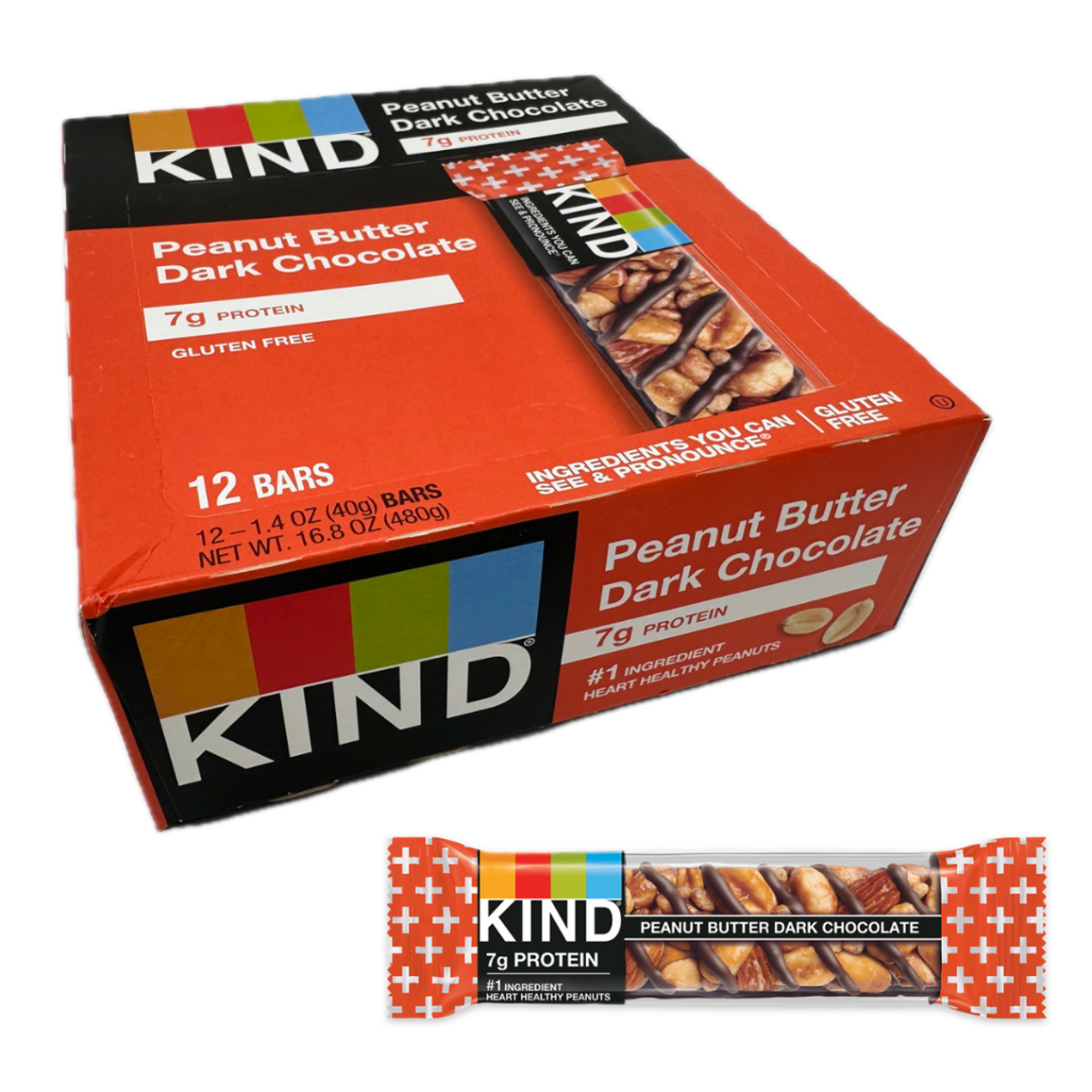
Kind
Kind Bar - Peanut Butter Dark Chocolate Plus Protein
Analysis by Aurascan. The app shows the full breakdown and its sources.
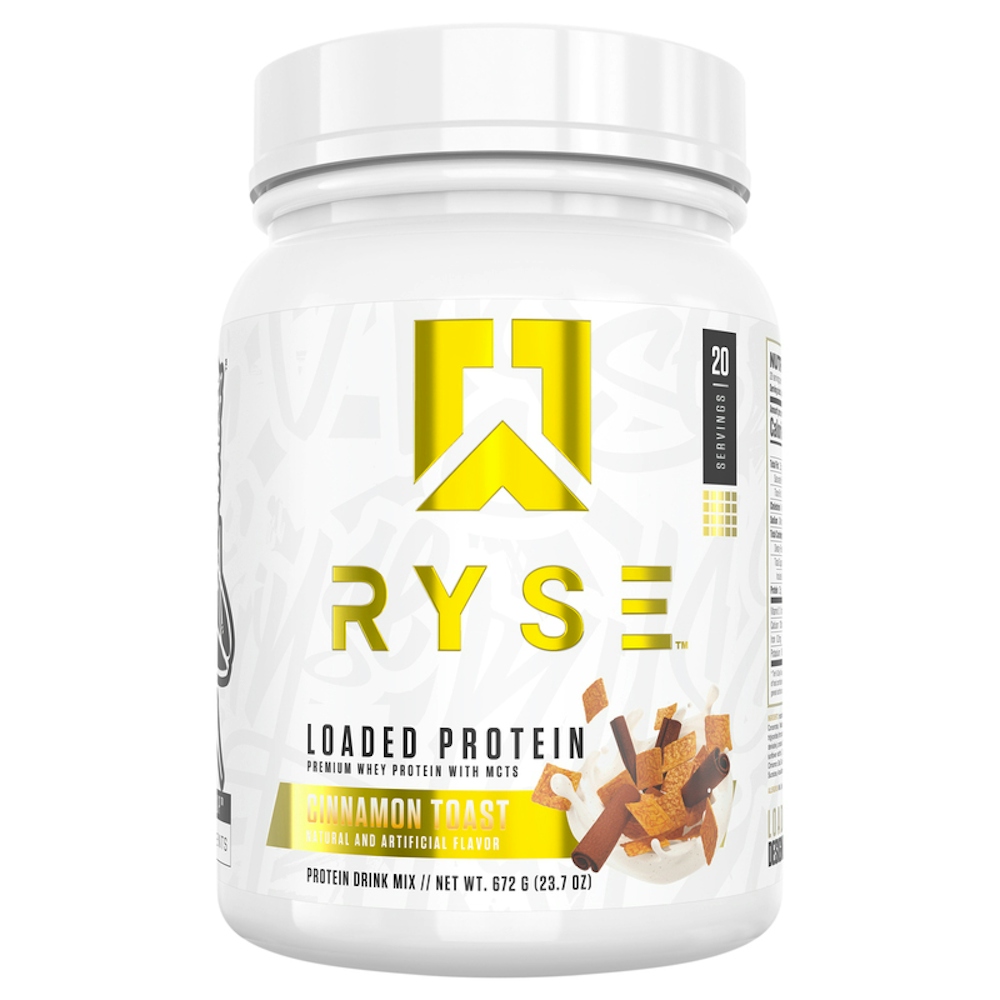
Ryse
Ryse Protein Drink Mix, Cinnamon Toast, Loaded Protein, 23.7 Ounce
Analysis by Aurascan. The app shows the full breakdown and its sources.
What is inulin used for in packaged foods?
Brands add isolated inulin mainly for two reasons: it adds bulk and body to bars and powders, and, under FDA enforcement discretion described below, it can be counted toward the Dietary Fiber number on the Nutrition Facts panel. Brands rarely say which reason drove a particular recipe.
Here is where it shows up in two scanned products. In the Open Food Facts listing for the KIND Peanut Butter Dark Chocolate protein bar (barcode 602652170560), chicory root fiber sits after tapioca starch in the back half of the ingredient list alongside peanuts, almonds, soy protein isolate, and unsweetened chocolate. The same list also includes soy lecithin, an emulsifier. KIND does not say what job the chicory root fiber does in this bar.
Similarly, an Open Food Facts listing for Ryse Loaded Protein Cinnamon Toast drink mix (barcode 850041914503) lists organic agave inulin as the fourth ingredient, appearing directly after whey protein isolate, whey protein concentrate, and an MCT oil powder blend. The same listing also includes a gum blend of cellulose gum, xanthan gum and carrageenan. Ryse does not say what role the inulin plays.
Scan preview
Kind
Kind Bar - Peanut Butter Dark Chocolate Plus Protein
PEANUTS · GLUCOSE SYRUP · SUGAR
Standout ingredient: SOY PROTEIN ISOLATE
Analysis by Aurascan. The app shows the full breakdown and its sources.
Native inulin vs oligofructose
Inulin-type fibers come in different chain lengths. Native chicory inulin has longer chains; oligofructose is a shorter-chain form. The difference matters in the research: the 2010 tolerance trial described below found different well-tolerated doses for native inulin and for oligofructose, and the EU bowel-function claim applies only to native chicory inulin with longer average chains. Neither the KIND nor the Ryse Open Food Facts listing says whether its fiber is native inulin or oligofructose, and neither names a supplier or extraction method.
Quiz
One lists chicory root fiber, the other agave inulin. Which product puts its inulin higher up the ingredient list?
Guess before you scroll.
Reveal Aurascan's verdict
Aurascan says: It's a tie
Is inulin safe and what is its regulatory status?
Inulin is a common food ingredient in both the US and the EU. The more interesting question for label readers is how it ends up in the Dietary Fiber number on American labels, which involves some regulatory history.
Under U.S. law, 21 CFR 101.9(c)(6)(i) outlines the formal definition of dietary fiber. The text specifies that dietary fiber includes non-digestible soluble and insoluble carbohydrates intrinsic and intact in plants, as well as isolated or synthetic non-digestible carbohydrates determined by the FDA to provide beneficial physiological effects. The specific isolated fibers explicitly listed in that regulation text are beta-glucan soluble fiber, psyllium husk, cellulose, guar gum, pectin, locust bean gum, and hydroxypropylmethylcellulose. Inulin is not named in that formal regulatory list.
Instead, according to the FDA Questions and Answers on Dietary Fiber (content current as of 07/25/2024), the agency stated that it intends to propose inulin and inulin-type fructans for formal addition to the regulatory list. In the interim, the FDA announced that it intends to exercise enforcement discretion, allowing manufacturers to count inulin in the Dietary Fiber declaration on Nutrition and Supplement Facts panels. Thus, added inulin appears on U.S. fiber lines through agency enforcement discretion, not because the underlying code section explicitly lists it.
Across the Atlantic, Commission Regulation (EU) 2015/2314, which followed a 2015 EFSA scientific opinion on native chicory inulin, authorized a specific health claim: "Chicory inulin contributes to normal bowel function by increasing stool frequency." However, this authorization carries strict conditions. The consumer must be informed that the beneficial effect requires a daily intake of 12 g of chicory inulin, and the claim applies exclusively to native chicory inulin with a mean degree of polymerisation greater than or equal to 9. This European authorization does not apply to U.S. products, and neither KIND nor Ryse discloses whether their serving amounts come anywhere close to that 12-gram threshold.
What are the side effects and who should be cautious?
Because human digestive enzymes do not break down inulin, it reaches the large intestine largely intact, where gut bacteria ferment it. That fermentation produces gas, which is why the side effects reported in trials are mostly digestive comfort complaints, and people differ in how much they notice.
Clinical trials have quantified these physical symptoms in healthy adults. In a randomized, double-blind crossover study published in the Journal of the American Dietetic Association (Bonnema et al. 2010), researchers evaluated the gastrointestinal tolerance of chicory inulin products in 26 healthy young adults. The authors observed that the most frequently reported symptoms were flatulence followed by bloating. The trial concluded that daily doses up to 10 g of native inulin and up to 5 g of oligofructose were well-tolerated across the study group.
Agave inulin presents a similar profile despite its structural differences. In a study published in Food & Function (Holscher et al. 2014) examining 29 healthy adults consuming 5.0 g and 7.5 g per day of agave inulin, researchers noted that research remains necessary due to structural variations from other inulin fibers. The trial found slight increases in bloating, flatulence, and rumbling frequency at both 5.0 g and 7.5 g doses, though agave inulin did not affect diarrhea frequency.
Both trials enrolled healthy adults, so they do not tell us how people with digestive conditions respond. They also cannot predict how an individual reader will react to a specific multi-ingredient food, because the inulin dose in these products is not disclosed. Anyone with a diagnosed digestive condition should ask their clinician about fiber supplements and fortified foods.
How to spot inulin and chicory root fiber on a label
The Dietary Fiber line on the Nutrition Facts panel is a single total, so it does not tell you where the fiber came from. The ingredient list is where added inulin shows up.
To identify inulin in packaged foods, look for these terms on the ingredient panel:
- Chicory root fiber: inulin taken from chicory root, as on the KIND bar listing.
- Inulin: May appear simply as inulin or qualified as organic inulin.
- Agave inulin: inulin-type fiber from the agave plant, as on the Ryse listing.
- Oligofructose or fructooligosaccharides (FOS): shorter-chain inulin-type fibers.
Positioning matters. In the Open Food Facts listing for the KIND Peanut Butter Dark Chocolate bar, chicory root fiber appears in the back half of the list, following tapioca starch. In the Ryse Loaded Protein listing, organic agave inulin is listed fourth, which means it is present by weight in a greater amount than every ingredient listed after it. Neither product states how many grams of inulin a serving contains.
Inulin goes by several names, and the amount is almost never on the package. Scan a bar or a protein mix with the Aurascan app to see each ingredient explained one by one, with its sources.
Try Aurascan
See what is really in the food you buy.
Quiz
Agave inulin is the fourth ingredient in this protein mix. Would you scan it before buying?
Guess before you scroll.
Reveal Aurascan's verdict
Aurascan says: Flagged
The main flag is INSTANTIZED WHEY PROTEIN ISOLATE.
Common questions
- Is inulin a sugar alcohol or an artificial sweetener?
- No. Inulin is a non-digestible plant carbohydrate classified as a soluble dietary fiber, not a sugar alcohol like erythritol or an artificial sweetener like sucralose.
- Why does chicory root fiber cause gas and stomach bloating?
- Because human enzymes cannot digest inulin in the small intestine, it enters the colon intact where gut bacteria ferment it. That fermentation produces gas; in trials with healthy adults, flatulence and bloating were the most commonly reported symptoms.
- Is inulin formally listed in the FDA definition of dietary fiber?
- Inulin is not listed in the formal text of 21 CFR 101.9(c)(6)(i). Instead, the FDA allows manufacturers to count it as dietary fiber under regulatory enforcement discretion pending finalized rulemaking.
- Are agave inulin and chicory root inulin the same thing?
- Both are inulin-type fructans, but they are not chemically identical. Researchers studying agave inulin noted differences in botanical origin and chemical structure compared to other inulin-type fibers.
- How much inulin is needed to support normal bowel function according to EU regulators?
- Under European Commission Regulation (EU) 2015/2314, a beneficial effect on bowel regularity is recognized with a daily intake of 12 g of native chicory inulin with a mean degree of polymerization of at least 9.
- Do food packages disclose the exact grams of inulin in each serving?
- Generally, no. Ingredient lists are ordered by weight, but the KIND and Ryse listings reviewed here do not state how many grams of inulin a serving contains.
Sources
- 21 CFR 101.9 - Food labeling: Nutrition labeling of food (ecfr.gov)
- Questions and Answers on Dietary Fiber (fda.gov)
- Commission Regulation (EU) 2015/2314 (eur-lex.europa.eu)
- Scientific Opinion on the substantiation of a health claim related to native chicory inulin (doi.org)
- Gastrointestinal tolerance of chicory inulin products (Bonnema et al., 2010) (pubmed.ncbi.nlm.nih.gov)
- Gastrointestinal tolerance and utilization of agave inulin by healthy adults (Holscher et al., 2014) (pubmed.ncbi.nlm.nih.gov)
In this series
Guide
Caffeine on Food Labels: How Much Is Too Much?Guide
Ultra-Processed Food Trials: Weight Gain Clear, Cause Less SoGuide
Toddler Diets and Toxic Metals: What a Swedish Study FoundGuide
Vegan vs Meat-Rich Diet: Mold Toxins in Urine After 8 WeeksGuide
Probiotic Juice Maker Skipped the Pathogen Kill Step, FDA SaysGuide
Ultra-Processed Food, Crohn's Risk and Low DHA: New Study
Related guides
Ingredient Reviews
Glycerol Ester of Rosin: The Pine Ingredient in Fanta and FrescaFanta Orange and Fresca both list glycerol ester of rosin. What this pine-derived ester gum is, the US 100 ppm drink cap, and EFSA's 2023 ADI.
Ingredient Reviews
Pectin: The Fruit Fiber in Friendly's Bars and Nature's BakeryFriendly's Orange Cream bars and Nature's Bakery fig bars both list pectin. What it is, where it comes from, its US GRAS and fiber status, and EFSA's view.
Comparisons
Coffee mate vs International Delight: Ingredients and SugarCoffee mate vs International Delight French Vanilla creamer: soybean/canola oil vs palm oil, sugar per tablespoon, carrageenan and the other additives on each label.
Try it on your own groceries
Scan your next label with Aurascan
Point the camera at any ingredient list and get the same evidence-graded read you see here.
Open the scannerGet food recall alerts + a weekly digest
An email when a food recall is announced, plus one weekly roundup of label news and new guides.
We email a confirmation link first - nothing is sent until you click it. Unsubscribe anytime. Privacy