
Guides · September 20, 2026 · 8 min read
5 Chips and Popcorns Scanned for Seed Oils
SkinnyPop, Baked Lay's, Stacy's, Pringles Hot Honey and Doritos: which oil each label names, why 'and/or' is allowed, and what no label tells you about linoleic acid.
By Chris Carrillo · Reviewed by Armin Rad, Co-Founder & CTO, Aurascan · September 20, 2026
Every article is checked against primary sources before publication. How we review

Scanning snack labels for seed oils reveals how much flexibility FDA rules give manufacturers. Packaging frequently lists multiple interchangeable fats using flexible and-or statements, omitting refining methods, thermal reuse history, and exact fatty acid ratios. While major authorities classify refined seed oils as safe, labels hide whether products contain standard polyunsaturated oils or modified high-oleic variations.
Key takeaways:
- Under FDA regulation 21 CFR 101.4(b)(14), manufacturers may use flexible "and/or" labeling for fats and oils, indicating potential options rather than an exact formulation.
- Ingredient lists do not disclose oil processing details such as physical refining, thermal oxidation states, or linoleic acid percentages unless voluntarily added.
- Added antioxidants like rosemary extract and ascorbic acid are often blended into snack oils to delay rancidity across shelf life.
- Regulators in the US and EU treat conventional refined seed oils as safe foods; the FDA lists common vegetable oils as generally recognized as safe (GRAS).
How Do Snack Labels List Seed Oils Under FDA Rules?
When evaluating packaged snacks, the fat listed on the ingredient panel is rarely a simple, singular ingredient. We picked five widely available snacks, from a three-ingredient popcorn to a seasoned tortilla chip, to show how differently brands declare their frying and popping fats: single named oils, flexible multi-oil blends, one high-oleic declaration, and two products with added antioxidants. As of September 2026, neither the FDA nor the European Food Safety Authority (EFSA) restricts any of these oils; EFSA's dietary reference values for fats set an adequate intake for linoleic acid of 4 percent of daily energy, treating it as an essential nutrient rather than a hazard. To understand how these oils function across the food supply, read our comprehensive seed oils guide.
A central rule governing these products is FDA regulation 21 CFR 101.4(b)(14). This rule lets processors declare fats and oils with an "and/or" statement when the oil is not the predominant ingredient and the manufacturer cannot predict which one a given batch will use. As a result, seeing "sunflower, canola, and/or soybean oil" means the company can alter the formulation based on commodity pricing and regional availability without redesigning its packaging.
What remains absent across standard nutrition panels is the deeper processing profile. No rule requires disclosure of whether an oil was physically refined or solvent extracted, how long it was used in the fryer, or its linoleic acid content. Consumers see only the botanical source.
Roundup
5 labels, scanned for oils
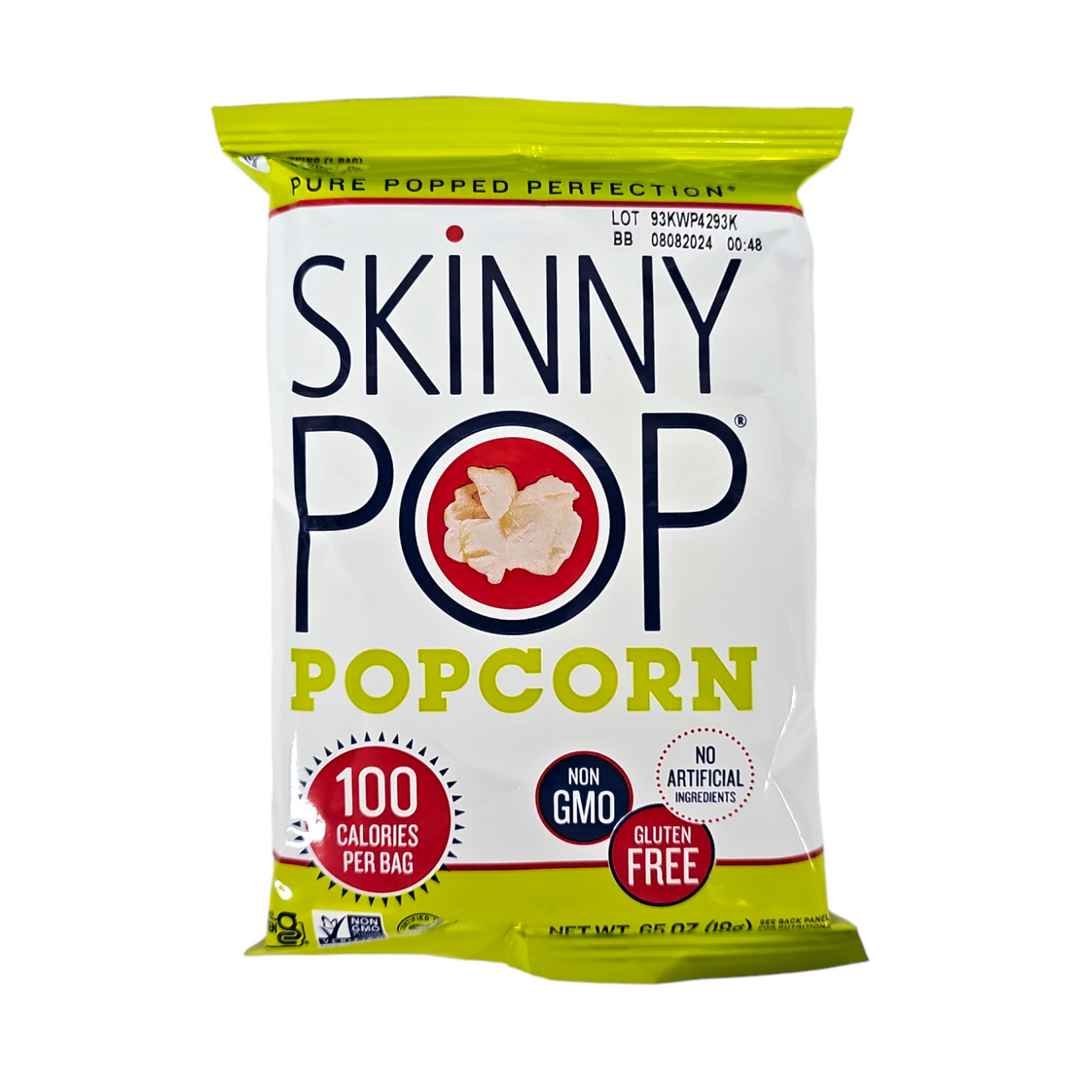
Skinny Pop
Skinny Pop Original Popcorn 100 Calorie Bag, 0.65 Oz
Analysis by Aurascan. Sources are listed on the product page.
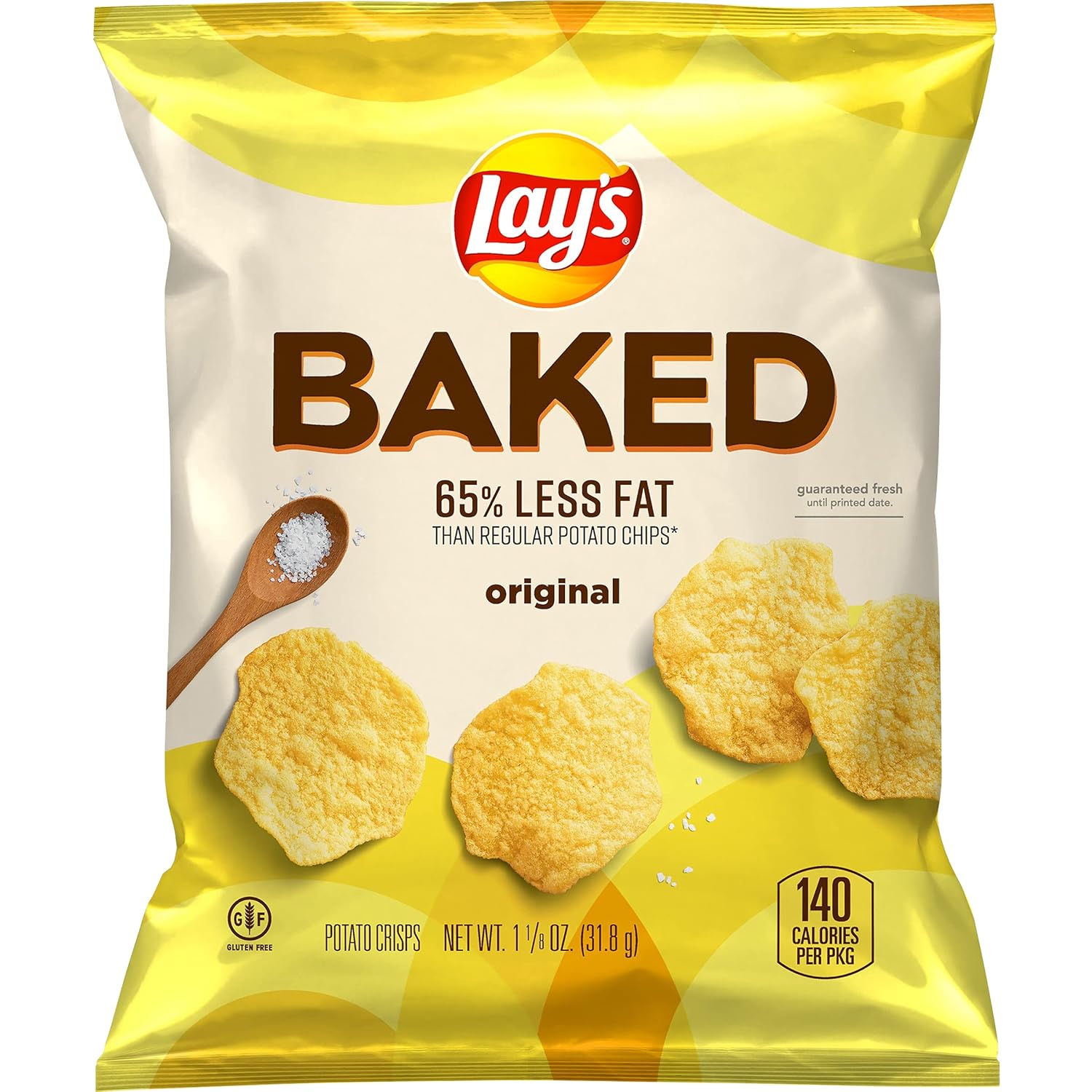
Lay's
Lay's Oven Baked Potato Crisps, Original, 1.125 Oz
Analysis by Aurascan. Sources are listed on the product page.
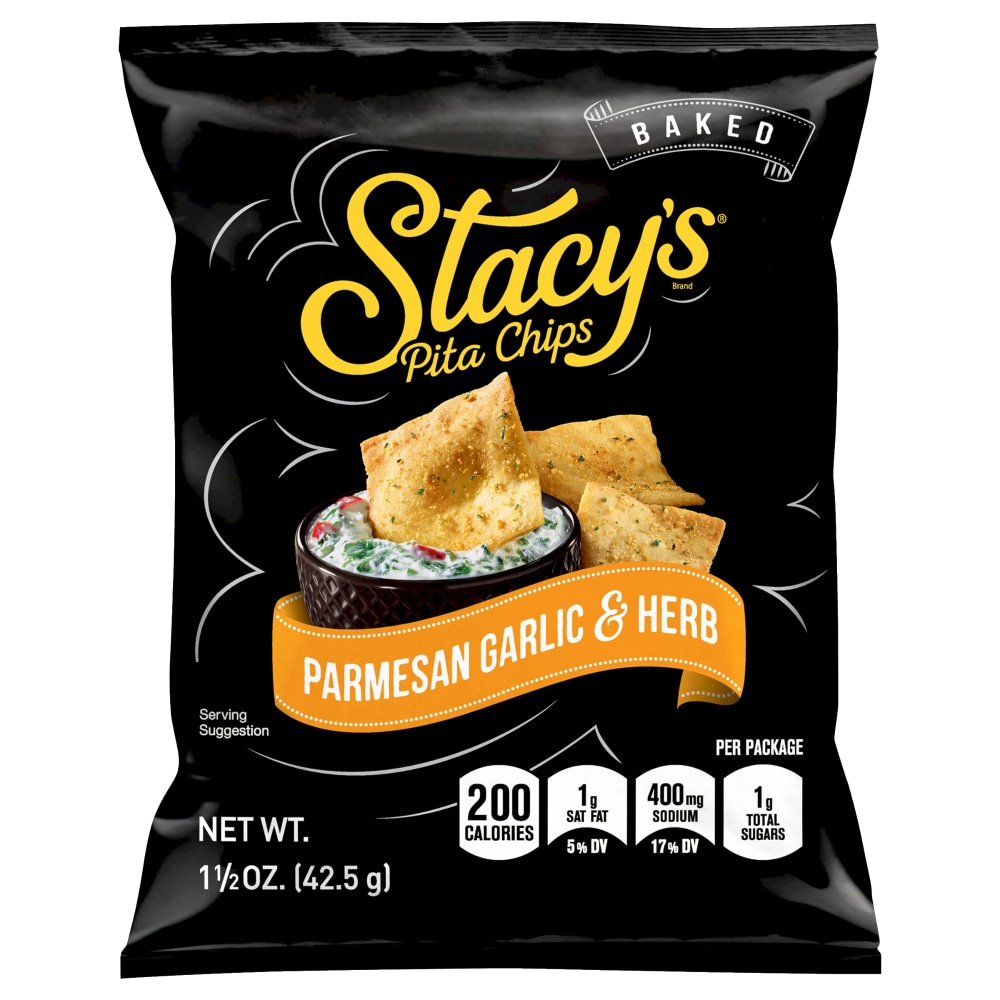
Stacy's
Stacy's Baked, Parmesan Garlic & Herb, Pita Chips
Analysis by Aurascan. Sources are listed on the product page.
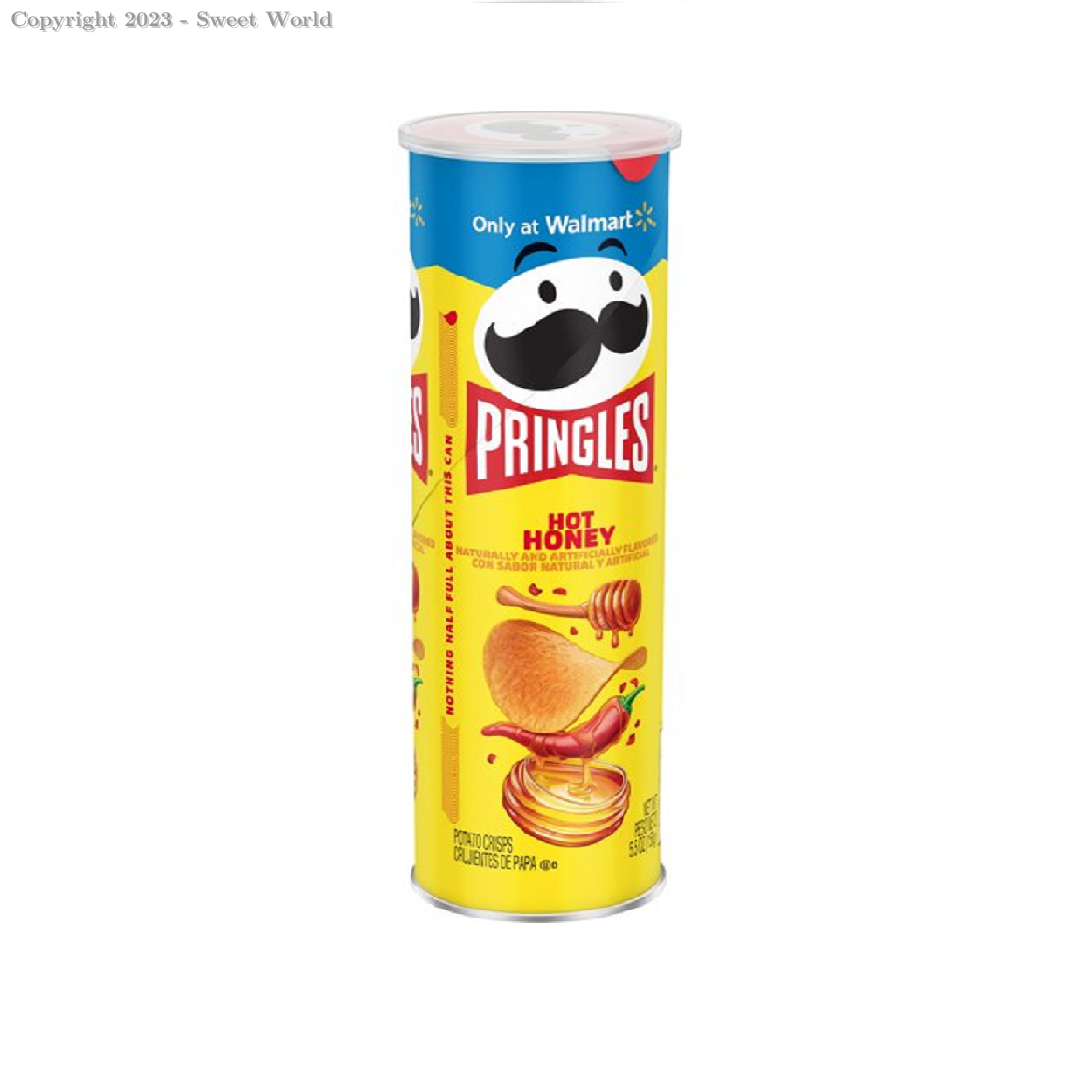
Pringles
Pringles Potato Crisps Chips, Hot Honey 5.5 Oz
Analysis by Aurascan. Sources are listed on the product page.
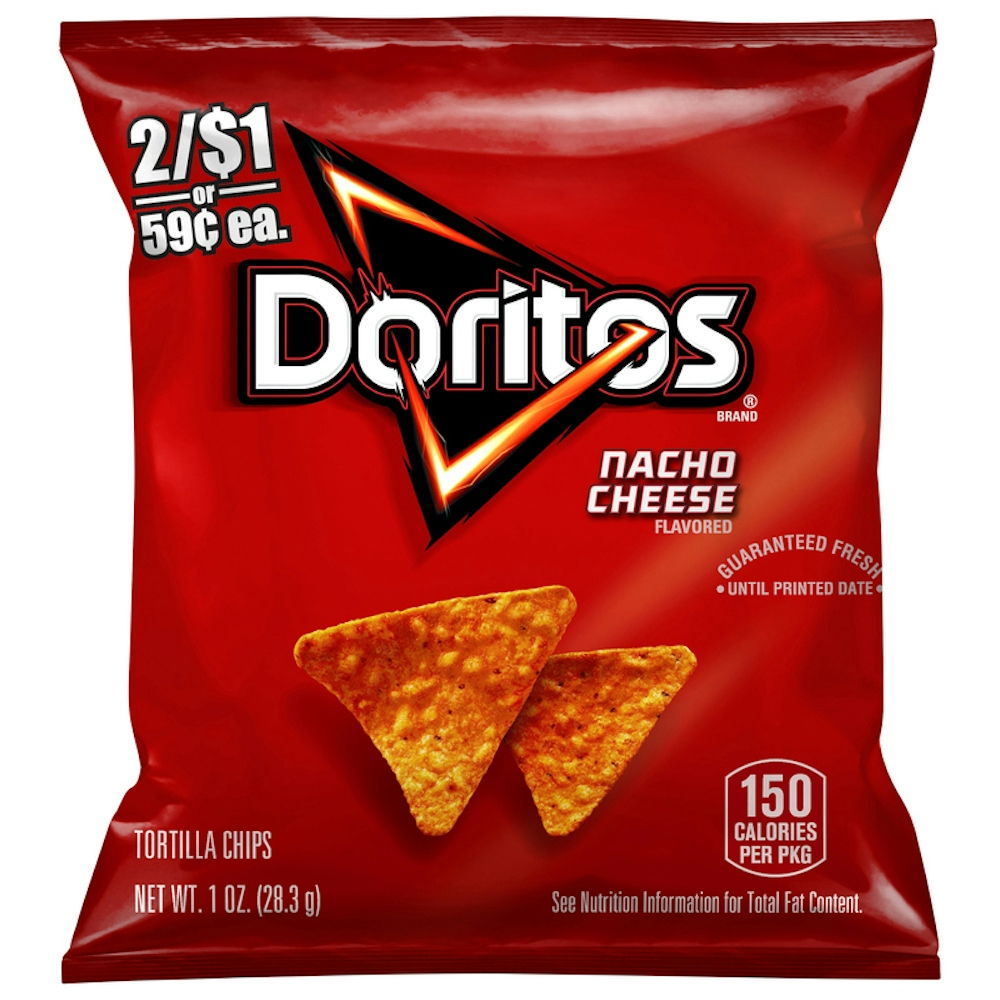
Doritos
Doritos Tortilla Chips Nacho Cheese Flavored - 1 Ounce
Analysis by Aurascan. Sources are listed on the product page.
1. SkinnyPop Original Popcorn
SkinnyPop Original Popcorn represents the minimal end of commercial snack formulation. Its ingredient panel lists only three items: popcorn, sunflower oil, and salt. Unlike many processed snacks, it does not rely on an "and/or" clause to maintain supply flexibility. To explore this specific product in detail, review our SkinnyPop spotlight.
By declaring sunflower oil exclusively, the brand commits to a single botanical source on this particular formulation. However, the label does not specify the variety of sunflower oil used. Conventional sunflower oil is high in polyunsaturated linoleic acid, whereas high-oleic sunflower oil is bred to be mostly monounsaturated oleic acid. Unless the manufacturer voluntarily prints "high-oleic" on the bag, a shopper cannot verify the fatty acid distribution from the ingredient list alone. For more simple formulations, check out our guide on 5 Grocery Staples With the Shortest Labels, Scanned.
Sunflower oil in packaged popcorn acts as both a heat-transfer medium during popping and a carrier for sodium adherence. SkinnyPop lists no added antioxidants, so freshness depends on the packaging and the oil's own stability.
2. Lay's Oven Baked Original Potato Crisps
Lay's Oven Baked Original potato crisps take a different manufacturing route than traditional kettle chips. The label contains dried potatoes, corn starch, corn oil, sugar, sea salt, soy lecithin, dextrose, and annatto extracts for color.
Like SkinnyPop, this product uses a single named vegetable oil rather than a flexible blend. Corn oil provides the fat phase needed to bind the starches and facilitate even heat distribution in the baking ovens. Corn oil is naturally high in polyunsaturated fat, mostly linoleic acid, and contains naturally occurring plant sterols. The label does not detail the exact refining parameters or free fatty acid levels of the raw batch.
The presence of soy lecithin serves as an emulsifier, ensuring that moisture and fats remain evenly distributed across the reconstituted potato slurry during high-speed production. Annatto extracts contribute natural yellow-orange carotenoid pigments to give the baked crisps a golden visual profile without synthetic certified colorings. For a broader look at how this crisp compares to other popular snacks, see our comparison on Baked Lay's vs Doritos: Is the Baked Chip's Label Cleaner?.
3. Stacy's Parmesan Garlic and Herb Pita Chips
Stacy's Parmesan Garlic and Herb pita chips demonstrate how industrial baking integrates multiple operational fats. The primary ingredients include enriched wheat flour, sunflower oil and/or canola oil, Parmesan cheese, and sea salt.
Here, the "and/or" clause appears directly in the primary fat declaration. Under 21 CFR 101.4(b)(14), the manufacturer can alternate between sunflower oil, canola oil, or a combination of both without changing the exterior package. Canola oil is mostly monounsaturated and carries some alpha-linolenic acid (an omega-3), while sunflower oil's profile depends on whether standard or high-oleic seed was pressed. The consumer cannot determine the exact ratio in a specific bag.
Following the primary ingredients, the label features a sub-two-percent seasoning tail that includes rosemary extract and ascorbic acid. These additions are functional antioxidants. Unsaturated vegetable oils exposed to heat and oxygen undergo auto-oxidation, and a 2020 review in Nutrients describes the lipid oxidation products that fried foods can carry. Rosemary extract contains carnosic acid and carnosol, which donate hydrogen atoms to neutralize free radicals, thereby stabilizing the oil over its shelf life.
Quiz
Is a bag of SkinnyPop clean?
Guess before you scroll.
Reveal Aurascan's verdict
Aurascan says: Mixed
The main flag is SUNFLOWER OIL.
4. Pringles Hot Honey Potato Crisps
Pringles Hot Honey crisps showcase maximum formulation flexibility paired with specific fatty acid declarations. The label lists dried potatoes, vegetable oil (corn, cottonseed, high oleic soybean, and/or sunflower), degerminated yellow corn flour, cornstarch, rice flour, sugar, maltodextrin, mono- and diglycerides, followed by a complex seasoning blend containing honey, molasses, cayenne pepper sauce, whey, paprika extract color, and wheat starch. Read our dedicated Pringles spotlight for a breakdown of these dehydrated potato matrices.
The oil statement spans four distinct possibilities. A single canister might contain corn oil, cottonseed oil, high-oleic soybean oil, sunflower oil, or an unstated ratio of all four. Cottonseed oil carries more saturated palmitic acid than the others, while corn oil is predominantly polyunsaturated.
Notably, the brand explicitly specifies "high oleic soybean." Standard soybean oil is high in polyunsaturated linoleic and alpha-linolenic acid, which break down faster in a fryer; high-oleic cultivars are mostly monounsaturated oleic acid and hold up better in continuous frying, which is why the label bothers to say so. The inclusion of mono- and diglycerides helps stabilize the lipid-starch matrix in dehydrated potato flakes, as discussed in 5 Chips People Scan Most, and What Their Labels Say.
5. Doritos Nacho Cheese Flavored Tortilla Chips
Doritos Nacho Cheese combines a multi-oil base with an intricate topical seasoning system. The formulation opens with whole corn, vegetable oil (corn, canola, soybean, and/or sunflower oil), and corn maltodextrin. It then progresses through a cheese-and-seasoning blend featuring monosodium glutamate (MSG), disodium inosinate, disodium guanylate, and artificial colors including Yellow 6, Yellow 5, and Red 40. See our Doritos spotlight and our MSG review for an in-depth evaluation of these additive interactions.
Like Pringles, Doritos utilizes the 21 CFR 101.4(b)(14) provision. The four oils listed vary substantially in their baseline fatty acid compositions: canola provides monounsaturated and omega-3 fats, soybean provides predominantly polyunsaturated omega-6s, and corn oil provides a blend of polyunsaturated and monounsaturated lipids. Because the label uses "and/or," the exact fatty acid balance varies according to commodity spot markets at the time of manufacturing.
The topical seasoning employs flavor enhancers that work through umami receptor synergy. Monosodium glutamate activates basic taste buds, while disodium inosinate and disodium guanylate amplify glutamate perception by several multiples. This complex dusting requires the surface oil film to act as an adhesive, keeping fine powders bound to the corn substrate throughout shipping. For comparisons among other popular snacks, see 6 Snacks People Scan Most, and What Their Labels Say and our breakdown on 5 Lunchbox Snacks Scanned: String Cheese to Fig Bars.
What Does Clinical Evidence Say About Seed Oils and Inflammation?
Public discourse around seed oils frequently focuses on dietary linoleic acid and chemical refining. The popular argument asserting that omega-6 polyunsaturated fatty acids cause widespread harm rests primarily on mechanistic hypotheses and rodent animal studies, which observe potential inflammatory pathways under isolated experimental conditions. In contrast, extensive clinical trials indicate that these mechanisms do not translate to human metabolic dysfunction. A systematic review of randomized controlled trials in healthy adults found no evidence that dietary linoleic acid raises markers of systemic inflammation. Major reviews also find that replacing saturated dietary fats with unsaturated vegetable oils consistently improves serum lipid profiles, specifically lowering low-density lipoprotein (LDL) cholesterol.
From a regulatory perspective, EFSA and the FDA continue to treat refined vegetable oils as safe sources of dietary fat. However, scientific uncertainty remains regarding how repeated industrial thermal stress affects oil quality. When commercial oils undergo prolonged high-heat frying, they produce thermal oxidation products, including polar compounds, polymers, and volatile aldehydes. Commercial fryers filter and monitor their oil, and a 2018 study tracked how frying oil degrades over repeated potato-chip frying, but the exact oxidation state and secondary compound profile cannot be determined from an ingredient label or Nutrition Facts panel. Similarly, whether individuals with specific metabolic profiles experience subclinical effects from highly oxidized lipids remains an active area of investigation.
How Can You Use This List to Decode Your Snacks?
Reading a snack label requires looking beyond the marketing claims on the front of the box. To understand the fats used in your pantry items, keep these practical steps in mind:
- Look for the "and/or" phrase: If you see multiple oils listed in parentheses, the manufacturer shifts between those ingredients depending on market conditions.
- Check for high-oleic designations: When a manufacturer uses an oil variety bred for higher monounsaturated fat content, they often state it explicitly (e.g., "high oleic sunflower" or "high oleic soybean").
- Identify natural stabilizers: Secondary ingredients like rosemary extract, tocopherols (vitamin E), or ascorbic acid (vitamin C) indicate added protection against lipid rancidity.
- Consult the Nutrition Facts panel: Because ingredient decks omit fat gram amounts, look directly at the saturated, polyunsaturated, and monounsaturated lines to see the product's actual macronutrient breakdown.
Try Aurascan
See what is really in the food you buy.
Common questions
- What does the 'and/or' statement mean for vegetable oils on food labels?
- Under FDA regulation 21 CFR 101.4(b)(14), manufacturers are permitted to list several acceptable oils separated by 'and/or' if they switch between them based on market price or availability. This means the package contains one or a combination of the listed oils, but the exact composition is not specified.
- Are seed oils in chips and popcorn considered safe by food regulators?
- Yes. The U.S. FDA treats commonly used refined vegetable oils such as sunflower, canola, corn and soybean oil as generally recognized as safe (GRAS), and the European Food Safety Authority sets dietary reference values for their main fatty acids rather than restricting them.
- Why do snack foods include rosemary extract on their ingredient lists?
- Rosemary extract acts as a natural antioxidant. It contains phenolic compounds like carnosic acid that slow down lipid oxidation and rancidity in vegetable oils, helping maintain freshness throughout the product's shelf life.
- Does eating seed oils cause systemic inflammation?
- Current human clinical trials and comprehensive reviews from health authorities show that dietary linoleic acid from vegetable oils does not increase circulating markers of systemic inflammation when consumed as part of a normal diet. The opposing inflammatory claims rest primarily on rodent and mechanistic studies.
- What is the difference between regular and high-oleic seed oils?
- High-oleic oils come from plants selectively bred or modified to yield higher concentrations of monounsaturated oleic acid instead of polyunsaturated linoleic acid. This alters the fatty acid profile and increases the oil's stability under high frying temperatures.
- Can consumers tell how oxidized a snack frying oil is from the package?
- No. Ingredient panels and Nutrition Facts panels disclose only ingredient names and macronutrient grams. They do not disclose frying oil turnover rates, total polar compounds, or secondary oxidation markers.
Sources
- Scientific Opinion on Dietary Reference Values for fats (efsa.europa.eu)
- Effect of Dietary Linoleic Acid on Markers of Systemic Inflammation in Healthy Adults (pmc.ncbi.nlm.nih.gov)
- Lipid Oxidation in Food and Its Prevention by Antioxidants (pmc.ncbi.nlm.nih.gov)
- Use of the Term 'Healthy' on Food Labeling (fda.gov)
- Guidance for Industry: Food Labeling Guide (fda.gov)
In this series
Related guides
Product Education
Are Stacy's Pita Chips Clean? Every Ingredient, ScannedEnriched wheat flour, sunflower and/or canola oil, two Parmesans and a 2-percent tail with rosemary extract. Stacy's Parmesan Garlic and Herb pita chips, line by line.
Ingredient Reviews
Sodium Phosphate in Food: Who Actually Needs to Worry?Sodium phosphate is in boxed mac and cheese, deli chicken and cereal. What FDA and EFSA say, the kidney evidence, and how to spot it.
Guides
Emulsifiers on Ingredient Lists Explained: Lecithin to Polysorbate 80What emulsifiers and stabilisers do, which names to look for on a label, and what the first human trial of five emulsifiers actually found about gut health.
Try it on your own groceries
Scan your next label with Aurascan
Point the camera at any ingredient list and get the same evidence-graded read you see here.
Open the scannerLabel-reading intel, weekly.
What changed on food labels this week — bans, recalls, and new guides.