
Latest News · September 29, 2026 · 7 min read
Court Shuts Food Warehouse Over Rodent Infestation
A federal court has halted Gold Star Distribution in Minneapolis after FDA found live and dead rodents and birds near rice, cat food and other goods.
By Chris Carrillo · Reviewed by Armin Rad, Co-Founder & CTO, Aurascan · September 29, 2026
Every article is checked against primary sources before publication. How we review
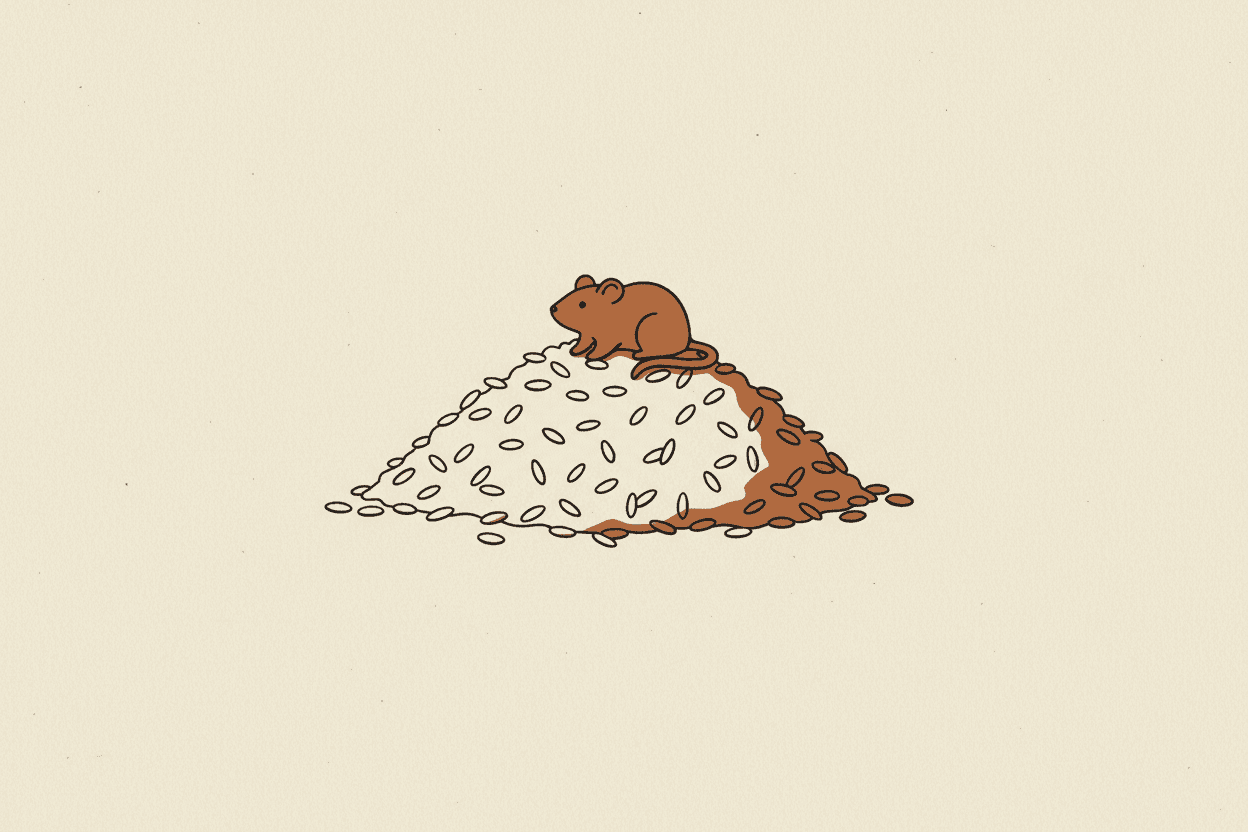
A federal court order dated September 21, 2026 stops Minneapolis warehouse operator Gold Star Distribution, Inc. from distributing FDA-regulated products after FDA inspectors found nine live and 17 dead rodents, birds, worms and rodent filth around pallets of rice, cat food, drugs, sanitary pads and cosmetics. The consent decree bars the company and its owner, Bassam Abu Samrah, from receiving, holding or distributing those products until they comply with federal law and the decree.
Key takeaways:
- On September 21, 2026, the U.S. District Court for the District of Minnesota entered a consent decree of permanent injunction against Gold Star Distribution and its owner; the FDA announced it on September 23.
- In November and December 2025, FDA inspectors observed nine live rodents, 17 dead rodents in various states of decay, eight live birds, one dead bird, five live worms and ceiling leaks dripping onto stored products.
- The FDA had inspected the warehouse five times before 2025, and the Minnesota Department of Agriculture inspected it 26 times between 2013 and 2025; the FDA's prior inspections and many of the state's inspections cited rodent-related insanitary conditions.
- The decree requires the defendants to destroy all FDA-regulated products in their possession under FDA supervision before they can resume operations.
What happened
On September 23, 2026, the U.S. Food and Drug Administration announced that the U.S. District Court for the District of Minnesota entered a consent decree of permanent injunction against Gold Star Distribution, Inc. and its owner, Bassam Abu Samrah. The federal court formally approved and entered the binding judicial decree on September 21, 2026, concluding an enforcement action initiated by the U.S. Department of Justice on behalf of the FDA.
The consent decree prohibits Gold Star, Abu Samrah and their associated persons from receiving, holding for sale, or distributing food (including human and animal foods, dietary supplements, and infant formula), drugs, medical devices and cosmetics at or from any current or future location unless and until they comply with the Federal Food, Drug, and Cosmetic Act (FD&C Act), federal regulations and the decree.
During a follow-up inspection in November and December 2025, the FDA observed continuing insanitary conditions: nine live rodents, 17 dead rodents in various states of decay, eight live birds, one dead bird, and five live worms throughout the facility.
Inspectors also found numerous rodent excreta pellets, urine stains, gnaw holes and nesting materials in and around pallets of FDA-regulated products, including rice, cat food, drugs, sanitary pads and cosmetics. The FDA's laboratory analyses confirmed the presence of rodent urine, urea, excreta, hairs and gnaw holes in product packaging.
The FDA also reported leaking and overflowing refuse near outgoing shipments of FDA-regulated products, gaps and holes in the building, ceiling leaks dripping onto stored products, and trash buildup outside the facility door.
"When a company repeatedly ignores serious, ongoing violations that put trust at risk, the FDA will act," said Elizabeth Miller, Pharm.D., FDA associate commissioner for inspections and investigations, in the agency's press announcement.
What changed
Before the decree, the FDA and the Minnesota Department of Agriculture (MDA) had taken several regulatory and compliance actions, including state embargoes, cease and desist orders and a revoked food wholesale license. The decree adds a federal court order that covers every FDA-regulated product category and any location the defendants operate now or in the future.
To resume operations, the defendants must retain an independent expert to develop and implement FDA-approved sanitation control and drug storage plans, eliminate all pests and filth from the facility, complete renovations to prevent future pest entry, and destroy all FDA-regulated products in their possession under FDA supervision.
The facility must then pass inspections by the independent expert, an independent pest control company and, as it deems necessary, the FDA. Operations can resume only after the FDA notifies the defendants in writing that they appear to be in compliance.
Pest concerns also drive much smaller actions, such as the Mezzetta Peperoncini Recall: Check Lot 720106, which covered one lot of jarred peppers after a possible pest was seen in a jar. The Gold Star case is different in scale: it targets an entire warehouse and every FDA-regulated product it holds.
Who is affected
The entities bound by the court injunction are Gold Star Distribution, Inc. and owner Bassam Abu Samrah. The order covers the Minneapolis warehouse and any current or future location the defendants operate.
The product classes covered by the decree are food (including human and animal foods, dietary supplements and infant formula), drugs, medical devices and cosmetics. The products the FDA named in its inspection findings were rice, cat food, drugs, sanitary pads and cosmetics.
Several details are missing from the FDA's announcement. It does not name the brands held in the warehouse or the stores, restaurants and other customers that bought from Gold Star. Infant formula is named in the decree's scope, but the FDA's inspection findings do not say formula was found at the warehouse.
The FDA's announcement does not report any illnesses linked to products stored at the warehouse, and it does not mention criminal charges or fines. It also includes no statement from Gold Star or its owner.
What it means for shoppers
For shoppers, the case shows the federal rules that apply to warehouses before groceries reach store shelves. Under Section 402(a)(4) of the Federal Food, Drug, and Cosmetic Act, codified at 21 U.S. Code § 342, food is legally adulterated if held under insanitary conditions whereby it may have become contaminated with filth or rendered injurious to human health.
The test turns on storage conditions: the law covers food that "may have become contaminated," so the FDA does not have to show filth inside each package. The FDA's announcement states that FDA-regulated products stored under these conditions are adulterated within the meaning of the FD&C Act. The complaint also alleged that drugs were not stored in line with current good manufacturing practice requirements for drugs. Warehouses that hold human food are generally also subject to FDA's current good manufacturing practice rule for human food, 21 CFR Part 117.
The FDA has not published which stores, restaurants or other customers received goods from Gold Star, so shoppers cannot tell from the announcement whether anything in their pantry passed through the warehouse. After the FDA's 2025 inspection, Gold Star voluntarily recalled certain FDA-regulated products that may have been contaminated with filth; the announcement does not list which products or when.
When buying bulk staples such as dry rice, grains, and flour, shoppers can protect their pantries through careful visual inspection:
- Examine paper and plastic packaging for pinholes, irregular tears, or re-taped seams.
- Look closely at outer cartons for stains, water damage or droppings.
- Avoid purchasing products when dry packaging feels damp, brittle, or coated with powdery residues.
- Tell store staff if damaged goods appear on the shelf, and report suspected contamination to the FDA or your state agriculture department.
Most food recalls involve one product and a few lots, such as the Walmart bettergoods Lemon Alfredo Fettuccine Listeria Recall. A consent decree like this one instead stops a whole facility from handling FDA-regulated products.
The background
The decree follows years of inspections by state and federal regulators.
The MDA inspected the Gold Star warehouse on 26 separate occasions between 2013 and 2025, and the FDA inspected it five times before its 2025 inspection. According to the FDA, its prior inspections and many MDA inspections cited insanitary conditions associated with rodents, including live and dead rodents, gnaw marks, package damage, rodent excrement and nesting materials.
Regulatory intervention intensified in late 2025. In November 2025, the MDA twice issued a notice of embargo and cease and desist order covering all food products and operations, and it revoked the defendants' food wholesale license. In December 2025, the Minnesota Board of Pharmacy issued a cease and desist order for warehousing and distributing over-the-counter drugs without a required pharmacy license, and administratively detained the over-the-counter drugs at the facility.
The FDA's November and December 2025 follow-up inspection found the conditions were continuing. The U.S. Department of Justice filed the complaint on behalf of the FDA, and the court entered the consent decree on September 21, 2026.
What to watch next
The next steps are set by the decree: the defendants must destroy all FDA-regulated products in their possession under FDA supervision.
Before operations can resume, an independent expert must put FDA-approved sanitation control and drug storage plans in place, the facility must be renovated and cleared of pests, and it must pass the required inspections. The FDA's announcement does not say whether Gold Star plans to reopen or has closed.
The public record does not show which retailers sold goods that passed through this warehouse, or which products were in Gold Star's voluntary recall.
Try Aurascan
See what is really in the food you buy.
Common questions
- What is Gold Star Distribution?
- Gold Star Distribution, Inc. is a Minnesota-based multi-commodity warehouse operator. The FDA found rodent filth around pallets of rice, cat food, drugs, sanitary pads and cosmetics at its Minneapolis facility.
- Why did the federal court shut down Gold Star Distribution?
- The U.S. District Court for the District of Minnesota entered a consent decree after the FDA found nine live and 17 dead rodents, eight live birds, one dead bird, five live worms, rodent filth and ceiling leaks at the warehouse.
- Were specific food brands or retail grocery stores named by the FDA?
- No. The FDA named product types (rice, cat food, drugs, sanitary pads and cosmetics) but did not name brands or the stores and customers that received goods from Gold Star.
- Have any consumer illnesses been linked to Gold Star Distribution?
- The FDA's announcement does not report any illnesses linked to products stored at this facility.
- What legal requirements must Gold Star meet before reopening?
- Gold Star must retain an independent expert to put FDA-approved sanitation and drug storage plans in place, eliminate pests, renovate the facility, destroy all FDA-regulated products it holds under FDA supervision, pass inspections, and receive written FDA notice that it appears to be in compliance.
- What does adulteration mean under federal food safety law?
- Under 21 U.S.C. 342(a)(4), food is adulterated if it has been held under insanitary conditions whereby it may have become contaminated with filth or rendered injurious to health. The test is the storage conditions, not proof of filth in each package.
Sources
- Federal Court Enters Consent Decree Against Gold Star Distribution Inc. Following Persistent Insanitary Conditions (fda.gov)
- 21 U.S. Code § 342 - Adulterated food (law.cornell.edu)
- 21 CFR Part 117 - Current Good Manufacturing Practice, Hazard Analysis, and Risk-Based Preventive Controls for Human Food (ecfr.gov)
In this series
Guide
EFSA Can't Confirm Safety of a New Cricket Protein PowderGuide
Alfalfa Sprouting Seeds Recalled in E. coli OutbreakGuide
Mezzetta Peperoncini Recall: Check Lot 720106Guide
Ultra-Processed Food and Kidney Disease: What a New Study FoundGuide
So Delicious Salted Caramel Cluster Recalled Again for StonesGuide
FDA Adds Tejocote Weight-Loss Products to Yellow Oleander Warning
Related guides
Latest News
Eden Brothers Broccoli Seeds Recalled From Lot W4105A second seller recalls Calabrese broccoli seeds from supplier lot W4105, the lot behind the Amazon HOME GROWN sprouting-seed recall. Lots, sizes and refunds.
Latest News
Todd's Seeds Alfalfa Sprouting Seeds Recalled: E. coli, SalmonellaTodd's Seeds alfalfa sprouting seeds (lot SAL2-24JB) and 5 seed mixes sold on Amazon, use by 12/31/2029, are recalled for E. coli and Salmonella. Lots inside.
Latest News
7UP Tropical Zero Sugar Cans Recalled: Full-Sugar Soda InsideCans labeled 7UP Tropical Zero Sugar (lot UT06176, best by Mar 17, 2027) in Utah 7UP Tropical 12-packs held full-sugar soda. How to check yours.
Try it on your own groceries
Scan your next label with Aurascan
Point the camera at any ingredient list and get the same evidence-graded read you see here.
Open the scannerGet food recall alerts + a weekly digest
An email when a food recall is announced, plus one weekly roundup of label news and new guides.
We email a confirmation link first - nothing is sent until you click it. Unsubscribe anytime. Privacy