
Latest News · September 27, 2026 · 7 min read
FDA Adds Tejocote Weight-Loss Products to Yellow Oleander Warning
FDA added Easy Forte and Niwali tejocote to its warning on weight-loss supplements that contain toxic yellow oleander. What the labels hide.
By Chris Carrillo · Reviewed by Armin Rad, Co-Founder & CTO, Aurascan · September 27, 2026
Every article is checked against primary sources before publication. How we review
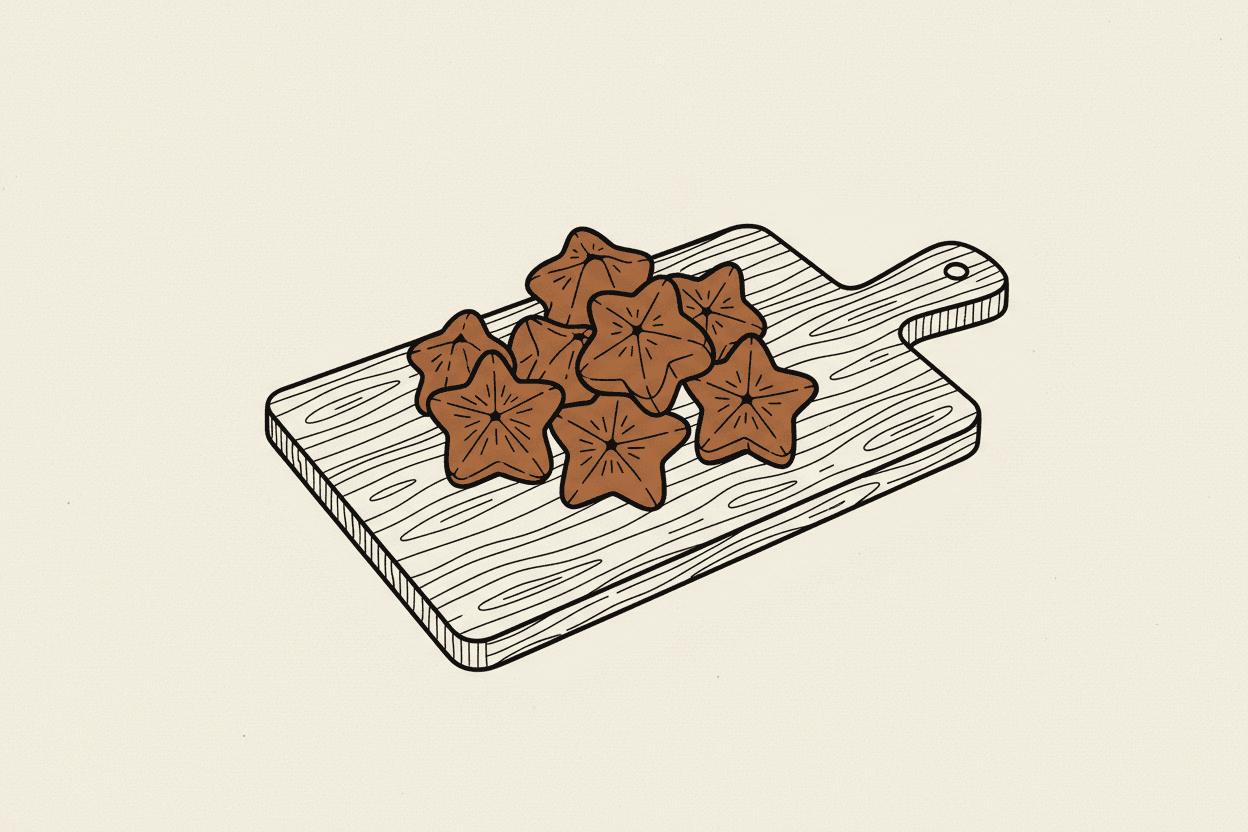
On September 17, 2026, the FDA added Easy Forte Natural Fiber, Niwali Tejocote Pieces, and Niwali Tejocote Capsules to its public safety advisory after laboratory testing confirmed they contained toxic yellow oleander substituted for tejocote root. FDA says yellow oleander can cause neurologic, gastrointestinal and cardiovascular effects that may be severe or even fatal. Global Mix Inc. recalled the two Niwali products on September 21, 2026.
Key takeaways:
- On September 17, 2026, the FDA expanded its toxic yellow oleander advisory with three newly tested botanical weight-loss supplements.
- Laboratory analysis confirmed products contained poisonous yellow oleander (Cascabela thevetia) substituted in place of declared tejocote root (Crataegus mexicana).
- Distributor Global Mix Inc. issued a voluntary recall on September 21, 2026, for specific lots of Niwali Tejocote Capsules and Pieces sold online.
- Yellow oleander contains cardiac glycosides; FDA warns its effects on the heart, gut and nervous system may be severe or even fatal.
- Dietary supplements do not undergo federal pre-market safety reviews or clearance before appearing on digital marketplaces.
- FDA advises anyone who has taken these products to stop, and to contact a health care provider even if they have not used them recently.
What happened
On September 17, 2026, the Food and Drug Administration officially updated its public safety warning regarding toxic yellow oleander in dietary supplements sold for weight management. The agency added three specific items to its warning document: Easy Forte Natural Fiber, Niwali Tejocote Pieces, and Niwali Tejocote Capsules. Testing found yellow oleander in all three.
The findings for Easy Forte Natural Fiber emerged from testing conducted by a state partner agency operating under the FDA Laboratory Flexible Funding Model. The product was manufactured by Comercializadora Naturista del Bajio and distributed online through Jaola Store on Amazon.com. Following confirmation that the sample contained toxic yellow oleander, the FDA recommended a product recall, and Amazon removed the third-party listing from its marketplace platform.
Shortly after the federal warning update, Global Mix Inc. of Middle Village, New York, executed a voluntary recall on September 21, 2026. This recall, published on the FDA's enforcement and recalls portal, addressed Niwali Tejocote Capsules and Niwali Tejocote Pieces after federal laboratory analysis of physical samples collected on June 19, 2026, confirmed the presence of yellow oleander instead of tejocote root. While no illnesses have been reported in connection with these specific lots, FDA's warning says products containing yellow oleander should be avoided.
What changed in the warning list?
Yellow oleander (Thevetia peruviana, also known as Cascabela thevetia) is a poisonous plant native to Mexico and Central America. It contains cardiac glycosides, including thevetin B, which CDC describes as having the same clinical effects as the heart drug digoxin and as highly toxic. FDA lists neurologic, gastrointestinal and cardiovascular effects that may be severe or even fatal.
This builds on an earlier update. In August 2026, the agency added three other products to the warning catalog: Slim Elixir, D Magic Plus, and B. Magi. Those items demonstrated complex chemical adulteration beyond unapproved botanicals. Laboratory evaluation showed that D Magic Plus contained diclofenac, a synthetic prescription nonsteroidal anti-inflammatory drug, while B. Magi contained phenolphthalein, a former laxative ingredient that is no longer allowed in US drugs. FDA has issued separate hidden-ingredient notices for both products.
The regulatory status shift also highlights that yellow oleander adulteration is not exclusively tied to products carrying the tejocote moniker. The agency explicitly notes that some tested supplements containing yellow oleander were not labeled as tejocote at all, so the front of the package is not a reliable guide.
Who is affected by this advisory?
The Niwali recall covers specific lots sold by Global Mix Inc. For Niwali Tejocote Capsules, the alert covers lot RM500925 with an expiration date of 03/03/2028. For Niwali Tejocote Pieces, the recall covers UPC 1 99284 23789 6, lot RM400925, sharing the identical expiration date of 03/03/2028. The recall notice says only 5 units were sold (2 of the capsules and 3 of the pieces), through eBay.com and Everymarket.com, and that no illnesses have been reported.
Beyond these isolated lots, the broader consumer population at risk includes anyone purchasing botanical weight-loss supplements through secondary digital marketplaces. Easy Forte Natural Fiber was listed for sale on Amazon.com, showing that a product can reach a major marketplace before testing catches it. Consumers seeking traditional Mexican remedies like tejocote root or products claiming to be Brazil seed face distinct exposure risks when sourcing products from unverified third-party merchants.
Children are a particular concern. The 2023 CDC report that prompted FDA's investigation began with a 23-month-old who swallowed a tejocote-labeled weight-loss product bought by a parent (details below). Keep these products well out of reach of children.
What it means for shoppers
For everyday consumers, this development exposes critical differences in packaging rules. Unlike conventional packaged foods, which feature a standard Nutrition Facts panel, dietary supplements are sold under a Supplement Facts panel. These panels display botanical proprietary blends and serving sizes, but they cannot show whether the plant material inside actually matches the Latin name printed on the label. Our guide to reading a food label covers the Nutrition Facts side of that difference. When physical substitution occurs at the manufacturing level, the label text provides no visible warning of contamination.
Shoppers currently holding any tejocote, Brazil seed, or botanical weight-loss formulas should scrutinize their packaging immediately. Check the product container for the following details:
- The manufacturer or distributor name and physical address printed on the container label.
- The specific lot number and batch code, particularly checking for Niwali lots RM500925 or RM400925.
- The expiration date, noting whether it matches the recalled 03/03/2028 window.
- The point of purchase, paying close attention to orders fulfilled by third-party storefronts on platforms like Amazon, eBay, or Everymarket.
If you or someone in your household has taken Easy Forte Natural Fiber, a recalled Niwali product or any product on FDA's list, FDA advises you to stop using and dispose of it and to contact a health care provider right away, even if it was not used recently. Call 9-1-1 for serious symptoms, or reach Poison Control at 1-800-222-1222.
The background
How did toxic ornamental plants end up inside commercial diet pills? Under the Dietary Supplement Health and Education Act of 1994, dietary supplements do not receive federal pre-market review or safety approval before reaching commerce. The agency explains on its dietary supplements portal that manufacturers are legally responsible for ensuring product safety and label accuracy before distribution. Regulators generally intervene post-market, relying on adverse event reports, state testing partnerships, and facility inspections to identify dangerous goods after they are already purchased.
Tejocote (Crataegus mexicana), also sold as Mexican hawthorn or raiz de tejocote, has been promoted online for weight loss. Substitution with yellow oleander (Thevetia peruviana) has now turned up repeatedly. Once dried and chopped, the plant material cannot reliably be identified by eye, which is why identification relies on laboratory testing.
The trigger was a September 2023 CDC report. It described a 23-month-old in New Jersey who developed nausea, vomiting, a slow heart rate and low blood pressure after swallowing a tejocote-labeled product, and who needed two doses of the digoxin antidote before the heart rhythm normalized. The poison center then bought 10 tejocote-labeled weight-loss products online; laboratory testing found that 9 of the 10 were yellow oleander, with no evidence of tejocote root. FDA began its own sampling after that report, and its list has grown with each round of testing.
FDA says it is working with the third-party platforms where these products are sold, but that it remains concerned products containing yellow oleander are still on the market; several sellers on its list could not be reached or did not respond.
What to watch next in supplement surveillance?
FDA recommended a recall of Easy Forte Natural Fiber, and Amazon removed the listing; whether the maker issues a formal recall notice is the next thing to watch.
FDA says its investigation is ongoing, that it is testing other botanical products marketed for weight loss, and that products may be added to the advisory. Before buying anything sold as tejocote, raiz de tejocote, Mexican hawthorn or Brazil seed, check FDA's list, and treat an unfamiliar online seller with no traceable address as a red flag.
Scientific evidence has clear limitations in this setting. Current clinical documentation cannot establish a safe ingestion threshold for yellow oleander in humans, nor can testing predict individual cardiovascular responses.
Try Aurascan
See what is really in the food you buy.
Common questions
- What products did the FDA add to the yellow oleander warning on September 17, 2026?
- The FDA added Easy Forte Natural Fiber, Niwali Tejocote Pieces, and Niwali Tejocote Capsules to its consumer safety warning after testing found toxic yellow oleander in them.
- What is yellow oleander and why is it dangerous in supplements?
- Yellow oleander (Thevetia peruviana or Cascabela thevetia) is a poisonous plant containing cardiac glycosides. FDA says it can cause neurologic, gastrointestinal and cardiovascular effects that may be severe, or even fatal.
- What lots are included in the Niwali tejocote recall?
- Global Mix Inc. recalled Niwali Tejocote Capsules lot RM500925 and Niwali Tejocote Pieces lot RM400925 (UPC 1 99284 23789 6), both carrying an expiration date of 03/03/2028.
- Does the FDA approve weight-loss dietary supplements before they are sold?
- No. Under federal law, dietary supplements are not reviewed or approved by the FDA before they are marketed to the public. Manufacturers are responsible for ensuring safety and label accuracy before distribution.
- What symptoms occur from consuming yellow oleander in tejocote supplements?
- FDA describes neurologic, gastrointestinal and cardiovascular effects. In the 2023 CDC case report, a toddler had nausea, vomiting, a slow heart rate and low blood pressure. Anyone who took one of these products should contact a health care provider.
- What should I do if I took a supplement containing yellow oleander?
- Stop taking it and dispose of it, and contact a health care provider right away, even if you have not used it recently. Call 9-1-1 for serious symptoms, or Poison Control at 1-800-222-1222. Tell the clinician the product may contain yellow oleander.
Sources
- FDA Issues Warning About Certain Products Marketed for Weight Loss Found to Contain Toxic Yellow Oleander (fda.gov)
- Global Mix Inc. Recalls Niwali Tejocote Capsules and Niwali Tejocote Pieces Because of Possible Health Risk (fda.gov)
- Notes from the Field: Subtle and Severe Toxicities from Ingestion of Yellow Oleander Marketed as Tejocote (cdc.gov)
- Information for Consumers on Dietary Supplements (fda.gov)
In this series
Guide
Lobster in Ravioli, Soy in Chips: When Allergen Labels FailGuide
Broccoli Sprouts Salmonella Outbreak: 32 Sick in 6 StatesGuide
Lior Ground Cinnamon Recalled for Lead After State TestingGuide
Brown and Powdered Sugar Recalled for Possible Wheat KernelsGuide
FDA's Front-of-Package Nutrition Box Is Still Not FinalGuide
FDA Puts Caffeine Labeling on Its 2026 Agenda: What Cans Hide
Related guides
Latest News
Ultra-Processed Food and Kidney Disease: What a New Study FoundIn 2,661 adults over 65, animal-sourced ultra-processed foods had the strongest link to chronic kidney disease. The numbers and the caveats.
Latest News
So Delicious Salted Caramel Cluster Recalled Again for StonesDanone recalled So Delicious Salted Caramel Cluster pints for stones in the cashew pieces, nine months after the first recall. Dates and UPC.
Latest News
Graziers Raw Milk Cheese Recall: E. coli Outbreak Sickens 13Graziers raw milk cheddar and jack cheeses were recalled after an E. coli O26 outbreak hit 13 people, most of them 5 or younger. What to check.
Try it on your own groceries
Scan your next label with Aurascan
Point the camera at any ingredient list and get the same evidence-graded read you see here.
Open the scannerLabel-reading intel, weekly.
What changed on food labels this week — bans, recalls, and new guides.