
Guides · September 20, 2026 · 9 min read
Food Allergen Labels Explained: 9 Allergens and Their Hidden Names
The nine US major allergens, the two legal ways to declare them, hidden names like casein and lysozyme, and why a 'may contain' line means nothing legally.
By Chris Carrillo · Reviewed by Armin Rad, Co-Founder & CTO, Aurascan · September 20, 2026
Every article is checked against primary sources before publication. How we review
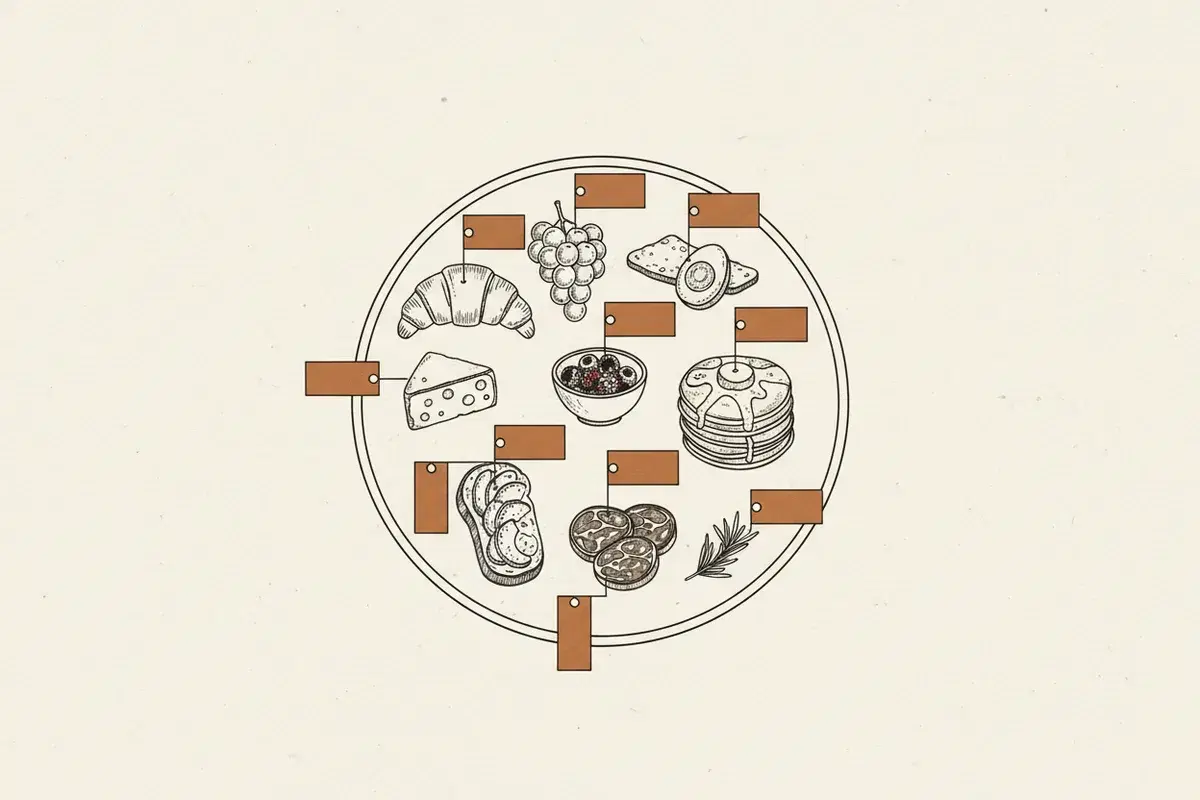
Federal law requires packaged foods to disclose nine major allergens using plain English names, either parenthetically in the ingredient list or in a dedicated 'Contains' statement. However, technical aliases like lysozyme and casein, combined with exemptions for highly refined oils, often obscure these ingredients from casual shoppers.
Key takeaways:
- Federal law under FALCPA and the FASTER Act mandates that packaged foods clearly disclose the nine major food allergens using plain, common English names.
- Allergens must be declared either in parentheses within the ingredient list or via a separate 'Contains' statement placed directly below it.
- Major allergens frequently hide behind functional names, such as lysozyme for egg or casein and whey for milk.
- Highly refined oils derived from major allergens, such as refined peanut or soybean oil, are legally exempt from FALCPA allergen declarations.
- Precautionary statements like 'may contain' or 'made in a facility with' are entirely voluntary, unregulated, and do not signal absolute cross-contact safety.
Which 9 Major Food Allergens Does Federal Law Regulate?
United States federal law identifies nine foods as major food allergens. According to regulatory findings published by the U.S. Food and Drug Administration, the FDA says these nine foods account for about 90 percent of food allergies in the United States. The statutory framework governing allergen labeling began with the Food Allergen Labeling and Consumer Protection Act of 2004 (FALCPA), which took effect on January 1, 2006. FALCPA originally established eight major food allergens: milk, eggs, fish, crustacean shellfish, tree nuts, peanuts, wheat, and soybeans.
On April 23, 2021, the Food Allergy Safety, Treatment, Education, and Research (FASTER) Act was signed into law, designating sesame as the ninth major food allergen. Mandatory labeling for sesame under this statute officially took effect on January 1, 2023. Packaged foods introduced into interstate commerce after that date must explicitly declare sesame on their ingredient panels.
Regulatory standards continue to evolve under federal guidance. As of September 2026, manufacturers follow the FDA's Edition 5 guidance, finalized in January 2025. This guidance refined statutory definitions across several categories, as detailed in the agency's Questions and Answers Regarding Food Allergens (Edition 5). Under these provisions, the agency cut the tree nut list from 23 entries to 12 (almond, Brazil nut, cashew, hazelnut, macadamia, pecan, pine nut, pistachio and four walnut types), removing coconut, chestnut, shea and others, and clarified that milk from goats and sheep and eggs from ducks, geese and quail count as the allergens "milk" and "eggs" and should be declared with the species named.
Scan preview
Kind
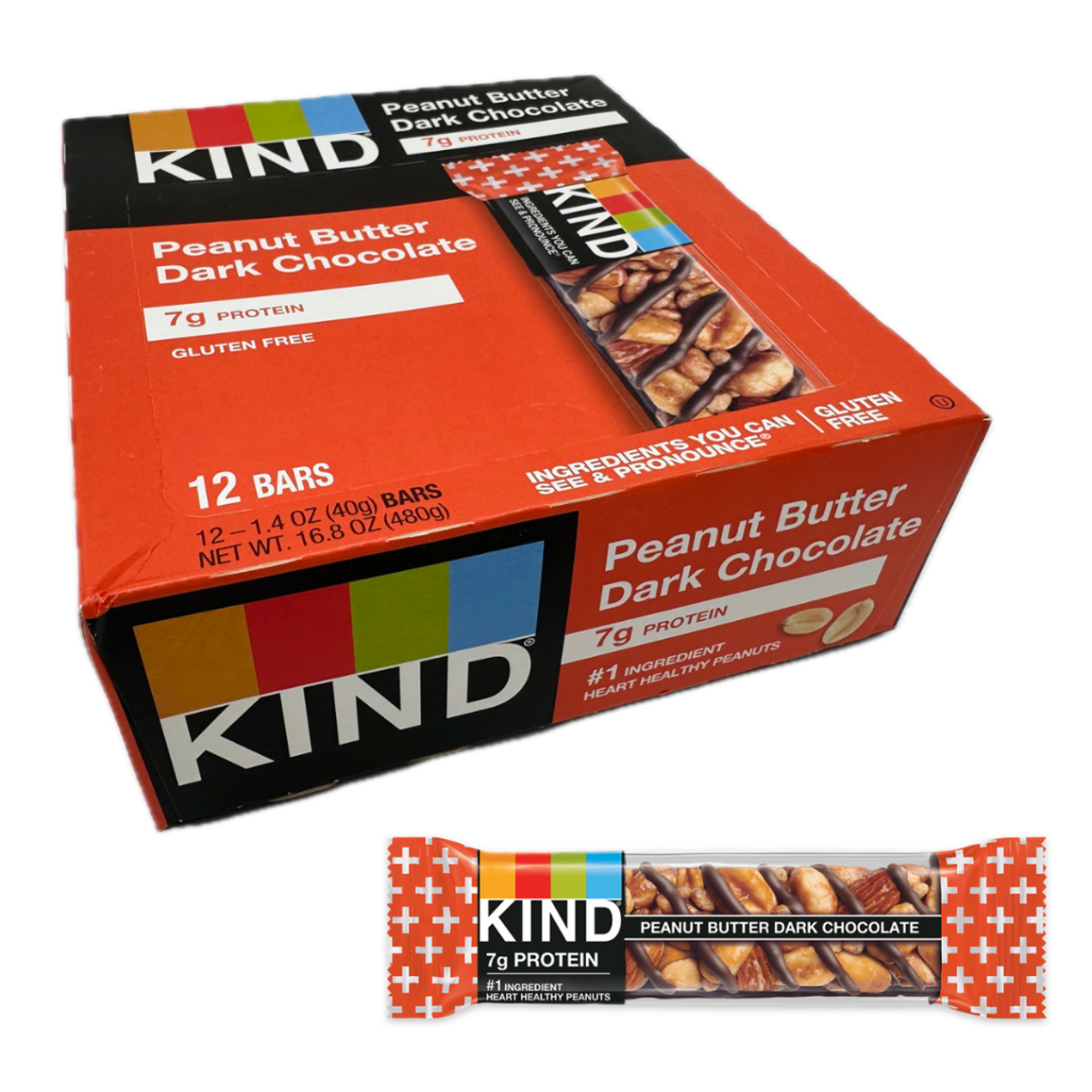
Kind Bar - Peanut Butter Dark Chocolate Plus Protein
PEANUTS · SUGAR · PALM KERNEL OIL
Standout ingredient: HONEY
Analysis by Aurascan. Sources are listed on the product page.
How Do Parentheses and 'Contains' Statements Work on Labels?
Under federal law, food manufacturers must disclose the presence of any of the nine major allergens using one of two approved formats. The primary goal is ensuring that the source of an ingredient is identifiable in clear, non-technical language.
The first method is the parenthetical disclosure within the ingredient statement itself. If an ingredient contains or is derived from a major allergen, the common or usual name of the allergen must appear in parentheses immediately following that ingredient. For example, a processor using wheat flour and soy lecithin must list them as 'enriched flour (wheat)' and 'lecithin (soy)'.
The second method is a dedicated 'Contains' statement placed immediately beneath or adjacent to the ingredient list. When a brand chooses this format, the statement must start with the word 'Contains' and list all major allergens present, such as 'Contains: Milk, Eggs, Wheat.' If a manufacturer includes a 'Contains' statement, that statement must be comprehensive: it must declare all major allergens present in the product, even those already named in the primary ingredient list. Guidance materials from Food Allergy Research & Education emphasize that shoppers must inspect both areas on the panel to confirm all declarations.
Specific naming rules apply to certain groups. For fish, crustacean shellfish, and tree nuts, manufacturers cannot simply state 'fish' or 'tree nuts'. The law requires the specific species or botanical variety to be named. Acceptable declarations include 'salmon', 'cod', 'shrimp', 'crab', 'almonds', 'walnuts', or 'cashews'. Learning How to Read a Food Label: The Ingredient List, Line by Line is essential for spotting these specific species names on complex packaging.
Which Hidden Names Obscure Dairy, Egg, and Soy Ingredients?
Although federal law requires common allergen names, specialized derivatives often mask their underlying origin on first glance. Consumers who skim packaging without carefully reading every parenthetical or 'Contains' line risk missing key allergens.
Milk proteins, for instance, frequently appear under biochemical designations. Casein, sodium caseinate, calcium caseinate, whey, whey protein concentrate, lactalbumin, and traditional fats like ghee are all derived from dairy. If a manufacturer relies exclusively on the parenthetical method rather than a separate 'Contains' statement, a consumer must watch for lines like 'sodium caseinate (milk)' or 'whey (milk)'.
Egg derivatives follow a similar pattern. Technical binders and preservatives derived from eggs include albumin, lysozyme, globulin, vitellin, and ovomucoid. The practical danger of technical terminology was highlighted by the Whole Foods Cheese Recall: The Egg Hiding Under 'Lysozyme'. On September 11, 2026, Whole Foods Market recalled Cabricharme cheese due to undeclared egg lysozyme, an antimicrobial enzyme derived from egg whites. When products are sliced or packaged without secondary allergen disclosures, these derivatives pose severe risks to allergic consumers.
Soy also masks itself under industrial designations such as hydrolyzed vegetable protein, textured vegetable protein and soy protein isolate. A widespread example is soy lecithin, an emulsifier detailed in our soy lecithin review, where the parenthetical soy source is mandatory unless a separate 'Contains' banner appears. Clinical reference compilations maintained by the Food Allergy Research and Resource Program document how these industrial derivatives trigger confusion. Similarly, specialized binders can conceal hidden proteins, an issue explored in our gluten review. Furthermore, proprietary aromatic blends can occasionally raise consumer questions regarding botanical derivatives, as detailed in our natural flavors review.
What Legal Exemptions Apply to Refined Oils and Unpackaged Foods?
FALCPA contains specific legal exemptions that frequently surprise consumers. The most prominent exemption applies to highly refined oils derived from major food allergens. Under federal law, highly refined oils (such as refined soybean oil or highly refined peanut oil) and their derivatives are explicitly excluded from the definition of major food allergens.
The scientific rationale relied upon by the FDA is that industrial refining, bleaching, and deodorizing processes strip away virtually all residual proteins responsible for triggering IgE-mediated allergic reactions. Consequently, a product containing highly refined soybean oil is legally permitted to list 'soybean oil' without a parenthetical '(soy)' and is not required to include soy in a 'Contains' statement. However, cold-pressed, expeller-pressed, or unrefined specialty oils do retain allergenic proteins and must be labeled.
Another historical point of confusion involves the FDA's policy on coconut under the tree nut category. In its initial 2006 guidance documents, the FDA classified coconut as a tree nut for labeling purposes, requiring products containing coconut to declare it as a tree nut allergen despite it being a botanical drupe. However, under the FDA's finalized Edition 5 guidance, the agency removed coconut, along with chestnut, shea, beech, butternut, ginkgo, hickory, pili and several others, from the tree nut list, leaving 12 tree nuts that must be declared.
Additionally, foods outside the scope of traditional packaged goods carry significant exemptions. Raw agricultural commodities (such as fresh, unprocessed apples, loose nuts, or whole raw fish) do not carry packaged ingredient labels. Furthermore, foods prepared and sold directly at counter service settings, delis, bakeries, or restaurant hot bars are exempt from federal mandatory packaging disclosures. It is precisely in these unpackaged or counter-wrapped settings where cross-contact occurs and where allergen-related recall events often originate.
Quiz
Is Frigo string cheese clean?
Guess before you scroll.
Reveal Aurascan's verdict
Aurascan says: Flagged
The main flag is Pasteurized Part Skim Milk.
Are 'May Contain' and Facility Advisory Statements Regulated?
Walking down any grocery aisle reveals a confusing assortment of voluntary precautionary labels: 'may contain peanuts', 'processed in a facility that also handles milk', or 'manufactured on shared equipment with wheat'. Consumers frequently assume these claims are governed by federal standards. In reality, they are completely voluntary and unregulated.
The FDA does not establish specific residue thresholds, standardized wording, or validation criteria for precautionary allergen labeling (PAL). Because these statements are advisory:
- The absence of a 'may contain' warning does not guarantee that a facility is free of an allergen; it merely means the manufacturer elected not to print voluntary text.
- The presence of a statement does not correlate with a specific, measured quantity of cross-contact residue.
- Some manufacturers use advisory phrases defensively to limit liability, while others operate shared lines without placing any advisory statement on the package.
Because advisory statements lack regulatory oversight, consumers with severe IgE-mediated allergies cannot rely on their absence as an indicator of safety.
How Do Wheat-Free and Gluten-Free Labeling Rules Differ?
A common point of confusion on modern grocery shelves is the difference between wheat declarations and gluten-free claims. These are governed by two entirely distinct FDA regulatory frameworks.
FALCPA regulates wheat as a major allergen due to severe, immediate IgE-mediated allergic reactions. Any product containing wheat must declare it by law. However, a product labeled 'wheat-free' is not automatically gluten-free. Grains such as barley, rye, triticale, and certain contaminated oats contain gluten but are not wheat; therefore, a 'wheat-free' item may contain substantial amounts of gluten derived from barley malt.
Conversely, 'gluten-free' is defined under 21 CFR 101.91. This rule establishes that any food carrying a voluntary 'gluten-free' claim must contain less than 20 parts per million (ppm) of gluten. Interestingly, a product can legally be labeled 'gluten-free' while simultaneously listing 'wheat' in its allergen disclosures, provided the wheat has been processed to remove gluten below the 20 ppm threshold (such as gluten-free wheat starch). In this scenario, the label must state: 'The wheat has been processed to allow this food to meet the Food and Drug Administration (FDA) requirements for gluten-free foods.'
Why Are Some Commercial Bakeries Adding Sesame Intentionally?
When the FASTER Act mandated sesame labeling starting January 1, 2023, allergen advocacy groups anticipated safer bakery products. Instead, the implementation revealed an unintended regulatory outcome known as the sesame loophole.
Cleaning industrial baking lines to eliminate microscopic sesame seeds and oils is exceptionally costly and logistically challenging for large commercial bakeries. Rather than investing in rigorous cross-contact controls or risking federal enforcement actions for undeclared sesame trace residues, several national commercial baking brands chose an easier compliance route: they intentionally added small amounts of sesame flour or sesame seeds directly to their recipes.
By intentionally introducing sesame as an ingredient, manufacturers can legally print 'Contains: Sesame' on the wrapper without violating the law. While the FDA publicly stated that this practice is contrary to the protective spirit of the FASTER Act, the agency conceded that intentionally adding an allergen and declaring it on the label does not violate existing statutes. This practice significantly restricted commercial bread choices for individuals managing sesame allergies.
How Can You Scan Ingredients and Spot Allergens with Aurascan?
Navigating multi-line ingredient panels, parenthetical disclosures, and industrial additives requires vigilance. When packages feature dense text or obscured terms, digital tools provide an essential second layer of verification.
Try Aurascan
See what is really in the food you buy.
Common questions
- What are the 9 major food allergens in the US?
- Under US federal law, the nine major food allergens are milk, eggs, fish, crustacean shellfish, tree nuts, peanuts, wheat, soybeans, and sesame.
- Is sesame required to be labeled on food products?
- Yes. Following the passage of the FASTER Act, sesame became the ninth major food allergen, and mandatory labeling took effect on January 1, 2023.
- Are highly refined oils required to be labeled as allergens?
- No. Under FALCPA, highly refined oils derived from major allergens, such as refined peanut oil or refined soybean oil, are legally exempt from allergen labeling requirements because the refining process strips out allergenic proteins.
- What is the difference between wheat-free and gluten-free?
- Wheat-free means the product contains no wheat, but it may still contain other gluten-rich grains like barley or rye. Gluten-free is defined by the FDA as containing less than 20 parts per million (ppm) of gluten.
- Does 'may contain' mean an allergen is definitely present?
- Not necessarily. Precautionary allergen statements like 'may contain' or 'made in a facility with' are completely voluntary and unregulated by the FDA. Their presence or absence does not indicate a measured level of risk.
- Is coconut classified as a tree nut by the FDA?
- Historically, the FDA treated coconut as a tree nut for labeling purposes. In its Edition 5 guidance finalized in January 2025, the FDA removed coconut and several other botanical nuts from the tree nut list, leaving 12.
Sources
- Food Allergies (fda.gov)
- Questions and Answers Regarding Food Allergens (Edition 5) (fda.gov)
- How to Read a Food Label (foodallergy.org)
- The Big Nine Allergens (farrp.unl.edu)
- Food Allergies: What You Need to Know (fda.gov)
In this series
Guide
Whole Foods Cheese Recall: The Egg Hiding Under 'Lysozyme'Guide
Fresca vs Diet Coke: Two Zero-Sugar Sodas, Two Different LabelsGuide
Is SkinnyPop Clean? Three Ingredients, ScannedGuide
Is Häagen-Dazs Chocolate Clean? Five Ingredients, ScannedGuide
Is Fanta Pineapple Clean? Every Ingredient, ScannedGuide
Skittles and M&M's Without FD&C Colors: What Changed on the Label
Related guides
Guides
Emulsifiers on Ingredient Lists Explained: Lecithin to Polysorbate 80What emulsifiers and stabilisers do, which names to look for on a label, and what the first human trial of five emulsifiers actually found about gut health.
Guides
Preservatives on Ingredient Lists Explained: Benzoate to BHASodium benzoate, potassium sorbate, sulfites, nitrite, BHA, BHT, TBHQ, EDTA and the antioxidants: what each does, how US rules treat it, and how to spot it on a label.
Product Education
Is the Nature's Bakery Fig Bar Clean? Every Ingredient, ScannedWhole wheat flour, cane sugar, fig paste, brown rice syrup, an apple jam sub-list and canola oil. What a 'whole wheat' fig bar label actually says about sugar.
Try it on your own groceries
Scan your next label with Aurascan
Point the camera at any ingredient list and get the same evidence-graded read you see here.
Open the scannerLabel-reading intel, weekly.
What changed on food labels this week — bans, recalls, and new guides.