
Ingredient Reviews · September 25, 2026 · 8 min read
Citric Acid on Food Labels: Mold-Made, but Is It Safe?
Citric acid (E 330) is mostly made by fermentation with Aspergillus niger. What FDA, JECFA and a 2018 case series actually say, and how to spot it.
By Chris Carrillo · Reviewed by Armin Rad, Co-Founder & CTO, Aurascan · September 25, 2026
Every article is checked against primary sources before publication. How we review

Citric acid is a naturally occurring organic acid and one of the most widely used food additives in modern grocery items, functioning as a flavor enhancer, acidity regulator, and preservative partner. While originally extracted from citrus fruits, the vast majority of commercial citric acid is produced through industrial microbial fermentation. Global food safety authorities recognize purified citric acid as safe for human consumption, though frequent exposure to acidic foods and beverages can contribute to dental enamel demineralization.
Key takeaways:
- Most commercial citric acid is produced via fermentation using Aspergillus niger, yielding a purified molecule chemically identical to naturally occurring citrus acid.
- The US FDA affirms citric acid as GRAS (21 CFR 184.1033), and the FAO/WHO expert committee JECFA assigned it an acceptable daily intake of 'not limited'.
- Citric acid serves multiple functional roles: pH control, tartness, antioxidant synergism, and metal chelation to preserve freshness.
- Rare anecdotal case studies have explored inflammatory sensitivities, but verified adverse effects are primarily limited to dental enamel demineralization from frequent acidic exposure.
- Shoppers can spot the additive as citric acid, E 330, or INS 330, frequently paired with buffering agents like sodium citrate.
What Is Citric Acid and Where Does It Come From?
Citric acid is a weak tricarboxylic organic acid found naturally in plant and animal tissues. In citrus fruits such as lemons, limes, oranges, and grapefruits, it exists in substantial concentrations, providing their signature sharp, refreshing sour taste. Beyond fruits, citric acid plays an essential physiological role in human biology as an intermediate compound in the Krebs cycle, the metabolic pathway that cells use to generate cellular energy from carbohydrates, fats, and proteins.
Because the human digestive system and cellular machinery naturally produce and clear citrate continuously, the body possesses dedicated pathways to metabolize it. When ingested through food, absorbed citric acid simply enters this endogenous metabolic cycle. However, the sheer volume of citric acid required by the modern packaged food industry far exceeds what could be economically extracted from harvested citrus crops alone.
How Is Citric Acid Made: Fruit Juice vs. Aspergillus niger Fermentation
Historically, commercial citric acid was isolated directly from lemon or pineapple juice through chemical precipitation. Today, global supply chains rely on industrial microbial fermentation. Under US food regulations in 21 CFR 184.1033, citric acid may be produced through recovery from fruit juice, by fermentation with Candida species, or via solvent extraction from the fermentation liquor of Aspergillus niger.
According to the 2018 Toxicology Reports paper discussed below, roughly 99 percent of manufactured citric acid worldwide is produced using Aspergillus niger, a species of filamentous black mold. In large industrial bioreactors, carbohydrate feedstocks such as glucose, molasses, or corn starch are fed to specific, non-toxigenic strains of A. niger. As the organism consumes the sugars, it secretes high concentrations of citric acid into the liquid broth.
Once fermentation reaches its target concentration, the mixture undergoes rigorous multi-step separation. The fungal mycelium is filtered out completely, and the remaining liquid is treated with calcium hydroxide to precipitate calcium citrate. The resulting solid is reacted with sulfuric acid to liberate purified citric acid, followed by decolorization with activated carbon, demineralization through ion-exchange resins, and crystallization. The end product is a purified chemical crystal that is structurally and chemically identical to the molecule found inside a fresh lemon.
Scan preview
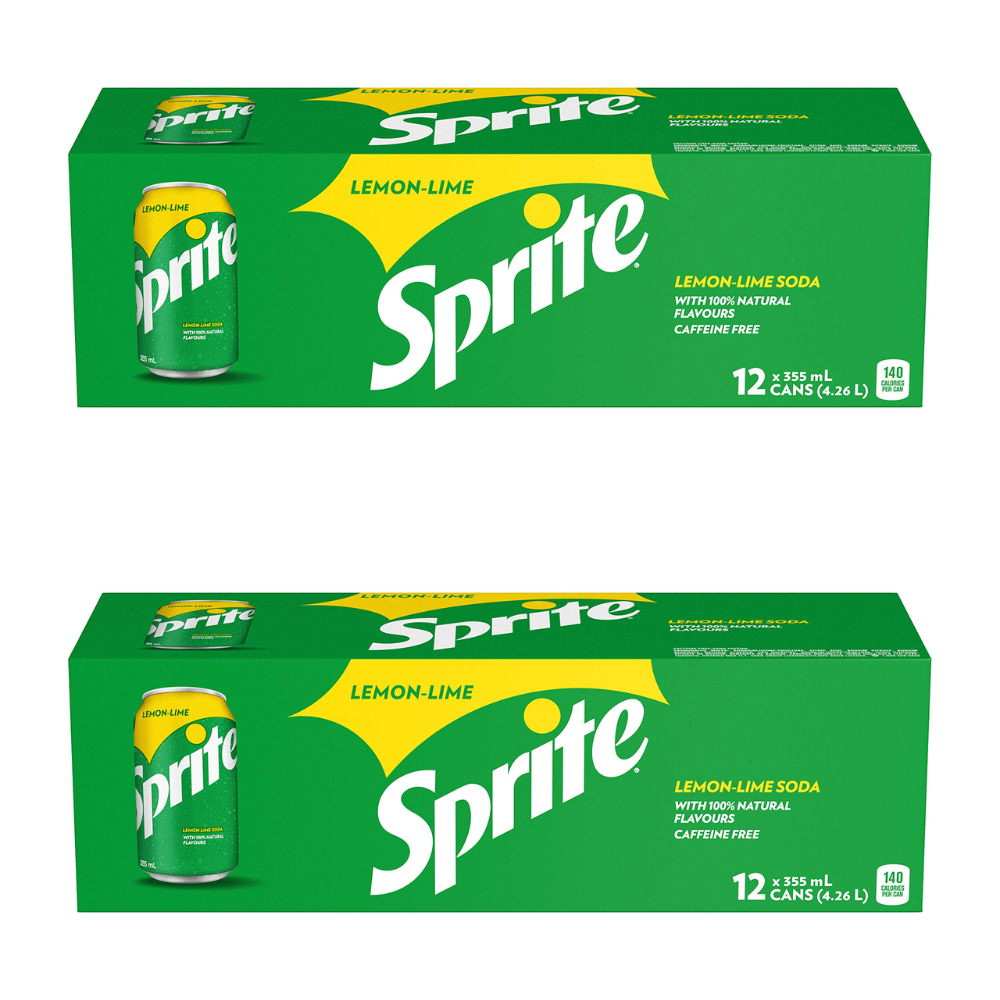
Sprite
Sprite Lemon Lime Caffeine Free Soda Soft Drink Fridge Pack Cans
High Fructose Corn Syrup · Natural Flavors · Carbonated Water
Standout ingredient: Carbonated Water
Analysis by Aurascan. Sources are listed on the product page.
What Is Citric Acid Used for in Packaged Foods?
Food processors incorporate citric acid into formulations for several distinct functional reasons. First, it serves as an acidulant, providing a bright, clean, tart flavor profile that balances intense sweetness in candies, jams, fruit snacks, and beverages. For an example of how this ingredient functions alongside sweeteners and carbonation in common soft drinks, see our Sprite spotlight.
Second, citric acid serves as a critical pH control agent. By lowering the pH of sauces, canned vegetables, and dressings below 4.6, it creates an environment that prevents the growth of pathogenic bacteria such as Clostridium botulinum. This acidity allows manufacturers to use gentler heat pasteurization treatments without compromising microbiological shelf stability.
Third, citric acid functions as an antioxidant synergist and sequestrant. It binds (chelates) trace metallic ions, particularly iron and copper, which naturally catalyze oxidation and rancidity in fats and oils. By neutralizing these free metals, citric acid helps antioxidants and other preservatives work more effectively, as outlined in our guide to preservatives on ingredient lists explained.
Is Citric Acid Safe? US, EU, and Global Regulatory Status
Citric acid has maintained comprehensive regulatory approval across global food safety bodies for decades. In the United States, the Food and Drug Administration affirmed citric acid as Generally Recognized as Safe (GRAS) under 21 CFR 184.1033, with the formal affirmation published in 1994. The regulation permits its use in food with no limitation other than current good manufacturing practice (GMP).
Internationally, the Joint FAO/WHO Expert Committee on Food Additives (JECFA) designates citric acid under international numbering system identifier INS 330. JECFA evaluated citric acid and its calcium, potassium, sodium, and ammonium salts in 1973, assigning a group Acceptable Daily Intake (ADI) of 'not limited'. This classification is reserved for food substances of very low toxicity that are standard components of human metabolism.
In the European Union, citric acid is authorized as food additive E 330 on the Union list established by Regulation (EU) No 1129/2011. It is permitted in a broad range of food categories quantum satis, meaning manufacturers may use only the amount necessary to achieve the desired functional effect. Across all these jurisdictions, the purified additive is recognized as chemically equivalent regardless of the specific manufacturing pathway used.
Citric Acid Side Effects: Sensitivities, Tooth Enamel, and Case Studies
For the vast majority of consumers, dietary citric acid is rapidly cleared by metabolic pathways without adverse side effects. The most clearly documented physical consequence of high citric acid consumption involves direct, repeated oral contact. Like other dietary acids, free citric acid temporarily lowers the pH of the oral cavity below 5.5, the critical threshold where dental enamel begins to demineralize. Frequent sipping of sour beverages, energy drinks, or sour hard candies without rinsing can gradually wear down enamel over time.
Beyond oral health, public discussions often question whether manufactured citric acid can trigger systemic sensitivities. In a widely discussed 2018 paper published in Toxicology Reports, researchers Sweis and Cressey detailed a series of four clinical case reports describing individuals who experienced respiratory, joint, irritable-bowel-like, or muscular symptoms following the ingestion of commercial foods containing manufactured citric acid. The authors hypothesized that these individuals might be reacting to trace microbial residues from the Aspergillus niger fermentation process.
However, it is essential to understand the scientific limitations of this evidence. A four-person case series has no control group, cannot establish a biological mechanism, and cannot demonstrate cause and effect. Food-grade citric acid has to meet purity specifications set by JECFA and the EU. We found no controlled trials testing whether manufactured citric acid causes reactions in sensitive people, so the question is open rather than answered either way.
How to Spot Citric Acid on Food Labels
Identifying citric acid on packaged groceries is straightforward once you recognize the different naming conventions used across North American, European, and international markets. Common label variations include:
- Citric acid (standard US, Canadian, and UK ingredient declaration)
- E 330 (standard European Union food additive code)
- INS 330 (Codex Alimentarius International Numbering System code)
- Acidity regulator (citric acid) or food acid (330)
In ingredient statements, citric acid frequently appears immediately adjacent to buffering salts such as sodium citrate, potassium citrate, or calcium citrate. Manufacturers combine the free acid with its conjugate salt to create a chemical buffer system, locking the product's pH at an exact target without making the final taste overly sour.
Common Myths: Black Mold Contamination vs. Vitamin C Confusion
Online health forums frequently repeat misconceptions regarding citric acid. Addressing the most prevalent myths helps clarify how the ingredient actually functions:
- Myth 1: "Packaged foods with citric acid contain black mold." While Aspergillus niger is the production organism, the mold itself is filtered out, destroyed, and separated during early processing. The end product is a purified chemical powder, not mold or active spores.
- Myth 2: "Citric acid is another name for Vitamin C." This is chemically false. Vitamin C is ascorbic acid (C6H8O6), an essential micronutrient that prevents scurvy. Citric acid (C6H8O7) is an organic acid involved in cellular energy release; it has no vitamin C activity and cannot prevent vitamin C deficiency.
- Myth 3: "Food regulators never formally reviewed or tested citric acid." The FDA published its GRAS affirmation under 21 CFR 184.1033 in 1994, and JECFA evaluated citric acid and set its ADI in 1973.
What Are the Main Alternatives to Citric Acid?
Food formulators choose from several alternative organic acids depending on the desired flavor profile and processing requirements. Malic acid, found naturally in green apples, delivers a lingering, smoother sourness often favored in hard candies and fruit ciders. Tartaric acid, derived from grapes during winemaking, offers a sharper, more astringent bite commonly used in grape-flavored sodas and baking powders.
Lactic acid, produced via bacterial fermentation of dairy or plant sugars, imparts a mild, creamy acidity useful in cheese making, salad dressings, and fermented beverages. Phosphoric acid, an inorganic mineral acid, is standard in dark colas because it achieves a very low pH with minimal natural fruit notes. While each of these acidulants alters mouthfeel and flavor duration differently, citric acid remains the industry benchmark due to its clean sour taste, rapid clearance on the palate, and versatile chelation properties.
How to Scan Your Groceries for Citric Acid with Aurascan
Aurascan is a free food-label scanner app currently available in beta via iOS TestFlight, with a waitlist available for other platforms. Rather than generating an arbitrary, single black-box score for a food item, Aurascan analyzes packaging text and explains every ingredient individually with cited regulatory and scientific evidence. The app aggregates product information from Open Food Facts, the USDA, and barcode databases, running citations through an automated verifier to ensure grounding. Verdicts are displayed per ingredient as Clean, Mixed, or Flagged based on documented evidence, completely free from commercial sponsor influence.
Try Aurascan
See what is really in the food you buy.
Common questions
- Is citric acid on food labels made from actual fruit?
- Rarely. While it can legally be extracted from lemon or pineapple juice under US regulations, approximately 99 percent of commercial citric acid is manufactured by fermenting sugars with the microorganism Aspergillus niger.
- Is the citric acid made by mold the same as the acid in lemons?
- Yes. Once isolated, purified, and crystallized, the manufactured citric acid molecule is chemically identical to the citric acid produced naturally within citrus fruits.
- Is citric acid the same thing as vitamin C?
- No. Citric acid and ascorbic acid (vitamin C) are completely different chemical compounds. Citric acid does not provide vitamin C and cannot prevent scurvy.
- Can citric acid damage tooth enamel?
- Yes. Frequent and direct oral exposure to acidic foods and drinks lowers mouth pH below the critical threshold of 5.5, which can gradually demineralize tooth enamel over time.
- What is the acceptable daily intake (ADI) for citric acid?
- The Joint FAO/WHO Expert Committee on Food Additives (JECFA) evaluated citric acid and established its Acceptable Daily Intake as 'not limited', reflecting its low toxicity and natural role in human metabolism.
- Why is citric acid often paired with sodium citrate?
- Manufacturers combine citric acid with sodium citrate to create a chemical buffering system. This stabilizes the product at a precise pH level without making the flavor unpleasantly sour.
Sources
- 21 CFR 184.1033 - Direct food substances affirmed as generally recognized as safe: Citric acid (law.cornell.edu)
- Regulation (EU) No 1129/2011 amending Annex II to Regulation (EC) No 1333/2008 of the European Parliament and of the Council by establishing a Union list of food additives (eur-lex.europa.eu)
- Potential role of the common food additive manufactured citric acid in eliciting significant inflammatory reactions simultaneously contributing to serious disease states: A series of four case reports (pmc.ncbi.nlm.nih.gov)
- JECFA: Citric acid (apps.who.int)
In this series
Guide
PFHpA, a Lesser-Known 'Forever Chemical', Linked to Liver CancerGuide
Mandatory Origin Labels for Beef Could Return: What the Order AsksGuide
England School Food Rules Will Restrict Sweeteners and Keep Out JuiceGuide
CBD in Food: EFSA Backs 2 mg a Day as the UK Moves Toward 10 mgGuide
Frozen Berry E. coli Outbreak Over; Chilean Supplier on Import AlertGuide
'Gluten-Free' Plantain Flour Recalled Over Wheat Gluten
Related guides
Ingredient Reviews
Calcium Propionate: The Bread Mold Inhibitor, ExplainedCalcium propionate (E 282) keeps bread mold-free. What FDA and EFSA concluded, and what small human studies on blood sugar hormones found.
Ingredient Reviews
Sodium Phosphate in Food: Who Actually Needs to Worry?Sodium phosphate is in boxed mac and cheese, deli chicken and cereal. What FDA and EFSA say, the kidney evidence, and how to spot it.
Ingredient Reviews
Annatto: The Seed Color in Cheese and SnacksAnnatto (E 160b) is a seed-based orange color used in cheddar, butter and snacks. What FDA and EFSA allow, the ADIs, and rare allergy reports.
Try it on your own groceries
Scan your next label with Aurascan
Point the camera at any ingredient list and get the same evidence-graded read you see here.
Open the scannerLabel-reading intel, weekly.
What changed on food labels this week — bans, recalls, and new guides.