
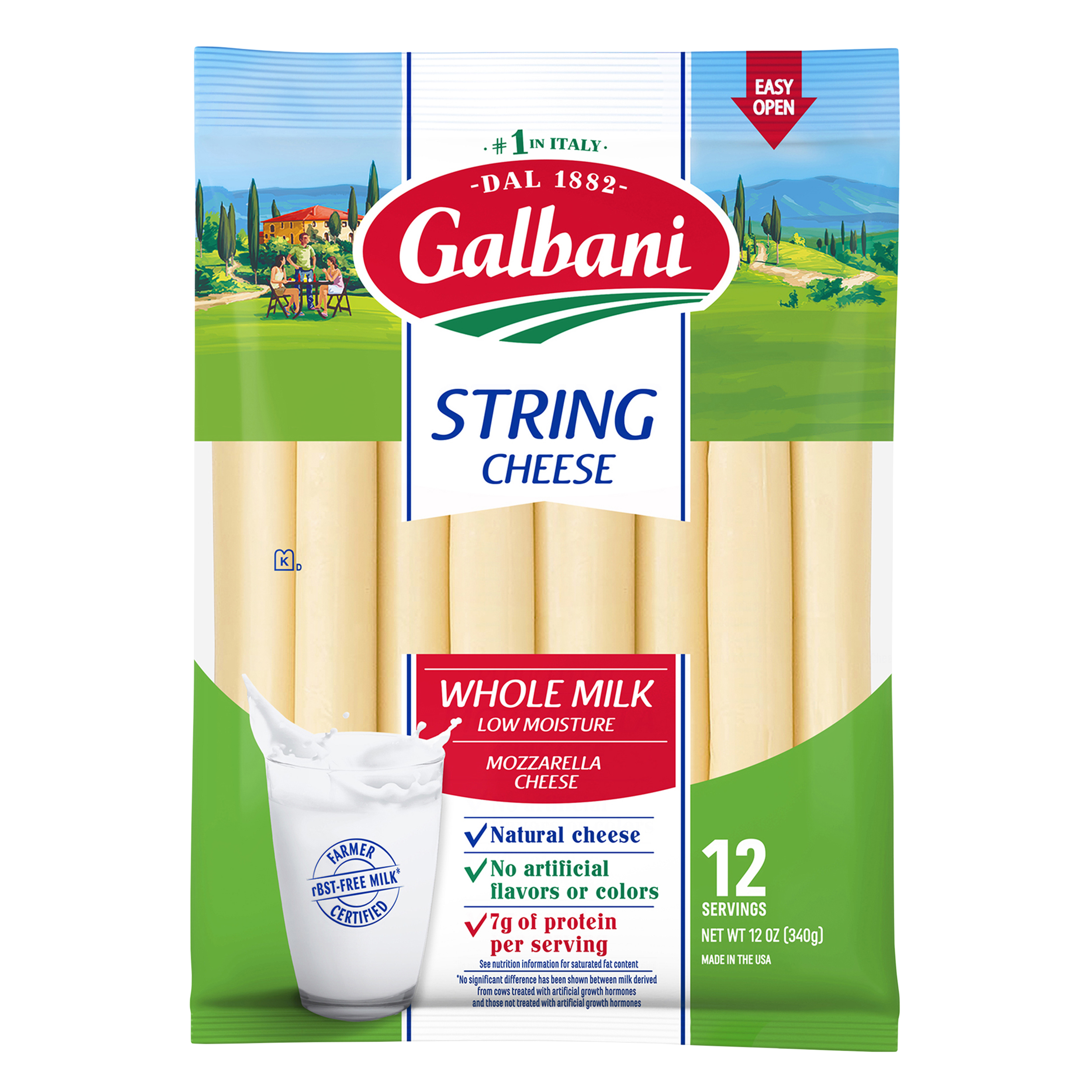
Frigo String Cheese, Original
Frigo
Cheese
4 ingredients on the label
Barcode: 041716231104
All ingredients (4)
- PASTEURIZED PART SKIM MILKThe body digests skim milk's protein, lactose and minerals in the gut, and heat treatment can shift how quickly milk protein and fatty acids appear in blood, based on a small set of human studies. The FDA's Grade A Pasteurized Milk Ordinance sets the pasteurization standards for milk sold in the US, and no numeric ADI applies to this ingredient.Processed
The body digests skim milk's protein, lactose and minerals in the gut, and heat treatment can shift how quickly milk protein and fatty acids appear in blood, based on a small set of human studies. The FDA's Grade A Pasteurized Milk Ordinance sets the pasteurization standards for milk sold in the US, and no numeric ADI applies to this ingredient.
- Raw Milk Misconceptions and the Danger of Raw Milk Consumption | FDA - FDA
- Heat Treatment of Milk: A Rapid Review of the Impacts on Postprandial Protein and Lipid Kinetics in Human Adults - Frontiers in Nutrition
- Disease outbreaks linked to pasteurized and unpasteurized dairy products in Canada and the United States: a systematic review - PMC - PMC / systematic review
- Milk and Dairy Products in Human Nutrition- Questions and Answers - FAO
- CHEESE CULTURESLive culture microbes act in the gut and in the cheese itself, where they ferment lactose into lactic acid; the microbes do not persist as a distinct treatment in the body. The EFSA Panel reviewed starter-culture microorganisms as part of its food-safety approach and does not set a numeric ADI for cheese cultures.Processed
Live culture microbes act in the gut and in the cheese itself, where they ferment lactose into lactic acid; the microbes do not persist as a distinct treatment in the body. The EFSA Panel reviewed starter-culture microorganisms as part of its food-safety approach and does not set a numeric ADI for cheese cultures.
- Impact of Fermented Dairy on Gastrointestinal Health and Associated Biomarkers - Nutrition Reviews
- A review of biogenic amines in fermented foods: Occurrence and health effects - Heliyon
- A Comprehensive Review on the Biogenic Amines in Cheeses: Their Origin, Chemical Characteristics, Hazard and Reduction Strategies - Foods
- Tyramine, a biogenic agent in cheese: amount and factors affecting its formation, a systematic review - Food Production, Processing and Nutrition
- SALTThe kidneys regulate sodium levels by filtering fluid, while excess sodium draws water into blood vessels to increase circulating volume. The EFSA identified an intake of 2.0 grams of sodium per day as safe and adequate for the general adult population.Processed
The kidneys regulate sodium levels by filtering fluid, while excess sodium draws water into blood vessels to increase circulating volume. The EFSA identified an intake of 2.0 grams of sodium per day as safe and adequate for the general adult population.
- Dietary Reference Values for sodium - European Food Safety Authority
- EFSA provides advice on adverse effects of sodium - European Food Safety Authority
- Impact of sodium intake on blood pressure, mortality and major cardiovascular events: an umbrella review of systematic reviews and meta-analyses: Critical Reviews in Food Science and Nutrition: Vol 65 , No 28 - Get Access - Critical Reviews in Food Science and Nutrition
- The impact of excessive salt intake on human health | Nature Reviews Nephrology - Nature Reviews Nephrology
- Salt Reduction to Prevent Hypertension and Cardiovascular Disease: JACC State-of-the-Art Review. - Abstract - Europe PMC - Journal of the American College of Cardiology
- The Science of Salt: A Regularly Updated Systematic Review of Salt and Health Outcomes (August to November 2015) - Wong - 2016 - The Journal of Clinical Hypertension - Wiley Online Library - The Journal of Clinical Hypertension
- ENZYMESWhen swallowed, enzyme proteins are broken down in the gut like other dietary proteins, and the main documented concern is allergic reaction, since enzyme proteins can act as allergens. The EFSA reviews food enzymes before EU authorisation, and JECFA sets general specifications for enzyme preparations, with no numeric ADI set because an acceptable daily intake of "not specified" is assigned when no hazard is identified.Processed
When swallowed, enzyme proteins are broken down in the gut like other dietary proteins, and the main documented concern is allergic reaction, since enzyme proteins can act as allergens. The EFSA reviews food enzymes before EU authorisation, and JECFA sets general specifications for enzyme preparations, with no numeric ADI set because an acceptable daily intake of "not specified" is assigned when no hazard is identified.
- Section 9.1.4.2 Enzymes - WHO
- Guidelines for the Risk Assessment of Additives (Enzymes) in Foods - Food Safety Commission of Japan
- Scientific Guidance for the submission of dossiers on Food Enzymes - EFSA Journal (PMC)
Sources
- Raw Milk Misconceptions and the Danger of Raw Milk Consumption | FDA - FDAgovernment agency
- Heat Treatment of Milk: A Rapid Review of the Impacts on Postprandial Protein and Lipid Kinetics in Human Adults - Frontiers in Nutritionreview article
- Disease outbreaks linked to pasteurized and unpasteurized dairy products in Canada and the United States: a systematic review - PMC - PMC / systematic reviewreview article
- Milk and Dairy Products in Human Nutrition- Questions and Answers - FAOgovernment agency
- Impact of Fermented Dairy on Gastrointestinal Health and Associated Biomarkers - Nutrition Reviewspeer reviewed study
- A review of biogenic amines in fermented foods: Occurrence and health effects - Heliyonreview article
- A Comprehensive Review on the Biogenic Amines in Cheeses: Their Origin, Chemical Characteristics, Hazard and Reduction Strategies - Foodsreview article
- Tyramine, a biogenic agent in cheese: amount and factors affecting its formation, a systematic review - Food Production, Processing and Nutritionpeer reviewed study
- Dietary Reference Values for sodium - European Food Safety Authoritygovernment agency
- EFSA provides advice on adverse effects of sodium - European Food Safety Authoritygovernment agency
- Impact of sodium intake on blood pressure, mortality and major cardiovascular events: an umbrella review of systematic reviews and meta-analyses: Critical Reviews in Food Science and Nutrition: Vol 65 , No 28 - Get Access - Critical Reviews in Food Science and Nutritionmeta analysis
- The impact of excessive salt intake on human health | Nature Reviews Nephrology - Nature Reviews Nephrologyreview article
- Salt Reduction to Prevent Hypertension and Cardiovascular Disease: JACC State-of-the-Art Review. - Abstract - Europe PMC - Journal of the American College of Cardiologyreview article
- The Science of Salt: A Regularly Updated Systematic Review of Salt and Health Outcomes (August to November 2015) - Wong - 2016 - The Journal of Clinical Hypertension - Wiley Online Library - The Journal of Clinical Hypertensionreview article
- Section 9.1.4.2 Enzymes - WHOgovernment agency
- Guidelines for the Risk Assessment of Additives (Enzymes) in Foods - Food Safety Commission of Japangovernment agency
- Scientific Guidance for the submission of dossiers on Food Enzymes - EFSA Journal (PMC)review article
See what's in the products you buy
Scan a barcode and read what every ingredient does, in plain English.